The Geography of Illicit Trade: From Transit Hubs to Street Stalls
The investigation centered on two primary hotspots: the Eastern Bus Station (Bến xe Miền Tây) and the busy intersection of Châu Văn Liêm and Nguyễn Trãi in District 5. At these locations, vendors utilize a "cloak-and-dagger" approach, concealing their illicit inventory behind mundane storefronts or everyday items.
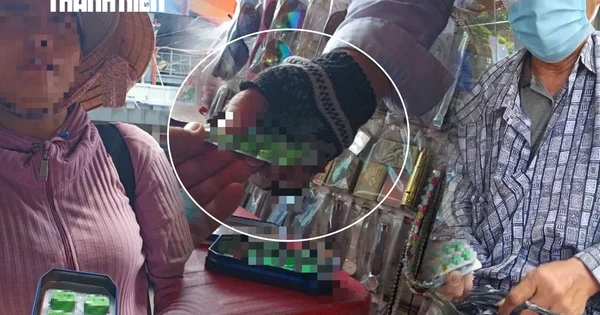
At the Eastern Bus Station, street vendors—some of whom claim to have been operating for over two decades—maintain a seemingly innocent facade. They stand among the throngs of travelers, carrying small wooden trays filled with innocuous items like leather wallets, cigarette lighters, keychains, and nail clippers. However, these items serve as a strategic decoy. Once a potential customer pauses or shows interest, the vendors transition into a pitch for "sexual stamina" products.
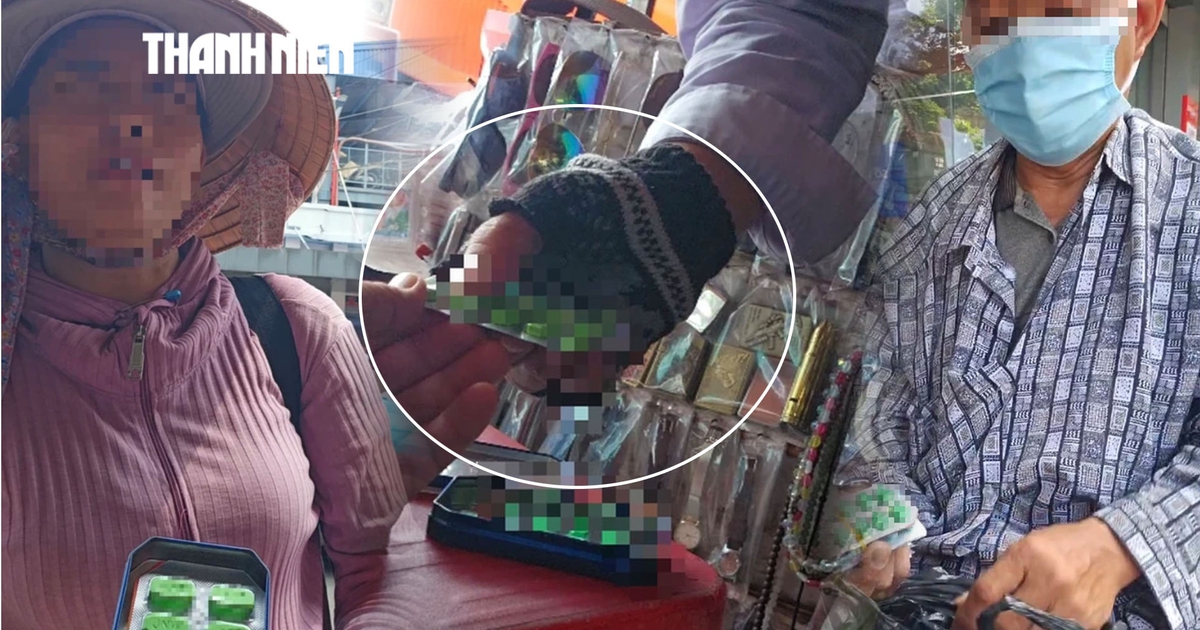
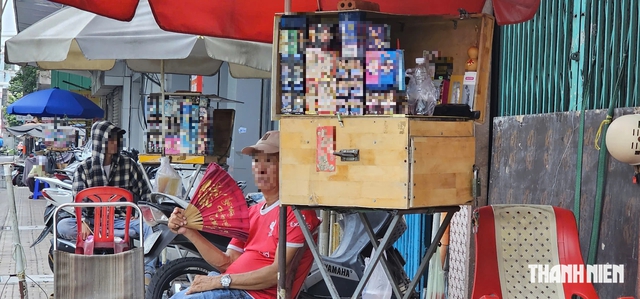
Similarly, in the vicinity of Châu Văn Liêm and Nguyễn Trãi, the trade is tied to small, permanent glass kiosks that ostensibly sell lottery tickets and condoms. Conversations with these vendors reveal that the sale of lottery tickets is merely a secondary source of income, with the high-margin, high-risk trade of unregulated stimulants providing the primary revenue stream.
Product Profiles and Dangerous Marketing Tactics
The substances sold by these vendors are uniformly packaged in damaged, unsealed, or unlabeled containers. During the undercover operations, investigators were presented with a variety of forms: pills, liquids, and topical gels.
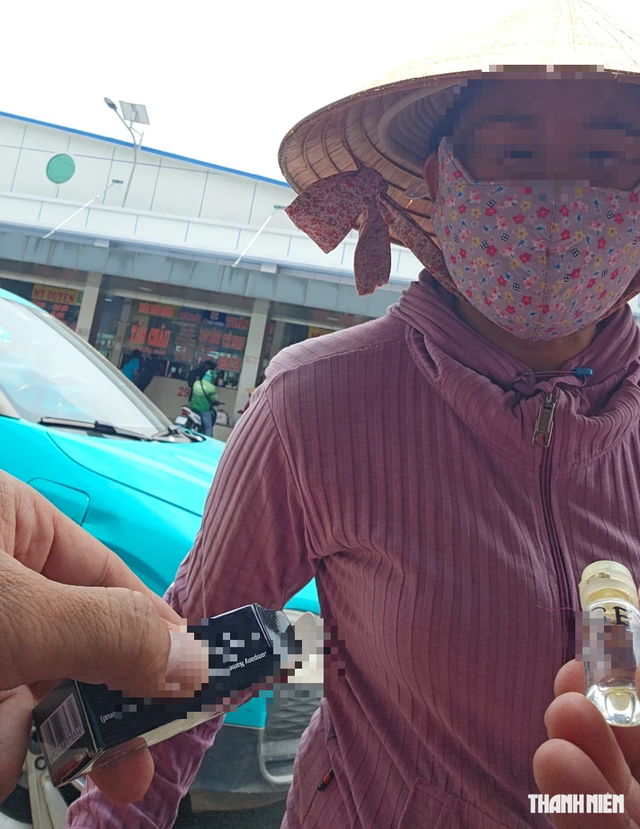
One vendor, a woman in her 50s, showcased a liquid substance she claimed was a colorless, odorless "aphrodisiac" for women. She instructed that just three drops added to a glass of water would render the victim unaware, effectively facilitating "whatever action one desires." This chilling admission highlights the criminal potential of these products beyond mere health hazards; they are being marketed as tools for potential sexual assault.
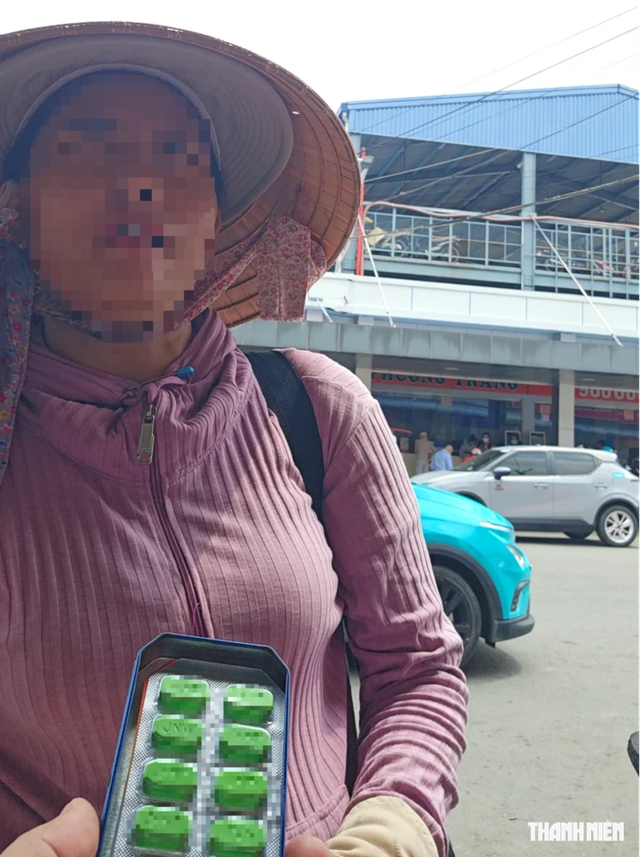
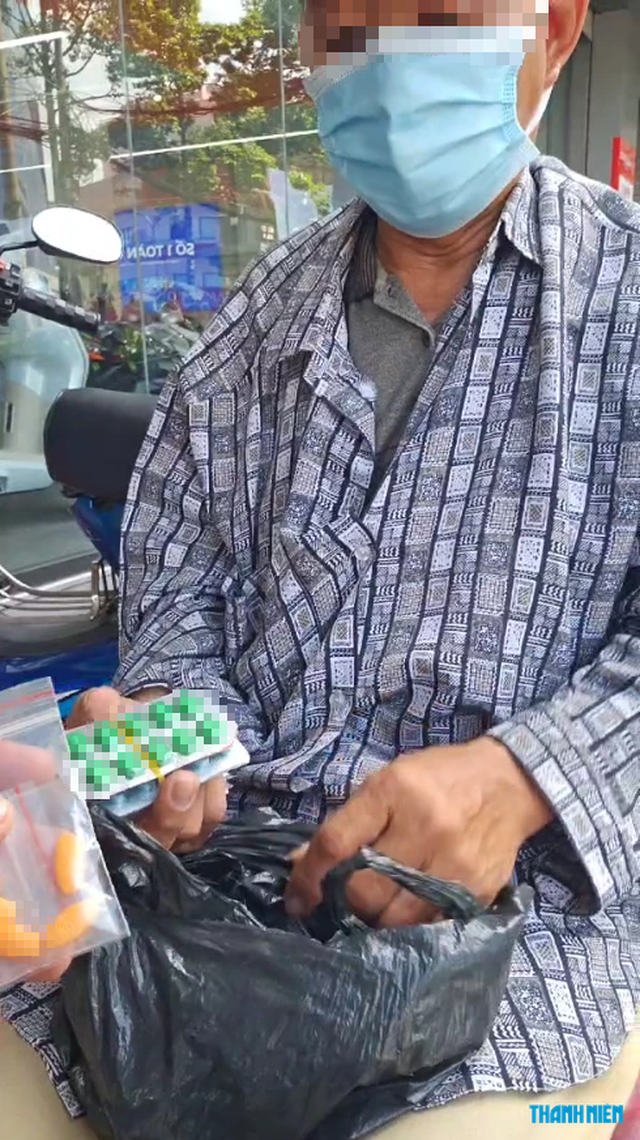
Another vendor provided pills stored in small, plastic zip-lock bags, stripped of their original packaging. When questioned about the lack of patient information leaflets, manufacturing details, or expiry dates, the vendor dismissively noted that the products are "imported" and that they had been selling them for years without "complaints." The products frequently bear vague labels or lack any Vietnamese-language instructions, violating national regulations regarding the labeling and distribution of pharmaceutical goods.
The Logistics of Evasion: A Culture of Impunity
The vendors have developed sophisticated tactics to avoid detection by law enforcement and market regulators. A common strategy involves dismantling original product packaging to save space and reduce the likelihood of being caught with large quantities of contraband.
"Importing them in their original, bulky boxes is a waste of space and makes it impossible to hide during inspections," one vendor explained. "I strip the boxes, store the pills in small plastic bags, and hide them inside the battery compartments of my electric scooter. If there’s a raid, I can vanish in a heartbeat."
This practice of "dismantling" inventory is a clear indicator that the sellers are fully aware of the illegality of their actions. The lack of paper trails or official receipts is not merely a convenience; it is a deliberate obfuscation to prevent authorities from tracing the supply chain back to the source.
Broader Health and Legal Implications
The proliferation of these unregulated substances presents a multifaceted public health crisis. Medical experts warn that sexual enhancement drugs, even those manufactured legally, carry significant risks—including cardiovascular strain, dangerously low blood pressure, and allergic reactions. When these substances are counterfeit or manufactured in clandestine facilities, the risk of contamination with toxic chemicals, heavy metals, or incorrect dosages increases exponentially.
Furthermore, the legal implications are severe. According to Vietnamese Law on Pharmacy, the sale of drugs outside of licensed pharmacies and the distribution of medicine without proper registration numbers are strictly prohibited. These street vendors are operating in direct violation of the Pharmaceutical Law and the Law on Handling Administrative Violations.
Despite periodic crackdowns by market management teams and local authorities, the trade persists. The vendors’ ability to adapt—by hiding inventory and using mobile, low-profile sales tactics—makes enforcement difficult. The "cat-and-mouse" game between regulators and these illicit traders suggests that current measures, while necessary, are insufficient to curb the demand or the supply effectively.
Analysis: Why the Market Persists
The survival of this illegal trade can be attributed to several factors:
- Low Barrier to Entry: The initial capital required to purchase counterfeit or smuggled goods is relatively low, and the profit margins are significantly higher than those of legal commodities.
- Social Stigma: Many individuals are embarrassed to visit licensed clinics or pharmacies to discuss sexual health issues. This shame creates a vacuum that black-market vendors are all too happy to fill, offering "discreet" and "quick" solutions.
- Lack of Consumer Awareness: Many buyers are unaware that the products they are purchasing are counterfeit. They are misled by the confidence of the vendors, who often lie about the origin of the products, claiming they are "imported" from countries known for high-quality pharmaceuticals, such as Thailand or Europe.
- Inconsistent Enforcement: While authorities do conduct sweeps, the mobile nature of these vendors allows them to disperse and return once the inspection teams have left the area.
A Call for Comprehensive Action
Addressing this issue requires more than just occasional police raids. It necessitates a coordinated response involving the Ministry of Health, the Market Management Bureau, and local authorities to:
- Strengthen Surveillance: Increase undercover monitoring at transport hubs and known retail hotspots to identify and dismantle the distribution networks behind these street-level vendors.
- Public Awareness Campaigns: Educate the public on the dangers of consuming unverified, unlabeled medication. Campaigns should emphasize that real medical advice should only be sought from licensed healthcare professionals.
- Stricter Penalties: Evaluate and potentially increase the severity of administrative and criminal penalties for the trade of illegal pharmaceutical products to act as a stronger deterrent.
- Community Reporting: Establish anonymous, accessible channels for citizens to report the illegal sale of such substances, fostering a community-led approach to public safety.
The "matrix" of illegal sexual enhancement drug distribution in Ho Chi Minh City is a clear threat to public safety and health. As these vendors continue to operate with impunity, the risk to the public remains high. Only by addressing the supply chain, increasing consumer literacy, and ensuring consistent, rigorous enforcement can authorities hope to dismantle this illicit industry.