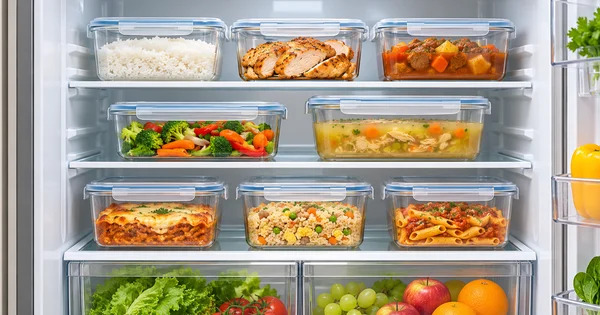
The modern kitchen is a hub of convenience, yet it often becomes a breeding ground for invisible health risks when improper food storage practices are applied. As households increasingly rely on meal prepping and storing leftovers to save time and reduce waste, questions regarding the safety of consuming refrigerated cooked food have become paramount. While the refrigerator is an essential appliance for slowing bacterial growth, it is not a permanent solution for food preservation. Understanding the biological limits of refrigeration is critical to preventing foodborne illnesses, which continue to affect millions globally each year.
The Science of Refrigeration and Bacterial Proliferation
Contrary to common belief, a refrigerator does not sterilize food; it merely acts as a "pause button" for the life cycle of most bacteria. When food is cooked, the high temperatures reach a point where pathogenic microorganisms are killed. However, the cooling process and the subsequent storage environment present a dangerous window for contamination.
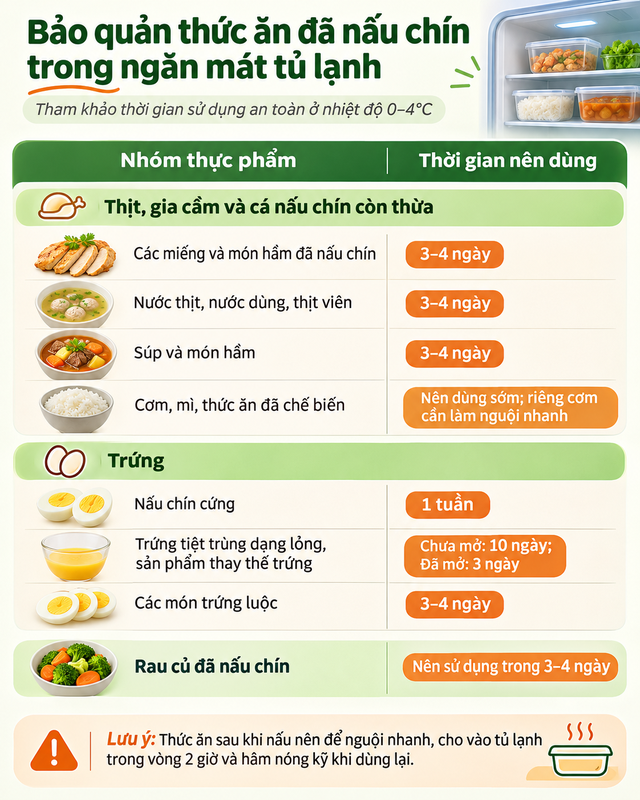
According to guidelines established by the United States Department of Agriculture (USDA), cooked food should be cooled rapidly and stored at temperatures at or below 4 degrees Celsius (40 degrees Fahrenheit). Under these specific conditions, most common leftovers can be safely consumed within a three-to-four-day window. However, this is an upper limit rather than a recommended target. The UK’s Food Standards Agency (FSA) offers a more conservative and arguably safer recommendation, advising that leftovers should be consumed within 48 hours to minimize any risk of bacterial proliferation.
The "Danger Zone" and Microbial Persistence
The primary reason for these strict time constraints is the nature of microbial growth. Many bacteria, such as Salmonella, E. coli, and Listeria, thrive in the "danger zone"—the temperature range between 5°C and 60°C. Even when refrigerated, some psychrotrophic bacteria—those capable of growing at low temperatures—can continue to multiply slowly.
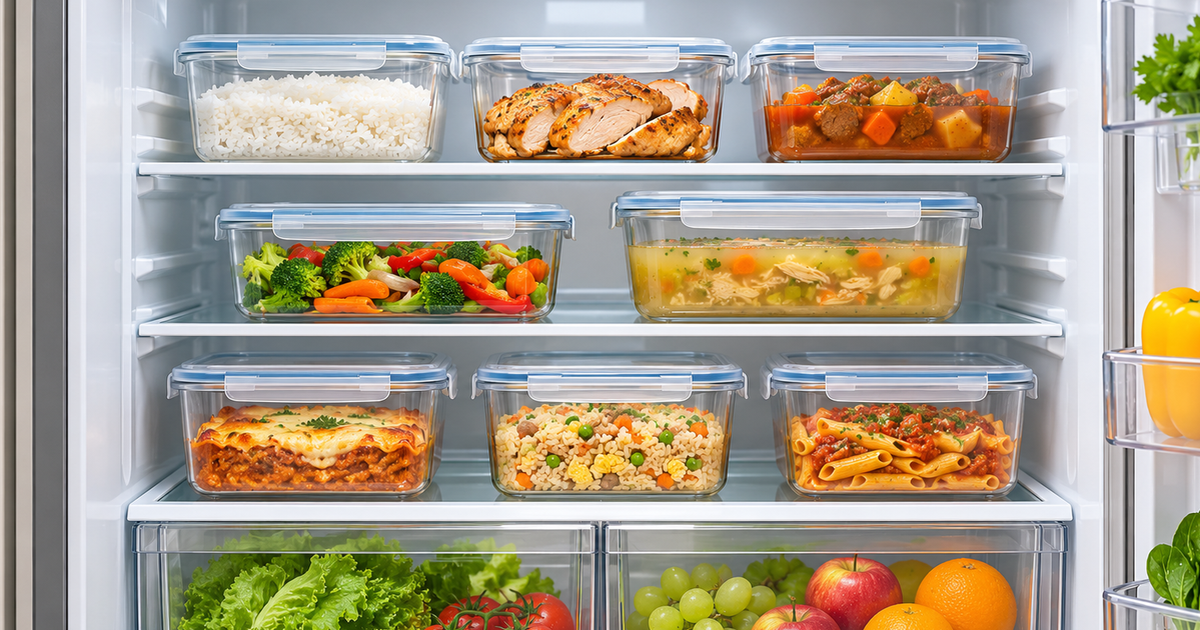
Furthermore, certain pathogens, such as Bacillus cereus, are particularly problematic in common household staples like rice. Bacillus cereus produces heat-resistant spores that can survive the initial cooking process. If cooked rice is left at room temperature for too long, these spores germinate and produce toxins that are often heat-stable, meaning they cannot be destroyed simply by reheating the food. This creates a scenario where the food might look and smell perfectly normal, yet it carries the potential to cause severe gastrointestinal distress.
Chronology of Safe Storage: A Best-Practice Timeline
To maintain optimal food safety, households should adopt a rigorous protocol regarding the management of prepared meals:
- The Two-Hour Rule: Never leave perishable cooked food at room temperature for more than two hours. If the ambient temperature is above 32°C (90°F), this window shrinks to just one hour.
- Rapid Cooling: Large portions of food, such as stews or large roasts, should be divided into smaller, shallow containers before being placed in the refrigerator. This allows the cold air to circulate more effectively, ensuring the center of the food cools quickly.
- The 24-48 Hour Preference: While industry standards allow for three to four days, nutritionists and food safety experts emphasize that the risk of contamination increases with every hour the food remains in the refrigerator. Prioritizing consumption within 24 to 48 hours is the most effective way to avoid exposure to spoilage organisms.
- Reheating Protocols: When reheating, the internal temperature of the food must reach at least 74°C (165°F). This ensures that even if minor microbial growth occurred, the pathogens are neutralized. However, one must remember that reheating is not a "cure-all" for improperly stored or spoiled food.
The Myth of Sensory Inspection
One of the most dangerous habits among home cooks is relying on the "sniff test" or visual inspection to determine if leftovers are still safe to eat. Pathogenic bacteria, which cause the most severe illnesses, do not typically produce the sour smells, mold, or slime associated with spoilage.
Food can be heavily contaminated with harmful pathogens while still appearing and smelling fresh. Relying on sensory cues creates a false sense of security that has led to countless cases of preventable food poisoning. The only reliable metric for safety is time and temperature history. If you cannot recall exactly when the food was prepared or how long it sat on the counter before being refrigerated, the safest course of action is to discard it.
Broader Public Health Implications
The rise of meal prepping, while beneficial for budget management and dietary control, necessitates a higher level of kitchen literacy. Public health data suggests that a significant portion of foodborne illnesses originates in the home rather than in commercial settings.
The economic and health implications are significant. Beyond the immediate physical symptoms of food poisoning—such as nausea, vomiting, and diarrhea—there is the potential for long-term health consequences, particularly for vulnerable populations like the elderly, young children, and those with compromised immune systems. In these groups, a minor case of food poisoning can escalate into a systemic infection or dehydration requiring hospitalization.
Expert Recommendations for the Modern Household
Nutritionists and food safety authorities offer a unified message: simplicity and speed are the best defenses against foodborne illness.
- Cook for the Moment: Whenever possible, prepare only the amount of food that can be consumed within a single day.
- Labeling: Adopt a practice of labeling containers with the date of preparation. This removes the guesswork and helps maintain a "first-in, first-out" system within the refrigerator.
- Cross-Contamination Awareness: Ensure that raw ingredients are stored separately from cooked items. Even in the refrigerator, juices from raw meat can drip onto cooked leftovers, introducing new bacterial colonies that the cooking process had already eliminated.
- The Freezer Option: If it is impossible to consume the food within 48 hours, freezing is a far superior method of preservation. Freezing stops bacterial growth entirely, allowing for much longer storage durations without the degradation of safety.
Conclusion: A Paradigm Shift in Kitchen Habits
The convenience of having pre-cooked meals ready to consume is a luxury of modern life, but it comes with the responsibility of rigorous food hygiene. As we move toward a lifestyle that emphasizes efficiency, we must not let our standards for safety slip.
The evidence is clear: the three-to-four-day window is a maximum threshold for professional-grade storage conditions, not a standard for the average domestic refrigerator. By shifting our focus toward consuming food within 48 hours, practicing rapid cooling, and abandoning the reliance on sensory inspection, we can significantly reduce the risks associated with food storage. Ultimately, the health of our households depends on the discipline we exercise when we close the refrigerator door. Moving forward, the emphasis should remain on fresh preparation, proper temperature control, and a disciplined approach to managing the lifecycle of every meal we cook.