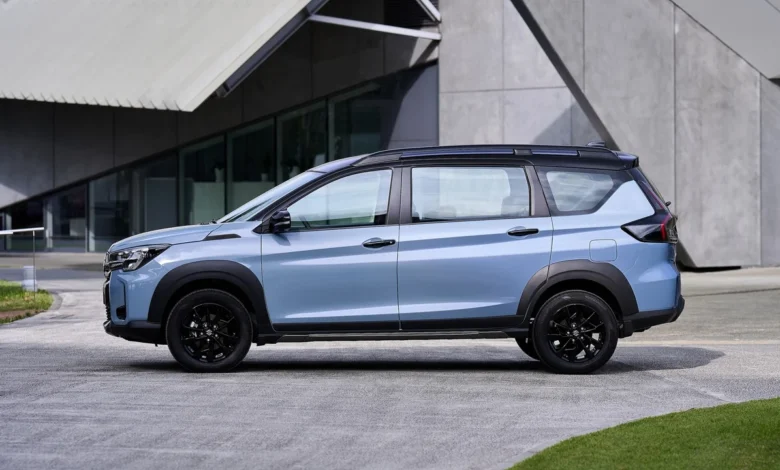
The Vietnamese automotive market is undergoing a structural shift that would have seemed improbable just a few years ago. For the first ten months of 2026, cumulative sales figures for small, petrol-powered multi-purpose vehicles (MPVs) reached 29,462 units, registering a notable decline of 12% compared to the same period in the previous year. This drop is not merely a seasonal blip or a temporary market correction; rather, it reflects a deepening downward trend driven by technological evolution, changing consumer priorities, and the aggressive expansion of the electric vehicle (EV) sector.
For years, small MPVs served as the undisputed workhorses of Vietnam’s bustling urban centers, prized by families and commercial transport operators alike for their versatility, spacious seating configurations, and relatively accessible price points. However, as battery-powered alternatives capture the imagination—and purchasing power—of the local market, the traditional combustion-engine MPV is facing unprecedented headwinds. Industry insiders and automotive analysts suggest that the ongoing contraction marks a definitive turning point in how Vietnamese consumers approach mobility, utility, and operating costs.
A Multi-Year Decline Signalling Market Saturation
To fully grasp the magnitude of the current downturn, one must examine the trajectory of the small MPV segment over recent years. The cooling of consumer demand for petrol-powered multi-purpose vehicles did not happen overnight; it has been a gradual, compounding process that began to manifest clearly shortly before the widespread commercialization of electric passenger vehicles in Vietnam.
At the conclusion of 2024, the segment experienced a modest contraction, with total sales sliding by 2% compared to 2023. While a 2% decline raised few alarms in a market accustomed to volatility, the downward momentum accelerated the following year. By the end of 2025, annual sales contracted by 4% relative to the previous year.
However, the figures recorded through the first ten months of 2026 demonstrate a severe escalation in this trend. Instead of hovering in the low single digits, the year-on-year decline has widened to more than 10%. This acceleration indicates that the market is not merely maturing—it is actively retreating as buyers pivot toward alternative powertrains that promise superior economic efficiencies.
Divergent Fortunes Among Market Players
Despite the overarching contraction, performance across individual nameplates has varied significantly, highlighting a fiercely competitive landscape where brand loyalty, strategic discounting, and product refreshes dictate survival.
Mitsubishi Xpander continues to wear the crown as the undisputed volume leader of the segment, maintaining a substantial gap between itself and its trailing competitors. Nevertheless, the Japanese MPV icon has not been immune to the broader market chill. During the first ten months of 2026, Xpander sales plunged by more than 26% compared to the corresponding period in 2025. While it still commands the highest volume in showrooms, its inability to maintain historical sales volumes underscores the severity of the segment-wide contraction.
Conversely, the Toyota Veloz Cross has emerged as an outlier, bucking the downward trend with an impressive sales increase of approximately 23% over the same timeframe. Industry observers attribute the Veloz Cross’s resilience to aggressive, consistent promotional campaigns and structured financial incentives maintained by Toyota and its dealership network on a monthly basis, which have successfully sustained consumer interest in an otherwise sluggish market.
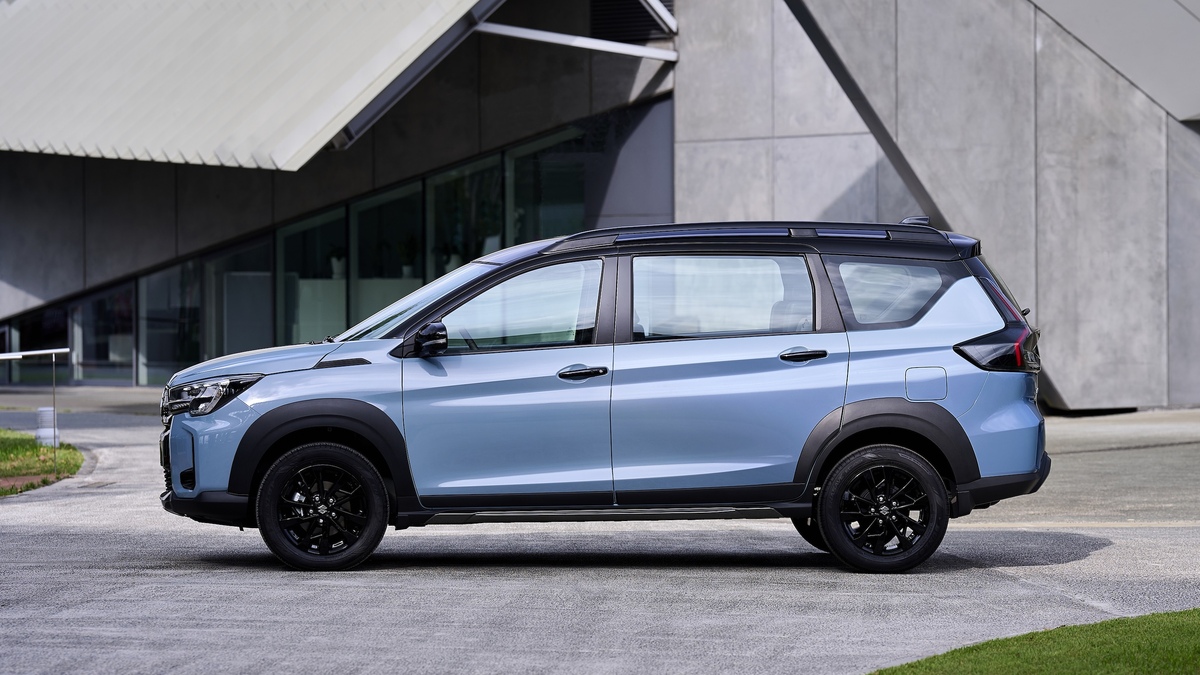
Other notable movements within the segment involve the Kia Carens and the Hyundai Stargazer. The Kia Carens saw its sales climb by 25.4% following strategic portfolio adjustments by local assembler Thaco, which streamlined trim levels and introduced a comprehensive product upgrade late in September. This late-year refresh injected much-needed momentum into the model’s sales figures. Meanwhile, the Hyundai Stargazer posted a modest 2.9% year-on-year increase. While it outperformed its performance from the previous year, its overall market scale remains diminutive compared to the towering presence of segment heavyweights like the Xpander.
At the lower end of the volume spectrum, models such as the Honda BR-V, Suzuki XL7, and Toyota Avanza continue to struggle for traction, anchoring the bottom of the sales charts. The Toyota Avanza, for instance, managed to sell slightly more than 500 units over the ten-month period, reflecting severely constrained market penetration.
The Rise of Electric Mobility and Commercial Realities
The primary catalyst behind the prolonged slump in the petrol-powered small MPV market is the rapid acceleration of the electric vehicle transition, particularly within the commercial transport and ride-hailing sectors. Fleet operators and individual drivers—historically the lifeblood of the small MPV segment—are increasingly turning their backs on internal combustion engines in favor of electric alternatives.
For commercial operators running high daily mileages, operating expenses dictate profitability. Electric vehicles offer substantially lower energy costs per kilometer when compared to traditional petrol-powered vehicles, coupled with significantly reduced maintenance requirements due to fewer moving parts. Furthermore, government incentives, such as the 0% registration fee applied to electric vehicles, combined with the rapid expansion of nationwide public charging infrastructure, have lowered the psychological and financial barriers to adoption.
As a result, ride-hailing drivers and logistics micro-enterprises, who once viewed models like the Xpander as the ultimate cost-effective investment, are finding that electric vehicles provide a superior return on investment over their operational lifecycles.
Economic Implications and Future Outlook
The shifting tides within Vietnam’s small MPV segment carry profound implications for automotive manufacturers, dealerships, and policymakers. For legacy brands reliant heavily on internal combustion engine portfolios, the contraction serves as a stark warning. Automakers may be forced to accelerate their own electrification strategies in the region or risk losing substantial market share to pure-play EV competitors.
For dealerships, the environment demands more aggressive discounting, bundled service packages, and innovative financing solutions just to clear inventory lots of petrol-powered units. Meanwhile, consumers stand to benefit from heightened competition, though the long-term resale value of traditional petrol MPVs may face downward pressure as the secondary market absorbs the shift toward electrification.
Ultimately, the 12% sales drop recorded in the first ten months of 2026 is emblematic of a broader technological and consumer transition. As infrastructure matures and economic realities favor low-emission alternatives, the era of unquestioned dominance by petrol-powered small MPVs in Vietnam is drawing to a close, paving the way for a redefined automotive landscape.