Low-Cost Car Imports From Indonesia Surge Into Vietnam Amid Growing Competition With Chinese Vehicles

The Vietnamese automotive market has reached a significant milestone in the first half of 2026, as the volume of imported completely built-up (CBU) units continues to climb, setting new records for the industry. According to the latest data from the General Department of Vietnam Customs, under the Ministry of Finance, the country welcomed nearly 121,200 imported vehicles in the first six months of the year, a surge driven primarily by affordable models originating from Indonesia. This influx of Indonesian vehicles is reshaping the competitive landscape, posing a direct challenge to the growing presence of Chinese automotive brands while simultaneously outpacing the growth of the domestic assembly sector.
During June 2026 alone, Vietnam imported 25,609 CBU vehicles with a total value of approximately 579 million USD. This represents a 7.9% increase in volume and a 5.8% increase in value compared to May 2025. This month marks the second consecutive period of growth for car imports, reaching the highest monthly volume recorded since the beginning of 2026. By the end of June, the cumulative expenditure for car imports exceeded 2.872 billion USD, reflecting an 18% increase in quantity and a 28.9% increase in total value compared to the same period in the previous year.
The Dominance of Indonesian Manufacturing
Indonesia has firmly established itself as the primary source of affordable automobiles for the Vietnamese market. In June 2026, Vietnamese distributors imported 11,608 vehicles from Indonesia, valued at over 163 million USD. This volume accounts for nearly 50% of the total cars imported into Vietnam during the month. The popularity of Indonesian imports is largely attributed to their competitive pricing, with most models falling within the 400 million to 800 million VND price range.
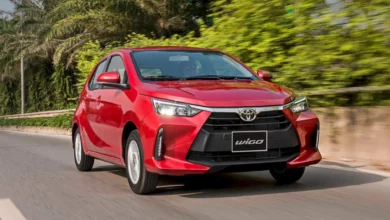
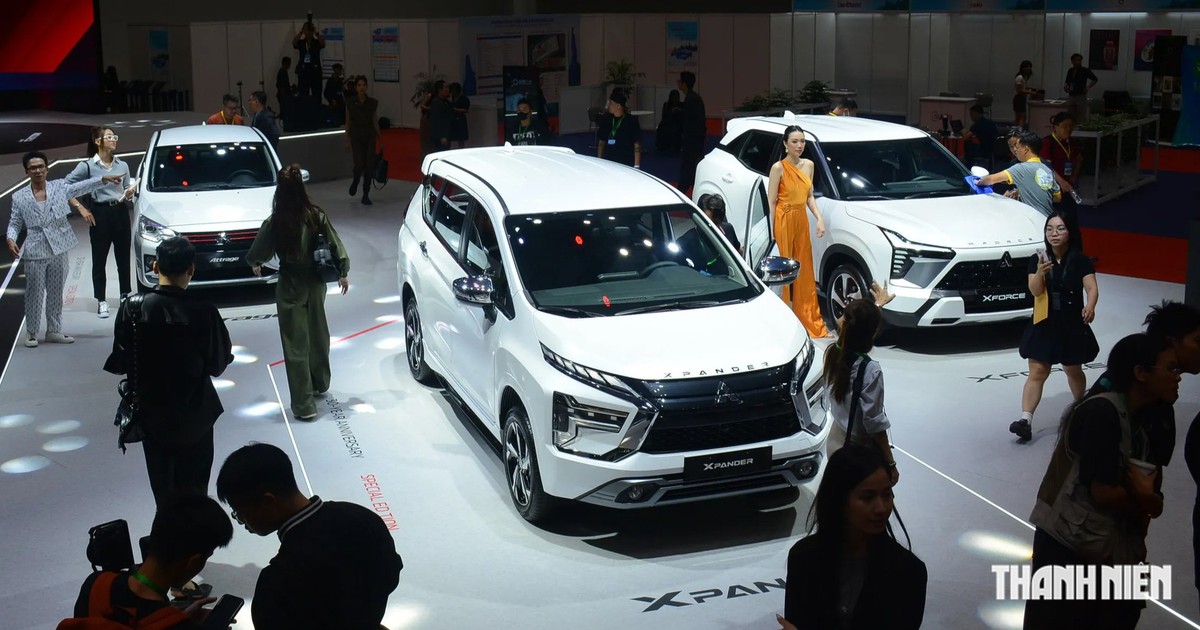
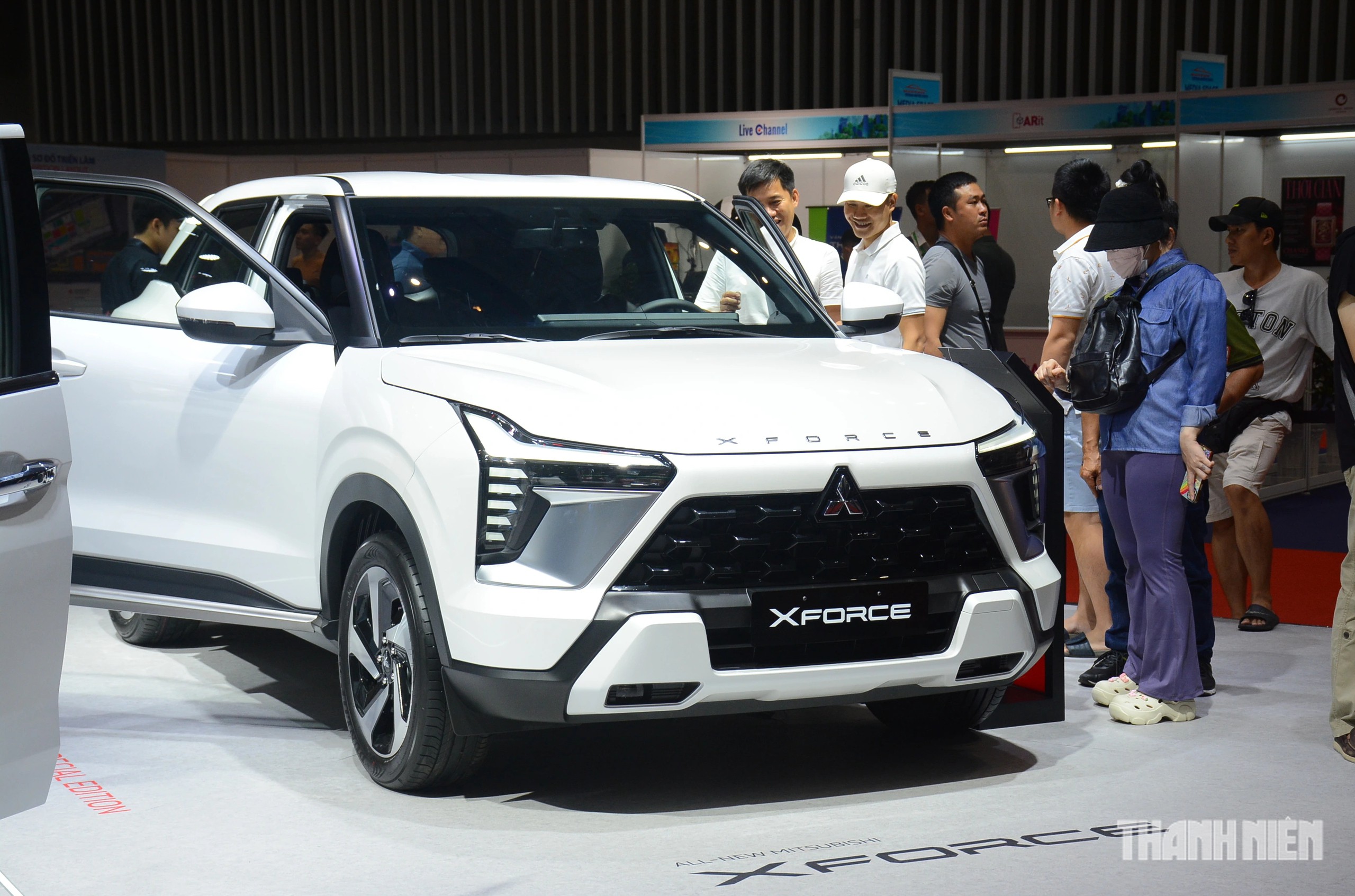
These vehicles predominantly occupy high-demand segments, including affordable 7-seater Multi-Purpose Vehicles (MPVs), B-segment Crossovers, and A-segment city cars. Notable models that have transitioned to or maintained their import status from Indonesia include the Mitsubishi Xpander, Toyota Yaris Cross, and Toyota Innova Cross. Furthermore, new market entrants such as the Mitsubishi Destinator and Suzuki Fronx have further bolstered Indonesia’s market share. The ability of these manufacturers to meet the 0% import tax requirements under the ASEAN Trade in Goods Agreement (ATIGA) has provided them with a significant pricing advantage over non-ASEAN competitors.
Thailand and China: A Tale of Volume vs. Value
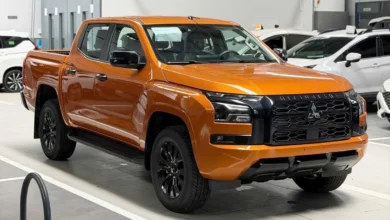
While Indonesia leads in volume, Thailand remains a formidable second-place contender. In June 2026, Thailand exported 7,186 vehicles to Vietnam, an increase of nearly 1,300 units from the previous month, with a total import value of 155.3 million USD. Thai-made vehicles are often perceived by Vietnamese consumers as having a higher build quality, particularly in the pickup truck and sedan segments, which continues to sustain their market presence despite the aggressive pricing from Indonesia.
In contrast, the Chinese automotive sector presents a unique dynamic in the Vietnamese market. China exported 5,699 vehicles to Vietnam in June 2026, a slight increase of 266 units from May. However, the import value of these Chinese vehicles reached a staggering 213.3 million USD—the highest among all exporting nations. This high valuation is explained by the composition of Chinese imports, which includes a significant proportion of heavy-duty trucks, specialized commercial vehicles, and an increasing number of high-end luxury passenger cars and electric vehicles (EVs).
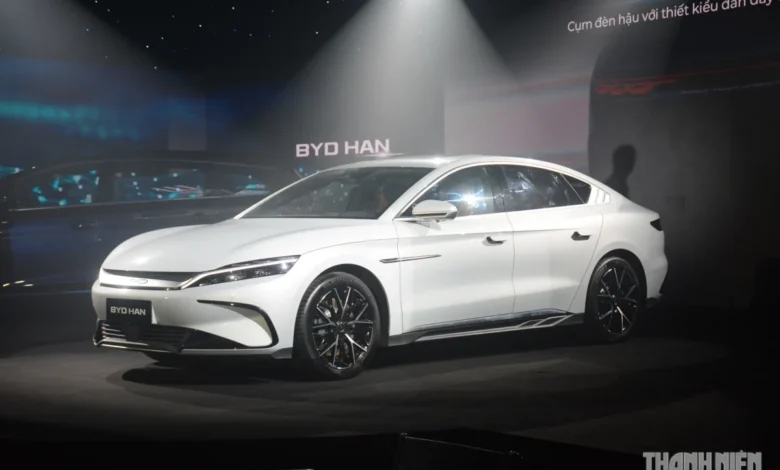
Brands such as Lynk & Co and BYD have introduced premium models like the Lynk & Co 09 and the BYD HAN, which command much higher price points than the budget-friendly options from Indonesia. This strategy indicates a dual approach from Chinese manufacturers: dominating the commercial logistics sector while simultaneously attempting to capture the nascent luxury EV market in Vietnam.
Divergent Growth: Imports vs. Domestic Assembly
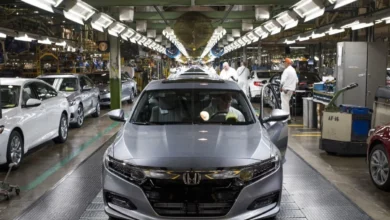
The surge in CBU imports highlights a growing disparity between imported vehicles and those assembled locally (CKD). Data from the Vietnam Automobile Manufacturers’ Association (VAMA) indicates that in the first half of 2026, the sales of imported cars reached 105,341 units, a 23% increase year-on-year. In comparison, the domestic assembly sector (excluding VinFast and Hyundai) saw sales of only 82,492 units, a modest growth of just 7%.
This trend suggests that Vietnamese consumers are increasingly favoring imported models, which often offer more diverse features, updated designs, and competitive pricing due to regional tax incentives. The rapid diversification of the market has put immense pressure on domestic manufacturers to modernize their assembly lines and reduce production costs to remain relevant.

Chronology of the 2026 Import Surge
The record-breaking figures of June 2026 are the result of a steady climb that began in the first quarter of the year.
- January – February 2026: The market saw a traditional slowdown following the Lunar New Year, but importers began placing large orders in anticipation of a mid-year demand spike.
- March – April 2026: A wave of new model launches, particularly from Japanese and Chinese brands, began to arrive at Vietnamese ports. This period saw a significant increase in promotional activities and "price wars" among distributors.
- May 2026: Import volumes began to accelerate as the economy showed signs of robust recovery, and consumer confidence in the automotive sector strengthened.
- June 2026: The market hit its peak with 25,609 units, driven by the realization of large shipments from Indonesia and Thailand to meet the summer buying season.
Strategic Implications and Market Analysis
The current state of the Vietnamese auto market reflects a broader shift in regional trade dynamics. The heavy reliance on Indonesian imports suggests that Vietnam is becoming a key destination for the surplus production of ASEAN manufacturing hubs. Industry analysts suggest that if this trend continues, the Vietnamese government may face pressure to introduce new policies to protect the domestic automotive industry, which is a cornerstone of the country’s industrialization goals.
The high value of Chinese imports also points to a critical dependence on Chinese technology for Vietnam’s industrial and logistics sectors. As Vietnam continues to invest in infrastructure and construction, the demand for Chinese-made trucks and heavy machinery is expected to remain high. However, the entry of Chinese luxury EVs into the consumer market will test the loyalty of Vietnamese buyers who have traditionally favored Japanese and European brands.
The Role of Parts and Components
While CBU imports are making headlines, the domestic assembly industry is not entirely stagnant. In June 2026, Vietnamese automakers spent 663 million USD on importing parts and components for local production. Although this was a 2.1% decrease from May, the cumulative total for the first half of 2026 reached over 3.81 billion USD—a significant 44.4% increase compared to the same period in 2025.
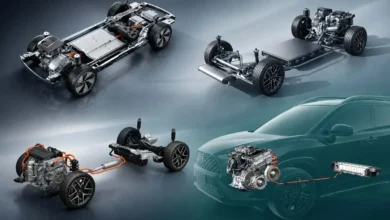
This massive spike in component imports suggests that while domestic sales growth is slower than that of CBU units, local manufacturers are preparing for a long-term production ramp-up. It also indicates a shift toward more complex assembly processes, potentially involving more advanced vehicle technologies and electric powertrains.
Infrastructure and Consumer Sentiment
The influx of nearly 121,200 cars in six months has also raised concerns regarding urban infrastructure. Major cities like Hanoi and Ho Chi Minh City are already grappling with severe traffic congestion. The rapid increase in vehicle density, fueled by the availability of low-cost imports, will likely necessitate accelerated investment in road networks and parking facilities.
From a consumer perspective, the availability of affordable Indonesian cars has democratized car ownership in Vietnam. Middle-income families who previously found car ownership out of reach are now able to afford versatile vehicles like the Mitsubishi Xpander or Toyota Veloz. This shift is driving a "utility-first" mindset, where buyers prioritize space, fuel efficiency, and resale value over brand prestige.
Future Outlook: A Competitive Horizon
Looking toward the second half of 2026, the competition is expected to intensify. Chinese brands are likely to ramp up their marketing efforts to counter the Indonesian surge, potentially introducing more aggressive financing options and extended warranties. Meanwhile, domestic assemblers may look toward government support, such as potential extensions of registration fee reductions, to stimulate sales of locally-made cars.
The Vietnamese automotive market is currently at a crossroads. The record-breaking import levels of H1 2026 serve as a testament to the country’s growing economic vitality and the evolving preferences of its consumers. Whether the market continues to be dominated by regional imports or sees a resurgence in domestic manufacturing will depend on how stakeholders navigate the complex intersection of trade policy, consumer demand, and technological innovation.
In summary, the first half of 2026 has redefined the "new normal" for the Vietnamese auto industry. With Indonesia leading the charge in volume and China asserting its dominance in value, the market has become a vibrant, albeit crowded, arena for global automotive players. As the year progresses, all eyes will be on how these dynamics influence the long-term structure of Vietnam’s transport landscape and its industrial ambitions.