Distinguishing Between Medicinal Wedelia Chinensis and Ornamental Varieties to Ensure Safety in Traditional Vietnamese Medicine

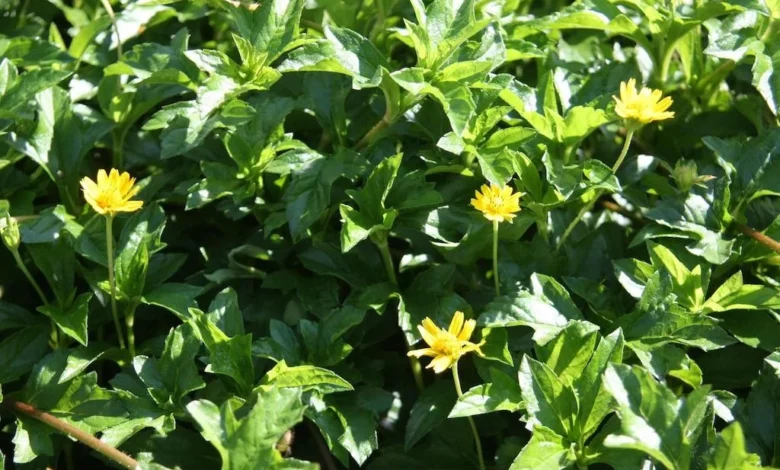
The integration of traditional herbal remedies into modern daily life has led to a significant resurgence in the cultivation of medicinal plants within urban environments across Vietnam. However, this trend has brought about a critical challenge: the potential for botanical confusion between look-alike species that possess vastly different properties. Dr. Ngô Đức Phương, Director of the Institute of Southern Medicinal Science, has recently issued a detailed advisory regarding "Sài đất" (Wedelia chinensis), a staple of Vietnamese traditional medicine, and its common ornamental counterpart, "Sài đất Thái" (Sphagneticola trilobata). While both plants feature vibrant yellow flowers and similar growth patterns, their chemical compositions and intended uses are distinct, making accurate identification a matter of both therapeutic efficacy and consumer safety.
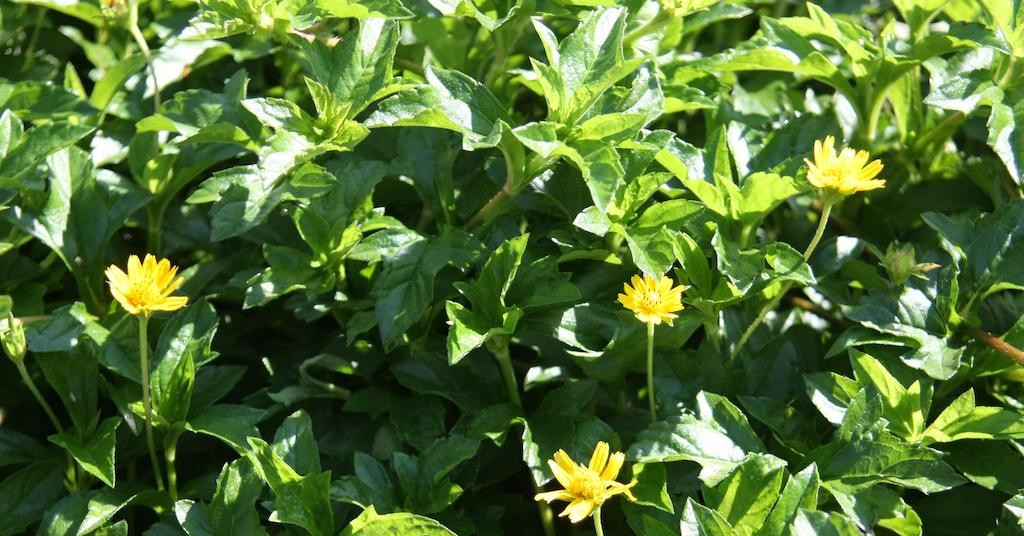
In the landscape of Vietnamese ethnobotany, Sài đất (historically classified in various documents as Wedelia chinensis, Wedelia calendulacea, or W. calendulacea var. chinensis) has been revered for centuries. It is a perennial herb deeply embedded in the country’s medical heritage, used primarily for its "cooling" properties. In contrast, the variety known as Sài đất Thái (Sphagneticola trilobata, formerly Wedelia trilobata) has become a ubiquitous sight in urban parks, residential flower beds, and highway dividers. Due to its hardiness and rapid growth, it is favored by landscape architects for ground cover. Dr. Phương notes that the physical similarities between the two have led many urban dwellers to mistakenly harvest the ornamental variety for medicinal purposes, a practice that lacks scientific validation and could lead to unforeseen health outcomes.
The distinction between these two species begins with a close examination of their morphology. According to Dr. Phương, the genuine medicinal Sài đất (Wedelia chinensis) typically exhibits a more delicate structure. Its stems are soft, relatively thin, and predominantly green, tending to crawl close to the ground. The leaves are elongated (lanceolate) and notably lack the deep indentations or "lobes" found in other varieties. The flowers of the medicinal species are also smaller and more modest in appearance. On the other hand, Sài đất Thái (Sphagneticola trilobata) is characterized by its robust vitality. Its stems are thicker, often displaying a distinct purple or reddish hue. The leaves are larger, thicker, and usually divided into three clear lobes at the tip, which is a primary identifying feature. The flowers of the Thai variety are larger and more visually striking, which explains its popularity in the horticultural trade.
The importance of this distinction is rooted in the specific pharmacological profile of Wedelia chinensis. Traditional Vietnamese Medicine (VTM) classifies this herb as having a sweet, slightly sour taste and a "cool" nature. It is traditionally prescribed to "clear heat," detoxify the blood, and reduce inflammation. For generations, Vietnamese families have relied on Sài đất to treat a variety of common ailments, particularly those affecting the skin. It is a standard remedy for boils, heat rash (miliaria), and itchy skin eruptions. During the sweltering summer months, it is common practice for parents to boil the leaves to create a medicinal bath for infants and children to soothe heat-related skin irritation. Beyond topical applications, the plant is also used internally to treat mild fevers and sore throats.
Modern scientific inquiry has begun to validate these traditional uses by identifying the complex chemical constituents within Wedelia chinensis. Research indicates that the plant is rich in flavonoids, coumestans, diterpenoids, and various phenolic compounds. Among these, the compound wedelolactone has garnered significant interest in laboratory settings. Studies have suggested that wedelolactone possesses potent anti-inflammatory, antioxidant, and hepatoprotective (liver-protecting) qualities. Some experimental models even indicate potential antibacterial activity against certain strains of pathogens. Because the vast majority of pharmacological research in Vietnam has focused specifically on Wedelia chinensis, Dr. Phương emphasizes that there is no scientific basis for substituting it with Sài đất Thái. The ornamental variety has not undergone the same level of rigorous clinical or traditional scrutiny regarding its safety or efficacy for internal consumption.
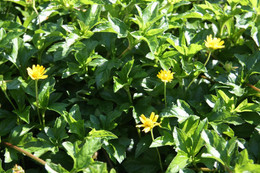
The rise of urban gardening and the "return to nature" movement has inadvertently increased the risks associated with wild-harvesting or home-growing medicinal herbs. Dr. Phương warns that even if an individual correctly identifies Wedelia chinensis, the environment in which it grows is a critical factor. Because Sài đất grows low to the ground, it is highly susceptible to environmental pollutants. Plants harvested from urban roadsides, near industrial zones, or in areas where wastewater runoff is prevalent may accumulate heavy metals or harmful bacteria. Furthermore, the common practice of using chemical pesticides and herbicides in public parks and residential gardens poses a direct threat. If a plant has been recently treated with agricultural chemicals, its medicinal value is negated by the risk of chemical poisoning. Therefore, experts recommend that medicinal herbs only be sourced from controlled environments or reputable suppliers who can guarantee the purity of the soil and water used during cultivation.
The confusion between Sài đất varieties is emblematic of a broader issue in the herbal medicine sector: the need for standardized botanical education for the public. As more people seek alternatives to synthetic pharmaceuticals, the demand for traditional herbs has spiked. This has led to the emergence of other popular "wild" remedies that require careful identification. For instance, "Ý dĩ" (Job’s tears) is frequently sought after not just as a food source but as a potent remedy for diabetes and inflammatory arthritis. Similarly, "Cây cối xay" (Abutilon indicum) is a common roadside plant used in folk medicine to treat tinnitus, hearing loss, and urinary tract infections due to its diuretic and anti-inflammatory properties. Another example is "Cây xấu hổ" (Mimosa pudica), the sensitive plant, which has a long history in VTM for alleviating joint pain, backaches, and limb numbness.
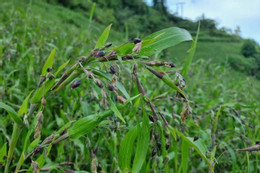
The common thread among these plants—Sài đất, Ý dĩ, Cây cối xay, and Cây xấu hổ—is their status as "wild" or "weed" species that possess significant therapeutic potential. However, the transition from a wild plant to a safe medicine requires a bridge of scientific knowledge and quality control. The broader implications of Dr. Phương’s warning extend to the preservation of indigenous medical knowledge. If the public loses the ability to distinguish between a healing herb and a decorative plant, the efficacy of traditional treatments is compromised, which can lead to a decline in trust in herbal medicine altogether.
From a regulatory and developmental perspective, the situation underscores the necessity for clearer labeling and specialized nurseries for medicinal plants. While urban landscaping benefits from the aesthetic appeal and resilience of Sphagneticola trilobata, public health authorities may need to implement educational campaigns to ensure citizens do not ingest landscaping plants. In many countries, the introduction of non-native species for ornamental purposes has led to ecological imbalances; in the case of Sài đất Thái, the primary concern remains the human health risk posed by botanical misidentification.
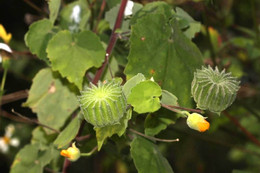
As Vietnam continues to modernize, the role of the Institute of Southern Medicinal Science and similar organizations becomes increasingly vital. They serve as the guardians of botanical accuracy, ensuring that the ancient wisdom of the Vietnamese people is supported by contemporary scientific standards. The chronology of herbal use in Vietnam is shifting from a purely oral tradition to one backed by laboratory analysis and clinical trials. This evolution ensures that plants like Wedelia chinensis remain a viable part of the national healthcare system.
In conclusion, while the yellow blossoms of the Sài đất family may brighten city streets and garden patches, they carry different biological legacies. Wedelia chinensis remains a cornerstone of the Vietnamese pharmacopoeia, offering a natural solution for inflammation and detoxification, provided it is grown in clean soil and identified correctly. The ornamental Sài đất Thái, while beautiful and robust, should remain confined to its role as a landscape enhancer. Dr. Ngô Đức Phương’s guidance serves as a timely reminder that in the world of herbal medicine, appearance can be deceiving, and the cost of a mistake can be one’s health. For those looking to utilize the benefits of traditional herbs, the path forward involves a combination of respect for tradition, scientific vigilance, and an uncompromising commitment to botanical purity. As the rainy season approaches and these plants begin to carpet the ground in green and gold, the public is urged to look closer at the stems and leaves before harvesting, ensuring that what they bring into their homes is truly the medicine they seek.