The Biological Imperative of Sleep and Why Medical Experts Recommend Sleeping Before 11 PM Daily


In the fast-paced landscape of the 21st century, the boundary between day and night has become increasingly blurred, leading to a global epidemic of sleep deprivation. As professional demands, digital entertainment, and social connectivity extend deep into the night, the traditional habit of retiring early has been replaced by a culture of "revenge bedtime procrastination." However, medical experts are issuing an urgent clarion call: the timing of sleep is just as critical as its duration. According to Specialist Level 1 Doctor Le Thi Thuy Hang of the University Medical Center Ho Chi Minh City – Branch 3, aligning the body’s rest cycle with the natural circadian rhythm—specifically by ensuring sleep begins before 11:00 PM—is a non-negotiable requirement for long-term physiological and psychological health.
The medical community emphasizes that sleep is far from a passive state of inactivity. Instead, it is a highly complex, active physiological process essential for energy restoration, cellular regeneration, and the regulation of vital organ functions. When an individual consistently pushes their bedtime past the 11:00 PM threshold, they are not merely "losing rest"; they are systematically disrupting a delicate internal orchestration that has evolved over millennia.
The Dual Perspective: Traditional and Modern Medical Insights
The recommendation to sleep before 11:00 PM is uniquely supported by a consensus between ancient wisdom and cutting-edge contemporary science. This intersection provides a comprehensive understanding of why the late-night hours are so detrimental to human health.
The Traditional Chinese Medicine (TCM) Organ Clock
According to traditional Eastern medical philosophy, the body operates on a "Zang-Fu" organ clock, where specific meridians and organs undergo peak activity and detoxification at designated two-hour intervals. The window between 11:00 PM and 1:00 AM is governed by the Gallbladder (Dan), while the period from 1:00 AM to 3:00 AM is the domain of the Liver (Can).

In TCM, the Liver is responsible for "storing blood" and ensuring the smooth flow of "Qi" (vital energy). It is during these deep-night hours that the body is believed to cleanse the blood and repair internal tissues. Dr. Thuy Hang notes that staying awake during this window prevents the Liver and Gallbladder from performing these essential functions, leading to a deficiency in "Yin" energy and a depletion of "Can" blood. The result is a systemic imbalance that manifests as chronic fatigue, irritability, and a weakened constitution.
The Modern Biological Perspective: Circadian Rhythms and Hormones
Modern medicine views this through the lens of the circadian rhythm—the internal 24-hour clock that regulates the sleep-wake cycle. This rhythm is primarily controlled by the suprachiasmatic nucleus (SCN) in the brain, which responds to light and dark signals. As darkness falls, the pineal gland begins to secrete melatonin, the hormone responsible for signaling the body to prepare for sleep.
The surge of melatonin typically peaks between 11:00 PM and 2:00 AM. By staying awake during this peak, individuals counteract the hormone’s natural effects, often leading to a "second wind" driven by cortisol—the stress hormone. This hormonal misalignment creates a state of physiological stress, forcing the heart and metabolic systems to work harder when they should be recovering.
The Physiological Consequences of Late-Night Habits
The impact of missing the 11:00 PM sleep window extends to every major system in the human body. Research indicates that the damage is cumulative, often remaining asymptomatic for years before manifesting as chronic disease.
Cardiovascular Health and Hypertension
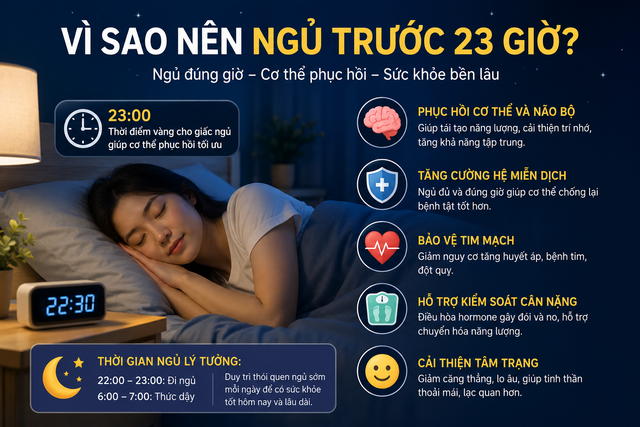
The cardiovascular system relies on sleep to lower blood pressure and reduce the heart rate, a process known as "dipping." Consistent late-night activity prevents this natural downregulation. Studies have shown that individuals who habitually sleep after midnight have a significantly higher risk of developing hypertension and atherosclerosis. The persistent elevation of stress hormones like adrenaline and cortisol during late hours puts undue strain on the arterial walls, increasing the long-term risk of heart attacks and strokes.

Metabolic Dysfunction and Obesity
There is a profound link between sleep timing and metabolic health. Sleep deprivation disrupts the balance of two key hunger hormones: leptin (which signals fullness) and ghrelin (which signals hunger). When we stay up late, ghrelin levels rise while leptin levels plummet, leading to late-night cravings for high-calorie, carbohydrate-rich foods.
Furthermore, sleeping late interferes with insulin sensitivity and glucose metabolism. Data from the World Health Organization (WHO) and various endocrine studies suggest that chronic "night owls" are at a significantly higher risk for Type 2 diabetes and metabolic syndrome. The body’s ability to process blood sugar is most efficient during the early hours of the night; by delaying sleep, we force the pancreas to operate under suboptimal conditions.
The Glymphatic System: Cleaning the Brain
One of the most significant discoveries in recent neuroscience is the "glymphatic system," a waste-clearance pathway that becomes ten times more active during deep sleep. This system flushes out neurotoxic waste products, including beta-amyloid, which is associated with Alzheimer’s disease. This "brain washing" process is most effective during the deep NREM (non-rapid eye movement) sleep stages that typically occur in the first half of the night. By delaying sleep until 1:00 AM or 2:00 AM, individuals effectively truncate this vital cleaning process, potentially increasing their risk of neurodegenerative decline.
Psychological Impact and Cognitive Performance
The brain’s prefrontal cortex, responsible for executive function, emotional regulation, and decision-making, is the first area to suffer from late-night habits. Dr. Thuy Hang points out that the symptoms of sleep deprivation are often misdiagnosed as primary mental health issues or simple "stress."
- Cognitive Decline: Lack of sleep before 11:00 PM leads to impaired concentration, reduced short-term memory capacity, and slower reaction times. For students and professionals, this results in a paradox: staying up late to work or study actually decreases the quality of the output and the ability to retain information.
- Emotional Instability: The amygdala, the brain’s emotional center, becomes hyper-reactive when sleep-deprived. This leads to increased anxiety, irritability, and a decreased ability to handle daily stressors. Over time, this can evolve into clinical depression or chronic anxiety disorders.
- The "Brain Fog" Phenomenon: Many individuals who sleep late report a persistent sense of "fogginess" the following day. This is a direct result of the brain’s inability to complete its restorative cycles, leading to sub-optimal neural firing and connectivity.
Recognizing the Warning Signs
Dr. Thuy Hang identifies several key "red flags" that indicate the body is suffering from a disrupted sleep-wake cycle. If these symptoms persist, they serve as a signal that the biological clock is in a state of distress:
- Difficulty falling asleep despite being exhausted (insomnia).
- Frequent waking during the night or "shallow" sleep.
- Persistent daytime lethargy and the need for excessive caffeine.
- Chronic headaches, dizziness, or a heavy sensation in the head upon waking.
- Visible dermatological changes, including dull skin tone, dark circles, and adult acne (often caused by hormonal imbalances).
- A noticeable decline in immune resilience, such as catching colds more frequently.
Expert Recommendations for a Scientific Sleep Routine
To reclaim health and stabilize the biological clock, medical experts recommend a structured approach to sleep hygiene. The goal is to transition the body into a state of restfulness well before the 11:00 PM deadline.
- The "Digital Sunset": Blue light from smartphones and tablets suppresses melatonin production. Experts advise turning off all electronic screens at least 60 minutes before bed.
- Environmental Optimization: The bedroom should be a sanctuary for sleep—cool, dark, and quiet. Even small amounts of light pollution can disrupt the depth of sleep.
- Dietary Awareness: Avoid caffeine and heavy meals after 6:00 PM. Caffeine has a half-life of about five to six hours, meaning a cup of coffee at 5:00 PM can still be stimulating the nervous system at 11:00 PM.
- Consistency is Key: The body thrives on routine. Going to bed and waking up at the same time every day, including weekends, helps "anchor" the circadian rhythm.
- Physical Activity: Regular exercise during the day promotes deeper NREM sleep at night. However, vigorous exercise should be avoided in the three hours immediately preceding bedtime as it raises core body temperature and adrenaline levels.
The Broader Impact: A Societal Necessity
The implications of sleep timing extend beyond individual health to the socio-economic sphere. Sleep deprivation is estimated to cost modern economies billions of dollars annually in lost productivity, workplace accidents, and increased healthcare expenditures. By prioritizing a "before 11:00 PM" sleep culture, society could see a significant reduction in the prevalence of lifestyle-related chronic diseases and mental health crises.
In conclusion, the advice provided by Dr. Le Thi Thuy Hang and the broader medical community is rooted in the fundamental laws of human biology. While modern life offers endless distractions, the human body remains tethered to an ancient internal clock. Sleeping before 11:00 PM is not a luxury or an outdated tradition; it is a vital pillar of health that supports the heart, the brain, and the immune system. As we move forward into an increasingly digital age, the most revolutionary act for one’s health may simply be turning off the lights and allowing the body to heal in the quiet hours of the night.