Extreme Heat and Torrential Downpours Batter Vietnam: National Weather Center Issues Urgent Warnings


The National Center for Hydro-Meteorological Forecasting has issued a stark warning of severe weather conditions across Vietnam, with intense heatwaves gripping the central and southern regions while the northern provinces brace for heavy rains and potential flooding. As of July 21, 2026, the nation is experiencing a volatile weather pattern characterized by record-breaking temperatures and the looming threat of significant rainfall, creating a dual threat to public safety and infrastructure.
Intensifying Heatwaves Scorching Central and Southern Vietnam
Central Vietnam is currently bearing the brunt of a significant heatwave, with provinces stretching from Quang Ngai to Dak Lak experiencing scorching temperatures. On July 21, these regions registered peak temperatures ranging from 36 to 39 degrees Celsius, with some localized areas even exceeding 39 degrees Celsius. The oppressive heat is further exacerbated by humidity levels reaching 45-50% during the nighttime, creating a dangerously stagnant and uncomfortable environment.
Looking ahead to July 22, the heatwave is expected to persist, albeit with a slight moderation in the highest temperatures. Provinces such as Quang Tri, Thua Thien Hue, Da Nang, and parts of the Central Highlands will continue to face intense heat, with maximum temperatures projected between 35-37 degrees Celsius, and isolated spots potentially reaching above 37 degrees Celsius. Humidity levels are forecast to increase slightly to 50-55% during the night.
The southern regions are also not spared from the extreme heat. On July 21, areas from the South Central Coast to the southern provinces endured intense and widespread heat, with some localities experiencing particularly severe conditions. Temperatures peaked at 36-39 degrees Celsius, with some areas recording temperatures above 39 degrees Celsius.
Forecasters predict that this intense heat will continue into July 22, with the southern provinces experiencing maximum temperatures between 33-36 degrees Celsius. However, the northern part of the South Central Coast may see slightly higher temperatures, ranging from 35-38 degrees Celsius, with some areas potentially reaching 38 degrees Celsius. Humidity levels in the South Central region are expected to remain high, ranging from 26-29% during the day, with some areas dipping as low as 26%.

Northern Vietnam Braces for Heavy Rainfall and Flood Risks
In stark contrast to the southern heat, northern Vietnam is facing the threat of heavy rainfall and potential flooding. The National Center for Hydro-Meteorological Forecasting has warned that the period from July 22 to July 25 will see a low-pressure system intensify, bringing widespread, torrential downpours to the western parts of the northern region. These rains are expected to be similar in intensity to those experienced previously, raising concerns about flash floods and landslides.
The capital city of Hanoi, specifically, is predicted to experience heavy rain throughout the day on July 21, with a possibility of localized downpours. Temperatures in Hanoi on July 21 are expected to range from a low of 33-36 degrees Celsius during the day to a high of 26-29 degrees Celsius in the evening. The forecast for July 21-22 indicates continued cloudiness and rain, with temperatures remaining relatively high, ranging from 26-29 degrees Celsius at night and 33-35 degrees Celsius during the day.
The broader Northern region, including the provinces of Bac Bo, is forecast to experience a mix of conditions. While generally cloudy, the day is expected to be hot, with localized intense heat in areas like Thanh Hoa. The afternoon and evening of July 21 are predicted to bring scattered showers and thunderstorms, with a possibility of gusty winds and lightning. The National Center for Hydro-Meteorological Forecasting has specifically warned that these thunderstorms could be accompanied by heavy rain, leading to flash floods and landslides, particularly in low-lying areas.
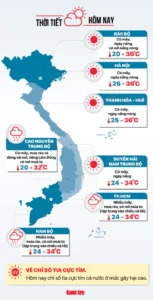
Detailed Weather Forecast for July 21, 2026, Across Vietnam
Hanoi:
The capital city is expected to experience cloudy skies with periods of sunshine, transitioning to hot and humid conditions. In the afternoon and evening, scattered showers and thunderstorms are anticipated, with the possibility of localized heavy downpours. The National Center for Hydro-Meteorological Forecasting has warned that these thunderstorms could be accompanied by strong gusts of wind, and in some instances, hail and lightning.
- Lowest Temperature: 27-29°C
- Highest Temperature: 34-36°C
Northern Mountains (Tây Bắc):
This region will see cloudy skies with sunshine, becoming hot during the day. Scattered showers and thunderstorms are forecast for the afternoon and evening, with some areas, particularly Sơn La and Phú Thọ, experiencing heavier rainfall and larger hailstones. The risk of flash floods, landslides, and strong gusty winds is elevated.

- Lowest Temperature: 24-27°C (19-22°C in the Tây Bắc highlands)
- Highest Temperature: 32-35°C (27-30°C in the Tây Bắc highlands)
Northern Delta (Đồng bằng Bắc Bộ):
The Northern Delta region is predicted to be cloudy with sunny spells, becoming hot. The province of Thanh Hoa is expected to experience particularly intense heat. Afternoon and evening showers and thunderstorms are likely, with the potential for heavy rain. The risk of flash floods and landslides remains a significant concern.
- Lowest Temperature: 26-29°C (with some areas as low as 26°C)
- Highest Temperature: 30-33°C (32-35°C in Thanh Hoa)
Thanh Hoa to Hue:
This central coastal stretch is set to endure a day of intense and widespread heat, with some localities experiencing exceptionally severe conditions. Afternoon and evening showers and thunderstorms are expected, bringing the possibility of heavy rainfall. Flash floods and strong gusty winds are a significant risk, with the National Center for Hydro-Meteorological Forecasting advising caution.
- Lowest Temperature: 27-30°C (27°C in southern areas)
- Highest Temperature: 35-38°C (with some areas exceeding 38°C)
South Central Coast (Duyên hải Nam Trung Bộ):
The South Central Coast will experience cloudy skies with scattered showers and thunderstorms, particularly in the morning. The day will be hot, with the northern part of the region anticipating intense and widespread heat, possibly reaching exceptionally high levels. The southern part of the region is expected to be slightly cooler.
- Lowest Temperature: 26-29°C
- Highest Temperature: Northern areas: 35-38°C (potentially exceeding 38°C); Southern areas: 33-36°C
Central Highlands (Tây Nguyên):
The Central Highlands will be cloudy with sunny spells, experiencing hot conditions. Afternoon and evening showers and thunderstorms are forecast. Flash floods and strong gusty winds are a risk in this region.
- Lowest Temperature: 20-23°C
- Highest Temperature: 29-32°C (potentially exceeding 32°C)
Southern Vietnam (Nam Bộ):
Southern Vietnam is expected to be cloudy with sunny spells and hot, humid conditions. The day will be characterized by periods of intense heat, with some localized areas experiencing particularly severe heat. Afternoon and evening showers and thunderstorms are anticipated. Flash floods and strong gusty winds are a concern.
- Lowest Temperature: 24-27°C
- Highest Temperature: 32-35°C
Ho Chi Minh City:
The bustling metropolis of Ho Chi Minh City will experience cloudy skies with sunny spells and hot, humid weather. The day will be marked by periods of intense heat. Afternoon and evening showers and thunderstorms are predicted, with the possibility of strong gusty winds.
- Lowest Temperature: 25-27°C
- Highest Temperature: 33-35°C
Background and Broader Context
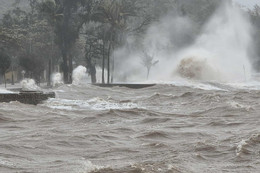
This volatile weather pattern is occurring against the backdrop of an anticipated strong El Niño event, which is projected to peak in late 2026 and continue into early 2027. El Niño is known for disrupting global weather patterns, often leading to more extreme and unpredictable conditions. In Vietnam, El Niño typically correlates with increased drought risks in the south and more intense rainfall and potential flooding in the north.
The concurrent occurrence of intense heatwaves and severe rainfall events highlights the complex and challenging climate conditions facing Vietnam. The National Center for Hydro-Meteorological Forecasting’s detailed advisories underscore the urgency for preparedness and response measures across the country.
Implications and Expert Analysis
The combination of extreme heat and heavy rainfall presents a multi-faceted threat. The heatwaves pose risks of heatstroke, dehydration, and increased strain on energy grids due to higher demand for cooling. Agricultural activities could be impacted by water scarcity in some areas and crop damage from excessive rain and flooding in others.
The warnings of flash floods and landslides in the northern regions are particularly concerning. These events can cause significant damage to infrastructure, displace communities, and pose immediate threats to life. The National Center for Hydro-Meteorological Forecasting’s emphasis on the potential for “lốc, sét, mưa đá và gió giật mạnh” (hail, lightning, and strong gusts of wind) within the thunderstorms indicates a heightened level of danger.
Meteorologists are closely monitoring the development of the low-pressure system in the north, which could evolve into a tropical depression or storm, further intensifying rainfall. The advisory regarding the potential for “nước dâng nhanh tại các khu vực thấp trũng” (rapid water level rise in low-lying areas) serves as a direct warning to residents in flood-prone zones to take necessary precautions.
Official Responses and Preparedness

While the article does not explicitly detail official responses, the issuance of detailed weather forecasts and warnings by the National Center for Hydro-Meteorological Forecasting is a critical first step in public preparedness. Government agencies responsible for disaster management are likely to be activating contingency plans and issuing advisories to local authorities and the public.
The public is strongly advised to stay informed about weather updates from official sources, take necessary precautions to protect themselves from the heat and the risks associated with heavy rainfall, and prepare for potential disruptions to daily life. For those in flood-prone areas, evacuation plans should be in place, and immediate action should be taken if advised by local authorities.
As Vietnam navigates this period of extreme weather, the coordinated efforts of meteorological services, government agencies, and the vigilance of the public will be crucial in mitigating the impacts of these challenging climatic conditions. The coming days will be a critical test of the nation’s preparedness and resilience against the dual threats of scorching heat and torrential downpours.