A recent incident where a customer urgently needed chemicals for a 24/7 production line highlighted a growing trend among employees to switch off their work devices after hours, leading to disruptions and operational challenges for businesses. This has sparked a debate about work-life balance and the expectations placed upon the modern workforce.
The company, led by Mr. Vu Anh Tuan, employs over 100 individuals in Ho Chi Minh City and specializes in supplying industrial chemicals to various factories. Many of these clients operate their production lines around the clock, necessitating a consistent and uninterrupted supply of materials. The current situation, however, has presented unforeseen challenges when chemicals become scarce.
The issue came to a head recently when, around 9 PM, a client discovered a shortage of chemicals due to an oversight in the raw material inspection process. The client promptly contacted the company, taking responsibility for the error and requesting urgent assistance, including expedited delivery, to cover the shortfall. This message was relayed to the team responsible for order processing, who are tasked with managing chemical inventory, warehouse logistics, and transportation.
However, the response from the team was unexpected. Instead of immediate action, the employees reportedly did not respond. This lack of immediate engagement prompted Mr. Tuan to call the responsible individual directly. His query about the delay was met with the explanation that it was "after work hours," and the company computers and phones were already turned off. The instruction was to address the matter the following morning at 8 AM.
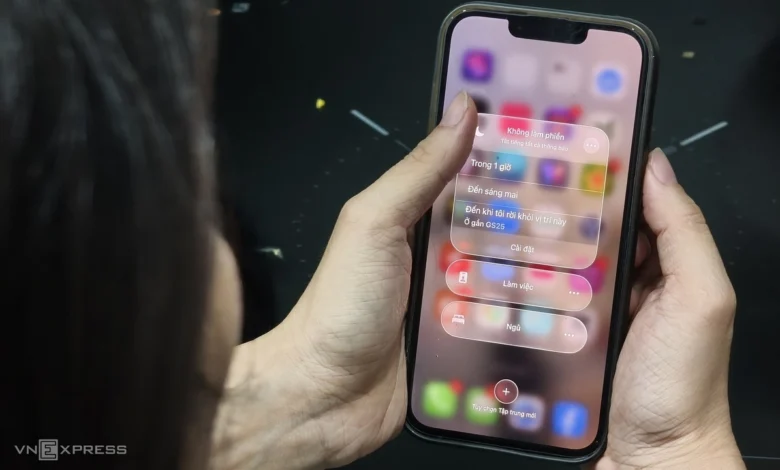
According to Mr. Tuan, the client’s urgent need for chemicals stemmed from their own production demands and the subsequent impact on their product. He explained that employees had been provided with company laptops and phones for work purposes. While these devices were expected to be active and accessible for work-related communication, a significant portion of the workforce, particularly those identified as Gen Z, have adopted a practice of "disconnecting after work." This involves leaving all company equipment in the office and refraining from responding to work-related messages outside of designated working hours.
The immediate aftermath of this communication breakdown was the inability to resolve the chemical shortage on the same night. The last of the essential chemicals were only processed the following morning, leading to a significant delay in fulfilling the urgent client request. Mr. Tuan emphasized that while his company does not typically accept orders outside of standard business hours, unforeseen circumstances and urgent needs can arise. When a critical component of the processing chain fails, it can lead to a domino effect, impacting overall operations and potentially causing substantial losses for clients.
"For us, it’s just about the working hours," Mr. Tuan stated. "But for our clients, a disruption in the production line can cause immense financial damage." He admitted that his company is considering offering incentives or bonuses for employees who are willing to be on-call or handle urgent situations outside of regular hours, acknowledging the importance of seamless operations for their clientele.
The Rise of "Disconnecting After Work"
This phenomenon of "disconnecting after work" has been increasingly observed, particularly among younger generations entering the workforce, notably Gen Z and a significant portion of Millennials (born between 1981 and 1996). This shift reflects a fundamental change in the perceived boundaries between professional and personal life, a trend that has been amplified by technological advancements and evolving societal values.
This is a generational shift in the workforce, where the lines between work and personal life have become increasingly blurred. After years of experiencing constant connectivity and the pressure to be perpetually available, many younger employees are actively seeking to establish clear boundaries to protect their mental well-being and prevent burnout. This often translates into a conscious decision to disengage from work-related communications and devices once their official working hours have concluded.
The COVID-19 pandemic significantly accelerated this trend. The widespread adoption of remote work and the blurring of physical office spaces meant that many employees found themselves constantly "on call." This prolonged period of intense connectivity led to a re-evaluation of work-life integration and a stronger desire among many to reclaim their personal time. In some countries, legislation has even been introduced or is being considered to enshrine the "right to disconnect" into law, granting employees the legal protection to ignore work communications outside of their contracted hours.
In Vietnam, this right is not yet codified into law, but it is increasingly being discussed and proposed for inclusion in the Labor Code. As early as 2022, many businesses began to notice a change in employee behavior, with fewer workers treating post-work emails or weekend tasks as a given.
A report by Navigos Group, "Labor Market Trends 2026," indicates that Vietnamese workers are increasingly prioritizing their health and well-being, with nearly 60% stating they cannot afford to work overtime. This suggests a growing demand for a better work-life balance.
According to Ms. Nguyen Hoang Yen, a researcher on labor psychology, this is a primary need for employees. However, she cautions that if this is applied too rigidly in every situation, businesses may encounter operational gaps.
This shift is not only evident in employee behavior but also in the recruitment process. Candidates are now more likely to inquire about overtime policies and expectations during interviews.
Ms. Lan Chi, Head of HR at a technology company in Ho Chi Minh City, has observed a growing number of highly capable candidates who are unwilling to commit to overtime under any circumstances. Despite the company communicating the need for overtime due to international client demands and having a structured overtime compensation plan, candidates are still firm on their stance of "no OT" (Overtime).
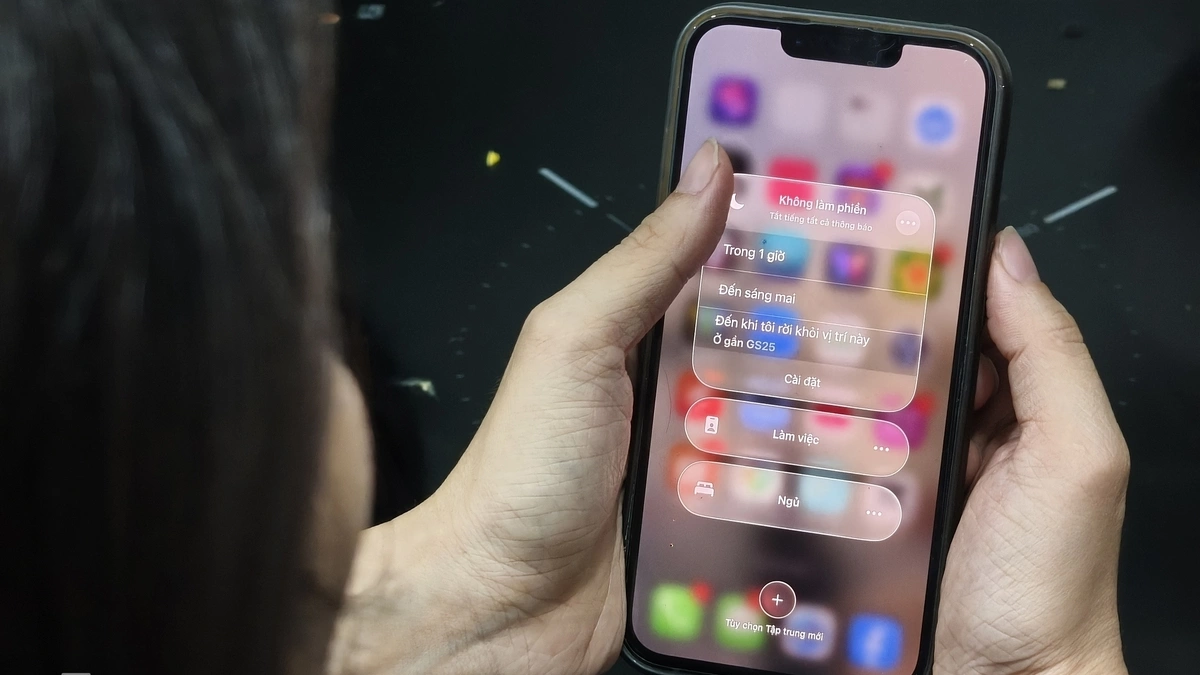
She stated that companies are struggling to find employees who are willing to be on standby for urgent situations. "If a candidate immediately states they will not be available for overtime under any circumstances, the company must reconsider," she noted.
Experts in human resources believe this is a growing dilemma for many businesses. If there are no employees consistently available 24/7, the risk of critical shortages will increase. Conversely, if every employee exercises their right to disconnect rigidly, businesses may face difficulties in maintaining operations, providing customer service, and responding to client needs promptly.
Ms. Thanh Nguyen, Director of Anphabe, suggested that disconnecting does not necessarily mean cutting off all communication after work. It is about managing communication responsibly. When faced with urgent tasks that cannot be resolved immediately, employees should acknowledge the information and provide a realistic timeframe for resolution or suggest an alternative solution. Simply ignoring messages does not help in managing the workflow.
She believes that the key is not to disconnect completely but to manage communication in a way that respects both the employee’s time and the employer’s operational needs. When faced with urgent requests that require immediate attention, employees should confirm receipt of the information and communicate a clear timeline for resolution or propose alternatives. This approach helps businesses manage their workflow effectively and avoids creating pressure on employees to respond instantly.
Before ending their workday, employees should update their progress on ongoing tasks and communicate what needs to be continued the following day. For exceptional situations, businesses need to communicate in advance with their employees to ensure prompt resolution and avoid creating undue pressure on them to respond outside of work hours.
"When you provide peace of mind to your superiors, they will, in turn, grant you the freedom to operate without feeling pressured by any specific rules," the CEO stated.
Navigating the New Work Landscape
The core of the issue lies in the evolving expectations of the workforce and the need for businesses to adapt their management strategies accordingly. Mr. Hoang Yen believes that businesses must shift from expecting employees to be constantly available to a model that emphasizes clear communication and mutual respect.
For industries such as IT, logistics, communications, manufacturing, and customer service, businesses need to establish robust processes that include a list of on-call employees, clear policies for overtime, and predefined protocols for handling urgent situations. This approach not only ensures operational continuity but also respects the rights of employees.
With over 30 years of experience in business management, Mr. Vu Anh Tuan acknowledges that his company is gradually adapting to the preference for "disconnecting after work" among a segment of its workforce. The company is implementing a policy of training and clearly communicating the value of core work and offering incentives for urgent off-hours contact, reserving it only for genuinely critical situations.
"The company is working to create a workforce that shares in the responsibility of handling urgent situations, rather than treating ‘after hours’ as an insurmountable barrier," he stated.
The Gen Z Factor
Gen Z is poised to become a dominant force in the labor market. This generation, characterized by their digital fluency and unique perspectives on work-life integration, is reshaping workplace norms. Having grown up in an era of constant connectivity, they have witnessed firsthand the potential for burnout and are actively seeking to establish healthier boundaries.
This generation is known for its preference for clear communication and directness. They value transparency and expect employers to be upfront about work expectations, including potential overtime. While they are often highly motivated and dedicated to their work, they are also firm in their belief that personal time is essential for well-being and rejuvenation.
The trend of "disconnecting after work" is not merely a generational preference; it is a response to years of demanding work cultures that have often blurred the lines between professional and personal lives. This has led to a growing awareness of mental health and a conscious effort to prevent exhaustion.
This trend has been widely discussed globally following the COVID-19 pandemic. Remote work arrangements during the pandemic led to employees being constantly accessible, prompting a re-evaluation of work-life balance and a stronger desire to reclaim personal time. Several countries have now enacted legislation recognizing the "right to disconnect."
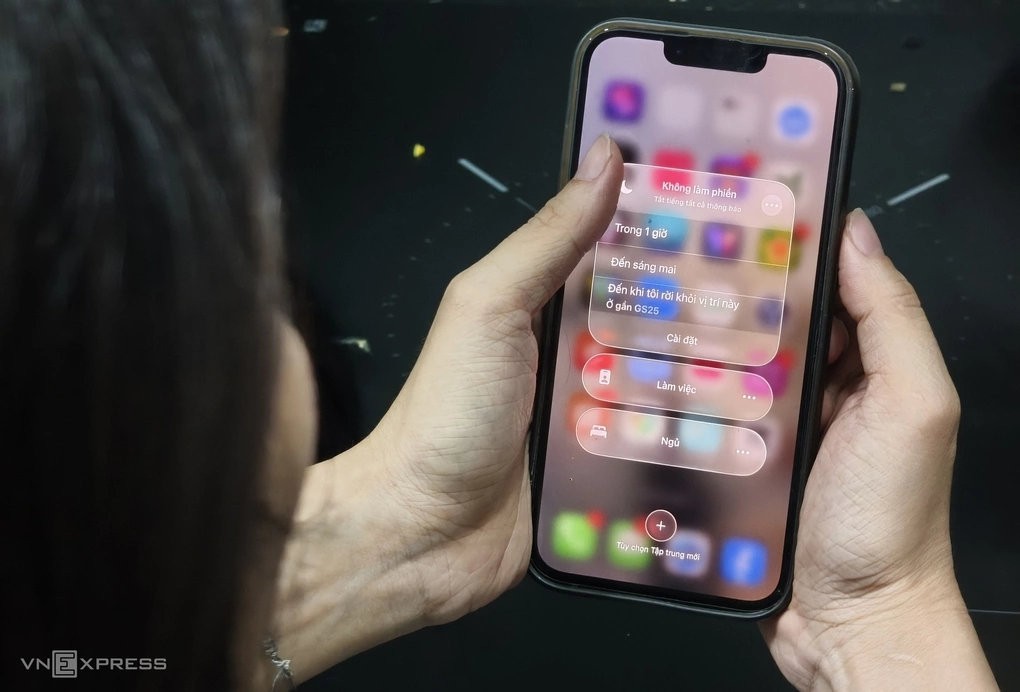
While this right is not yet legally mandated in Vietnam, it is a topic of ongoing discussion and consideration for inclusion in the Labor Code. Many businesses have already observed a shift in employee attitudes, with fewer workers automatically accepting post-work emails or weekend tasks as standard practice.
The Navigos Group’s "Labor Market Trends 2026" report highlights that Vietnamese workers are increasingly prioritizing their health and well-being, with a significant majority unable or unwilling to work overtime. This indicates a growing demand for a healthier work-life integration.
Ms. Nguyen Hoang Yen, a labor psychology expert, emphasizes that this is a primary need for employees. However, she cautions that an overly rigid application of this principle in all scenarios could lead to operational gaps for businesses.
This evolving landscape is also influencing recruitment. Candidates are now more likely to inquire about overtime policies and the company’s stance on work-life balance during the interview process.
Ms. Lan Chi, Head of HR at a tech company in Ho Chi Minh City, reports encountering numerous talented candidates who are unwilling to commit to overtime under any circumstances. Even with clear communication about the necessity of overtime due to international client demands and structured compensation for extra hours, these candidates remain firm on their stance of "no OT" (Overtime).
She notes that companies are finding it challenging to recruit employees who are willing to be on standby for urgent situations. "If a candidate immediately states they will not be available for overtime under any circumstances, the company must reconsider," she stated.
HR professionals and labor experts believe this presents a significant challenge for many organizations. The absence of consistently available personnel around the clock increases the risk of critical shortages. Conversely, if employees strictly exercise their right to disconnect, businesses may struggle to maintain operations, deliver customer service, and respond to client needs in a timely manner.
Ms. Thanh Nguyen, Director of Anphabe, clarifies that disconnecting does not equate to severing all communication after work. It is about responsible communication management. When faced with urgent tasks that cannot be immediately resolved, employees should acknowledge receipt of the information and provide a realistic timeframe for completion or propose alternative solutions. Merely ignoring messages does not contribute to effective workflow management.
She advocates for a balanced approach where communication is managed in a way that respects both the employee’s personal time and the employer’s operational requirements. For urgent requests demanding immediate attention, employees should confirm that they have received the information and communicate a clear timeline for resolution or suggest alternative approaches. This strategy enables businesses to manage their workflow effectively and avoids placing excessive pressure on employees for instant responses.
"When you provide peace of mind to your superiors, they will, in turn, grant you the freedom to operate without feeling pressured by any specific rules," the CEO remarked.
Reimagining Workplace Dynamics
At the heart of this evolving situation is the need for businesses to adapt their management strategies to meet the changing expectations of the modern workforce. Mr. Hoang Yen believes that companies must transition from expecting constant availability to fostering a culture of clear communication and mutual respect.
For sectors such as information technology, logistics, marketing, manufacturing, and customer service, it is crucial for businesses to establish comprehensive protocols. These should include a roster of on-call employees, clear overtime policies, and predefined procedures for addressing emergencies. Such measures will not only ensure operational continuity but also uphold employee rights.
Mr. Vu Anh Tuan, with over three decades of experience in business leadership, acknowledges that his company is gradually adapting to the preference for "disconnecting after work" among a portion of its staff. The company is implementing a policy that emphasizes training and clearly communicates the value of core work responsibilities. They are also offering incentives for urgent off-hours contact, reserving this for genuinely critical situations.
"The company is striving to cultivate a workforce that shares responsibility for handling urgent situations, rather than viewing ‘after hours’ as an absolute barrier," he commented.