Sectoral Divergence Defines the Mid-Year 2026 Corporate Financial Landscape as Energy and Fertilizer Giants Report Record Gains

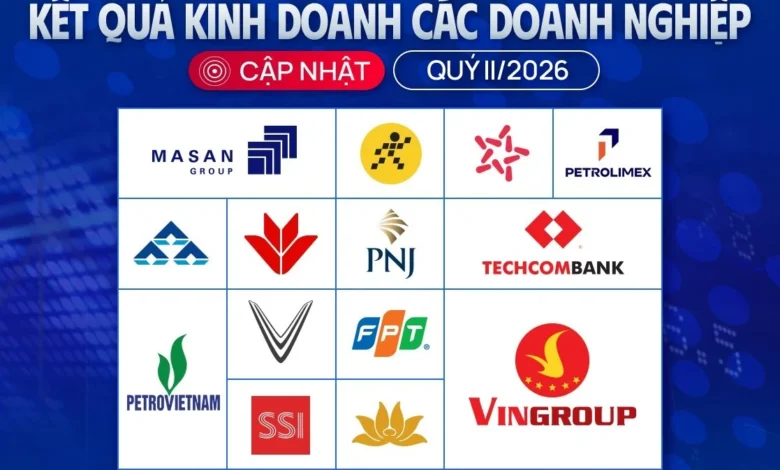
The disclosure of financial statements for the second quarter and the first half of 2026 has unveiled a starkly divided corporate landscape in Vietnam, characterized by a "K-shaped" recovery that highlights the varying resilience of different economic sectors. As the July 2026 reporting season reaches its peak, the data suggests that while macroeconomic stability has provided a foundation for growth, specific industry-wide headwinds—ranging from fluctuating input costs to shifting global demand—have created a wide gap between high-performing entities and those struggling to maintain profitability. According to the latest figures aggregated from hundreds of listed and unlisted firms, the narrative of the first six months of 2026 is one of tactical adaptation, where sectors like energy and chemicals have capitalized on market volatility, while traditional manufacturing and retail face a complex array of operational hurdles.
The Mid-Year Financial Snapshot: A Tale of Two Realities
As of late July 2026, the corporate earnings season has progressed sufficiently to offer a comprehensive view of the national economy’s health. The overarching theme is one of "divergence." On one end of the spectrum, companies in the utility and agricultural input sectors have reported "breakthrough" profits, often exceeding annual targets within just six months. Conversely, a significant portion of the manufacturing and services sectors has recorded stagnant growth, profit erosion, or, in the most severe cases, substantial losses.
The divergence is not merely a matter of revenue volume but a reflection of margin management. High-performing sectors have successfully passed on costs to consumers or benefited from favorable global price cycles. In contrast, those reporting losses often cite the "scissors effect"—where the cost of raw materials and logistics remains high while domestic and international purchasing power remains brittle. This disparity underscores the uneven impact of global economic shifts on the Vietnamese market, which remains highly sensitive to supply chain integrity and energy pricing.
The Surge in Energy and Utilities: Meeting Rising Demand
The electricity sector has emerged as a primary driver of corporate earnings growth in the first half of 2026. Several factors have converged to propel these companies to record-breaking heights. First, the continued expansion of the industrial base, particularly in high-tech manufacturing and data centers, has pushed base-load demand to new levels. Second, 2026 has seen a stabilization of the regulatory framework regarding power purchase agreements (PPAs), allowing both traditional and renewable energy providers to operate with greater fiscal clarity.
Hydropower plants, in particular, have benefited from favorable hydrological conditions in the early part of the year, leading to lower production costs compared to thermal or gas-fired alternatives. Meanwhile, major players in the national grid and power generation have reported net profit increases of 15% to 30% year-on-year. These gains are often attributed to improved operational efficiency and the successful integration of smart grid technologies, which have reduced transmission losses and optimized distribution during peak hours.
Fertilizer and Chemicals: Capitalizing on Global Supply Constraints
Parallel to the success in the energy sector, the fertilizer and chemical industries have reported "sudden" or "explosive" profit growth (lợi nhuận đột biến). This phenomenon is largely rooted in the continued volatility of the global urea and phosphate markets. With several major international producers facing export restrictions or high natural gas costs, Vietnamese fertilizer giants have filled the void, significantly increasing their export volumes to regional markets in Southeast Asia and South Asia.
Domestic demand has also remained robust as the agricultural sector undergoes a transition toward high-value crops, which require specialized chemical inputs. Leading firms in this space have reported that their H1 2026 profits have, in some instances, doubled compared to the same period in 2025. These companies have leveraged their integrated supply chains—securing raw materials at fixed prices earlier in the cycle—to maintain high margins even as global prices fluctuated.
The Manufacturing Struggle: Input Pressures and Soft Demand
In sharp contrast to the prosperity of the energy and chemical sectors, the broader manufacturing landscape—encompassing textiles, footwear, and furniture—presents a more somber picture. While the volume of export orders has seen a marginal increase compared to 2025, the profitability of these orders has been squeezed.
Manufacturers are currently grappling with three primary pressures:
- Rising Labor Costs: New minimum wage adjustments and a shortage of skilled labor in key industrial zones have driven up the "cost per unit" of production.
- Logistics Volatility: Although global shipping rates have stabilized from their post-pandemic peaks, regional geopolitical tensions in early 2026 led to a temporary spike in insurance and freight costs, eating into the margins of exporters.
- Input Material Inflation: For industries dependent on imported raw materials, the slight depreciation of the local currency against the US dollar in the first quarter of 2026 increased the cost of procurement.
Several large-scale textile firms have reported a decline in net profit of 10% to 20%, despite maintaining full production lines. Small and medium-sized enterprises (SMEs) have been hit even harder, with a notable number reporting net losses as they lack the scale to negotiate better terms with suppliers or the financial cushion to absorb temporary price shocks.
Chronology of the 2026 Financial Reporting Cycle
The 2026 reporting season has followed a distinct timeline that reflects the evolving sentiment of the market:
- January – March 2026: Early indicators suggested a cautious start. Many firms focused on clearing inventory from late 2025. The energy sector began showing signs of strength due to early-season industrial demand.
- April – May 2026: Preliminary Q1 audits revealed the first signs of divergence. Fertilizer companies began reporting higher-than-expected export revenues.
- June 2026: Companies began issuing "profit warnings" or "positive outlooks" ahead of the official Q2 closing. Market analysts noted a flight to safety, with investors moving capital into utility and essential commodity stocks.
- July 2026 (The Disclosure Peak): Between July 15th and July 25th, the bulk of listed companies released their official H1 results. This period confirmed the "breakthrough" profits for the energy and fertilizer sectors and the "bottoming out" or continued struggle for the retail and consumer goods sectors.
Macroeconomic Context and Global Drivers
The performance of Vietnamese enterprises in H1 2026 cannot be viewed in isolation from the broader macroeconomic environment. The Vietnamese government has maintained a target GDP growth rate of 6.5% to 7.0% for 2026, supported by robust Foreign Direct Investment (FDI) and public infrastructure spending. However, the "imported inflation" from global energy markets has been a double-edged sword—benefiting domestic energy producers while burdening the manufacturing base.
Monetary policy has remained relatively neutral, with the State Bank of Vietnam focusing on exchange rate stability. While this has prevented a currency crisis, the cost of borrowing remains high for many enterprises looking to expand. This "high-interest environment" has particularly affected the real estate and construction sectors, which continue to report modest or negative growth in the first half of the year as they navigate debt restructuring and slow project absorption rates.
Official Responses and Strategic Adjustments
Corporate leadership teams across the country are responding to these results with a mix of optimism and strategic caution. In the high-performing sectors, CEOs are focusing on "reinvesting for sustainability." For example, several fertilizer companies have announced plans to invest in "green ammonia" and more environmentally friendly production methods to comply with tightening international carbon regulations.
In the struggling sectors, the mantra is "cost optimization and digital transformation." Industry associations representing the textile and garment sectors have called for more government support in the form of tax deferrals or subsidized credit lines to help firms transition to higher-value-added products. "We are in a period where volume is no longer enough; we must find efficiency in every kilowatt of power and every hour of labor," stated a representative from a major industrial zone in Binh Duong.
Broader Implications and Future Outlook
The divergence seen in H1 2026 has significant implications for the remainder of the year and the fiscal outlook for 2027.
For Investors: The stock market is likely to remain polarized. Sectors with "defensive" qualities—such as utilities and essential chemicals—are expected to attract sustained interest, while the "recovery play" in manufacturing and retail will require more selective stock picking.
For Policy Makers: The data suggests a need for targeted industrial policy. While the energy sector is thriving, the vulnerability of the manufacturing core to input cost shocks indicates that more needs to be done to localize supply chains and reduce the dependence on imported raw materials.
For the Economy: The strong performance of the energy and fertilizer sectors provides a fiscal cushion for the state in terms of tax revenue. However, the long-term health of the Vietnamese economy depends on a broader recovery. If the manufacturing sector continues to face profit erosion, it could eventually impact employment levels and consumer spending in the latter half of 2026.
As the country moves into the third quarter, the focus will shift to whether the high performers can maintain their momentum and whether the struggling sectors can find a "floor" to their losses. The 2026 mid-year results serve as a reminder that in a volatile global economy, the ability to adapt to cost pressures is the ultimate determinant of corporate survival. While the "breakthrough" profits of some bring a sense of achievement, the underlying challenges for the majority of enterprises suggest that the road to a full, balanced economic recovery remains complex.