Entrepreneurs Advocate for Differentiated Approach to Administrative and Tax Violations at VPSF 2026 Dialogue in Ninh Binh

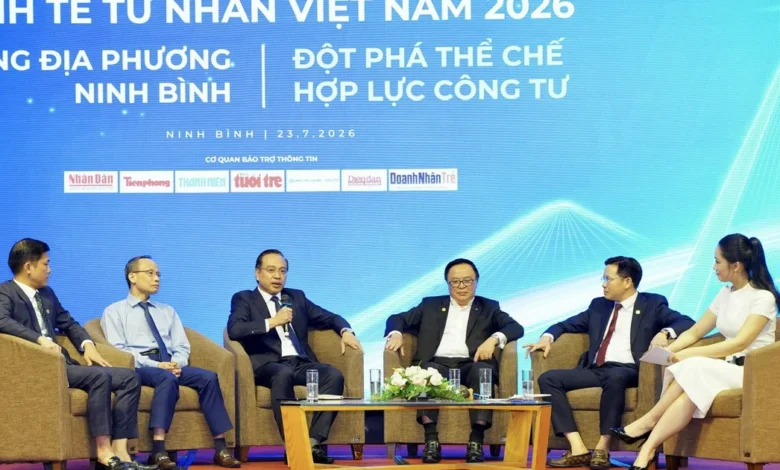
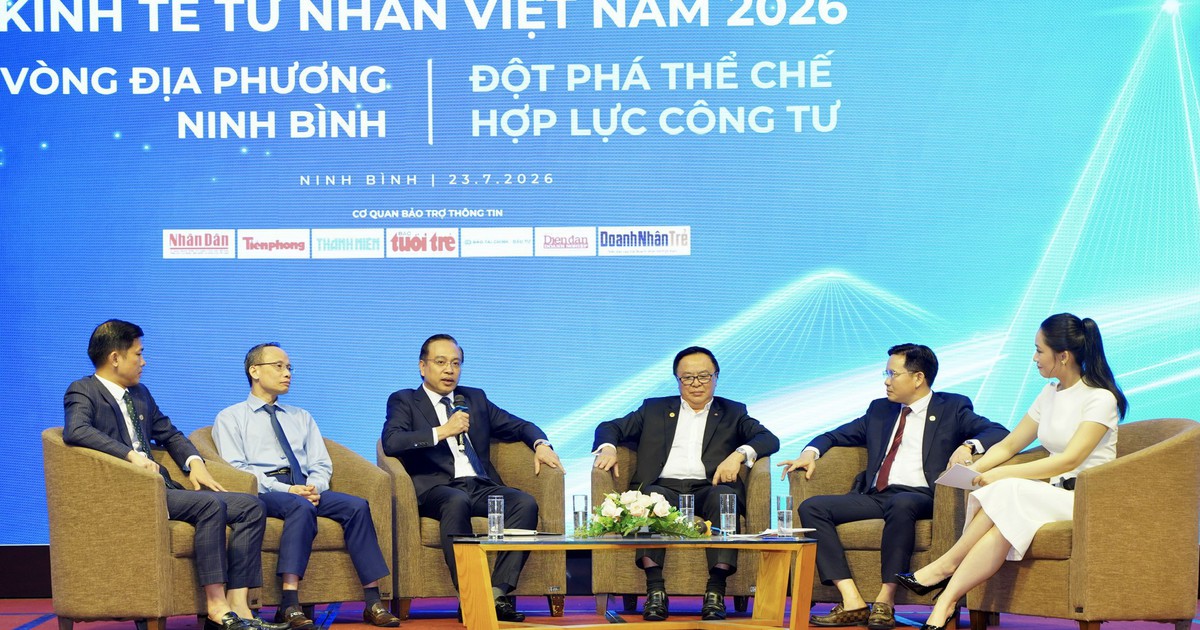
Ninh Binh, Vietnam – In a significant dialogue session held on July 23, 2026, as part of the Vietnam Private Sector Forum 2026 (VPSF 2026), business leaders urged authorities to develop a nuanced mechanism for handling administrative and tax violations. The call emphasizes a critical distinction between genuine procedural errors or a lack of understanding and deliberate fraudulent intent, aiming to foster a more equitable and supportive business environment. This pivotal discussion, the 15th provincial dialogue in the lead-up to the main VPSF 2026 event, took place in Ninh Binh province, co-organized by the Vietnam Young Entrepreneurs Association, the Ninh Binh Provincial People’s Committee, and the Ninh Binh Young Entrepreneurs Association.
The Broader Context: VPSF 2026 and Vietnam’s Private Sector Empowerment
The Vietnam Private Sector Forum (VPSF) is a high-level initiative designed to facilitate open and constructive dialogue between the Vietnamese private sector and the government. Its overarching goal is to identify challenges, propose solutions, and foster policy reforms that enhance the competitiveness and sustainable development of private enterprises, which are increasingly recognized as the backbone of Vietnam’s economic growth. With the 2026 forum on the horizon, these provincial dialogue sessions serve as crucial preparatory stages, gathering grassroots feedback and ensuring that policies are tailored to local realities and diverse business needs.
Vietnam’s private sector has witnessed remarkable growth over the past decades, evolving from nascent stages to a dynamic force contributing significantly to the national GDP and employment. According to recent government statistics, the private sector now accounts for over 40% of the country’s GDP and employs a vast majority of the workforce. Despite this impressive trajectory, private enterprises, particularly small and medium-sized enterprises (SMEs) and micro-businesses, often grapple with complex administrative procedures, evolving tax regulations, and the challenges of navigating a rapidly changing legal landscape. These dialogues are therefore instrumental in bridging the gap between policy formulation and practical implementation, ensuring that the voice of entrepreneurs is heard and addressed at the highest levels.
Ninh Binh’s Economic Landscape and Strategic Vision
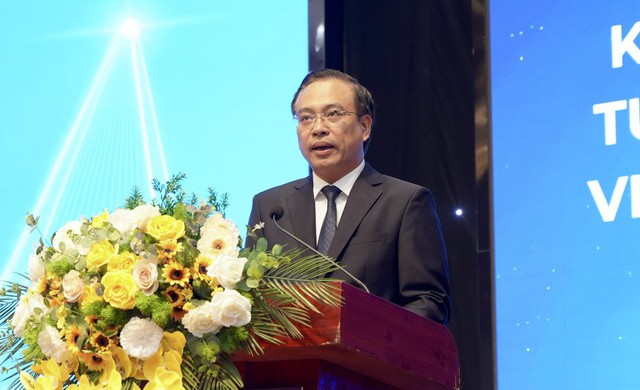
Ninh Binh province, strategically located in the Red River Delta region, is emerging as a critical economic hub with substantial potential in diverse sectors. As highlighted by Mr. Nguyen Nhu Kien, Vice President of the Vietnam Young Entrepreneurs Association, in his opening remarks, Ninh Binh stands at a unique development juncture. The province boasts inherent advantages in industrial development, a burgeoning tourism sector (home to the UNESCO World Heritage site Trang An Landscape Complex), a growing logistics network, and high-quality agricultural production. Its expanded economic space, facilitated by improved infrastructure and regional connectivity, positions it favorably for future growth.
However, Mr. Kien underscored that realizing this potential hinges on transforming individual strengths into a unified value chain where local private enterprises are active participants, contributors, and beneficiaries. He proposed three critical transitions for Ninh Binh:
- From extensive expansion to organized development space: Shifting focus from merely expanding geographical reach to strategically organizing development zones that optimize resource allocation and foster synergistic growth.
- From attracting large enterprises to simultaneously nurturing local businesses: While foreign direct investment (FDI) and large domestic corporations are vital, equal emphasis must be placed on empowering local enterprises, helping them "grow big" through supportive policies and capacity building.
- From case-by-case business support to collaborative policy co-creation: Moving beyond ad-hoc assistance to fostering a collaborative environment where businesses and government jointly identify issues, design solutions, and monitor implementation, thus creating more effective and responsive policies.
These transitions reflect a broader national agenda to enhance the quality of growth, ensuring that economic development is inclusive and sustainable, with strong linkages between domestic and foreign-invested sectors.
Creating a Fair and Healthy Environment for Enterprise Development

A central theme of the Ninh Binh dialogue was the imperative to cultivate a "level and healthy environment" for businesses to thrive. Mr. Dang Thanh Son, Vice Chairman of the Ninh Binh Provincial People’s Committee, affirmed the province’s unwavering commitment to this principle. He pledged continued efforts in administrative procedure reform, emphasizing open dialogue, attentive listening, and proactive absorption of feedback from the business community. These actions are vital to achieving Ninh Binh’s ambitious goal of double-digit growth, a target that requires a vibrant and unburdened private sector.
The focus on administrative reform is particularly salient in Vietnam, where businesses frequently cite bureaucratic hurdles and complex procedures as significant obstacles. Streamlining these processes not only reduces compliance costs for enterprises but also enhances transparency and predictability, making the province more attractive for both domestic and international investment.
Key Proposals and Business Concerns: Differentiating Intent
The most prominent proposal from small, micro-enterprises, and business households during the dialogue centered on the need for a more equitable approach to administrative and tax violations. Entrepreneurs requested a mechanism that clearly differentiates between genuine procedural errors, misunderstandings of complex regulations, or lack of knowledge, and intentional acts of fraud or evasion.
Currently, businesses often face severe penalties regardless of the intent behind a violation related to tax, invoices, receipts, or accounting records. This can be particularly burdensome for SMEs and micro-enterprises, which often lack the sophisticated legal and accounting departments of larger corporations. A minor oversight, an honest mistake in documentation, or a delayed filing due to genuine capacity constraints can lead to disproportionately harsh fines or administrative sanctions, creating an environment of fear and discouraging entrepreneurship.
The proposed mechanism would allow for:
- Graduated penalties: Sanctions that are commensurate with the severity and intent of the violation.
- Rectification opportunities: Providing businesses with a chance to correct minor errors without immediate punitive action, coupled with clear guidance and warnings.
- Educational approach: Focusing on guidance and capacity building, especially for new businesses or those navigating complex new regulations, rather than immediate punishment for unintentional errors.
This differentiation is crucial for fostering trust between businesses and regulatory bodies. It encourages compliance by reducing the fear of unintended penalties and allows entrepreneurs to focus on their core operations, innovation, and growth, rather than being constantly apprehensive of minor administrative slip-ups. It aligns with the principle of "non-retroactivity" in legal application, meaning new or clarified regulations should not be applied to past actions in a way that disadvantages businesses that complied with previous understandings.
Provincial Government’s Response and Strategic Initiatives
Responding to the concerns raised, the leadership of the Ninh Binh Provincial People’s Committee candidly acknowledged existing difficulties and bottlenecks. They reiterated the "one task, one lead agency, one person responsible" principle, aiming to enhance accountability and streamline problem-solving within the provincial administration.
To proactively address these issues and improve governance, Mr. Dang Thanh Son outlined several key initiatives:
- Smart Operating Center (IOC) Pilot: Ninh Binh is piloting an Intelligent Operations Center (IOC) to monitor administrative procedures, public investment disbursement, land clearance, and state budget revenue in real-time. This digital platform aims to increase transparency, enhance public accountability, and swiftly identify "bottlenecks" that impede business operations and public service delivery. The IOC represents a significant step towards digital transformation in governance, allowing for data-driven decision-making and more efficient public administration.
- Expanding "Entrepreneur Cafe" Programs: The province plans to expand its "Entrepreneur Cafe" programs, which serve as informal yet effective platforms for direct dialogue between business leaders and provincial authorities. This initiative aims to increase the participation of business associations and FDI enterprises, ensuring a broader range of perspectives and feedback. These informal settings often encourage more candid discussions, leading to quicker identification and resolution of issues.
- Enterprise Database Development: Ninh Binh is tasked with developing a comprehensive database on the capabilities, quality, financial standing, and operational regulations of local enterprises. This database will serve as a vital tool to facilitate supply-demand connections between local businesses and large corporations, including foreign investors. Such a platform is crucial for integrating local SMEs into global supply chains, fostering technology transfer, and creating opportunities for partnerships that can drive local economic development.
Expert Recommendations for a Conducive Business Environment
Experts participating in the dialogue offered several practical recommendations to further support businesses, particularly SMEs:
- Clear Dissemination of Non-Retroactivity Principle: Regulatory bodies must clearly and widely disseminate regulations regarding the principle of non-retroactivity in law. This ensures that businesses are not penalized for past actions that were compliant under previous legal frameworks, fostering legal stability and investor confidence.
- Enhanced Legal Support for SMEs: Small and medium-sized enterprises often lack dedicated legal departments. Experts recommended increased legal support services, possibly through government-funded initiatives or partnerships with legal firms, to help SMEs understand and comply with complex regulations.
- Leveraging Technology and AI: To combat information overload, experts suggested utilizing technology and AI tools to summarize and provide real-time updates on new legal provisions. This could involve developing user-friendly digital platforms or AI-powered chatbots that simplify legal language and make it accessible to entrepreneurs, reducing the burden of navigating a vast number of legal documents. This approach aligns with Vietnam’s broader digital transformation agenda and aims to improve the ease of doing business by making regulatory information more digestible and actionable.
The Inseparable Link: Enterprise and Local Development
In his concluding remarks, Mr. Nguyen Duc Cuong, President of the Ninh Binh Young Entrepreneurs Association and Head of the Dialogue Session, emphasized a fundamental truth: the greatest value of such forums lies not merely in the quantity of proposals but in the unified realization that enterprise development and local development are inextricably linked. These two processes are not separate but mutually reinforcing, with the success of one directly contributing to the advancement of the other.
He reiterated the Ninh Binh Young Entrepreneurs Association’s commitment to acting as a vital bridge between businesses and the government. This includes truthfully reflecting the voices and concerns of the business community, actively promoting connectivity, enhancing management capabilities, and widely disseminating business ethics, social responsibility, and a spirit of creative innovation among its members. By fostering an environment where businesses operate ethically, contribute to society, and constantly seek innovative solutions, the association aims to contribute significantly to the province’s sustainable development.

Looking Ahead: A Model for National Progress
The dialogue session in Ninh Binh serves as a micro-level example of the broader efforts underway across Vietnam to empower its private sector. By directly engaging with entrepreneurs, acknowledging challenges, and committing to concrete reforms, provincial governments, supported by national initiatives like VPSF 2026, are working to create an optimal environment for business growth. The proposals regarding differentiated treatment for administrative and tax violations, coupled with technology-driven governance improvements, could set a precedent for other provinces and contribute to a more just and efficient regulatory framework nationwide. As Vietnam continues its journey towards becoming a high-income nation, the vitality and ethical conduct of its private sector will remain paramount, making these ongoing dialogues an indispensable component of its national development strategy.
Related posts: