Laos Implements Historic Ban on Gasoline Car Imports to Achieve 100 Percent Electric Vehicle Market and Enhance Energy Security

The Government of the Lao People’s Democratic Republic has officially enacted a landmark policy that effectively halts the importation of all passenger vehicles powered by internal combustion engines (ICE), specifically those running on gasoline and diesel, as part of an aggressive transition toward a sustainable and energy-independent future. Effective from June 1, 2026, this strategic mandate has transformed the nation’s automotive landscape almost overnight, resulting in a market where nearly 100% of all newly imported passenger cars are now electric vehicles (EVs). This policy, which is slated to remain in full force through the end of 2026 with the potential for further extension, represents one of the most radical shifts in transportation policy seen anywhere in the world, positioning the landlocked Southeast Asian nation as an unlikely pioneer in the global race toward zero-emission mobility.
The implementation of this ban is being spearheaded by the Lao Ministry of Industry and Commerce, which has been tasked with ensuring that customs and trade regulations align with the new environmental and economic directives. Under the current regulation, traditional internal combustion engine vehicles are no longer permitted to clear customs for the purpose of general passenger use. Consequently, the import statistics for the month of June 2026 have reflected a total pivot, with electric models accounting for the entirety of the new passenger vehicle fleet entering the country. However, the government has maintained a pragmatic approach by allowing specific exceptions for essential sectors. The ban does not currently apply to heavy-duty machinery, construction equipment, cargo trucks destined for vital infrastructure projects, or public transport vehicles such as buses, where electric alternatives may not yet be viable for the nation’s specific geographic and logistical demands.
Economic Motivation and the Hydropower Advantage
While many developed nations promote electric vehicles primarily as a tool for climate change mitigation, the primary drivers behind the Lao government’s decision are deeply rooted in economic pragmatism and national energy security. Laos, often referred to as the "Battery of Southeast Asia," possesses an immense surplus of renewable energy generated through its extensive network of hydroelectric dams along the Mekong River and its tributaries. Currently, the nation produces far more electricity than its domestic market can consume, leading to a robust export industry that sells power to neighboring Thailand, Vietnam, and Cambodia.
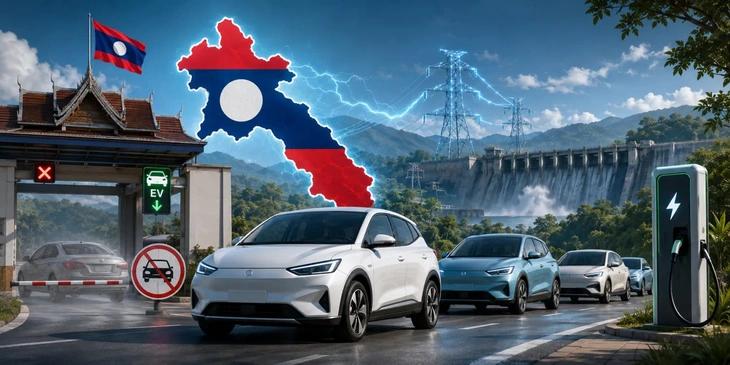
In stark contrast to its electricity wealth, Laos is entirely dependent on foreign markets for fossil fuels. Every liter of gasoline and diesel consumed within its borders must be imported, requiring the expenditure of precious foreign currency reserves. This dependency has historically left the Lao economy vulnerable to global oil price volatility and supply chain disruptions. By mandating a shift to electric vehicles, the government is effectively internalizing its energy consumption. The policy allows the state to utilize its own natural resources—water and gravity—to power its transportation sector, thereby reducing the trade deficit and shielding citizens from the fluctuating costs of the global petroleum market.
Data from the Lao Ministry of Energy and Mines suggests that the transition could save the country hundreds of millions of dollars annually in fuel imports. Furthermore, the move is expected to stabilize the local currency, the Lao Kip, by reducing the constant demand for foreign exchange needed to settle oil contracts. This economic insulation is viewed as a critical component of the country’s long-term development strategy.
Government Incentives and Market Support
To ensure the success of this transition and to mitigate the financial burden on its citizens, the Lao government has introduced a comprehensive suite of incentives designed to make electric vehicles more accessible. Vehicles with an import value of less than $50,000 (approximately 1.3 billion Lao Kip) are now completely exempt from luxury taxes and special consumption taxes. Additionally, the government has slashed vehicle registration fees for EVs and provided preferential parking and road-toll rates in major urban centers like Vientiane.
The policy also extends to the corporate sector. Transportation and logistics companies operating within Laos are now required to ensure that at least 10% of their active fleets are comprised of electric vehicles by the end of 2026. This mandate is intended to jumpstart the commercial use of EVs and encourage the development of a secondary market for used electric cars in the coming years.
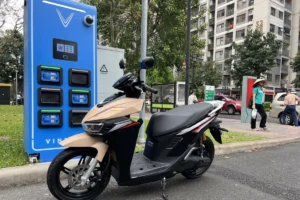
Infrastructure development is also being fast-tracked. In April 2026, the government entered into a series of agreements with 27 private and public sector partners to expand the national charging network. These agreements focus on the installation of high-speed charging stations along major highways and the implementation of battery-swapping technology, which is particularly well-suited for the two-wheeled and three-wheeled vehicles that are ubiquitous in Lao cities. The stated goal of the administration is to have electric vehicles represent at least 30% of the total vehicle population on the road by 2030.
The Rise of VinFast and Chinese Automakers
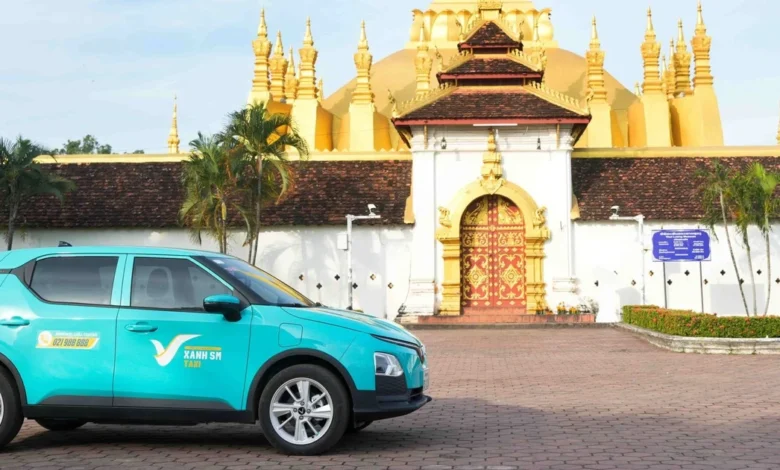
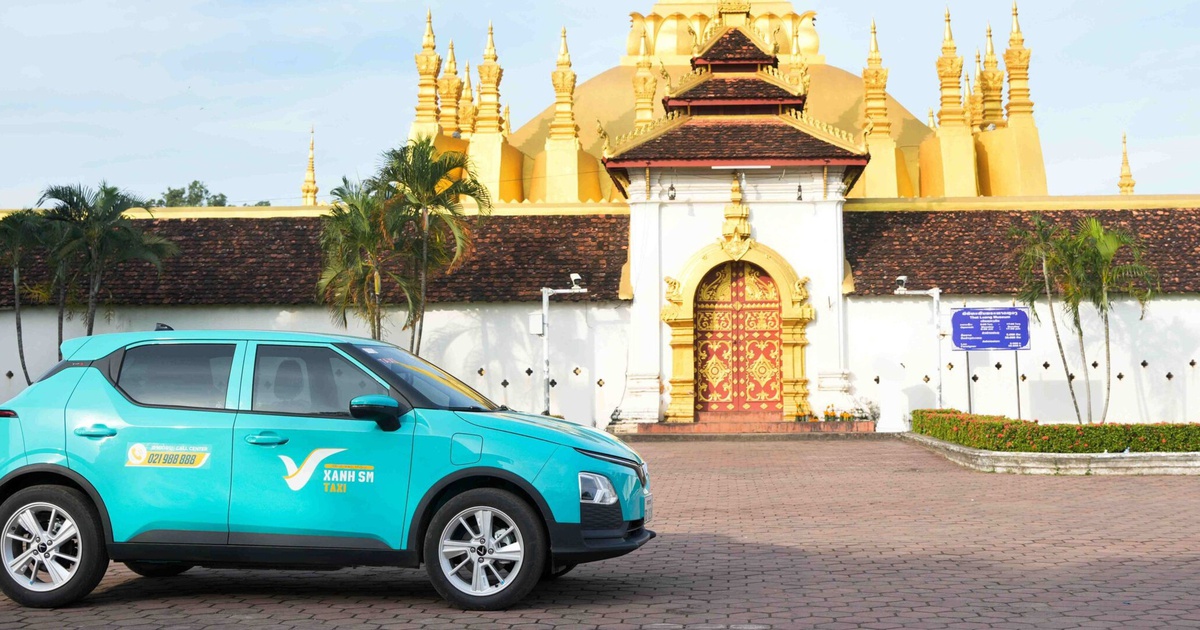
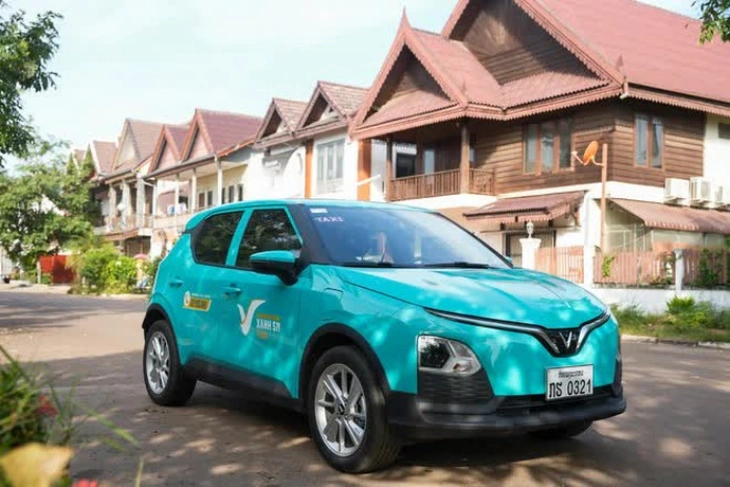
The sudden vacancy left by Japanese and South Korean ICE manufacturers has created a massive opportunity for regional EV specialists. Among the primary beneficiaries of this policy is the Vietnamese automaker VinFast. Leveraging its geographical proximity and existing trade agreements within the ASEAN bloc, VinFast has made significant inroads into the Lao market. The company’s presence is most visible through Green SM (Xanh SM), an electric taxi service that has deployed hundreds of VinFast vehicles across Vientiane and other major tourist hubs.
The success of VinFast in Laos is seen as a "sweet fruit" of the company’s early investment in the region. By establishing a robust service and parts network ahead of the ban, VinFast was positioned to capture a significant share of the market as consumers sought reliable alternatives to traditional cars. Analysts suggest that the Lao market serves as a perfect testing ground for VinFast’s regional ambitions, demonstrating that its vehicles can perform in diverse climates and terrains.
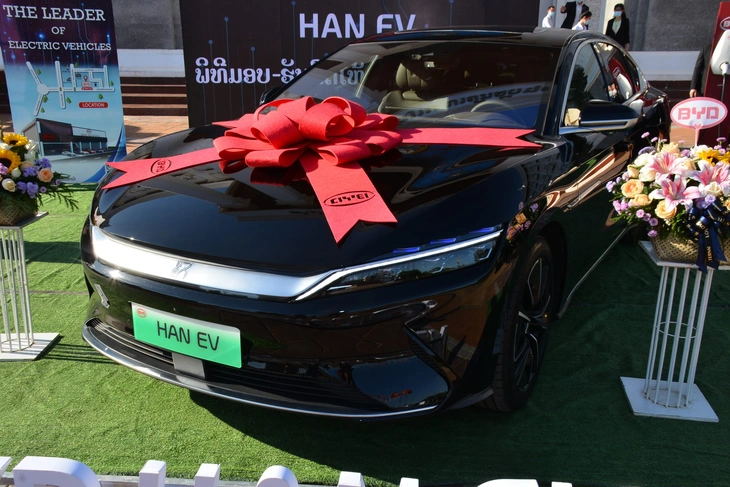
Simultaneously, Chinese automotive giants like BYD have solidified their dominance. China currently accounts for the largest share of EV exports to the ASEAN region, with June 2026 export figures reaching an estimated $1.2 billion. BYD’s Han and Atto 3 models have become common sights on Lao roads, benefited by the "Belt and Road" infrastructure that connects Kunming to Vientiane via high-speed rail, making the logistics of vehicle delivery and parts replacement significantly more efficient than for competitors located further afield.
Challenges and Long-term Implications
Despite the rapid initial success of the import ban, industry observers remain cautious regarding the long-term sustainability of a 100% EV import model. The primary concern lies in the disparity between urban and rural infrastructure. While Vientiane is seeing a surge in charging points, the rugged, mountainous terrain of northern and southern Laos presents a formidable challenge for EV range and charging accessibility. If the infrastructure does not keep pace with the import volume, there is a risk of a "mobility gap" where rural populations are left with aging, poorly maintained ICE vehicles that they cannot replace.
There is also the question of the power grid’s stability. While Laos produces ample electricity, the domestic distribution grid requires significant upgrades to handle the simultaneous charging of thousands of vehicles. Experts suggest that smart-grid technology and decentralized solar-charging hubs will be necessary to prevent local outages during peak evening hours when most residents return home to charge their cars.
Furthermore, the average income in Laos remains relatively low compared to the initial purchase price of many electric cars. Even with tax exemptions, the $50,000 threshold remains high for many families. The government may need to explore further micro-financing options or subsidies for lower-cost electric micro-cars and motorbikes to ensure that the transition is inclusive and does not exacerbate economic inequality.
A Blueprint for the Region?
The Lao experiment is being watched closely by other members of the Association of Southeast Asian Nations (ASEAN). Countries like Thailand and Indonesia have set ambitious goals for EV adoption, but none have gone as far as to implement a total ban on ICE passenger car imports. If Laos successfully manages the transition—improving its trade balance while maintaining national mobility—it could provide a blueprint for other developing nations that possess renewable energy potential but lack domestic oil reserves.
The 100% electric vehicle market in Laos is not merely a environmental statement; it is a calculated move toward total energy sovereignty. By aligning its automotive needs with its hydropower capabilities, Laos is attempting to leapfrog a century of fossil fuel dependence. The final months of 2026 will be a critical evaluation period for this policy. If the infrastructure holds and the economy stabilizes, June 1, 2026, will be remembered as the date Laos redefined its economic future, turning its rivers into the fuel of the 21st century.