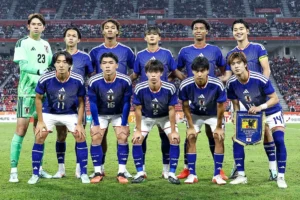
Myanmar Secures Crucial 1-0 Victory Over Malaysia in Tense ASEAN Cup 2026 Group B Opener

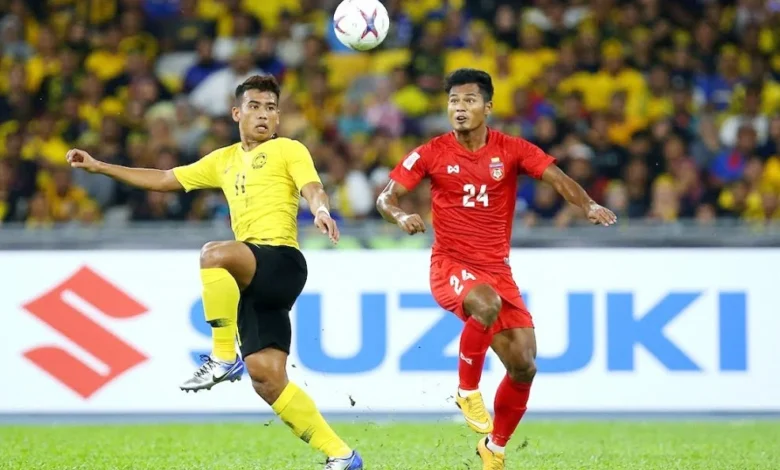
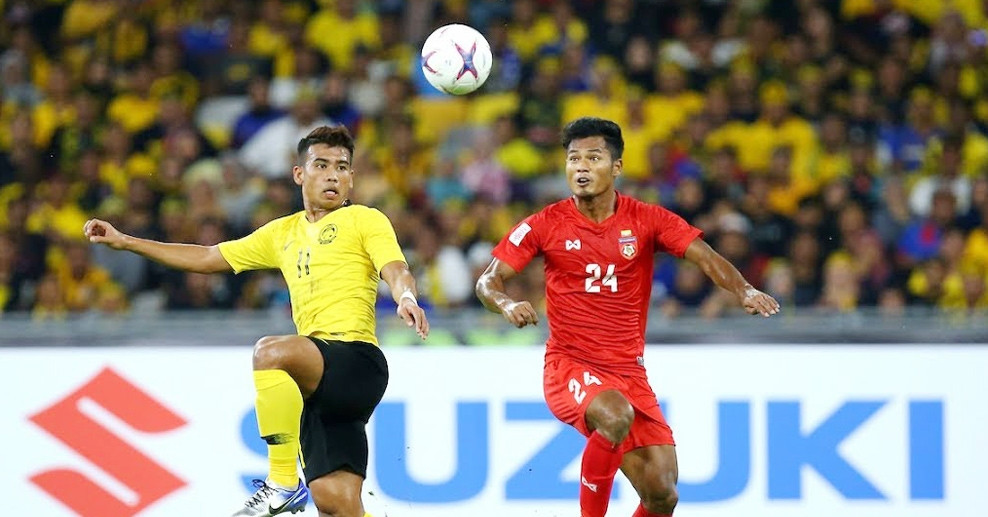
Myanmar initiated their ASEAN Cup 2026 campaign with a significant 1-0 triumph over regional rivals Malaysia in a highly anticipated Group B encounter on July 25. The solitary goal, scored by midfielder Kaung Khant in the 10th minute, proved decisive in a match characterized by tactical discipline from the home side and persistent but ultimately fruitless attacking efforts from the Malaysian Tigers. This result sends an early signal of intent from Myanmar, while placing immediate pressure on Malaysia to regroup and deliver in their subsequent fixtures within a competitive group.
Match Overview and Decisive Moments
The match, held at a vibrant Thuwunna Stadium in Yangon, kicked off at 17:00 local time (UTC+6:30), drawing a passionate crowd eager to see their national team perform. From the outset, both teams displayed a cautious approach, feeling each other out in the opening exchanges. However, it was Myanmar who quickly seized the initiative, capitalizing on an early defensive lapse by the Malaysian contingent.
The decisive moment arrived just ten minutes into the first half. A swift counter-attack down the left flank, masterminded by the dynamic Naing Tun, saw the forward drive deep into Malaysian territory. With precision and vision, Naing Tun delivered a low cross into the penalty area, which found Kaung Khant surging forward. The midfielder, showing excellent anticipation, met the ball with a clinical left-footed finish, slotting it past Malaysian goalkeeper Azri to give Myanmar a crucial 1-0 lead. The stadium erupted in celebration, recognizing the significance of this early advantage.
Following the goal, Malaysia, under immense pressure, attempted to assert control and push for an equalizer. Their efforts were met with a resolute Myanmar defense that organized itself effectively, denying space and stifling attacking creativity. Malaysia’s offensive strategies often revolved around wide play and crosses into the box, but the Myanmar backline, marshaled by the likes of Moe Kyaw and Nanda Kyaw, stood firm.
One of Malaysia’s clearest opportunities came from a scramble inside the Myanmar penalty area. Forward Paulo Josue found himself with a momentary sight of goal, but his low shot was unable to find the target, sailing harmlessly below the crossbar. Later, winger Sumareh, known for his pace and crossing ability, delivered a dangerous ball from the right flank. This led to a towering header attempt, forcing Myanmar’s goalkeeper Nyi Nyi Aung into a save. The rebound fell to Syafiq, but his follow-up attempt was rushed and lacked the necessary composure to trouble the Myanmar net.
Myanmar, despite holding the lead, did not entirely retreat. They continued to pose a threat on the counter-attack, particularly through the lively Naing Tun. On one occasion, Naing Tun once again broke free down the left, showcasing his individual skill. His subsequent shot, however, was a scuffed effort that flew wide of the far post, denying Myanmar a chance to double their advantage.
The physical intensity of the match was evident, with several robust challenges. Myanmar’s Min Oo received the first yellow card of the game for a dangerous foul on Malaysia’s Endrick, highlighting the competitive nature of the contest. As the first half drew to a close, Malaysia continued to press, with Endrick himself testing Nyi Nyi Aung from outside the box, but the Myanmar shot-stopper was equal to the task.
The second half saw Malaysia increase their attacking impetus, desperate to level the score. However, their efforts were often thwarted by their own errors. A notable sequence saw another defensive mistake from Malaysia allow Naing Tun to break through on goal. In a one-on-one situation with the Malaysian keeper, Naing Tun’s final effort struck the crossbar, agonizingly close to extending Myanmar’s lead and potentially sealing the match. Despite sustained pressure from Malaysia in the latter stages, Myanmar’s defense remained impenetrable, seeing out the match to secure a memorable victory.
Team Lineups and Tactical Deployments
Myanmar Starting XI:
- Goalkeeper: Nyi Nyi Aung
- Defenders: Hein Phyo Win, Moe Kyaw, Nanda Kyaw, Zeyar Lin
- Midfielders: Min Oo, Kaung Khant, Maung Lwin, Than Paing, Htet Aung
- Forward: Win Naing Tun
Myanmar’s coach opted for a disciplined formation, likely a 4-2-3-1 or 4-4-2, emphasizing defensive solidity and quick transitions. The midfield duo of Min Oo and Kaung Khant provided both defensive cover and the impetus for attacks, with Kaung Khant’s goal being a testament to his box-to-box capabilities. Win Naing Tun led the line, supported by the wide players like Maung Lwin and Htet Aung, creating a dynamic attacking threat on the break.
Malaysia Starting XI:
- Goalkeeper: Azri
- Defenders: Raymond, Ubaidullah, Alif, Rodney, Ruventhiran
- Midfielders: Endrick, Sumareh
- Forwards: Syafiq, Aguero, Pavithran, Paulo Josue
Malaysia’s lineup, featuring a blend of experienced players and emerging talents, appeared to be set up with attacking intent. The presence of players like Sumareh, known for his pace and dribbling, and the forward line including Aguero and Paulo Josue, suggested a strategy to dominate possession and create chances. However, defensive vulnerabilities, particularly in the early stages, proved costly. The midfield, anchored by Endrick, aimed to control the tempo, but struggled to break down Myanmar’s organized defensive block consistently.
Background and Tournament Context
The ASEAN Cup, previously known as the AFF Championship, is the premier international football competition of the Southeast Asian region. Held biennially, it pits the national teams of the ASEAN Football Federation (AFF) against each other in a battle for regional supremacy. The 2026 edition is particularly significant as it marks a continued evolution of the tournament, enhancing its prestige and competitiveness. For both Myanmar and Malaysia, securing points in the group stage is paramount for progression to the knockout rounds.
Historically, Malaysia has been one of the stronger nations in Southeast Asian football, having won the tournament once (in 2010) and reaching the final on multiple occasions. They often enter the tournament with high expectations, possessing a squad that typically blends local talent with naturalized players who bring a different dimension to their play. Their recent form leading into the ASEAN Cup 2026 had been mixed, with some strong performances in friendlies and World Cup qualifiers, but also moments of inconsistency that raised questions about their defensive resilience.
Myanmar, while not having the same decorated history as Malaysia in this tournament, has consistently shown flashes of potential and an ability to upset stronger teams on their day. Their football development programs have been gaining traction, and the national team has been working to build a cohesive unit capable of competing at the highest regional level. Playing on home soil, with the fervent support of their fans, often provides Myanmar with an extra boost, turning them into formidable opponents. This victory against Malaysia is a testament to their progress and their capacity to execute a tactical game plan effectively.
The head-to-head record between Myanmar and Malaysia in competitive fixtures has historically been closely contested, often reflecting the unpredictable nature of regional football. While Malaysia has generally held a slight edge, Myanmar has always been capable of pulling off surprises, especially when playing at home. This particular result adds another chapter to their rivalry, tilting the psychological advantage in Myanmar’s favor for the time being.
Implications for Group B
Group B of the ASEAN Cup 2026 is expected to be fiercely competitive, featuring a mix of established powers and ambitious dark horses. Myanmar’s opening victory against Malaysia immediately puts them in a strong position, earning them three crucial points and a significant morale boost. This win not only gives them an early advantage in the standings but also provides a psychological edge as they prepare for their upcoming matches.
For Malaysia, this defeat is a significant setback. Losing their opening match, especially against a direct rival for qualification, means they will now face increased pressure in their remaining group stage games. They will likely need to win their subsequent matches to ensure progression to the semi-finals, placing a heavy burden on the coaching staff and players to rectify their errors and find their winning form quickly. The result forces Malaysia to re-evaluate their defensive strategies and potentially their attacking combinations to become more potent and clinical in front of goal.
The other teams in Group B will undoubtedly take note of Myanmar’s disciplined performance and Malaysia’s struggles. It signals that Myanmar should not be underestimated and that every point in this group will be hard-fought. The group stage dynamics have now shifted, with Myanmar gaining an early foothold, while Malaysia faces an uphill battle to recover.
Inferred Reactions and Future Outlook
The Myanmar coaching staff will undoubtedly be lauded for their tactical approach, particularly their ability to organize the defense and execute quick counter-attacks. Head coach Antoine Hey, or his successor if there’s been a change, would likely express immense pride in his team’s performance, emphasizing their discipline, fighting spirit, and the importance of the early goal. He would probably stress the need to maintain focus and continue working hard, acknowledging that this is just the first step in a long tournament. "This victory is for our fans, who pushed us every minute," a hypothetical statement might read. "We showed resilience and played to our strengths. But the tournament is long, and we must stay humble and prepare for the next challenge."
Conversely, the Malaysian camp will be left to ponder what went wrong. Coach Kim Pan-gon, if he’s still at the helm, would likely acknowledge the team’s defensive errors and lack of clinical finishing. He would be expected to take responsibility for the result while also challenging his players to show a stronger mentality and greater determination in their upcoming matches. "We are disappointed with the result, especially with the early goal conceded," a hypothetical Malaysian coach might state. "We created chances but failed to convert them. We need to analyze our performance, learn from our mistakes, and come back stronger. This team has character, and we will show it in the next game."
For the fans, the atmosphere in Myanmar would be euphoric, celebrating a memorable victory against a strong regional opponent. This win will undoubtedly galvanize support for the team, creating a wave of optimism for their ASEAN Cup campaign. In Malaysia, however, there would be a sense of frustration and concern among supporters, who would expect a much-improved performance in the next fixture. The pressure will be on the players to deliver, demonstrating their quality and living up to the expectations placed upon them.
Looking ahead, Myanmar will aim to build on this momentum, focusing on maintaining their defensive solidity and capitalizing on counter-attacking opportunities. Their next matches will be crucial in solidifying their position in Group B. Malaysia, on the other hand, faces a must-win scenario in their subsequent games. They will need to address their defensive vulnerabilities, improve their decision-making in the final third, and demonstrate a more clinical edge if they are to keep their hopes of advancing in the ASEAN Cup 2026 alive. The tournament has just begun, and this opening result has already set a compelling tone for the rest of the group stage.