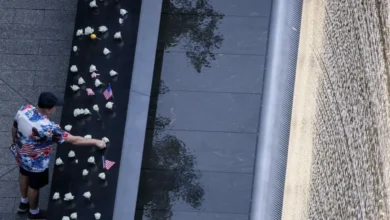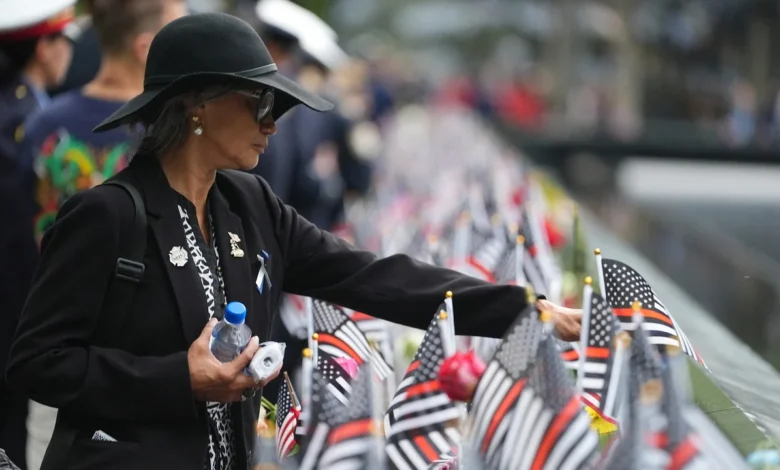
The city of New York marked a somber milestone on September 11, 2026, as the nation observed the 25th anniversary of the terrorist attacks that fundamentally altered the course of global history. At 8:40 a.m. local time, the atmosphere across Manhattan grew heavy with reflection as families of the victims, first responders, and government officials gathered at Ground Zero to honor the nearly 3,000 lives lost a quarter-century ago. The ceremonies remained strictly non-political, devoid of speeches, focusing instead on the solemn, rhythmic reading of the names of those who perished in the destruction of the World Trade Center, the attack on the Pentagon, and the crash of United Airlines Flight 93 in Pennsylvania.
A Chronology of the 2001 Tragedy
To understand the gravity of the 25th anniversary, one must revisit the timeline of that fateful Tuesday morning in 2001. The attacks, orchestrated by the al-Qaeda terrorist network, unfolded with a precision that caught the United States off guard and left the world in shock.
At 8:46 a.m., American Airlines Flight 11 struck the North Tower of the World Trade Center. Eighteen minutes later, at 9:03 a.m., United Airlines Flight 175 hit the South Tower, turning the financial heart of New York City into a landscape of fire and debris. As the nation watched in horror, a third plane, American Airlines Flight 77, struck the Pentagon in Arlington, Virginia, at 9:37 a.m. Finally, at 10:03 a.m., United Airlines Flight 93 crashed into a field near Shanksville, Pennsylvania, after passengers aboard the flight fought back against the hijackers, preventing the plane from reaching its intended target, believed to be the U.S. Capitol or the White House.
The collapse of the Twin Towers, which occurred at 9:59 a.m. for the South Tower and 10:28 a.m. for the North Tower, remains one of the most traumatic visual memories of the 21st century. In total, 2,977 victims were killed in the attacks, a death toll that would eventually rise as thousands more succumbed to illnesses related to the toxic dust and debris at the crash sites.
Solemn Observances and Political Presence
The 25th anniversary saw a notable convergence of political figures at Ground Zero. Vice President JD Vance joined former Presidents George W. Bush, Barack Obama, Bill Clinton, and Joe Biden. The presence of these leaders, representing two decades of American governance, underscored the bipartisan nature of the day’s mourning. Meanwhile, in Washington, D.C., President Donald Trump led a separate memorial service at the Pentagon, accompanied by First Lady Melania Trump, members of the Cabinet, and senior military leadership.
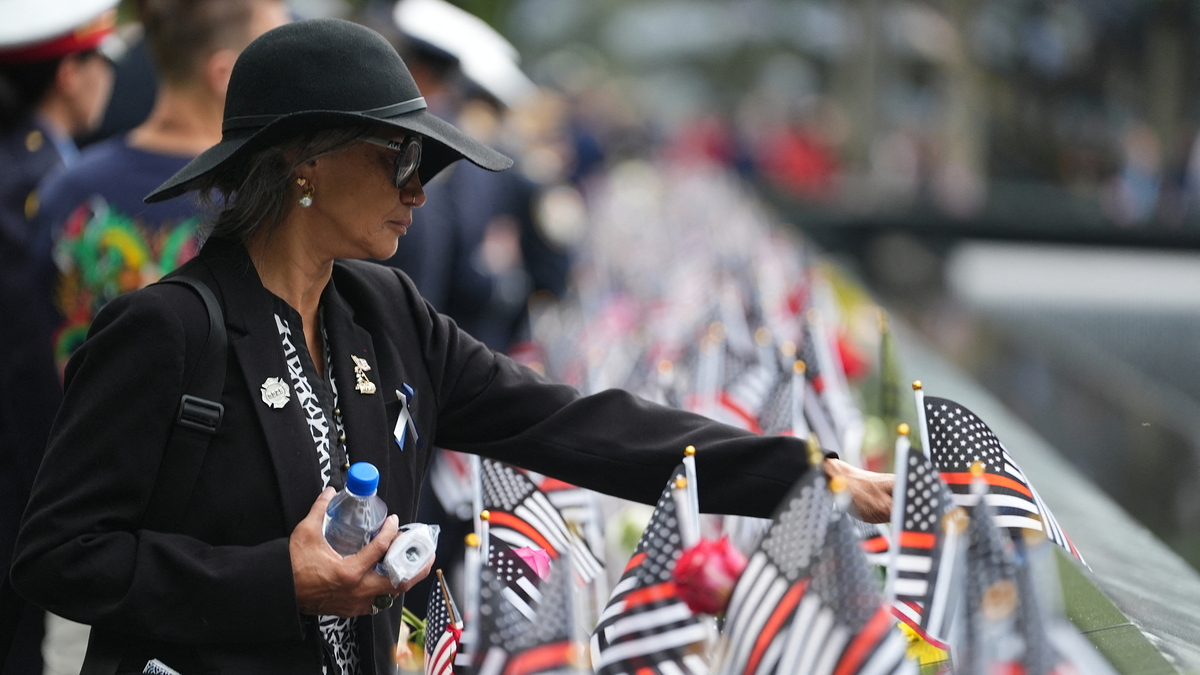
The ceremony at Ground Zero followed a long-standing tradition of silence. The official program included six moments of silence, marking the times of the four plane crashes and the collapse of the two towers. The final moment of silence was dedicated to those who have died since the attacks due to illnesses linked to the dust and toxic materials at Ground Zero, a group whose numbers now exceed 9,400, according to data from the World Trade Center Health Program.
The event was not without its moments of internal friction. Zohran Mamdani, a prominent figure in local New York politics, attended the ceremony despite facing calls from some political factions to boycott the event. The criticism stemmed from accusations regarding his alleged associations with individuals critical of American institutions, highlighting the ongoing, complex discourse regarding national identity and patriotism that continues to surround the legacy of 9/11.
Statistical Legacy and Long-term Impact
Beyond the immediate loss of life, the 25th anniversary serves as a moment to analyze the profound structural shifts in the American landscape. The immediate aftermath of 9/11 led to the creation of the Department of Homeland Security, a massive reorganization of the U.S. intelligence community, and the implementation of the USA PATRIOT Act. These measures fundamentally redefined the balance between civil liberties and national security.
Economically, the impact was immediate and long-lasting. The destruction of the World Trade Center, the heart of the global financial system, cost billions in direct property damage. However, the indirect costs—including the subsequent wars in Afghanistan and Iraq—totaled an estimated $8 trillion, according to the Costs of War project at Brown University. These conflicts, which spanned two decades, reshaped the Middle East and redirected the focus of U.S. foreign policy toward counter-terrorism.
The healthcare crisis resulting from the cleanup efforts has become an enduring challenge. The James Zadroga 9/11 Health and Compensation Act has provided necessary care for thousands of first responders and survivors who developed cancers and respiratory diseases. The fact that more people have died from 9/11-related illnesses in the years following the event than in the attacks themselves remains a sobering statistic that defines the "long tail" of the tragedy.
Reflections on the Quarter-Century Mark
Twenty-five years later, the event has transitioned from a contemporary news cycle to a historical cornerstone. For a generation born after 2001, 9/11 is a historical subject learned in textbooks, yet for those who witnessed the smoke rising from lower Manhattan, the memory remains as vivid as ever.

The absence of speeches at this year’s ceremony reflects a broader sentiment in the United States: a desire for the day to remain a sacred space for the bereaved, shielded from the polarized political environment that characterizes modern American life. By refusing to turn the anniversary into a platform for rhetoric, the organizers maintained the focus on the human cost of extremism.
As the sun set on New York City on September 11, 2026, the Tribute in Light—two beams of light reaching into the night sky—served as a final reminder of the two towers that once stood at the center of the city. The 25th anniversary has proven that while the physical skyline of New York has been rebuilt, the psychological and geopolitical scars of that day continue to evolve.
The United States stands in a different position today than it did in 2001. The focus has shifted from the initial war on terror to managing a multipolar global order, yet the lessons of 9/11—regarding intelligence failures, the necessity of international cooperation, and the fragility of public safety—remain central to the national conversation. As the nation moves forward, the annual ritual of reading names acts as a persistent thread connecting the past to the present, ensuring that the victims are never forgotten in the march of history.
Ultimately, the 25th anniversary of 9/11 serves as both an act of remembrance and a moment of national introspection. It honors the resilience of a city and a nation that had to reinvent itself in the shadow of catastrophe. As the official events concluded and the crowds dispersed from the memorial pools at Ground Zero, the quiet of the evening served as a testament to the enduring grief and the collective resolve that have defined the post-9/11 era.