Gold and Silver Prices Surge Sharply Following Persistent US Inflation Data and Escalating Middle East Tensions

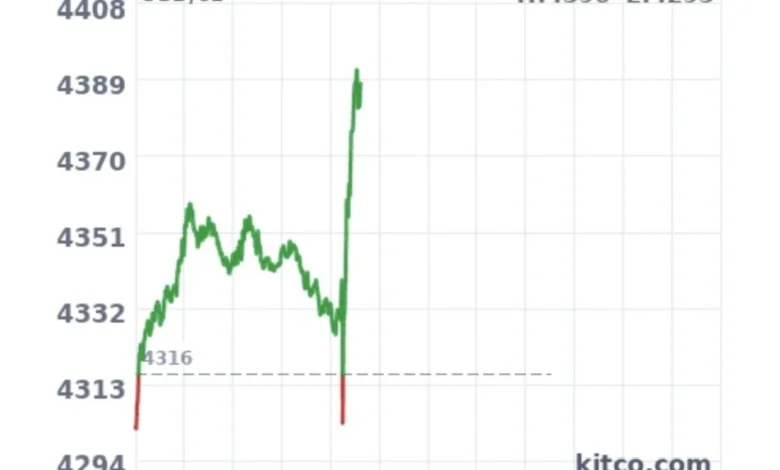
Precious metals experienced a robust and aggressive rally during the American trading session on September 11, 2026, as the United States Bureau of Labor Statistics released consumer price index (CPI) figures that underscored persistent inflationary pressures across the domestic economy. Spot gold staged an impressive upward surge, climbing nearly $90 per ounce in a single session to settle at $4,395 per ounce, representing a solid gain of roughly 1.5%. Industrial and precious counterpart silver followed suit with an even sharper relative percentage increase, jumping $1.30 per ounce to achieve an approximate 2% gain.
This dramatic market reaction reflects deep-seated anxieties among global investors regarding the trajectory of central bank monetary policy, macroeconomic stability, and the cascading effects of energy price volatility. As markets recalibrate their expectations for upcoming Federal Reserve policy decisions, both institutional and retail investors are aggressively repositioning their portfolios to hedge against the eroding purchasing power of fiat currency, driving unprecedented demand across safe-haven asset classes.
Detailed Breakdown of the US Inflation Report for August 2026
The latest consumer price data released by the US Bureau of Labor Statistics revealed that headline inflation rose by 0.4% in August, accelerating notably from the modest 0.1% increase recorded in July. This monthly uptick aligned closely with the median forecasts compiled by leading economic institutions and Wall Street consensus estimates. On an annualized basis over the past 12 months, headline inflation held firm at 3.4%, verifying economists’ projections that inflationary momentum remains sticky rather than rapidly subsiding toward the Federal Reserve’s long-term target.
Simultaneously, core CPI—which strips out the volatile food and energy sectors to provide a clearer view of underlying price trends—increased by 0.3% in August, creeping up from the 0.2% rise observed in July. While monthly core inflation ran slightly hotter than the consensus forecast of a 0.2% increase, the annualized core inflation rate cooled marginally to 2.4% over the past 12 months, down from 2.5% in July and matching expectations.

Despite the moderation in core annualized metrics, the primary driver behind the broader headline CPI acceleration was a sharp resurgence in energy costs. Gasoline prices surged by 3.9% during the month of August alone, single-handedly accounting for nearly one-third of the total increase in the overall consumer price index. Overall energy prices climbed 2.1% month-over-month, severely compounded by ongoing geopolitical friction and mounting conflicts in the Middle East that continue to exert severe upward pressure on global crude oil and refined fuel markets. Compared to the same period in the previous year, overall energy prices have skyrocketed by an astonishing 16.3%, sending ripple effects through global supply chains, transportation costs, and manufacturing inputs.
Chronology of Market Events and Trading Dynamics
The sudden surge in gold and silver prices unfolded rapidly following the official release of the Department of Labor statistics at 8:30 AM Eastern Time on September 11, 2026.
- Pre-Release Positioning: In the days leading up to the September CPI announcement, international bullion markets traded in a relatively tight consolidation range. Traders and commodity funds maintained a cautious posture, awaiting concrete confirmation of whether inflation would continue its downward drift or show signs of re-accelerating. Financial institutions, including UOB, had recently published aggressive long-term forecasts—such as projections placing gold as high as $5,400 per ounce by the third quarter of 2027—keeping baseline sentiment fundamentally bullish despite short-term fluctuations.
- The Data Drop and Immediate Reaction: Within minutes of the CPI print confirming a 0.4% monthly headline increase and persistent energy-driven pressures, algorithmic trading desks and institutional hedgers reacted swiftly. Spot gold broke through immediate technical resistance levels, moving aggressively from pre-market ranges upward toward the $4,395/oz threshold.
- Silver Sympathy Rally: Silver, functioning in a dual role as both a precious safe-haven asset and an essential industrial metal, experienced outsized volatility. The 2% surge to add $1.30 per ounce demonstrated robust buying interest not just from monetary hedgers, but also from industrial users seeking to lock in inventory ahead of projected manufacturing cost increases.
- Global Spillover: European and Asian markets subsequently absorbed the shockwaves during their respective subsequent trading sessions, resulting in heightened trading volumes across major commodity exchanges in London, New York, and Shanghai.
Macroeconomic Implications and Federal Reserve Policy Dilemmas
The persistent nature of domestic inflation places the Federal Reserve in an increasingly challenging policy dilemma as officials prepare for the upcoming Federal Open Market Committee (FOMC) meeting scheduled for the following week. Financial analysts and macroeconomic strategists have issued stern warnings that gold and silver could continue to face navigating headwinds or intense volatility if the latest data forces the central bank’s hand.
Market participants are now frantically repricing the probability of a hawkish policy response. While lower interest rates traditionally benefit non-yielding assets like gold by reducing the opportunity cost of holding bullion, persistent inflation raises the specter that the Federal Reserve may feel compelled to maintain elevated borrowing costs—or even implement a surprise rate hike—to anchor consumer expectations and prevent a wage-price spiral.
However, the simultaneous presence of geopolitical risks, particularly the protracted and volatile conflict dynamics in the Middle East, creates a bifurcated psychological environment for investors. On one hand, higher interest rates strengthen the US dollar and boost Treasury yields, which can temporarily suppress precious metals. On the other hand, the sheer scale of energy-driven inflation and the systemic risks associated with global supply chain disruptions amplify the appeal of physical gold and silver as ultimate stores of value.

Expert Analysis and Industry Outlook
Prominent market analysts emphasize that the August CPI report serves as a stark reminder that the "last mile" of the fight against inflation is proving exceptionally difficult for central bankers. The heavy reliance of the headline index on energy volatility highlights how external, geopolitical variables remain largely outside the direct control of domestic monetary policy.
Furthermore, institutional commentary suggests that physical demand for precious metals from central banks, particularly in emerging markets seeking to diversify foreign exchange reserves away from dollar-denominated assets, continues to provide a formidable structural floor for prices. Even if aggressive interest rate adjustments by the Federal Reserve trigger temporary pullbacks or technical corrections in the near term, the broader macroeconomic backdrop—characterized by elevated debt levels, geopolitical fragmentation, and sticky structural inflation—continues to reinforce the long-term bullish thesis for both gold and silver through the remainder of 2026 and into 2027.
As market participants look ahead to the Federal Reserve’s impending policy announcement, trading desks anticipate heightened volatility across currency, bond, and commodity markets. Investors are advised to closely monitor incoming labor market reports, manufacturing indices, and developments in international energy corridors to gauge the immediate path forward for global asset prices.