Global geopolitical tensions have escalated simultaneously across multiple critical fronts, drawing intense international scrutiny as diplomatic initiatives stutter and regional flashpoints flare up. Recent developments highlight a complex web of friction spanning the protracted Russia-Ukraine conflict, mysterious munitions depot explosions in Eastern Europe, shifting strategic doctrines in the Middle East, and escalating maritime security threats in the vital Strait of Hormuz. These unfolding events underscore a precarious international landscape where traditional diplomatic frameworks face unprecedented stress tests.
Diplomatic Stall and Kremlin’s Invitation to Kyiv
The diplomatic landscape surrounding the ongoing war in Eastern Europe witnessed a notable development on September 12, 2026, when Russian Foreign Minister Sergey Lavrov addressed a proposal regarding Ukrainian President Volodymyr Zelensky. Lavrov acknowledged suggestions for a potential high-level summit between President Zelensky and Russian President Vladimir Putin in Moscow toward the end of the year. While affirming that Moscow remains prepared to host the Ukrainian leader for formal peace negotiations, the Russian foreign minister emphasized a rigid prerequisite: Russia will not suspend its ongoing special military operation during the course of organizing and conducting these high-stakes meetings.

This diplomatic maneuvering unfolds against a backdrop of mounting frustration within Kyiv regarding the efficacy of external mediation efforts. Kyrylo Budanov, Chief of the Office of the President of Ukraine, candidly acknowledged that U.S. special envoys Steve Witkoff and Jared Kushner failed to introduce any novel strategic concepts or breakthrough frameworks during their recent diplomatic mission to Kyiv. Although international intermediaries have attempted to revitalize the stalled peace process, both belligerents remain far apart on core territorial and security guarantees. Consequently, President Zelensky has publicly warned that the intense armed conflict will likely persist unabated through the harsh winter months, presenting compounding humanitarian and logistical challenges for the region.
Industrial Sabotage and Munitions Storage Explosion in Bulgaria
Logistical supply chains supporting Ukraine’s defense received a severe blow on September 12, 2026, when a massive explosion ripped through a defense manufacturing and storage facility operated by EMCO near the village of Tsareva Livada in central Bulgaria. The violent blast triggered a ferocious fire that rapidly jumped between multiple storage bunkers, creating a volatile emergency response situation. According to statements cited by The Kyiv Independent from Gabrovo Regional Governor Kristina Sidorova, the inferno necessitated the evacuation of surrounding areas and required extensive deployment of firefighting assets, though miraculous preliminary reports indicated zero casualties among workers or local residents.
In the immediate aftermath of the disaster, EMCO leadership issued a definitive public statement denouncing the incident as a deliberate act of industrial sabotage while categorically dismissing human error or technical malfunction as root causes. However, Bulgarian authorities have maintained a more cautious investigative posture while reviewing the evidence. Interior Minister Ivan Demerdzhiev stated that state investigators are actively probing external interference and state-sponsored sabotage operations, pointing simultaneously to potential systemic security vulnerabilities at defense installations across the country. This incident aligns with a disturbing pattern of suspicious explosions at munitions plants across Eastern and Central Europe over the past decade, heavily taxing the continent’s military manufacturing capabilities.

Strategic Shifts and the Targeting of U.S. Air Power Vulnerabilities in the Middle East
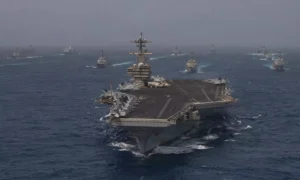
The theater of conflict in the Middle East has experienced a profound tactical evolution, highlighted by aggressive maneuvers involving Iranian forces and U.S. military infrastructure. Historically, the United States deployed advanced air defense and tactical aviation assets to regional allies such as Saudi Arabia and Jordan to create an impenetrable defensive umbrella against potential Iranian aerial assaults. Following the systematic destruction of several primary ground-based radar installations, Washington engineered a sophisticated networked early-warning architecture combining high-altitude reconnaissance aircraft and unmanned aerial vehicles to extend reaction times and geographical buffers.
Recognizing that these heavily fortified fixed airbases presented nearly insurmountable barriers to traditional missile strikes, military planners in Tehran pivoted toward an asymmetric doctrine targeting the logistical backbone of American air power: mid-air refueling networks and airborne support systems. Because modern strike aircraft, fighters, and airborne early warning (AWACS) platforms rely entirely on uninterrupted aerial refueling to sustain long-range combat missions, fuel tankers became the ultimate Achilles’ heel of the coalition’s defensive posture.
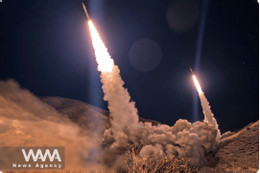
In a meticulously coordinated multi-domain campaign, waves of Iranian kamikaze drones and precision ballistic missiles targeted this support architecture. The strike reportedly neutralized or severely damaged seven critical aerial refueling tankers, disabled a sophisticated THAAD (Terminal High Altitude Area Defense) anti-ballistic missile battery, scattered an AWACS radar platform, and temporarily paralyzed a primary command and control hub responsible for routing strategic fuel assets across the region. This targeted disruption effectively stripped U.S. air operations of their operational longevity, forcing a comprehensive reassessment of force protection protocols in Washington.

Maritime Security Crisis Deepens in the Strait of Hormuz
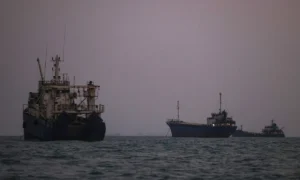
Commercial shipping traversing the strategically vital Strait of Hormuz faced immediate peril on the morning of September 13, 2026, when two distinct maritime vessels fell victim to kinetic attacks within a matter of hours. Initial reports confirmed that a Panama-flagged oil tanker sustained a direct missile hit, forcing the vessel to immediately halt its voyage and issue distress signals. Just hours later, a secondary commercial vessel linked to Iran was struck near Hengam Island by an unidentified projectile, resulting in the tragic death of one crew member and severe injuries to three others.
Local maritime authorities, including Qeshm Governor Amir Teymouri, publicly blamed the United States for orchestrating or enabling the strike targeting Iranian commercial interests, though international maritime monitors have urged restraint pending definitive forensic conclusions. These incidents transpired amid an atmosphere of extreme geopolitical friction along the world’s most critical oil transit chokepoint. U.S. President Donald Trump maintained that Washington retains absolute control over the security architecture of the Strait of Hormuz, asserting that aggressive counter-measures have successfully neutralized underwater mine threats and hostile naval patrols from the shipping lanes. Nonetheless, the persistent vulnerability of commercial shipping underscores the immense economic risks tied to regional military escalations, threatening global energy markets and supply chain stability.
Broader Geopolitical Implications and Outlook
The convergence of stalled diplomatic breakthroughs in Eastern Europe, mysterious infrastructural sabotage within NATO’s eastern flank, asymmetric challenges to Western air superiority in the Middle East, and violent maritime disruptions in the Persian Gulf paints a sobering picture of contemporary global stability. As major powers recalibrate their strategic postures, the margin for diplomatic error narrows significantly.
In Ukraine, the prospect of a grinding winter campaign signals that military attrition will continue to dictate political realities, leaving little room for premature optimism regarding a negotiated settlement. Concurrently, the vulnerability of critical defense manufacturing hubs in nations like Bulgaria highlights the pervasive nature of hybrid warfare, where supply lines far behind the front lines remain active battlegrounds. Meanwhile, the successful targeting of U.S. aerial refueling capabilities and the ongoing maritime skirmishes in the Strait of Hormuz demonstrate that regional actors possess advanced asymmetric capabilities capable of neutralizing conventional technological overmatch.
Ultimately, these disparate crises are intrinsically linked by a shifting international order where deterrence mechanisms are routinely tested, traditional alliances face compounding internal pressures, and regional conflicts threaten to cascade into broader global economic and security dislocations. Navigating this turbulent phase will require unprecedented diplomatic dexterity and risk management from world leaders to prevent localized flashpoints from spiraling out of control.