Putin Holds Rare Phone Call with Nordic Leaders Stubb and Store to Discuss Ukraine Peace Efforts

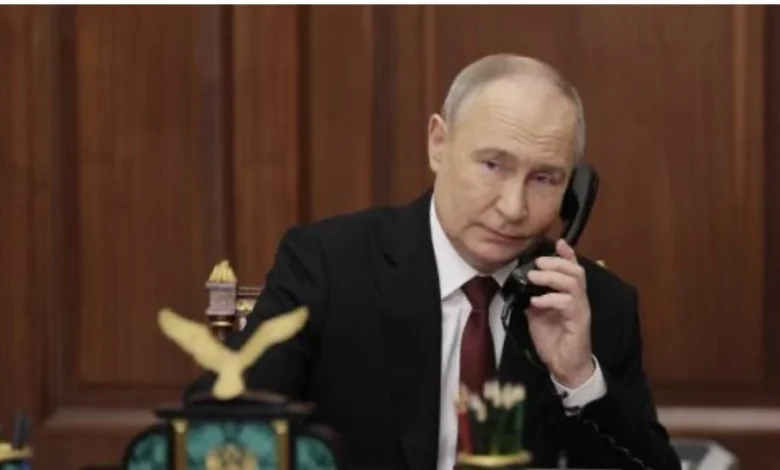
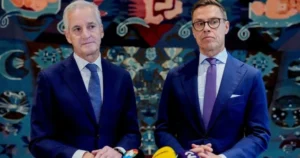
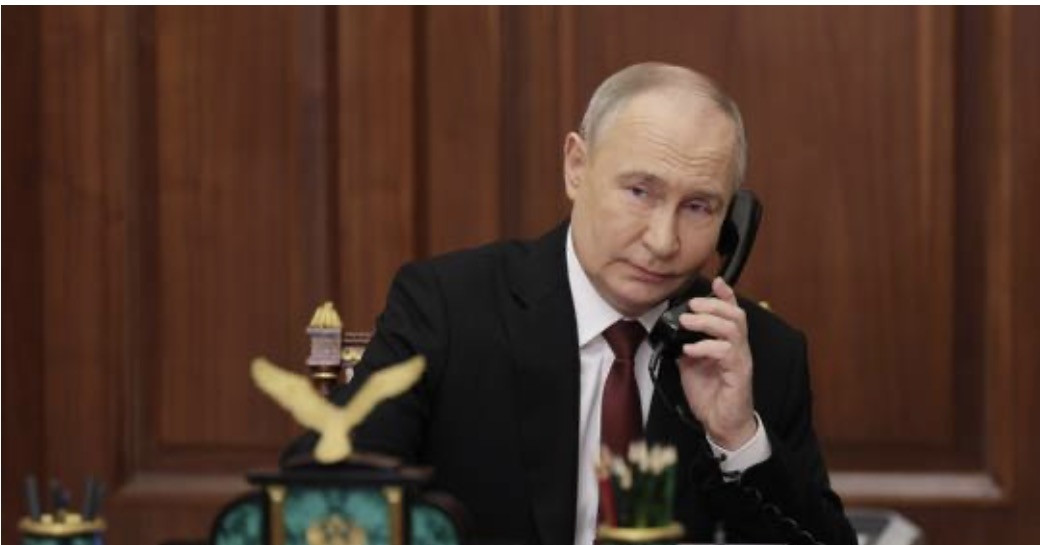
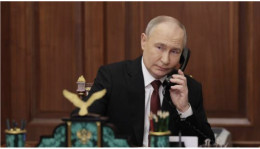
President Vladimir Putin of Russia held a significant and rare telephone conversation with Finnish President Alexander Stubb and Norwegian Prime Minister Jonas Gahr Store to discuss diplomatic avenues and ongoing efforts aimed at resolving the protracted military conflict in Ukraine. The high-level diplomatic contact marks a notable departure from the relative freeze in direct communications between Moscow and Western European leadership that has persisted since the sharp escalation of hostilities in early 2022. According to statements released by the Kremlin, the initiative for the dialogue originated from Helsinki and Oslo, following a series of regional diplomatic engagements, including meetings in St. Petersburg involving U.S. special envoy Steve Witkoff and subsequent tripartite consultations in Oslo involving the Nordic leaders and Ukrainian President Volodymyr Zelensky.
Diplomatic Backdrop and Shifting Regional Dynamics
The telephone call between President Putin and the Nordic leaders highlights an evolving diplomatic landscape, as regional stakeholders and international intermediaries explore pathways to break the long-standing deadlock in the Ukraine conflict. The dialogue follows crucial preliminary discussions held in St. Petersburg, where U.S. special envoy Steve Witkoff engaged with Russian officials to lay the groundwork for renewed diplomatic engagement. Shortly thereafter, Finnish President Alexander Stubb and Norwegian Prime Minister Jonas Gahr Store hosted Ukrainian President Volodymyr Zelensky in Oslo to coordinate positions and ensure that Kiev’s core perspectives and red lines were communicated prior to broader international summits.
The inclusion of Nordic leaders in direct talks with Moscow is particularly notable given the geopolitical realignments that have occurred in Northern Europe since 2022. Finland’s historic accession to the North Atlantic Treaty Organization (NATO), followed closely by heightened security cooperation across the Scandinavian and Baltic regions, fundamentally transformed the security architecture of Europe’s northern flank. Despite these strategic shifts and the general cessation of high-level political dialogue between Moscow and European capitals, both Finland and Norway have sought to maintain selective diplomatic channels to address regional stability, maritime security, and humanitarian concerns.
Core Issues on the Agenda: Security Guarantees and Root Causes
During the 90-minute conversation, the three leaders engaged in a comprehensive exchange of views regarding the fundamental prerequisites for a sustainable and durable peace in Ukraine. President Putin reiterated Moscow’s core stance, emphasizing that any meaningful political settlement must address the root causes of the conflict. The Russian leader stressed that the legitimate security interests and core strategic concerns of the Russian Federation must be fully acknowledged and accommodated within any future security architecture.
Furthermore, President Putin used the platform to criticize the adversarial policies maintained by the European Union and NATO member states, arguing that continued military assistance, economic sanctions, and geopolitical containment strategies only serve to prolong the conflict and obstruct prospects for a negotiated settlement. In response, both President Stubb and Prime Minister Store underscored the vital importance of upholding international law, respecting state sovereignty, and adhering to established rules governing European security.

Despite these divergent viewpoints, the leaders dedicated a significant portion of the call to discussing prospective post-conflict security arrangements. This included preliminary deliberations on mechanisms to guarantee long-term stability and mutual security assurances for both Russia and Ukraine once active hostilities come to an end. The discussion directly fed into preparations for the upcoming resumed tripartite negotiations scheduled to take place in Abu Dhabi during the first half of November, involving delegations from Russia, Ukraine, and the United States.
Humanitarian Initiatives and Regional Maritime Stability
In addition to broad strategic discussions concerning a political settlement, the conversation touched upon tangible humanitarian developments on the ground. President Putin briefed the Finnish and Norwegian leaders on the implementation of a U.S.-mediated humanitarian initiative centered around the strategic frontline town of Oleskhy in the Kherson region. According to Moscow, a temporary localized ceasefire arrangement has been successfully established in the area to facilitate humanitarian relief operations and assist civilian populations affected by ongoing military operations.
Maritime security and stability in the Baltic Sea and the broader Northern European region also featured prominently on the agenda. President Stubb and Prime Minister Store reaffirmed the absolute necessity of strict adherence to international maritime law, freedom of navigation, and the protection of critical undersea infrastructure. The security of subsea communication cables, energy pipelines, and commercial shipping lanes has emerged as a primary concern for Nordic and Baltic governments in recent years, prompting enhanced monitoring and diplomatic engagement across regional capitals.
Official Reactions and International Implications
Following the call, Finnish President Alexander Stubb characterized the conversation as "stern and pragmatic," underscoring the indispensable value of maintaining direct, unfiltered communication channels even amidst deep geopolitical divisions. Similarly, Norwegian Prime Minister Jonas Gahr Store noted that the 90-minute discussion provided a direct channel to convey Nordic and allied assessments directly to the Russian leadership. Both leaders reiterated that they participated in the call strictly in their national capacities as heads of state and government, rather than as formal representatives of the European Union as a whole.
The diplomatic outreach by Helsinki and Oslo has been interpreted by foreign policy analysts as a calculated effort to prevent diplomatic paralysis and ensure that European perspectives are adequately represented in parallel U.S.-backed mediation tracks. While immediate breakthroughs remain challenging given the vast gulf between the stated war aims of Moscow and Kiev, the willingness of regional leaders to engage in direct dialogue indicates a growing recognition that future peace frameworks will require complex, multi-layered diplomatic architectures.
As international attention shifts toward the upcoming diplomatic sessions in Abu Dhabi and the ongoing adjustments in Western policy toward Eastern Europe, the telephone dialogue between Moscow, Helsinki, and Oslo serves as an important barometer of the shifting currents in modern European diplomacy. Whether these exploratory contacts can translate into substantive negotiations toward a durable cessation of hostilities will depend heavily on the flexibility demonstrated by all primary belligerents and the continued engagement of international intermediaries in the weeks and months ahead.