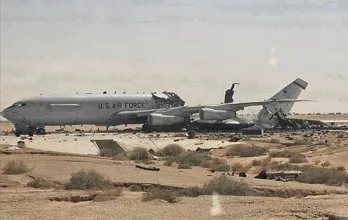
Numerous declarations made by then-President Donald Trump regarding the supposed dismantling or severe weakening of Iran’s military capabilities have proven to be overstated, particularly following nearly half a year of conflict. While Iran’s engagements have escalated in recent weeks, with clashes intensifying over the past fortnight, President Trump’s assertions on July 8th of a ceasefire between the two nations have been called into question.
During a congressional hearing on July 21st and 22nd, Democratic lawmakers pressed Secretary of Defense Pete Hegseth and U.S. Ambassador to the United Nations Mike Waltz on several of President Trump’s pronouncements concerning the conflict, which, to date, have not materialized as predicted.
Declarations of Iran’s "Dismantled Military"
President Trump repeatedly asserted that Iran’s military power had been entirely neutralized following a series of significant U.S. and Israeli airstrikes. On July 3rd, he stated, "Almost everything they had is gone, including their missile capabilities." By July 4th, he reiterated, "Iran no longer has the ability to strike." On July 5th, he officially declared, "Iran’s military is completely gone," and "we have eradicated their military power." He continued his pronouncements that same day, asking rhetorically, "Look, do they still have an army?"
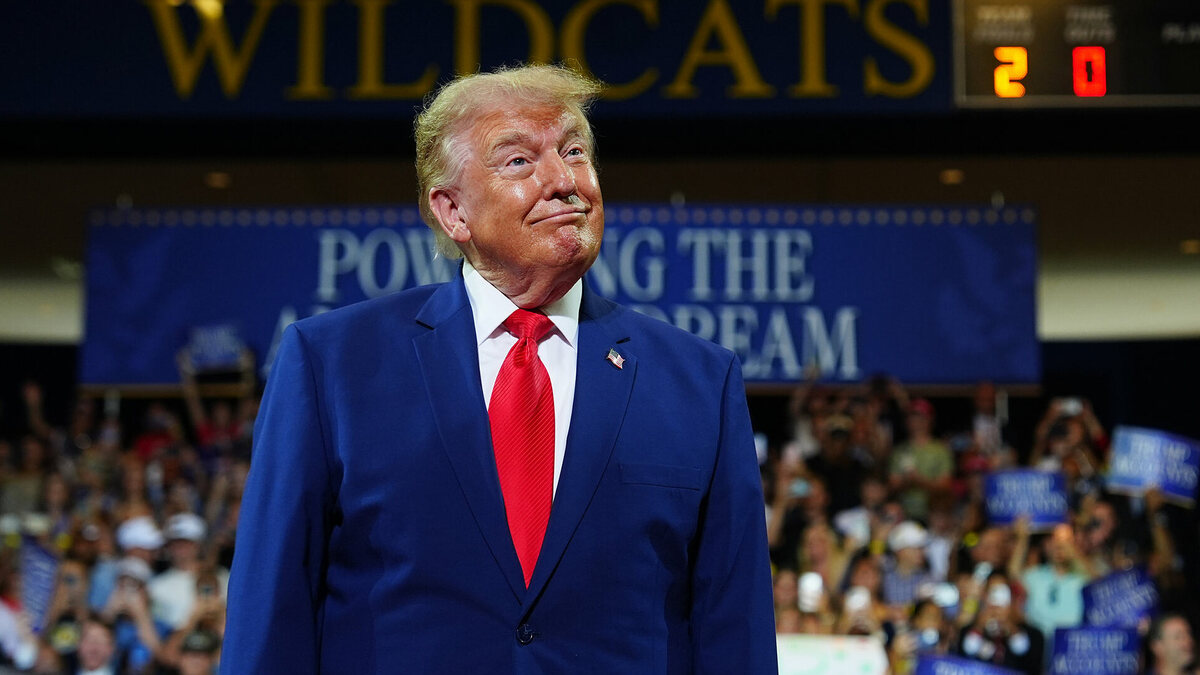
However, despite President Trump’s pronouncements, Iran continued to launch attacks against U.S. forces and their allies in the region, including Saudi Arabia, and targeted oil tankers traversing the Strait of Hormuz. At least three U.S. service members were reported to have been killed in an attack on a U.S. base in Jordan shortly before.
These actions suggest that President Trump may have misrepresented the actual situation regarding Iran’s military strength, according to Daniel Dale, a CNN analyst. CNN reported on July 5th that U.S. intelligence had discovered that Iran was still maintaining its military capabilities and was rapidly rebuilding its combat readiness, which had been weakened by the conflict. President Trump himself occasionally acknowledged that Iran still possessed "some" missile capabilities and drones, though he maintained that much of the country’s military had been destroyed.
Escalation of Tensions
President Trump had repeatedly declared that his "Operation Desert Storm" campaign, which began on February 28th, would conclude swiftly. "We always predicted it would be about a month. Iran is a big country, but it’s only about a month, or maybe a little more," Trump stated during an interview with the Daily Mail in early July. In an interview with The New York Times on the same day, he said, "We expect it to be over in four to five weeks," adding that "everything will be over very soon."
On July 3rd, he continued to assert, "We expect it to be over in about four to six weeks to complete the mission," and that U.S. forces "are moving forward very quickly."
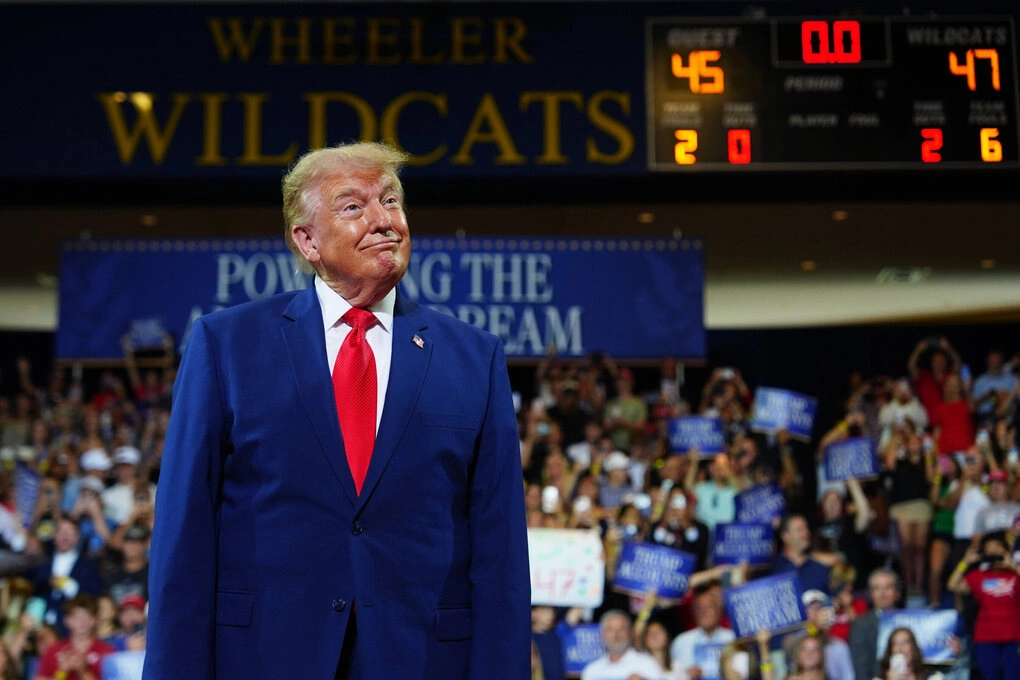
President Trump also made numerous general statements indicating that the conflict would soon reach its end. On July 3rd, he stated the conflict would end "very quickly," and by July 5th, he said, "We will end this conflict very, very quickly."
However, unlike previous conflicts, the current escalation with Iran suggests a more prolonged and complex resolution than initially anticipated. Nearly five months after President Trump launched his campaign, hostilities persist. On July 22nd, President Trump further escalated tensions by stating that U.S. forces would destroy an Iranian oil refinery or a power plant if Iran attacked a vessel in the Strait of Hormuz. The following day, he told Axios that he was "considering a major, a larger than ever before" strike against Iran, stating that the country "hasn’t learned its lesson yet."
The Strait of Hormuz
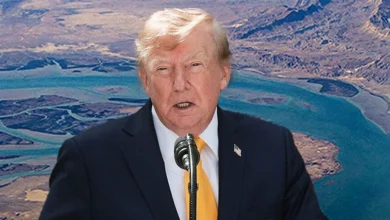
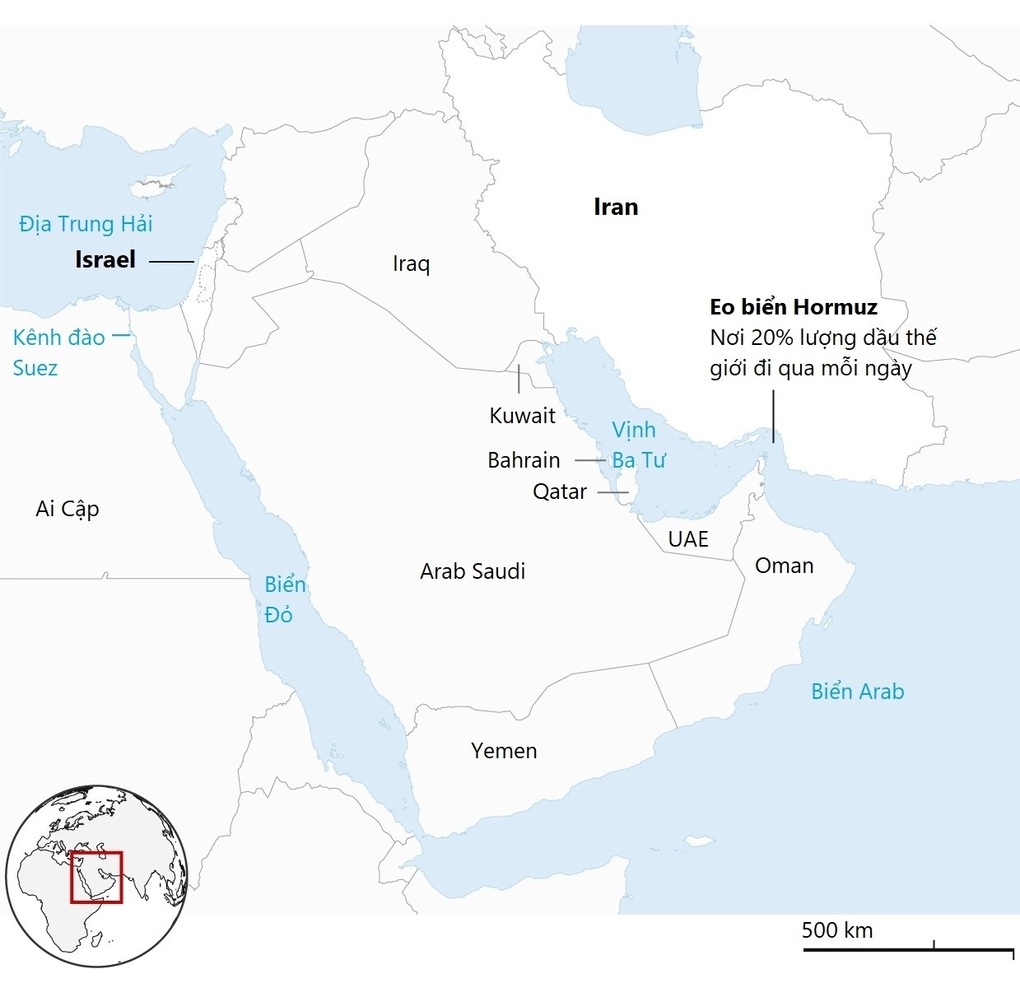
On July 13th, President Trump declared, "The Strait of Hormuz is open, it will continue to be open whether Iran has anything to do with it or not." He announced that the United States would "definitely be going to the Strait" and would "make sure the Strait is open." In an interview on the same day, he said, "We are escorting the Strait. They have nothing." On July 19th, President Trump made an even stronger statement, asserting, "We control the Strait. They can’t control anything," a clear reference to Iran.
Despite President Trump’s pronouncements during this period, Iran maintained its control over the Strait of Hormuz, even as U.S. naval forces imposed a blockade on oil tankers and Iranian ports. The U.S. Central Command (CENTCOM) confirmed that Iran had conducted over 30 attacks targeting commercial vessels during the escalating conflict. According to CENTCOM, these attacks jeopardized the safety of hundreds of ships and undermined freedom of navigation in the region.
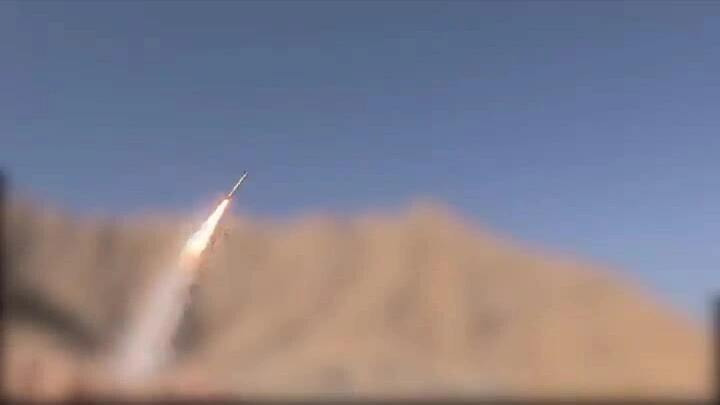
Iran has denied responsibility for attacks targeting oil tankers in the Gulf. The Joint Maritime Information Center (JMIC), led by U.S. naval forces, reported that as of July 21st, the number of oil tankers transiting the strait had dropped to its lowest point in three weeks. JMIC stated that Iran continued to engage in "disruptive activities" targeting commercial vessels. Recent attacks, including those targeting oil tankers in the Gulf of Oman, have raised concerns, forcing several shipping companies to alter their operating plans and reduce maritime traffic.
Oil Prices
In the latter half of June, amidst the negotiations for a ceasefire with Iran, President Trump boasted that "oil prices are falling very rapidly," and predicted that they "will soon be at the target price of $40 a barrel," which he stated was the price before the escalation. By July 8th, he declared, "As you can see, oil prices have fallen lower than when I took office," and that "oil prices are falling uncontrollably." He further noted that the conflict on that particular day would "end very quickly."
During an interview with the Daily Mail on July 19th, he continued to assert that oil prices were "falling rapidly."
Oil prices fell significantly in late June and early July compared to their peaks during the conflict in March and April. However, oil prices subsequently rebounded as the ceasefire agreement between the U.S. and Iran neared and as both countries renewed their attacks on each other. The conflict’s impact on oil prices did not conclude as quickly as President Trump predicted on July 8th, according to Daniel Dale. Oil prices the previous week and this week have continued to climb.
On July 22nd, Brent crude oil futures, a global benchmark, settled at $94.07 per barrel, an increase of approximately 3.4% on the day. This marked the highest price since June 8th. U.S. West Texas Intermediate (WTI) crude oil futures also rose by about 3% on the same day, settling at $86.83 per barrel, the highest since June 11th. Both Brent and WTI crude oil have surpassed the levels seen when President Trump began his war and the levels he projected returning to in January 2025, according to CNN.
In a press conference in Georgia on the same day, President Trump once again predicted that oil prices "will be falling" within three weeks. He urged the American people to "just hold on for a little while."
Thanh Tam (According to CNN, CBS News, AFP)