Prompt Response and Public Vigilance: Hanoi Police Intervene Just in Time to Prevent Tragedy Along Thanh Nien Road

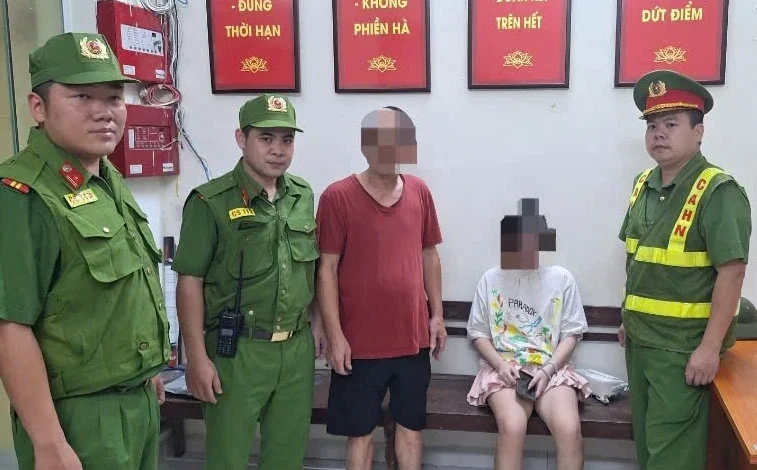
Late-night urban patrols often serve as the first and last line of defense against both crime and unforeseen personal tragedies in modern metropolitan areas. In the early hours of a recent morning, precisely at 0:15 AM, vigilant officers from the Ba Dinh Ward Police Department in Hanoi successfully averted a potentially fatal incident. While conducting routine security checks along the scenic and heavily trafficked Thanh Nien Road, patrol units spotted a woman exhibiting severe signs of psychological distress and unstable behavior. The swift convergence of law enforcement presence, combining local precinct officers with mobile intervention teams, highlights the critical role of proactive policing in urban mental health crisis management.
The Midnight Intervention: A Race Against Time
The incident unfolded during a standard overnight patrol designed to maintain public order, deter criminal activity, and secure local neighborhoods during vulnerable hours. As the Ba Dinh Ward police team traversed the Thanh Nien Road corridor—situated between the picturesque West Lake and Truc Bach Lake—their attention was drawn to a lone woman standing near the roadside, visibly distressed. Recognizing the acute danger and potential for self-harm, officers immediately initiated contact.
Demonstrating high levels of operational awareness and emotional intelligence, the patrol team did not approach aggressively. Instead, they adopted a calm, empathetic posture. Recognizing the complexity of the situation, they promptly coordinated with nearby units from the 113 Police Force of the Hanoi City Police, who were operating in the immediate vicinity on separate security assignments. This collaborative, multi-agency response proved essential in securing the scene and neutralizing any immediate threat of irreversible harm.
For several tense minutes, the officers engaged the woman in gentle dialogue. They offered verbal reassurance, psychological stabilization techniques, and steady emotional support. Their primary objective was to lower her emotional agitation, help her regain composure, and systematically dismantle any immediate intent to commit self-harm. By exercising patience and profound empathy, the officers transformed a volatile, life-threatening crisis into a controlled, safe environment.
Securing and Identifying the Individual
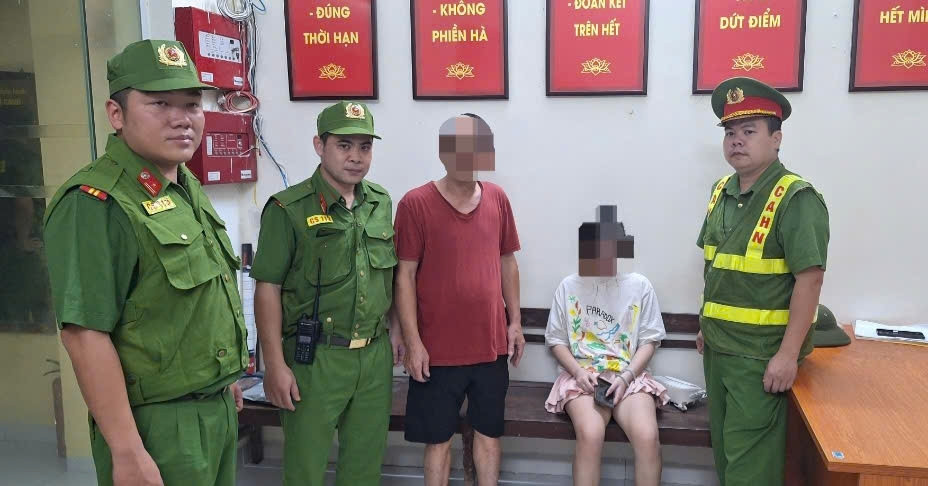
Once the immediate danger was neutralized and the woman’s emotional state had sufficiently stabilized, officers initiated standard verification procedures. To ensure her safety, protect her privacy, and conduct a thorough assessment, the patrol team safely transported her to the headquarters of the Ba Dinh Ward Police Department.
Upon arrival at the station, law enforcement personnel provided a secure, quiet environment away from public view, offering water and continued emotional support. Subsequent verification of her identity confirmed that she was a local resident, identified as Ms. B.T.O., who permanently resides within the Ba Dinh district.
Realizing the importance of familial support in mental health intervention protocols, precinct officers wasted no time. They quickly accessed emergency contact databases and successfully established communication with Ms. O.’s immediate family members. Authorities formally invited her close relatives to the station to facilitate a safe reunion, coordinate ongoing care, and formulate a supportive strategy moving forward.

Family Gratitude and the Human Element of Policing
The successful resolution of the midnight crisis left a profound impression on the family of Ms. O. Deeply moved by the unwavering compassion, professionalism, and human-centric approach demonstrated by the officers of the Ba Dinh Ward Police Department, the family formally expressed their profound appreciation.
In a heartfelt gesture that transcends routine administrative procedures, Ms. O.’s family authored a formal thank-you letter addressed to the leadership and rank-and-file officers of the Ba Dinh Ward Police. The correspondence specifically highlighted the empathy, dedication, and swift actions of the patrol team, noting that their intervention not only saved a life but also preserved a family from unimaginable grief. The letter stands as a testament to the evolving nature of modern law enforcement, where community policing frequently intersects with crisis counseling, social welfare, and mental health advocacy.
Broader Implications: Urban Mental Health and Public Safety
The incident along Thanh Nien Road is not an isolated event, but rather part of a broader, increasingly complex landscape of urban mental health challenges intersecting with public safety across major Vietnamese cities like Hanoi and Ho Chi Minh City. In recent years, urban law enforcement agencies have observed a measurable rise in mental health crises, acute stress-induced episodes, and behavioral emergencies occurring in public spaces.
Law enforcement bodies, traditionally trained for tactical intervention and crime suppression, are increasingly required to function as first responders to psychological distress. This shift necessitates specialized training in crisis negotiation, de-escalation techniques, and mental health first aid. The successful outcome in the Ba Dinh district underscores the tangible benefits of equipping patrol officers with the emotional tools and collaborative frameworks needed to handle vulnerable individuals with care and discretion.

Moreover, the incident sheds light on the critical importance of community vigilance and prompt reporting. Public spaces such as Thanh Nien Road—frequented by late-night commuters, tourists, and residents—can sometimes become settings where hidden personal battles manifest publicly. The presence of proactive patrol teams ensures that individuals experiencing acute psychological distress do not slip through the cracks of the urban environment unnoticed.
Addressing the Wider Context of Mental Health Crises and Public Risk
The broader societal impact of unattended psychological crises often manifests in tragic ways or, conversely, in troubling digital trends. In recent periods, urban centers have witnessed various concerning phenomena, ranging from public self-harm incidents driven by personal and emotional conflicts to sensationalized digital content where individuals simulate or encourage self-destructive behavior for online engagement, such as views and likes on social media platforms like TikTok.
These trends have prompted Vietnamese authorities to adopt a two-pronged approach: strictly penalizing online content that glorifies or incites self-harm, while simultaneously strengthening ground-level intervention protocols for individuals experiencing genuine psychological crises. Law enforcement agencies, local administrative bodies, and healthcare networks are increasingly called upon to coordinate closely to identify at-risk individuals before situations escalate to tragedy.
Furthermore, the underground trade and circulation of dangerous chemical substances—such as industrial-grade poisons frequently linked to high-profile domestic or desperate self-harm incidents—have triggered massive, sweeping crackdowns by security forces. Major operations involving hundreds of police officers dismantling transnational smuggling rings demonstrate that safeguarding public safety requires comprehensive vigilance across multiple fronts, from chemical regulation to immediate mental health crisis intervention.

Conclusion: A Model for Compassionate Law Enforcement
The midnight intervention on Thanh Nien Road serves as a powerful reminder that effective policing extends far beyond law enforcement and crime prevention; it encompasses the fundamental protection of human life in its most vulnerable moments. The swift, compassionate, and coordinated actions of the Ba Dinh Ward Police and the 113 Police Force averted a tragedy and provided a troubled citizen with a second chance at life, surrounded by the support of her family.
As urban centers continue to expand and face modern societal pressures, the integration of empathy, professional crisis de-escalation, and community-focused policing will remain vital. Incidents like this highlight the dedication of Vietnam’s frontline officers, proving that behind the uniform lies a profound commitment to serving and protecting the peace, safety, and well-being of every citizen.