Living in harmony with nature: The transformation of flood season livelihoods into sustainable tourism in Dong Thap

The annual flood season in the Mekong Delta, long regarded by local communities as both a challenge and a seasonal rhythm, is undergoing a profound transformation. Residents in the Cao Lanh and Thap Muoi districts of Dong Thap province are shifting away from traditional, extractive livelihoods toward sustainable ecotourism models. By repurposing ancient fishing practices and leveraging the natural landscape, these communities are turning the "flood season" into a thriving, regenerative source of income that balances economic necessity with environmental stewardship.
The Historical Context of the Flood Season
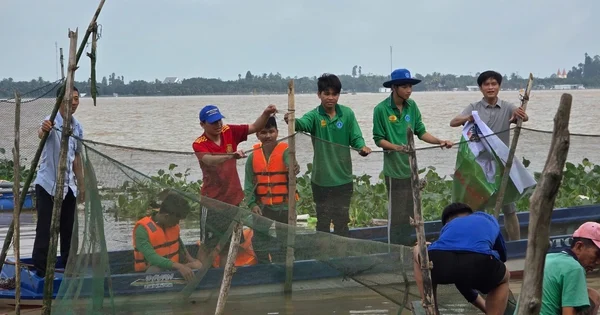
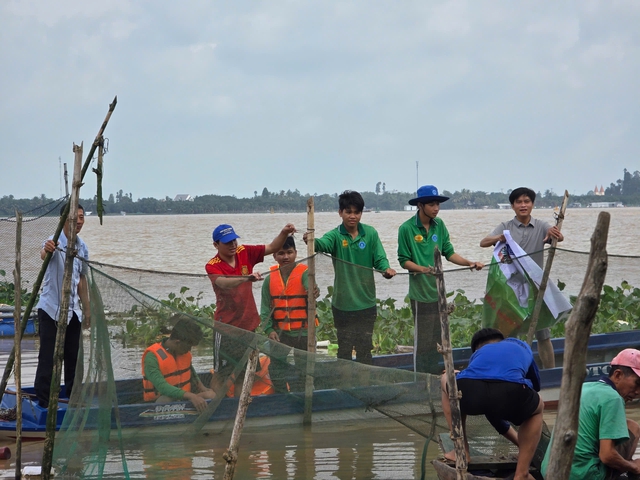
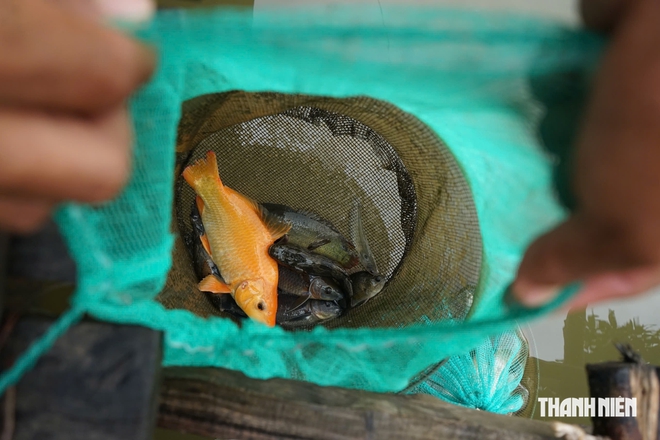
For generations, the "flood season" (mua nuoc noi) has been the defining event of the Mekong Delta. Historically, it was viewed as a time of abundance, bringing nutrient-rich silt and an influx of aquatic resources. Families relied on traditional fishing techniques, such as the "do cha" (brush bundle fishing), where bamboo branches and various tree foliage are submerged in riverbeds to create shelters for fish and shrimp. When the aquatic population congregated, residents would surround the area with nets and harvest the yield.
However, over the last two decades, climate change, upstream dam construction, and shifts in agricultural practices have led to a decline in natural fish stocks. This environmental stress forced a shift in the local economic landscape. What was once a self-sustaining way of life became increasingly precarious, prompting a transition from passive extraction to active management of natural resources.
Transitioning to Experiential Tourism
The current shift in Dong Thap is not merely a change in occupation but a fundamental redesign of how the community interacts with its ecosystem. At the heart of this movement is the integration of traditional fishing practices into the tourism experience.
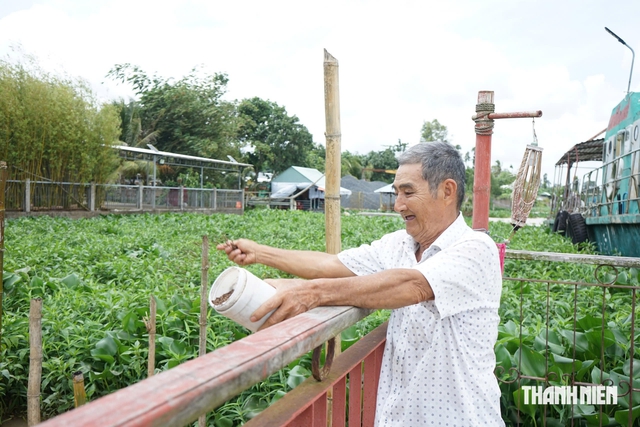
In the Tan Dan hamlet of Cao Lanh, residents are actively pivoting from subsistence fishing to service-based tourism. Figures such as 74-year-old Le Phuoc Tanh have become instrumental in this transition. By establishing ecological tourism sites that highlight traditional fishing techniques, locals are finding that their heritage is a valuable asset.
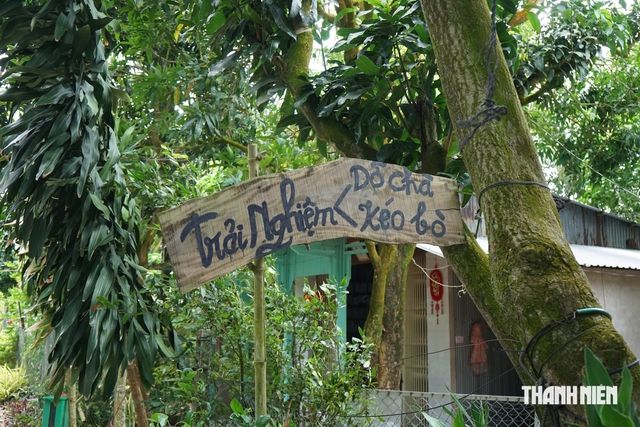
When visitors arrive, they are no longer mere spectators. They are invited to participate in the "do cha" process—casting nets, harvesting, and preparing the catch on the spot. This hands-on involvement allows tourists to appreciate the cultural depth of the region while providing the hosts with a stable, supplemental income that does not rely on the depletion of dwindling natural stocks.
Economic Impact and Diversification
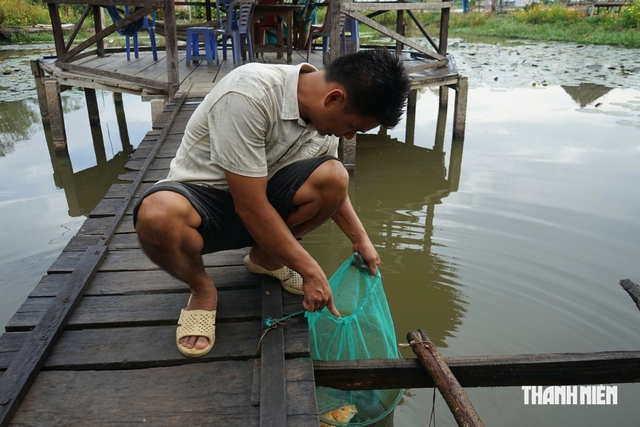
The economic implications of this transition are significant. For many families, including the household of Tran Thi Ngoc Thi, the shift has provided a necessary financial cushion. Before the pivot to tourism, their income was entirely dependent on the fluctuating success of daily fishing. Today, by maintaining three small "do cha" setups for tourist use, the family has achieved greater financial stability.
Data from the region indicates that approximately 13 such tourism sites currently operate along the banks of the river in the immediate vicinity. This is not a centralized industrial project but a grassroots movement supported by local authorities, who assist with infrastructure, training, and promotion.
The model relies on low-impact, high-value engagement. By keeping the tourism activities small-scale, residents ensure that the environmental footprint remains minimal. The income generated from these sites, while not massive, provides a consistent monthly revenue stream that allows families to maintain their traditional homes and land without the need to migrate to urban centers for work.
Scaling Success: The Case of Lotus Tourism
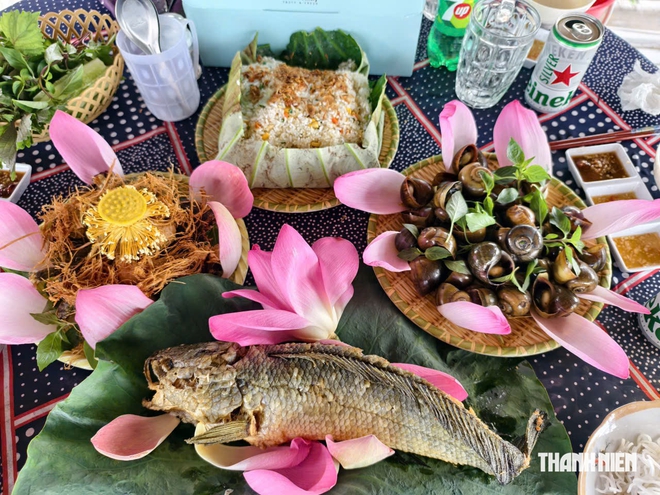
Beyond fishing, the cultivation of lotus—a staple of Thap Muoi district—has also become a cornerstone of the new tourism economy. Bui Van Dup, a 36-year-old entrepreneur, exemplifies this diversification. Managing a two-hectare lotus field, he has transformed his property into an ecotourism hub that offers a comprehensive look at Mekong Delta life.
His site includes 20 traditional-style huts and offers activities ranging from lotus harvesting to guided river tours. The success of this model is evident in the numbers: during holidays and weekends, his site frequently reaches full capacity. Mr. Dup notes that the value of lotus as a tourist attraction and raw material for culinary products far exceeds its previous value as a simple agricultural commodity sold to wholesalers.
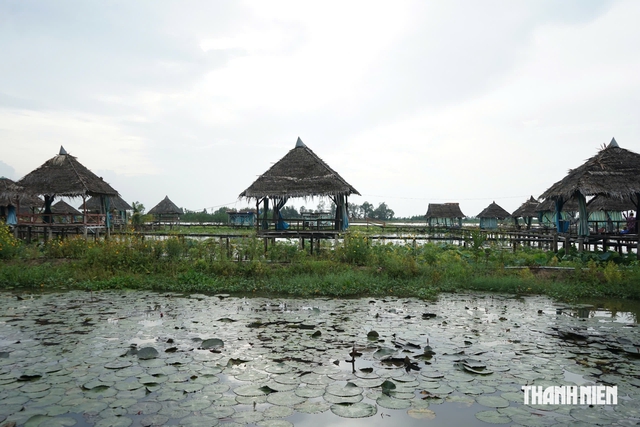
The ripple effect of this success is clearly visible. Where there was once only one site, there are now seven to eight additional operations in the immediate vicinity, creating a cluster effect that attracts a higher volume of visitors to the region.
The Broader Implications for the Mekong Delta
The transformation in Dong Thap serves as a case study for the broader Mekong Delta. Experts suggest that this shift toward "agritourism" represents a sustainable path forward for a region facing the dual pressures of climate change and economic modernization.
- Environmental Preservation: By turning the "flood season" into a tourism product, there is a direct incentive for the community to protect the water quality and biodiversity of their local rivers. Pollution and over-exploitation, which once threatened the fish stocks, are now recognized as threats to the tourism industry itself.
- Cultural Preservation: The integration of traditional fishing methods into the visitor experience ensures that indigenous knowledge is passed down to the younger generation and recognized as a valuable cultural heritage rather than a dying skill.
- Resilience: The diversification of income—combining agriculture, fishing, and tourism—creates a more resilient economic base. If one sector experiences a downturn, the others can provide a buffer.
Looking Ahead: Challenges and Sustainability
While the growth of tourism in Cao Lanh and Thap Muoi is promising, challenges remain. The reliance on the natural flood cycle means that any deviation in water levels—due to drought or upstream regulation—directly affects the quality of the visitor experience. Furthermore, ensuring that tourism growth does not lead to over-commercialization or degradation of the rural landscape is a priority for local planners.
The regional government has signaled its support by investing in better signage, infrastructure, and promotional campaigns. However, the true strength of this model lies in its organic growth. The residents are not waiting for external developers; they are identifying the inherent value in their own daily lives and presenting it to the world.
As sunset settles over the lotus fields of Thap Muoi, the quiet transformation is palpable. The people of the Mekong Delta are proving that "living with the flood" is no longer just a necessity for survival—it is an opportunity for innovation. By evolving their relationship with the environment, these communities are securing their future, ensuring that the legacy of the Mekong is preserved for the next generation, one tourist at a time. The shift from extracting from the water to celebrating the water marks a defining moment in the history of the region’s development.