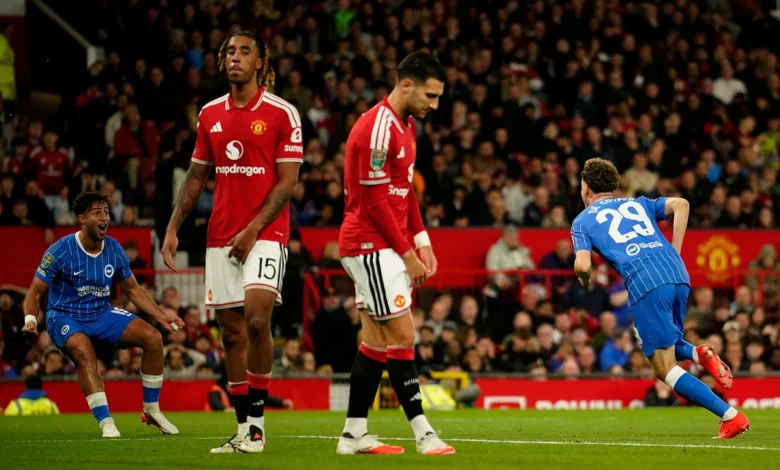
Manchester United suffered a catastrophic collapse at Old Trafford on the evening of September 16, 2026, as they surrendered a two-goal lead to lose 3-2 against Brighton & Hove Albion in the third round of the Carabao Cup. The defeat marks a historic low point for the club, which had not squandered a two-goal lead at home in a competitive fixture for fifty years. The final whistle was met with a cacophony of boos and whistles from the home supporters, with some sections of the crowd audibly questioning the tactical direction and defensive resilience of the side under manager Michael Carrick.
A Flying Start Turns into a Nightmare
Coming off the back of a bruising defeat in the Manchester derby just three days prior, Manchester United entered the Carabao Cup tie with a clear mandate: restore confidence and secure a path to the next round. The opening ten minutes suggested that the objective was well within reach.
The breakthrough arrived in the eighth minute courtesy of 19-year-old Shea Lacey. Making his first competitive start under Michael Carrick, the youngster demonstrated immense composure. Receiving a precise pass from Youri Tielemans on the right flank, Lacey cut inside with intent before curling a clinical left-footed strike into the bottom corner. The goal, which saw Lacey celebrate by kissing the club badge, made him the youngest United player to score on his full debut since Marcus Rashford in 2016.
Just two minutes later, the lead was doubled. Marcus Rashford accelerated down the left wing, slicing through the Brighton defense and forcing goalkeeper Jason Steele into a desperate diving save. The rebound fell perfectly to Mason Mount, who struck a crisp volley into the back of the net. At 2-0, the Old Trafford faithful felt a sense of security, believing the team had finally put their recent struggles behind them.
Brighton’s Tactical Resurgence
As the first half progressed, the initial energy displayed by Manchester United dissipated. Brighton, under the guidance of their tactical coaching staff, began to assert control in midfield. Pascal Gross, the architect of many of Brighton’s attacking movements, began to exploit the pockets of space between United’s defensive and midfield lines.
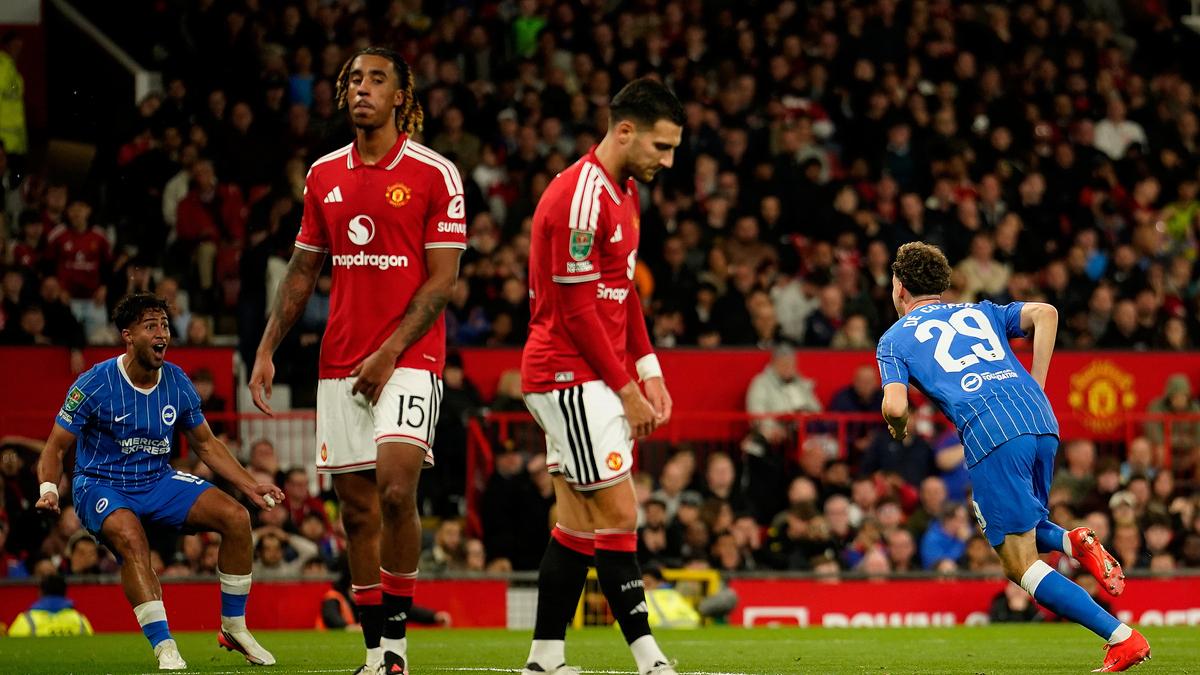
Brighton’s pressure culminated in the closing stages of the first half. In stoppage time, a long-range delivery from Jaouen Hadjam bypassed the United defense, finding Charalampos Kostoulas, who volleyed past Karl Darlow. The goal highlighted defensive lapses, with Leny Yoro failing to track the run and Darlow’s positioning coming under scrutiny.
The second half proved to be a tactical masterclass from the visitors. In the 65th minute, Manchester United’s attempt to play out from the back failed under a high press. A long ball from Diogo Dalot was won by Luka Vuskovic, whose header sent the ball into the path of an unmarked Pascal Gross. The German midfielder, a perennial thorn in United’s side, coolly side-footed the ball into the net to level the score at 2-2.
The final blow arrived just four minutes later. Kostoulas, involved in the first goal, broke down the right flank before delivering a low cross that found substitute Maxim De Cuyper. The Belgian defender finished with precision into the corner, completing a 3-2 turnaround that left the home side stunned.
Historical Context and Statistical Significance
This defeat is statistically significant for several reasons. It represents the first time in half a century that Manchester United has lost a match at Old Trafford after holding a two-goal lead, a record that stretches back to 1976. Furthermore, Pascal Gross has now scored eight goals against Manchester United throughout his career—a figure higher than against any other club in the Premier League. Of those eight, five have been scored at Old Trafford, leading Sky Sports commentator Bill Leslie to describe the venue as a "favorite hunting ground" for the veteran midfielder.
For Manchester United, the loss ends their Carabao Cup campaign at the earliest possible stage, a sharp decline from their performance in the previous season. The club’s inability to manage the game after establishing a comfortable lead has become a recurring theme, fueling discussions regarding the team’s mental fortitude and tactical discipline.
Post-Match Analysis and Implications
The implications of this result are far-reaching. Manager Michael Carrick faces mounting pressure to address the defensive vulnerabilities that have plagued the team in recent fixtures. While the debut of Shea Lacey provided a rare positive, the lack of leadership on the pitch during the second-half collapse remains a primary concern for the club’s hierarchy.
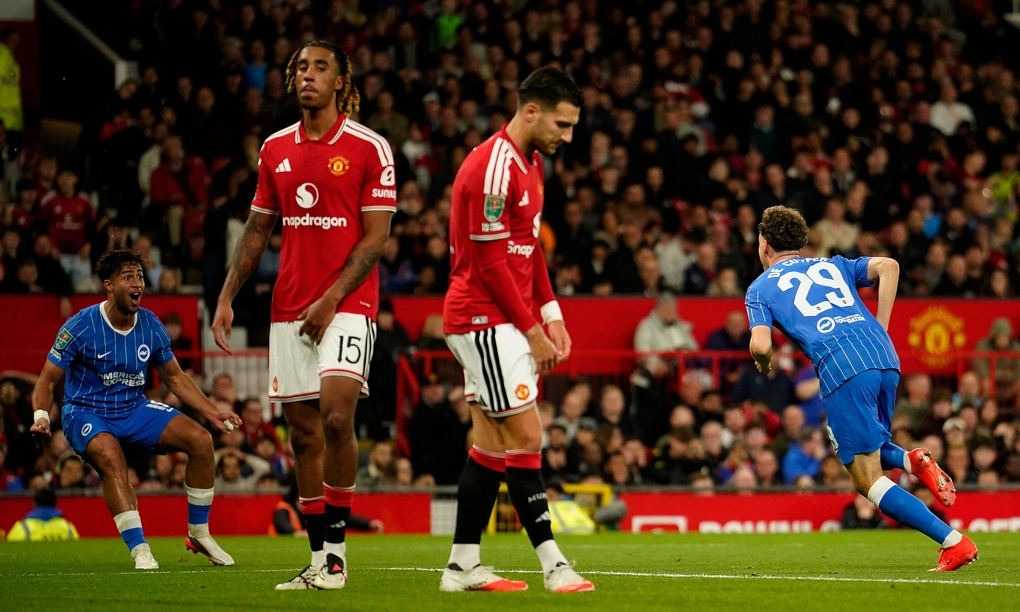
Defensive frailties were particularly evident in the transition phases. The pairing of Leny Yoro and the rest of the defensive line struggled to cope with the quick, vertical passing of Brighton. The midfield, often bypassed by direct balls from the visitors, failed to provide the necessary cover to allow the defense to settle.
Brighton’s victory underscores their status as a formidable side in domestic cup competitions. Their ability to remain calm under pressure and execute a high-pressing game plan at one of the world’s most iconic stadiums demonstrates the quality of their recruitment and coaching infrastructure. Having successfully navigated this challenge, Brighton now moves on to the fourth round, where they will face either Manchester City or Norwich City.
Looking Ahead
For Manchester United, the focus must shift immediately to the Premier League. The team is scheduled to travel to Craven Cottage to face Fulham on September 20. This match is now considered a "must-win" for Carrick, as the club looks to prevent a mid-table drift and regain the trust of a disillusioned fanbase.
In the aftermath of the match, reports indicated a somber mood in the dressing room. While the manager and players have yet to offer extensive public statements, internal reviews are expected to be rigorous. The loss is not merely an exit from a cup competition; it is a signal that the tactical and psychological foundations of the team are under severe strain.
As the squad prepares for the trip to London, the questions regarding squad depth, defensive organization, and the effectiveness of the current tactical system will continue to dominate the discourse. The club’s supporters, having witnessed a historic collapse, will demand a significant reaction at Fulham. Whether the team can turn the tide remains the most pressing question in English football this week.
Ultimately, this result serves as a sobering reminder of the parity within modern football, where even giants can be toppled if the collective performance fails to match the intensity of the opposition. Brighton’s disciplined and clinical display exposed deep-seated issues at Old Trafford, and the consequences of this defeat may be felt for weeks to come.