Iran IRGC Seizes Togo Flagged Oil Tanker in Strait of Hormuz Amid Escalating Regional Tensions

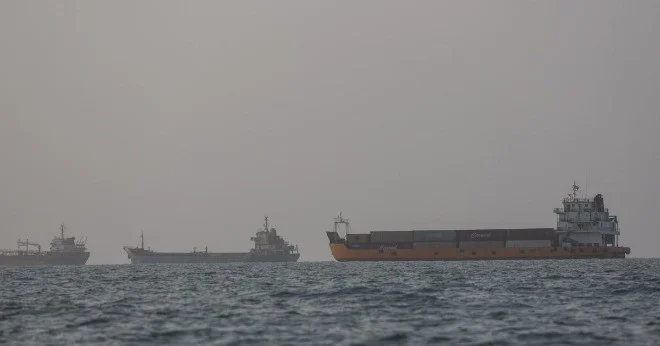
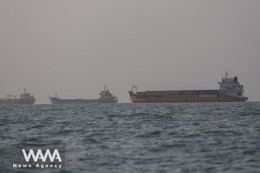
Tensions in the strategic waters of the Middle East reached a new boiling point following an aggressive maritime operation by Iran. According to reports from Al Jazeera, the Islamic Revolutionary Guard Corps (IRGC) officially announced on September 18 that its naval units successfully intercepted, attacked, and subsequently seized a Togo-flagged oil tanker operating within the vital waterway of the Strait of Hormuz.
The military escalation underlines the persistent volatility governing one of the world’s most critical oil chokepoints. As international maritime authorities and regional governments scramble to respond to the unfolding security crisis, the seizure of the vessel—alongside fierce diplomatic fallout between Tehran and Washington—signals a deepening cycle of confrontation that threatens global energy supplies and international law.
Anatomy of the Attack: The Seizure of the Trend
The targeted vessel, a crude oil carrier identified as the Trend sailing under the flag of Togo, was transiting the highly contested waters of the Strait of Hormuz when it came under sudden assault. According to statements released by the IRGC, the tanker was allegedly attempting to bypass regional regulations and carry out illicit petroleum transit operations.
"The oil tanker named Trend was attacked and could no longer continue operating due to fire and heavy damage. The vessel was subsequently captured late on September 17," the IRGC stated in an official communique. The elite military wing issued a stern warning to commercial operators navigating the area, emphasizing that any future unauthorized or clandestine attempts to traverse the Strait of Hormuz would be met with severe security and military consequences.
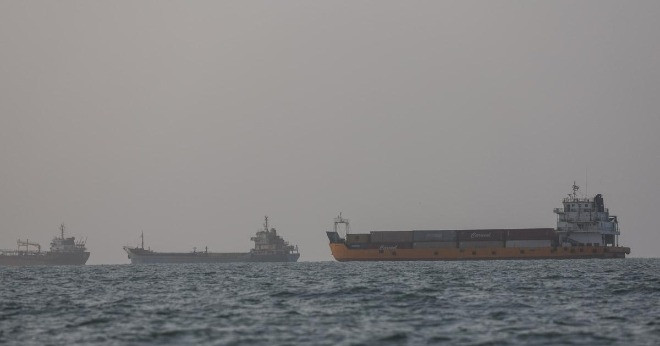
Simultaneously, the United Kingdom Maritime Trade Operations (UKMTO), an organization within the British Royal Navy that monitors commercial shipping lanes, corroborated parts of the security incident. The UKMTO reported that an unidentified flying object struck a tanker in the vicinity of the Strait of Hormuz, sparking a fire on board. Although the blaze was successfully extinguished by the crew, international shipping authorities remain uncertain whether the IRGC and UKMTO incidents involved the exact same vessel or concurrent attacks in the high-risk maritime corridor.
Despite the ambiguity surrounding the exact mechanics of the strike, the strategic messaging from Tehran is unmistakable. In its September 18 declaration, the IRGC reaffirmed its objective to maintain absolute and unyielding control over the maritime trade routes running through the Strait of Hormuz. This aggressive posture aligns with previous rhetoric from senior Iranian political figures, including an advisor to the Supreme Leader who previously threatened that the crucial waterway would remain entirely closed to international shipping until U.S. President Donald Trump and Israeli Prime Minister Benjamin Netanyahu depart from political office.
Diplomatic Shockwaves: Iran Accuses Washington of War Crimes
The maritime crisis unfolded against the backdrop of a catastrophic diplomatic fracture at the United Nations. On September 18, Iranian Deputy Foreign Minister Kazem Gharibabadi launched a scathing verbal assault against the United States following Washington’s formal decision to withdraw from the United Nations Human Rights Council (UNHRC).
"History will not forget the atrocities that occurred in Minab and Lamerd. Those are war crimes, not collateral operational errors. The United States cannot evade responsibility by simply pulling out of the Human Rights Council," Gharibabadi emphasized during a high-level briefing.
The diplomatic friction was catalyzed by a damning report published by an independent UN fact-finding mission. The panel concluded there were substantial, credible grounds to believe that a recent U.S. military strike targeting a school in the Iranian city of Minab constituted a severe violation of international humanitarian law, effectively amounting to a war crime.
The incident in question occurred on February 28, when a missile strike struck a civilian school facility in Minab, resulting in the tragic deaths of at least 168 schoolchildren. The widespread condemnation following the tragedy prompted intense international scrutiny. While the Pentagon initially announced that it would launch internal investigations into the allegations, the political fallout escalated exponentially when the U.N. human rights body began advancing accountability measures.
In direct response to the independent findings and subsequent pressure from international bodies, Washington officially terminated its membership in the UNHRC on September 17. The U.S. State Department defended the withdrawal by arguing that the council had become overly lenient toward authoritarian regimes accused of suppressing their own citizens while disproportionately targeting Western democracies and their allies.
"Washington has formally withdrawn from the human rights council because this body actively promotes anti-U.S. legal doctrines while adopting an unacceptably lenient posture toward authoritarian administrations accused of oppressing their populations," a U.S. State Department spokesperson noted in an official defense of the exit.
Regional Ripple Effects and Broader Geopolitical Implications
The dual crises—the military interdiction in the Strait of Hormuz and the bitter diplomatic divorce at the United Nations—occur within an increasingly complex and fragile web of Middle Eastern conflicts.
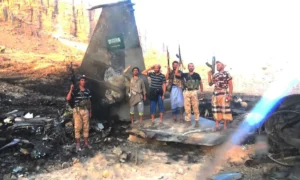
The security architecture of the Persian Gulf region has been severely strained by parallel escalations involving regional actors and proxy forces. The rapid military advancement of the Houthi movement in Yemen, an organization heavily supported and resourced by Tehran, has intensified pressure on neighboring states, particularly Saudi Arabia. Recent cross-border air raids and high-profile tactical engagements, including Houthi claims of downing a Royal Saudi Air Force F-15 fighter jet accompanied by video footage of burning wreckage, have left Riyadh with narrowing strategic options for deterrence.
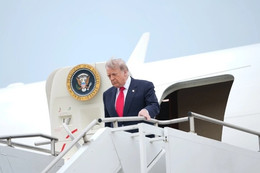
Meanwhile, international observers are closely monitoring Washington’s next moves. U.S. President Donald Trump recently indicated that his administration is preparing to formulate a definitive, high-stakes decision regarding the ongoing military and economic standoff with Iran. However, White House officials have signaled that any comprehensive strategy will factor in the delicate diplomatic postures and security concerns of key Gulf Arab partner nations, who fear being caught in the crossfire of a full-scale regional conflagration.
The convergence of maritime insecurity, contested shipping lanes, and crumbling diplomatic frameworks poses profound economic risks to the global community. The Strait of Hormuz is the world’s most critical oil transit chokepoint, through which a significant percentage of global petroleum consumption flows daily. Any sustained disruption, military intervention, or closure enforced by the IRGC threatens to trigger immediate supply shocks, sky-rocketing energy prices, and systemic instability across global financial markets.
As international bodies call for immediate de-escalation, the standoff between Washington and Tehran shows few signs of abating. With naval forces on high alert, trade routes compromised, and international legal mechanisms fractured by withdrawals and counter-accusations, the Persian Gulf remains one of the most volatile geopolitical flashpoints in the modern era.
Related posts: