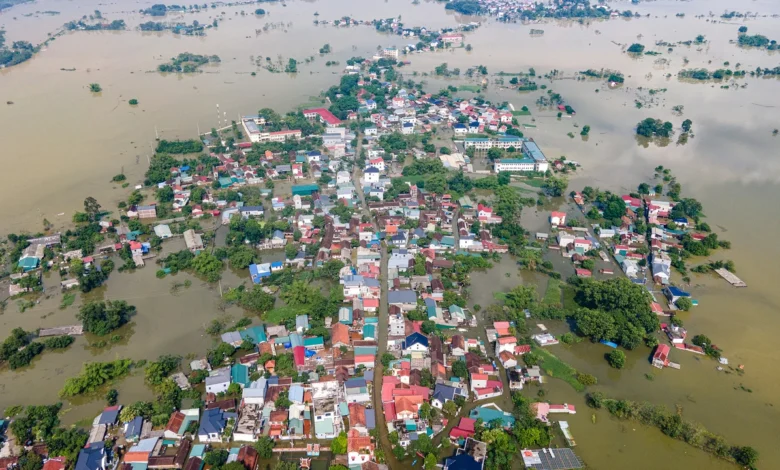
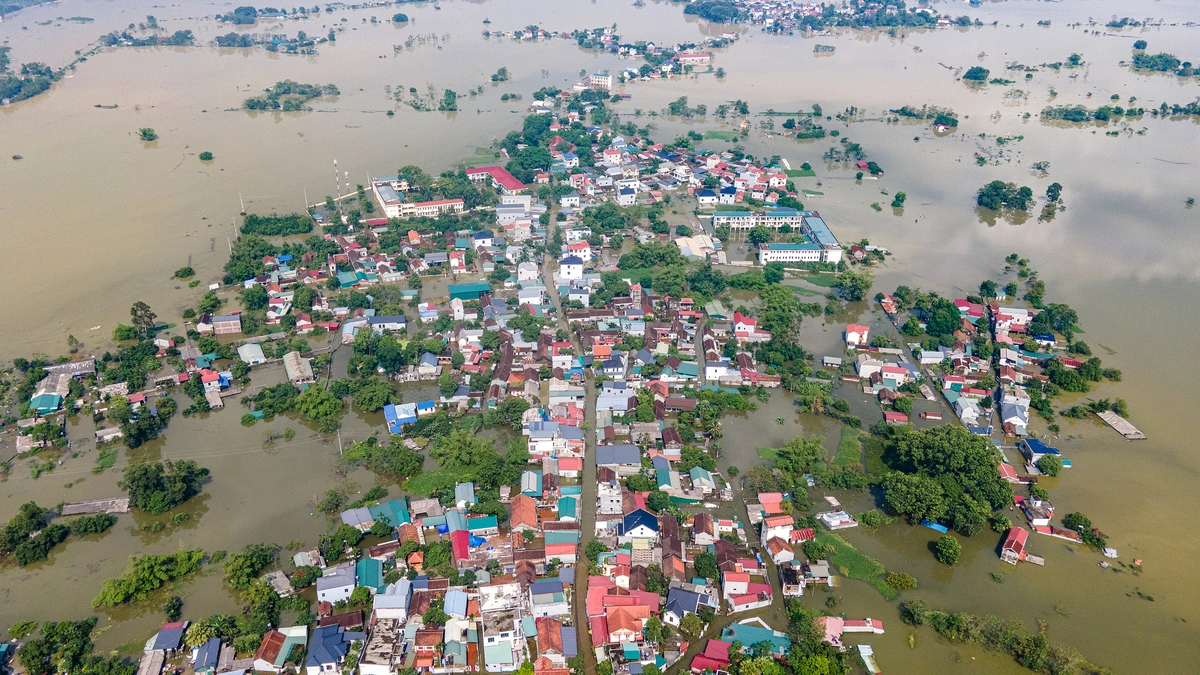
The outskirts of Hanoi, particularly the suburban districts along the Bui and Tich rivers, are currently grappling with a severe flooding crisis that has displaced thousands and crippled local infrastructure. As of the early hours of September 19, 2026, the water levels in these areas remain critically high, with no immediate signs of recession. The deluge, triggered by persistent heavy rainfall and the subsequent swelling of local river systems, has turned residential zones, agricultural lands, and critical infrastructure into vast, submerged landscapes.
The Escalating Crisis: A Chronology of Inundation
The situation began to deteriorate significantly on September 18, when water from the Bui River breached its banks, surging into the low-lying areas of Xuan Mai and Tran Phu communes. By 7:00 PM on that day, the water level at the Yen Duyet monitoring station was recorded at 7.81 meters, standing 0.81 meters above the third-level flood warning. This represented a rapid rise of 30 centimeters within a single day, causing widespread panic among residents who were forced to initiate emergency evacuation procedures.
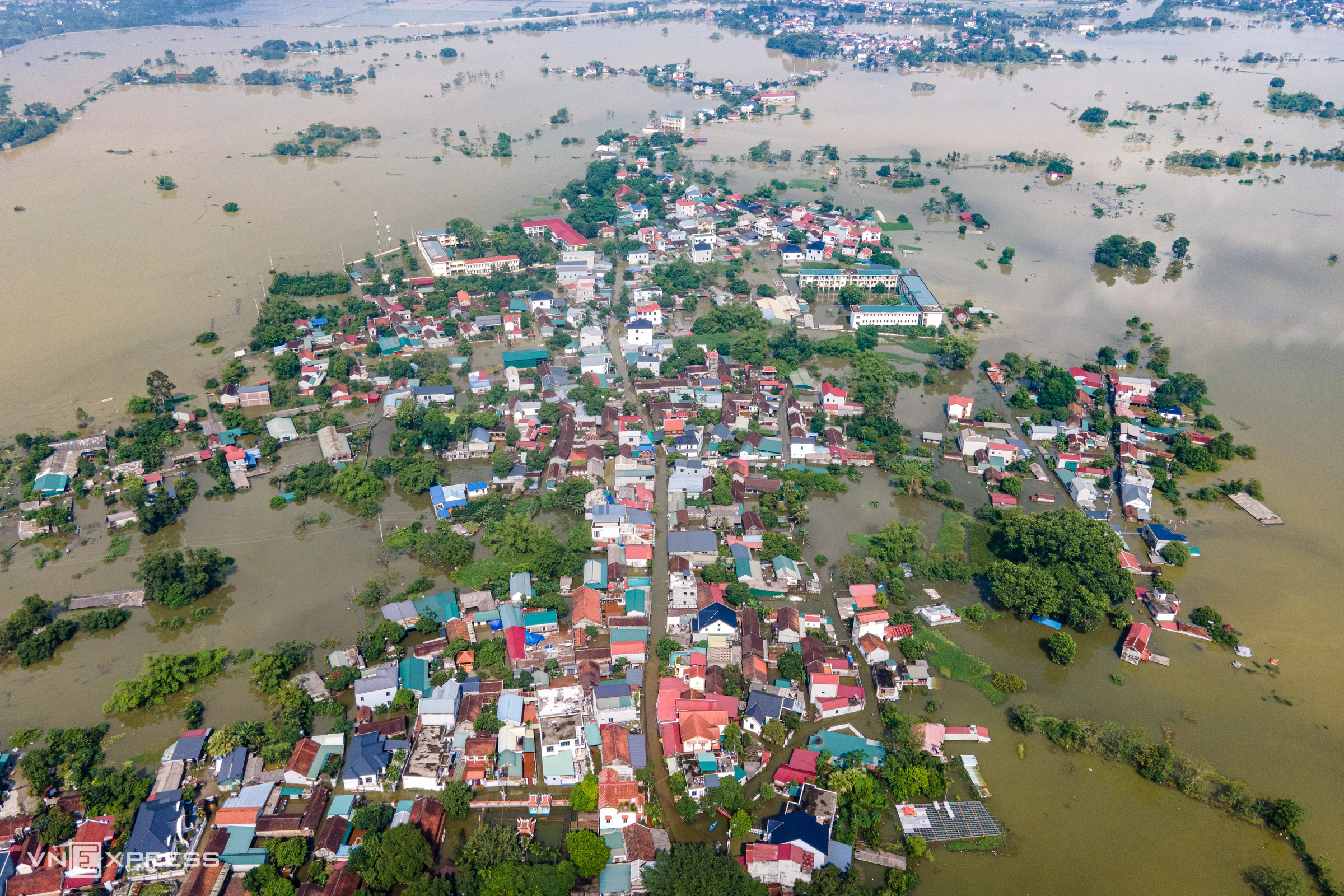
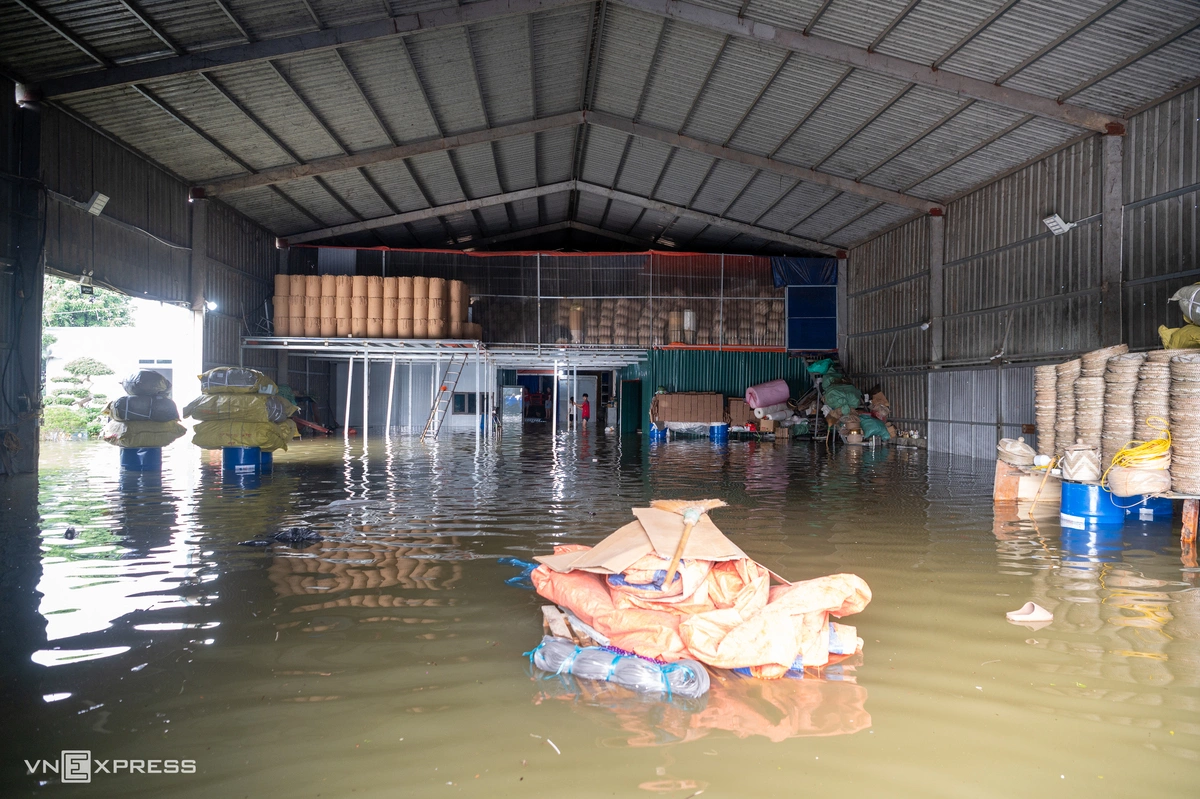
By the afternoon of September 18, the Nam Phuong and Tan Tien residential quarters in Xuan Mai were severely affected. In the most vulnerable spots, floodwaters reached depths of nearly two meters. Hundreds of households found their living spaces entirely overwhelmed, with water levels inside homes surpassing one meter. The speed of the water’s advance caught many families off guard, forcing them to abandon their property and livestock in favor of higher ground.
Agricultural and Economic Devastation
The economic impact of the flooding is profound, particularly for the local agricultural sector, which forms the backbone of the economy in the affected outskirts of the capital. According to reports from the local Disaster Prevention and Control Office, approximately 3,641 hectares of rice and various crops have been submerged, leading to near-total losses in these plots. Furthermore, 922 hectares of perennial crops and 40 hectares of aquaculture farms have been severely impacted, threatening the livelihoods of thousands of farmers.
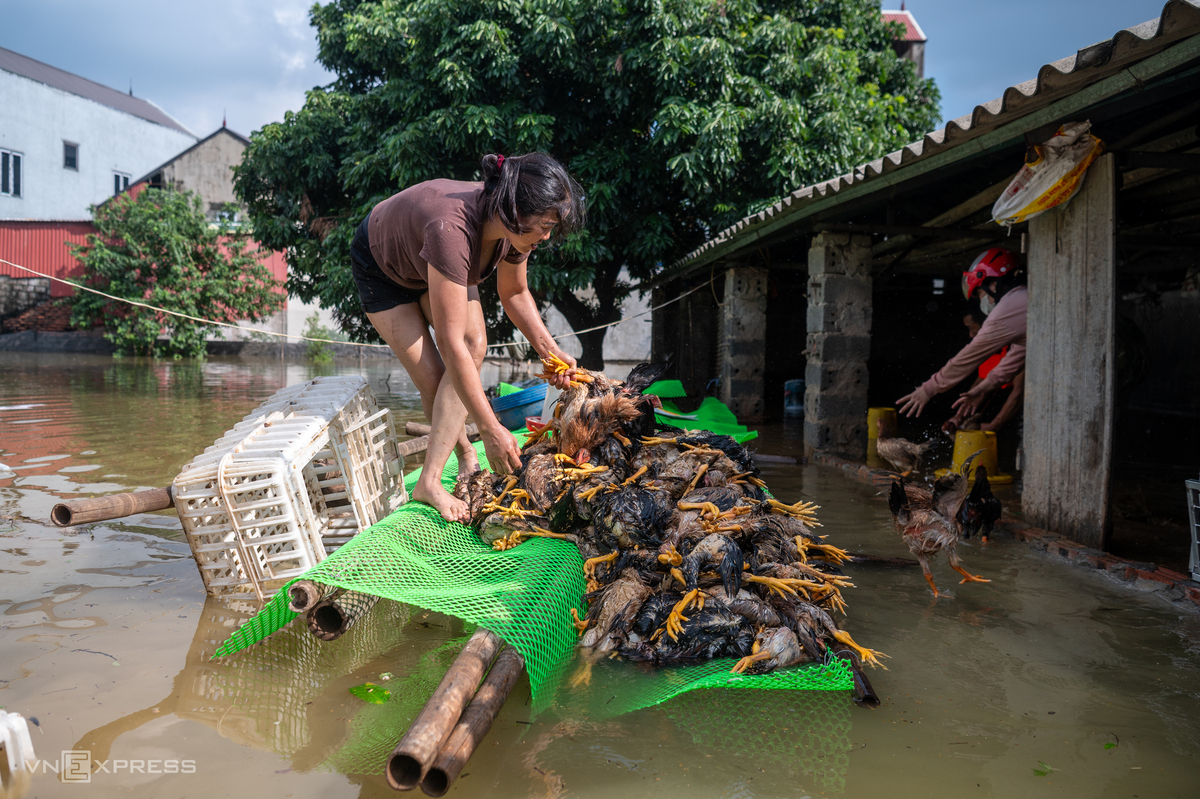
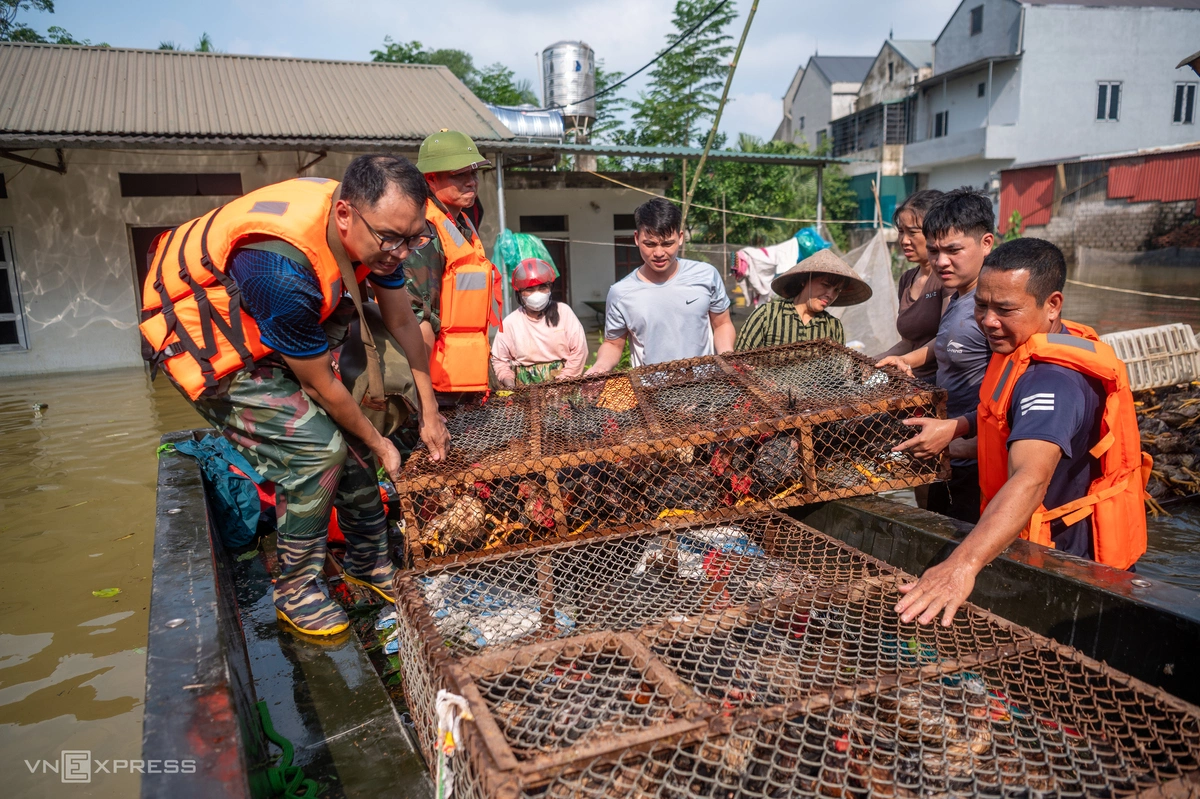
Individual stories of loss illustrate the scale of the tragedy. For instance, in the Nam Phuong hamlet, resident Nguyen Van Trung reported the loss of over 100 chickens within a single day. Despite an initial effort to move his flock of 2,000 birds to a safer location, the relentless rise of the water forced a second, more desperate relocation. Similarly, Nguyen Ba Canh of Tien Tien hamlet described the struggle of attempting to move dozens of tons of goods to escape the encroaching waters, only to face significant product spoilage and damage to his inventory.
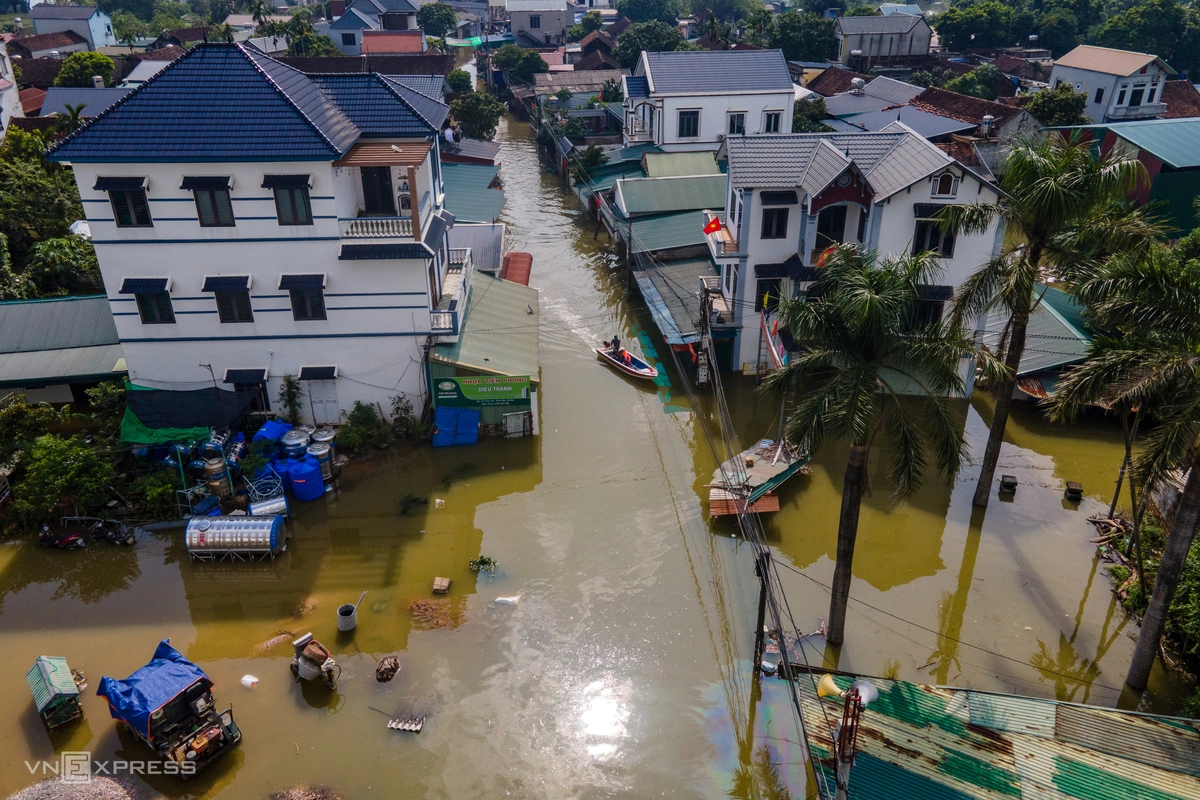
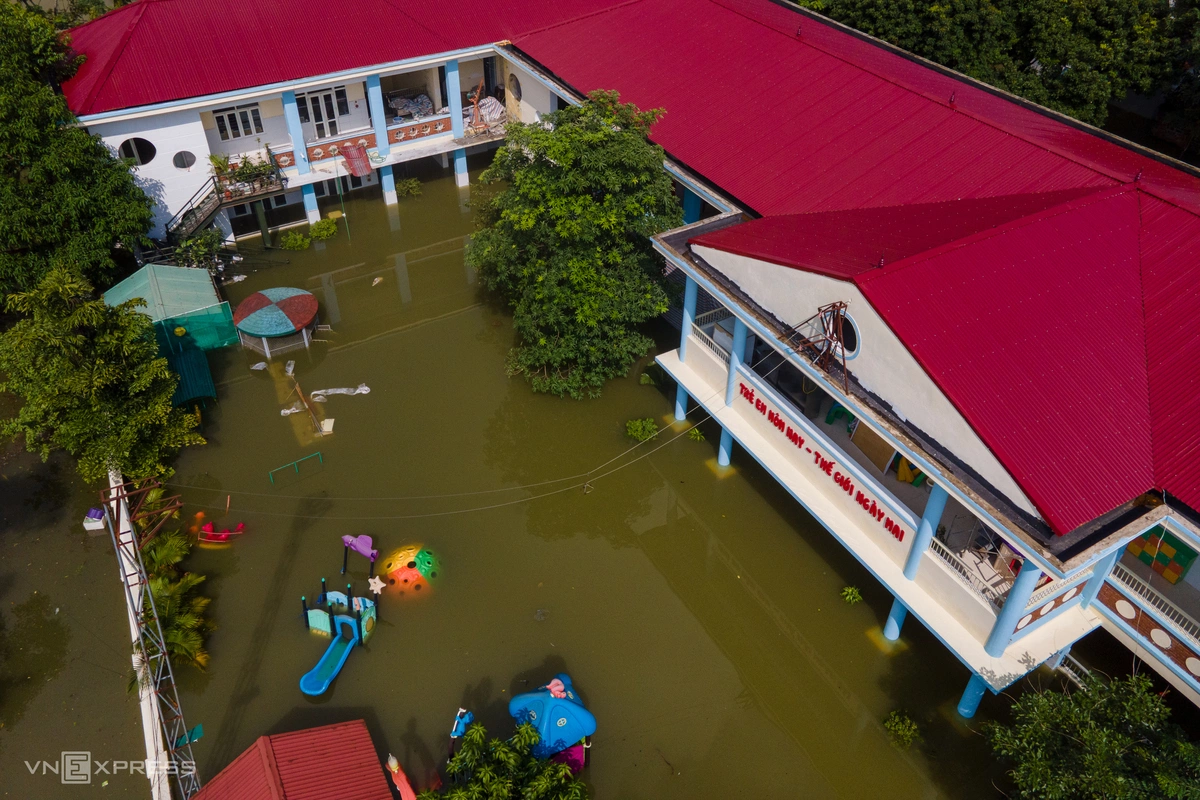
Education has also been disrupted, with seven educational facilities currently reported as flooded or inaccessible, forcing schools to suspend classes indefinitely to ensure the safety of students and staff.
Government Response and Emergency Management
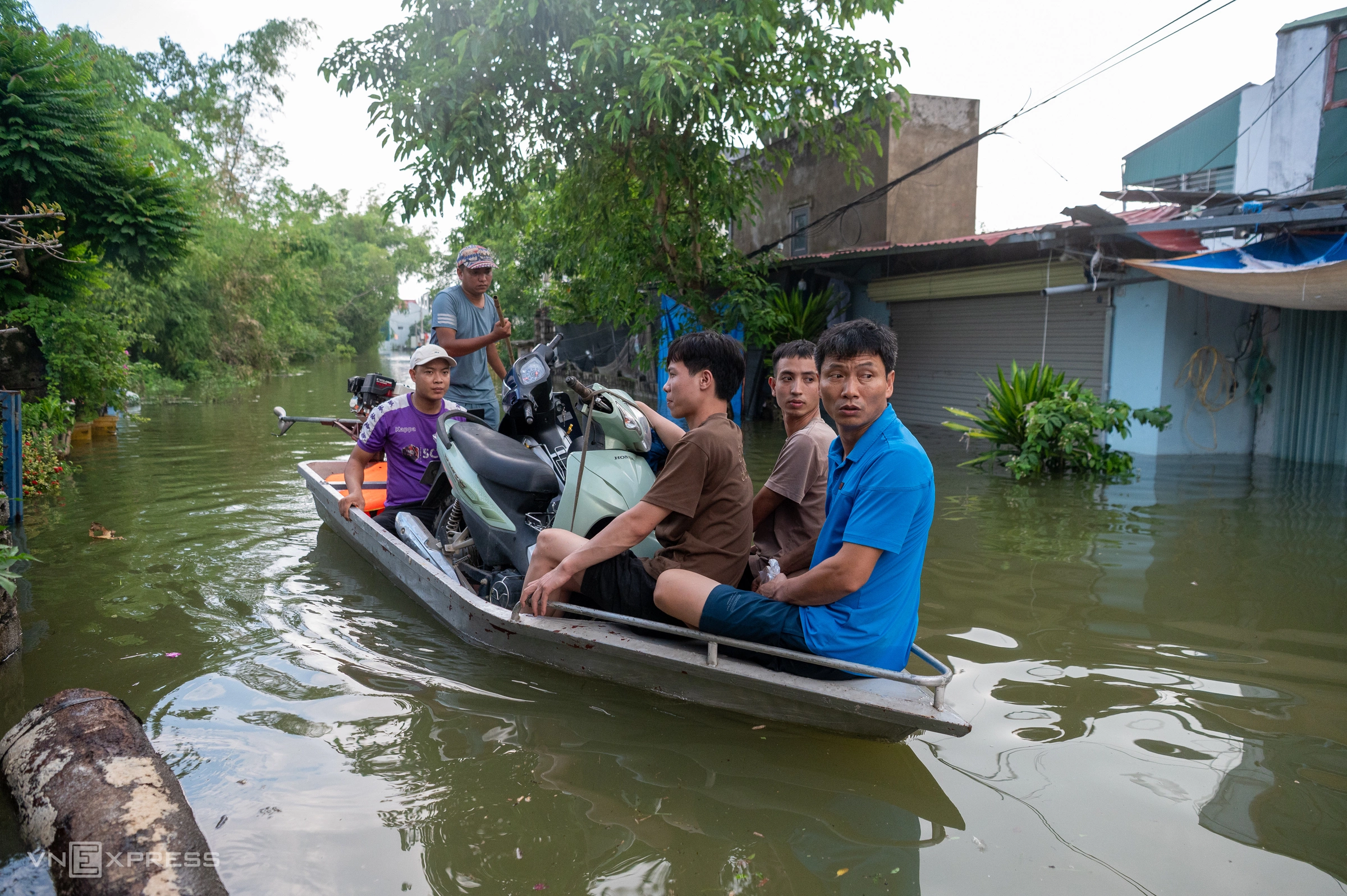
In response to the crisis, the Hanoi municipal government has mobilized a massive disaster response operation. More than 2,290 personnel, supported by 87 specialized vehicles and watercraft, have been deployed to assist in evacuation efforts and to manage the structural failures caused by the flooding. The Military Command of Xuan Mai commune has been at the forefront of these efforts, working alongside police and local militia to transport elderly residents, children, and valuable household assets to safe shelters.
The primary objective for authorities is currently the stabilization of dikes and the prevention of further breaches. Specifically, the Phu Nghia commune authorities have been working around the clock with local residents and military units to reinforce the Bui dike, which has begun to show signs of overtopping in several low-lying sections. Additionally, the section of the dike near National Highway 6 is under constant surveillance to prevent any potential catastrophic failure that could lead to the total isolation of residential hubs.
Broader Implications and Infrastructure Vulnerability
The current flooding event underscores the persistent vulnerability of Hanoi’s outer districts to climate-related hazards. As of the latest assessment, approximately 19 kilometers of transport infrastructure have been severely compromised, with 7.4 kilometers of dikes and embankments facing direct water pressure. This damage highlights the limitations of existing flood control systems in the face of increasingly unpredictable weather patterns.
Urban planning experts note that the rapid urbanization of suburban areas often occurs without the necessary expansion of drainage and flood-prevention infrastructure. When coupled with the natural geography of the Bui and Tich river basins, which act as natural flood corridors, the result is an inevitable cycle of inundation during the monsoon season. The recurring nature of these floods suggests that long-term mitigation will require significant capital investment in upgrading the city’s hydraulic management systems and potentially reassessing land-use policies in high-risk zones.
Human Resilience Amidst the Deluge
Despite the overwhelming circumstances, the resilience of the local community remains a focal point of the crisis. Relief centers have been established in local schools and administrative buildings that are situated on higher ground. Residents, such as Ms. Thu Cuc of Dong hamlet, have described the challenges of maintaining basic sanitation and daily living standards while displaced.
"Life is currently very difficult," she noted while in a temporary shelter. "We have to use clean water sparingly because the local supply has been contaminated or cut off." The reliance on collective community support, combined with the presence of military and police personnel, has provided a semblance of order during a chaotic period.
Fact-Based Analysis of Future Risks
The current crisis is not an isolated event but a symptom of wider environmental stressors. The combination of saturated soil from previous rainfall and the continued influx of water from upstream areas means that the flood risk is likely to persist for several more days, even if the rainfall ceases.
The immediate priorities for the Hanoi administration are threefold:
- Ensuring Life Safety: Continuing search and rescue operations for residents trapped in isolated pockets.
- Infrastructure Protection: Prioritizing the reinforcement of the dike systems along National Highway 6 and other critical transport arteries to maintain access for emergency services.
- Public Health Management: Monitoring for potential waterborne diseases and providing consistent supplies of potable water, medicine, and food to displaced populations.
As the waters eventually recede, the focus will transition toward a comprehensive damage assessment. The scale of the agricultural destruction implies that the local economy will require significant recovery support in the form of subsidies, crop insurance payouts, and infrastructure reconstruction funds.
The ongoing flooding in the outskirts of Hanoi serves as a stark reminder of the fragile balance between development and environmental management. For the families in Xuan Mai, Tran Phu, and Kieu Phu, the path to normalcy will be long, involving not just the cleanup of their homes but the total rehabilitation of their livelihoods. The government’s ability to manage this crisis effectively will set a precedent for how the capital handles future environmental challenges, emphasizing the need for robust, proactive, and science-based disaster management frameworks.
As of the morning of September 19, the situation remains fluid. Authorities continue to urge residents in low-lying zones to remain in designated safe areas and to follow the instructions of the local military and police units. With the water levels in the Bui River continuing to be a major concern, the emergency response remains on high alert, preparing for any potential worsening of the conditions.