TP.HCM: Phát triển cơ sở 2 của nhiều bệnh viện tuyến cuối tại khu vực xa trung tâm

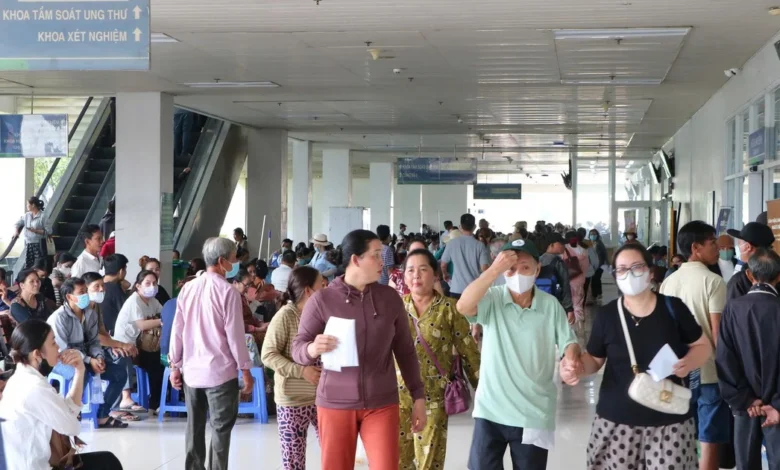
Ho Chi Minh City is undertaking a comprehensive restructuring of its municipal healthcare system by establishing second and third campuses for major tertiary-level hospitals in suburban and outlying districts. This strategic initiative, formally reviewed during a high-level municipal meeting on September 18, aims to decentralize specialized medical services, alleviate chronic overcrowding at central facilities, and improve overall healthcare accessibility for residents living far from the urban core.
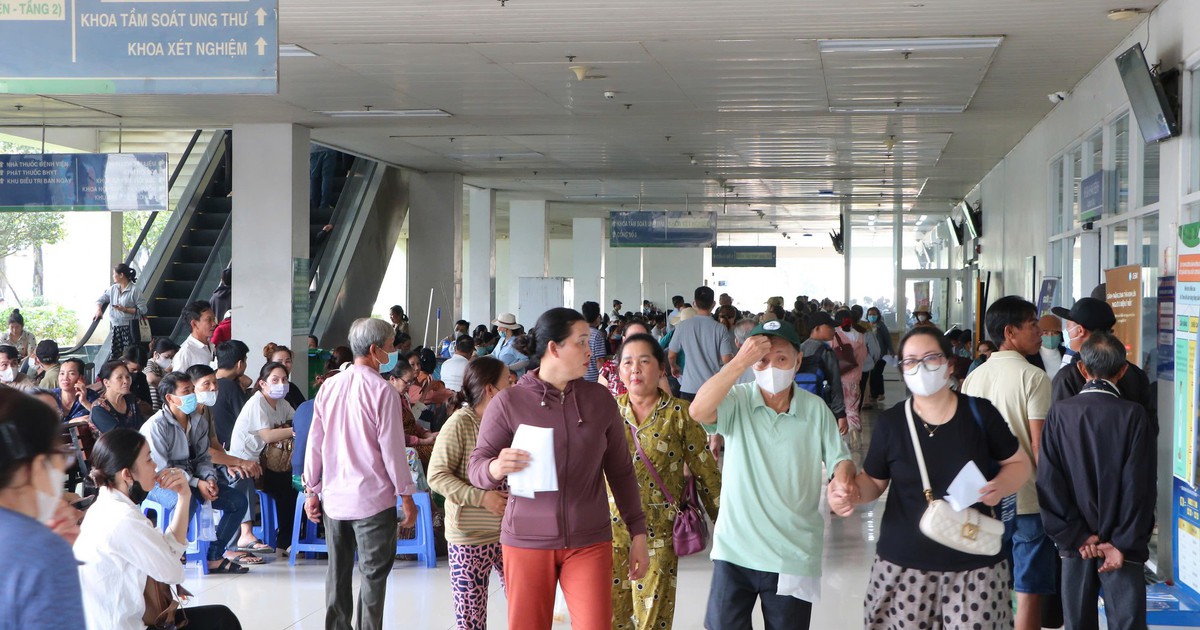
The policy represents a structural shift in how medical resources are distributed across Vietnam’s economic powerhouse. Led by the Ho Chi Minh City People’s Committee in coordination with the Department of Health, the plan addresses long-standing challenges within the local healthcare framework, including severe congestion at premier medical institutions, geographical disparities in healthcare access, and the evolving administrative needs of a rapidly expanding metropolitan population.
Decentralizing Specialized Healthcare
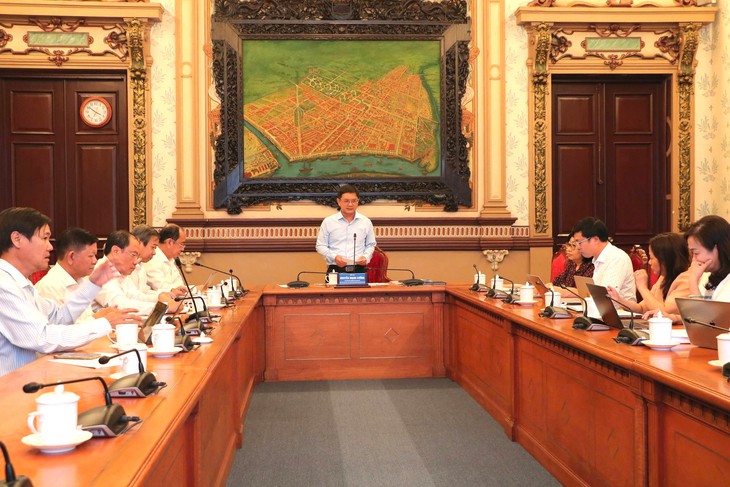
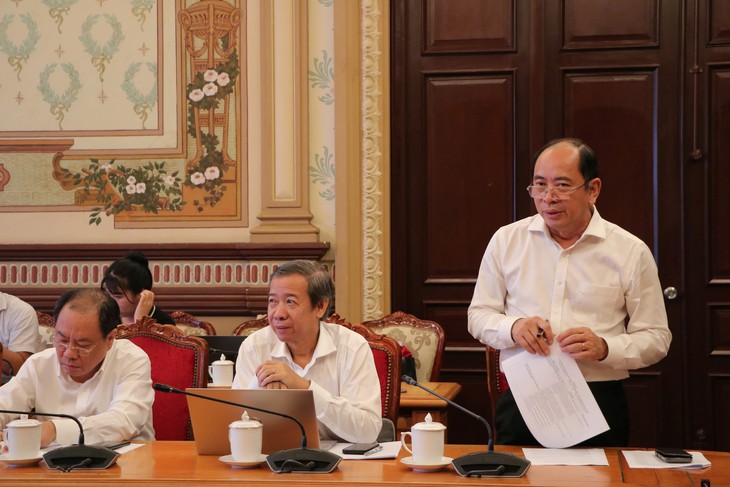
During the working session with the Department of Health, municipal leaders evaluated the performance of the city’s health sector over the first eight months of the year and outlined critical directives for the final four months. Dr. Nguyen Van Vinh Chau, Deputy Director of the Ho Chi Minh City Department of Health, presented the key findings, highlighting that the sector has proactively transitioned toward a multi-tiered, multi-specialty, and multi-center operational model.
This structural adaptation aligns with recent administrative reforms, including the reorganization of local governance into a streamlined two-tier model. As part of this transition, the healthcare sector has systematically integrated grassroots medical facilities, transferring the management of 168 communal health stations to commune-level authorities and establishing continuous, community-based healthcare networks.
The core of the new strategy involves expanding secondary and tertiary campuses into suburban zones, designated as Zone 2 and Zone 3. By placing branches of elite hospitals in peripheral areas, health authorities aim to ensure a more equitable allocation of medical resources, expand the coverage of specialized care, and reduce travel burdens for patients who previously had to journey into the city center for advanced treatment.
Upgrading District Facilities and Expanding Branch Networks
The initiative is built upon a multifaceted approach that includes upgrading existing district-level health centers and converting eligible facilities into official branch campuses of major hospitals. According to Associate Professor Dr. Tang Chi Thuong, Director of the Department of Health, the city oversees 13 health centers equipped with inpatient beds. While a portion of their administrative and primary care functions has been devolved to communal health stations, their remaining inpatient and secondary care capacities are being preserved to maintain local treatment options.
Following a thorough evaluation of demographic trends, operational capacities, and post-merger healthcare network requirements, the Department of Health is advancing specific conversion proposals. For instance, the Tan Uyen Regional Health Center is slated to become the second campus of the Binh Duong General Hospital. Similarly, the Phu My Health Center will function as the third campus of the Gia Dinh People’s Hospital, serving as a blueprint for replicating the model across other regions.
In outlying areas such as Ho Tram, the Thu Duc Regional General Hospital has proposed restructuring its operations, exploring the establishment of local branches or support units to bring specialized diagnostic and therapeutic services closer to residents. Furthermore, health authorities are actively studying proposals to open suburban branches for specialized institutions, including the Tu Du Hospital, Hung Vuong Hospital, the Oncology Hospital, and the Institute of Cardiology.
Complementing the physical expansion of hospital campuses is the enhancement of support mechanisms designed to bridge the gap between central and peripheral facilities. These measures include regular staff rotations where senior physicians from major hospitals are sent to work at suburban campuses, the expansion of satellite emergency response networks to ensure seamless connectivity across different zones, and the aggressive transfer of advanced medical techniques from specialized tertiary hospitals to general hospitals in Zones 2 and 3.
Integrating Public Health Initiatives and Digital Records
Beyond decentralizing hospital services, the municipal healthcare strategy incorporates a citywide public health campaign aimed at preventive care and early detection. City officials have mobilized the entire grassroots medical network to conduct health screenings, aiming to complete free routine health checks, risk screenings, and electronic health record creation for 100% of the population by the year 2026.
This digital transformation allows medical professionals to monitor patient health profiles continuously, facilitating early intervention for chronic conditions such as hypertension and diabetes before they require tertiary-level intervention. By catching diseases at the primary care level, the city expects to further reduce the inflow of patients into major urban hospitals.
Leadership Recognition and Future Outlook
Reviewing the progress achieved during the first eight months of the year, Nguyen Manh Cuong, Alternate Member of the Party Central Committee and Vice Chairman of the Ho Chi Minh City People’s Committee, commended the resilience and dedication demonstrated by the healthcare workforce. He acknowledged the immense pressure placed on medical staff while they simultaneously executed structural reforms, managed post-merger transitions, and rolled out ambitious population health programs.
Looking ahead, municipal leadership has outlined stringent requirements for the sector. Vice Chairman Cuong emphasized that all future organizational restructuring must directly correlate with measurable improvements in service quality, ensuring that residents can access comprehensive medical care within their local jurisdictions. He directed health authorities to proactively cultivate administrative talent and clinical leadership, aligning training and recruitment pipelines with the operational needs of newly established hospital branches.
Regarding physical infrastructure, the People’s Committee urged project developers and health officials to accelerate the construction timelines of ongoing healthcare investments. Additionally, city leadership called for the exploration of legal mechanisms that would empower healthcare facilities to proactively upgrade their service environments, ensuring clean, modern, and efficient facilities that meet the growing expectations of the public.
Through these coordinated interventions—combining suburban hospital expansion, grassroots empowerment, and digital health tracking—Ho Chi Minh City is establishing a resilient, decentralized healthcare ecosystem capable of serving its millions of residents equitably and sustainably for years to come.