Quoc Dai reflects on the evolution of artistry and the necessity of personal reinvention in the music industry at age 50

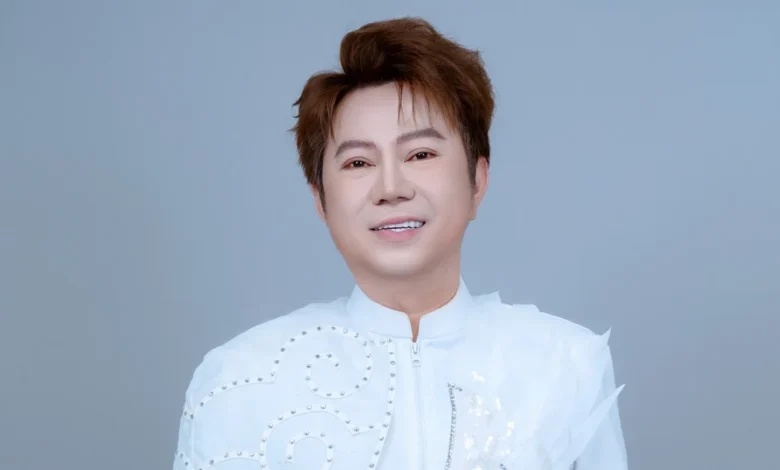
The landscape of the Vietnamese music industry has undergone a seismic shift over the past three decades, transitioning from traditional performance venues and physical media to a digital-first environment defined by streaming platforms and social media virality. At the heart of this evolution stands Quoc Dai, a seasoned vocalist renowned for his contributions to the folk and homeland music genres. As he approaches his 50th year, the veteran performer has recently offered a candid reflection on the challenges of maintaining artistic relevance in an era of rapid technological and cultural change, particularly in his capacity as a mentor and judge on the popular television program "Bien Hoa Bat Ngo" (Unexpected Transformation).
A Career Defined by Resilience and Transition
Quoc Dai’s career trajectory serves as a microcosm for the broader shifts within the Vietnamese entertainment sector. Emerging during a period when vocal prowess and technical mastery were the primary indicators of success, he has spent years refining his craft. His journey, however, has not been without periods of professional introspection. In recent interviews, the singer admitted to moments of doubt regarding his place in the modern music hierarchy—a sentiment shared by many artists of his generation who have had to adapt to the expectations of Gen Z audiences and the demands of digital content creation.
The chronological arc of his career began in the late 1990s, a time when traditional folk-pop was a dominant cultural force. As he moved into the 2010s and 2020s, the emergence of electronic dance music (EDM) and indie-folk fusion necessitated a change in approach. Rather than abandoning the genre that defined his legacy, Quoc Dai has opted for a strategy of integration: maintaining the core identity of his sound while incorporating modern production techniques and contemporary thematic elements.
The Dynamics of Modern Music Competitions
The program "Bien Hoa Bat Ngo" serves as the current nexus for Quoc Dai’s observations on the state of the industry. As a judge, he occupies a position that requires both the analytical detachment of a veteran and the empathetic understanding of a mentor. He notes that the current generation of contestants faces a unique set of pressures. In the early stages of a competition, technical ability is often the baseline requirement; however, as contestants progress toward the final rounds, the margin for error narrows significantly.
According to Quoc Dai, the most successful performers are those who can synthesize their influences—often drawing inspiration from legendary figures of the past—while simultaneously crafting a distinct "sonic signature." He emphasizes that while vocal techniques can be taught and refined through rigorous training, the intangible quality of emotional resonance is what distinguishes a career-long artist from a fleeting viral sensation.
The Strategic Necessity of Personal Reinvention
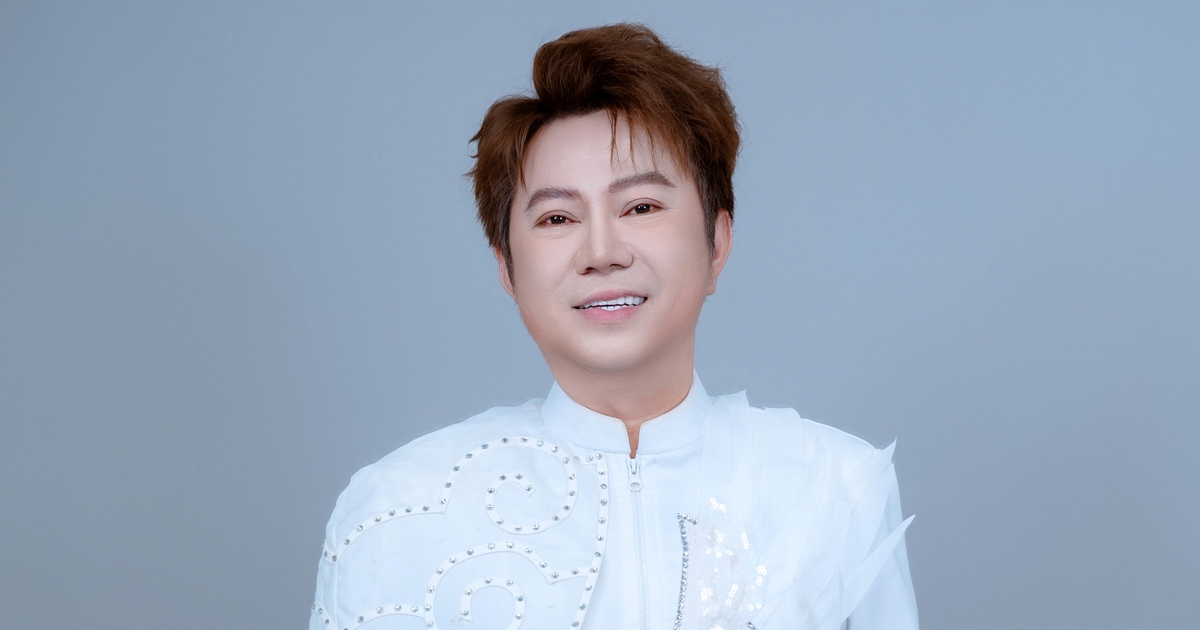
One of the most pressing themes in Quoc Dai’s recent discourse is the paradox of reinvention: how does an artist evolve to meet the demands of a new era without losing the foundational identity that established their fan base? This "dilemma of longevity" is a documented challenge in global music economics, where artists must balance the risk of alienating long-term supporters against the necessity of attracting new listeners.
Quoc Dai argues that reinvention is not a rejection of the past, but an expansion of it. He advocates for a "philosophy of the core," suggesting that an artist’s vocal timbre and individual handling of melody act as an anchor, while the aesthetic, visual presentation, and distribution methods serve as the variable components. His approach mirrors the strategies of successful legacy artists worldwide, who have maintained relevance by collaborating with younger producers and embracing digital storytelling.
Data and Trends in the Vietnamese Music Market
The context of Quoc Dai’s reflections is supported by broader industry trends in Vietnam. Since 2020, the Vietnamese music market has seen a 15-20% year-on-year increase in digital streaming consumption. Concurrently, there has been a notable shift in listener demographics, with a significant portion of the audience now falling under the age of 25. This shift has forced veteran artists to engage with short-form video platforms such as TikTok, which have become the primary discovery engines for new music.
Industry analysts note that for established performers, the "discovery" phase is replaced by a "re-engagement" phase. Quoc Dai’s participation in a high-profile, televised talent competition is a strategic move to re-establish his presence in the minds of a younger audience while providing a platform to share his expertise. This intersection of television media and digital engagement is a critical strategy for maintaining brand equity in the modern era.
The Role of Emotional Authenticity
In an era where auto-tune and advanced post-production can "perfect" a vocal performance, Quoc Dai contends that emotional authenticity has become an increasingly scarce and valuable commodity. He posits that listeners are no longer solely looking for technical perfection; they are seeking a narrative connection.
"If a voice lacks the capacity to reach and move the audience, technical skill alone will not lead to long-term success," Quoc Dai stated. This perspective is echoed by vocal coaches and music producers who argue that the "x-factor" in modern performance is the ability to communicate vulnerability and sincerity. For a performer with a background in folk music, where storytelling is paramount, this transition to a more intimate and emotive style of performance is a natural progression.

Broader Implications for the Performing Arts
The challenges articulated by Quoc Dai reflect a universal struggle within the performing arts. As artificial intelligence and automation begin to influence music production, the value of the "human element"—the specific, unrepeatable nuance of a live performance—is being re-evaluated.
The implications for the industry are significant:
- Hybridization of Talent: The future of the industry lies in artists who can bridge the gap between traditional skill sets and modern digital literacy.
- Mentorship as a Career Stage: For veterans like Quoc Dai, the transition into mentorship roles is not merely a professional pivot but a vital service to the industry, ensuring that the nuances of classical training are not lost in the push for speed and volume.
- The Sustainability of Legacy: Maintaining a career for over two decades requires a disciplined approach to public perception, where the artist acts as a curator of their own evolution.
Looking Toward the Future
As Quoc Dai continues his work on "Bien Hoa Bat Ngo" and explores new musical directions, his focus remains on the synthesis of the old and the new. He remains a proponent of the idea that an artist must be a "student of their own life," constantly auditing their work and questioning their methods.
In his view, the "distinctive factor" that every artist must possess—whether it lies in their vocal range, their phrasing, or their specific energy—is the key to survival in an increasingly crowded marketplace. For Quoc Dai, the journey is far from over. His reflections at the age of 50 provide a blueprint for a sustainable career: one rooted in the unwavering commitment to one’s artistic identity, yet flexible enough to navigate the shifting currents of global culture.
Ultimately, his presence on the stage—both as a performer and as a mentor—serves as a testament to the enduring power of music to adapt and survive. By embracing the tension between his history and the future, he continues to hold his place as a significant voice in the Vietnamese musical canon, proving that the most successful artists are those who, like the music they create, are constantly in a state of transformation.