Ho Chi Minh City expands public administrative services by bringing them directly to neighborhood levels to better serve residents

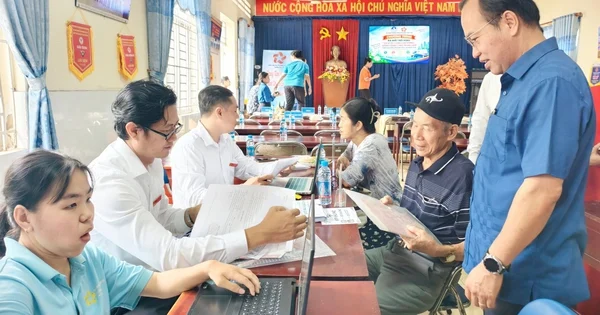
In a significant move to modernize governance and bridge the gap between local authorities and the public, the People’s Committee of Phu Loi Ward, located in Ho Chi Minh City, has officially launched a new mobile administrative service model. This initiative marks a departure from the traditional requirement that citizens visit government offices to process paperwork. By decentralizing public services and bringing them directly into residential neighborhoods, the local administration aims to reduce bureaucratic hurdles, improve accessibility for the elderly and working-class families, and accelerate the digital transformation of local governance.
Bridging the Gap: The New Mobile Service Initiative
On the morning of September 20, 2026, local officials in Phu Loi Ward inaugurated a mobile service hub at the Chau Dinh neighborhood office. This specific location was chosen due to its high population density, which includes a significant number of apartment complexes and housing facilities catering to industrial workers.
For many residents in these areas, taking time off work to visit a municipal office during standard business hours is often a financial burden. By establishing a service point within the neighborhood, the Phu Loi Ward government is effectively meeting the residents where they live. The mobile service station is designed to handle a wide array of administrative tasks, including land use documentation, tax filings, residential registration, electronic identification (VNeID) setup, passport applications, driver’s license renewals, judicial records, and social security benefit coordination.
The Digital Shift: Moving Beyond Paperwork
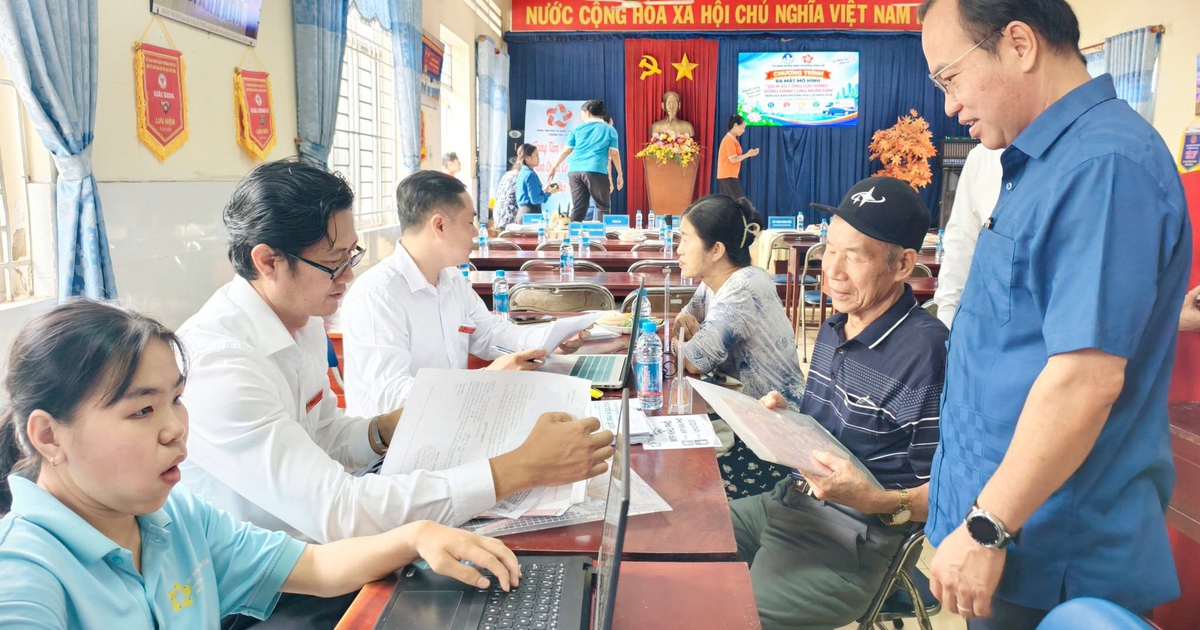
At the core of this initiative is the promotion of online public services. The mobile unit does not simply process paper forms; it serves as a training ground for digital literacy. Staff at the mobile stations are tasked with guiding residents through the entire lifecycle of digital administration: preparing electronic dossiers, submitting applications via official portals, digitizing existing paper documents, tracking application status in real-time, and utilizing cashless payment methods for administrative fees.
This hands-on approach is intended to overcome the "digital divide" that often prevents older citizens or those with limited access to technology from utilizing the city’s modernized administrative portals. By providing in-person assistance for digital tasks, the government is building a foundation for a more sustainable, paperless administrative culture in Ho Chi Minh City.
Chronology of Administrative Modernization
The launch of the Phu Loi mobile service model is the culmination of a broader strategic shift within the city’s administrative framework:
- Mid-2025: High-level discussions began within municipal departments regarding the decentralization of public services. The Secretary of Lai Thieu proposed the idea of bringing administrative centers directly into neighborhoods to improve service efficiency.
- Late 2025 – Early 2026: Pilot programs were conducted in select districts to assess the feasibility of remote service hubs. The results indicated a significant increase in user satisfaction scores when services were provided within a five-kilometer radius of residential clusters.
- August 2026: Preparatory meetings were held in Phu Loi Ward to coordinate with community leaders and identify the specific needs of the local labor force, particularly those living in industrial dormitories.
- September 20, 2026: Official launch of the mobile service hub at the Chau Dinh neighborhood office, accompanied by the rollout of a new digital interaction platform.
Data-Driven Service Delivery
The initiative is supported by the city’s commitment to optimizing service delivery. While the number of administrative procedures has historically been a point of friction, recent data suggests that moving to an online-first model reduces processing times by an average of 30% to 40%.

In Phu Loi Ward specifically, the integration of the "Phu Loi Connect" Zalo Mini App provides a secondary layer of service. This platform allows residents to report urgent community issues—such as public security concerns, environmental sanitation, traffic hazards, and infrastructure damage—directly to the relevant authorities. Each report is automatically categorized and routed to the appropriate municipal department for resolution. This feedback loop ensures that the government is not only providing administrative services but is also responsive to the daily quality-of-life concerns of its citizens.
Official Perspectives and Strategic Intent
Phan Cong Khanh, Chairman of the People’s Committee of Phu Loi Ward, emphasized that the mobile model is a critical step toward a more service-oriented government. "Our goal is to bring the administrative machinery as close to the people as possible," Khanh stated during the inauguration. "By simplifying the process, we are not just saving time for the citizens; we are fostering a culture of digital fluency and ensuring that no one is left behind in the city’s push toward smart city status."
From the perspective of municipal administrators, this initiative serves three main purposes:
- Efficiency: Reducing the overcrowding at central district offices.
- Compliance: Ensuring that residents remain within the legal framework by making it easier to complete required registrations and renewals.
- Trust: Strengthening the relationship between the state and the public by demonstrating a tangible commitment to public welfare.
Broader Implications for Ho Chi Minh City
The success of the Phu Loi model provides a blueprint for other wards and districts within the Ho Chi Minh City metropolitan area. As the city continues to grow, the traditional "centralized office" model is increasingly viewed as an obstacle to efficiency.
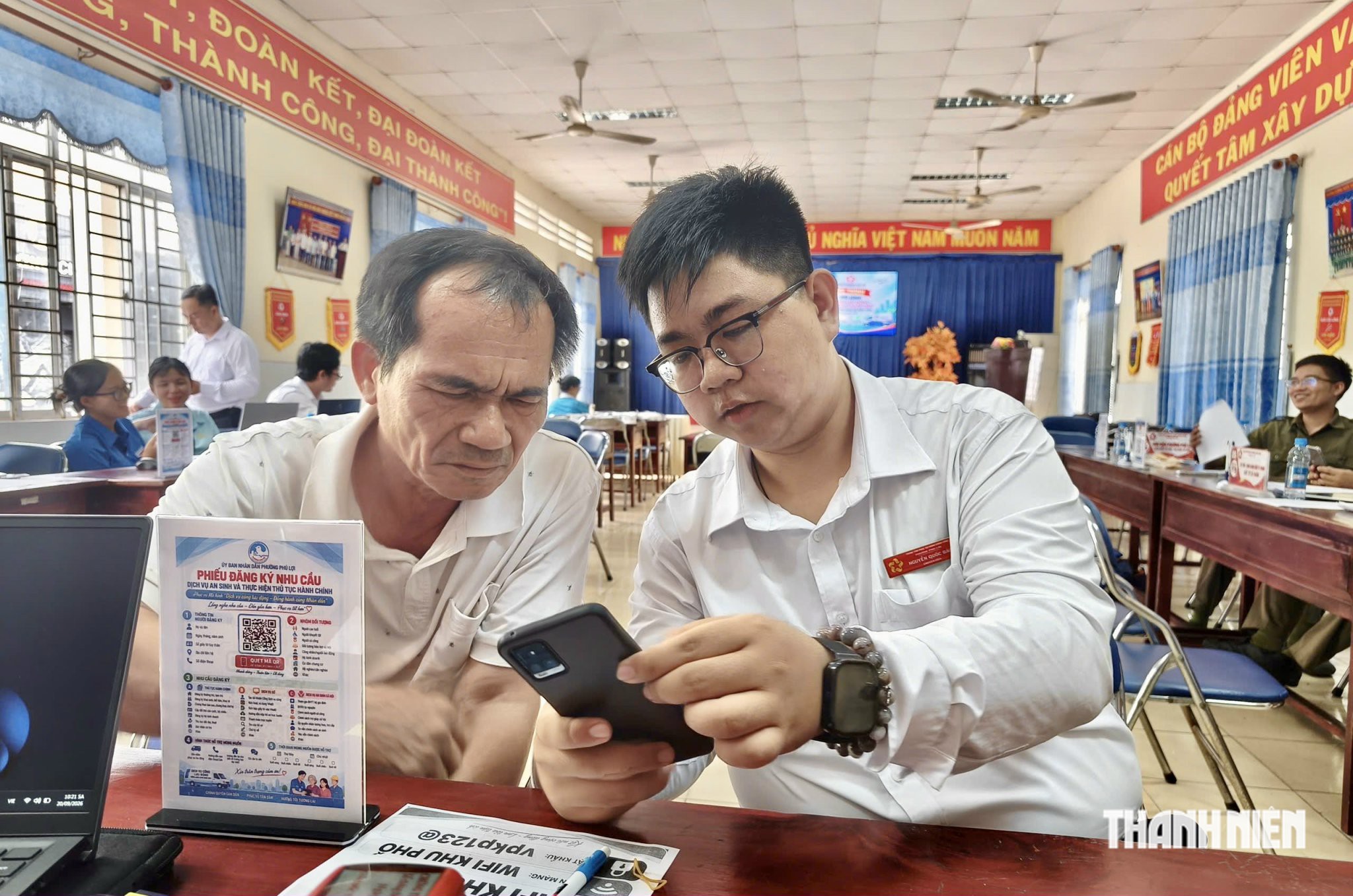
The integration of digital platforms like the VNeID identification system with local physical support hubs represents a significant evolution in Vietnamese public administration. Experts suggest that if this model is scaled successfully across the city, it could lead to a permanent reduction in the necessity for massive physical administrative complexes, allowing for a reallocation of public resources toward infrastructure and social services.
Furthermore, the focus on industrial areas is a strategic move to stabilize the local labor market. When industrial workers can resolve legal and administrative issues without losing a day’s wages, the overall economic productivity of the ward improves.
Future Outlook
As the Phu Loi Ward government continues to refine the "Phu Loi Connect" platform and expand the capabilities of its mobile service hubs, the focus will likely shift toward predictive analytics. By analyzing the types of inquiries and applications received at the neighborhood level, the municipal government can anticipate the needs of the population and proactively address common issues before they become systemic problems.
While the program is currently in its early stages, the initial response from residents has been largely positive. By prioritizing accessibility and digital integration, the Phu Loi administration is setting a high bar for neighborhood-level governance, proving that with the right combination of technology and grassroots engagement, the bureaucracy can become a more helpful, invisible partner in the lives of the city’s inhabitants. The ongoing success of this project will likely determine the pace at which similar decentralized models are adopted across the rest of the country.