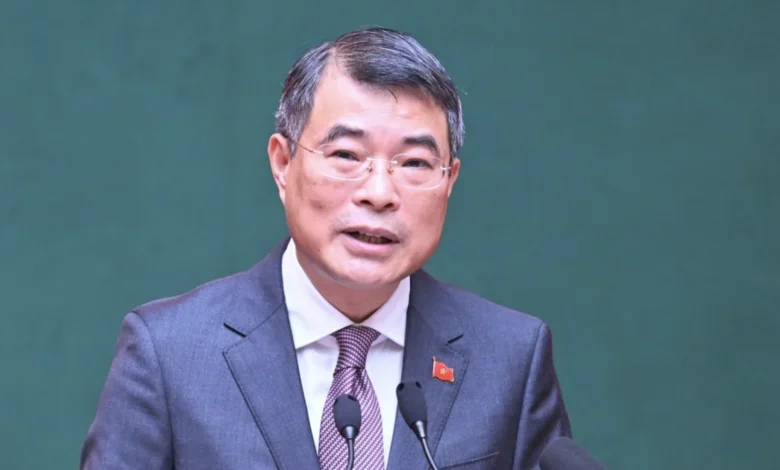
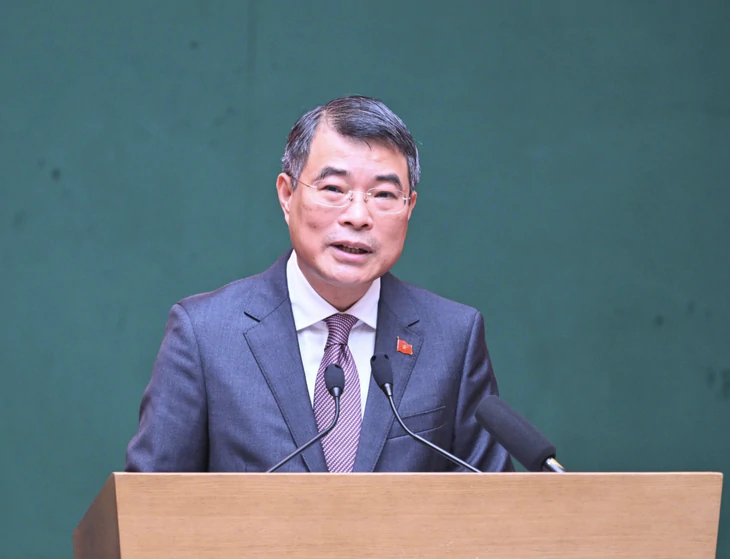
Ho Chi Minh City, Vietnam – In a landmark address at the World Economic Forum (WEF) Autumn Meeting 2026, Prime Minister Le Minh Hung outlined Vietnam’s strategic vision for global economic integration, digital transformation, and sustainable growth. Speaking in Ho Chi Minh City on October 28, the Prime Minister emphasized the nation’s transition from a participant in global agreements to an active co-creator of international partnerships and policy frameworks. The high-level dialogue, broadcast live across national and regional networks, drew international leaders, financial magnates, and policymakers from over 60 countries.
The four-day economic summit, running from October 26 to October 29, was convened under the overarching theme "The Spirit of Cooperation in a New Era." Hosted by the People’s Committee of Ho Chi Minh City in collaboration with the Fourth Industrial Revolution Center in Ho Chi Minh City (HCMC C4IR), the forum has registered more than 1,800 delegates and 250 domestic and international speakers, positioning the southern metropolis as a focal point for regional economic discourse.
Charting Vietnam’s Future in a Fragmented Global Economy
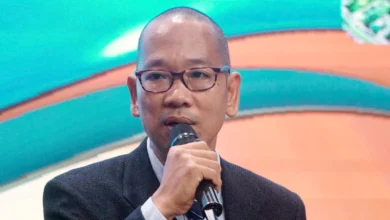
The centerpiece of the morning session was a dedicated 60-minute interactive dialogue between Prime Minister Le Minh Hung and WEF Managing Director Stephan Mergenthaler. Entitled "Navigating Vietnam in the Global Future," the session explored structural shifts in the world economy, evolving investment flows, technological disruptions, and the reconfiguration of global supply chains.
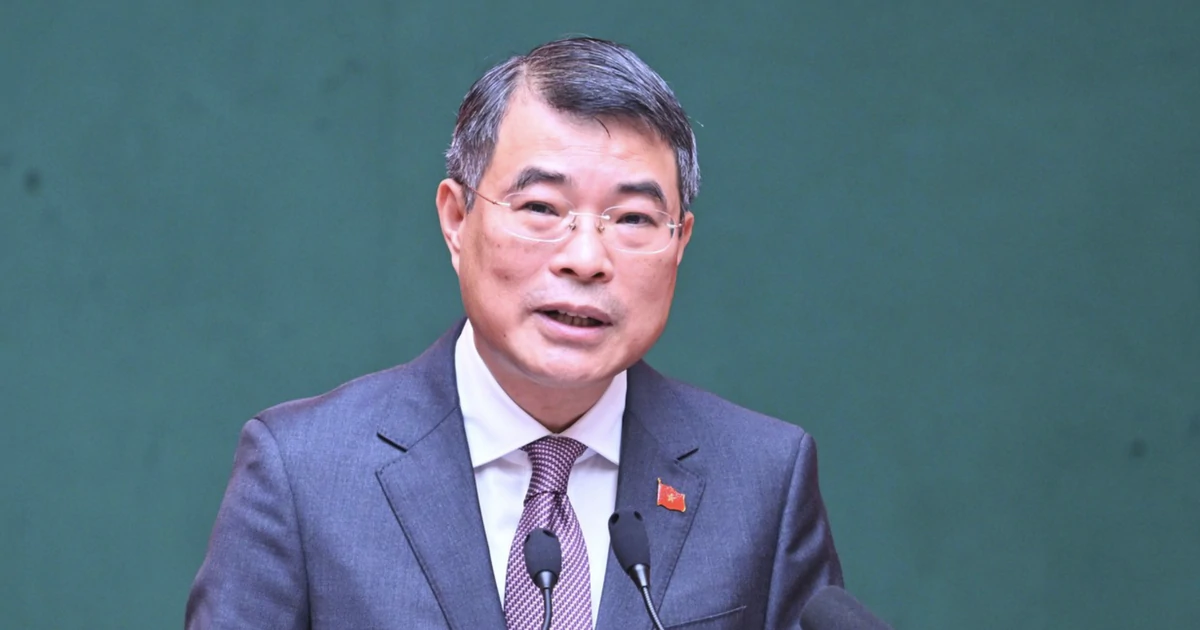
During the dialogue, Prime Minister Hung and Mr. Mergenthaler discussed strategies for generating new growth engines for Vietnam, highlighting the country’s rising prominence in advanced manufacturing, technological innovation, and international trade networks. The discussion underscored how Vietnam is actively decentralizing its economic policy framework to foster regional hubs of excellence, particularly in southern economic zones.
The Prime Minister noted that Vietnam’s economic resilience relies on its capacity to adapt to rapid changes in global financial markets and the digital economy. By shifting toward proactive international engagement, Vietnam aims to bridge the gap between regional aspirations and global economic standards. The dialogue also touched upon the institutional adjustments required to integrate cutting-edge technologies—such as artificial intelligence—into administrative governance and urban management.
Global Participation and Multilateral Alignment
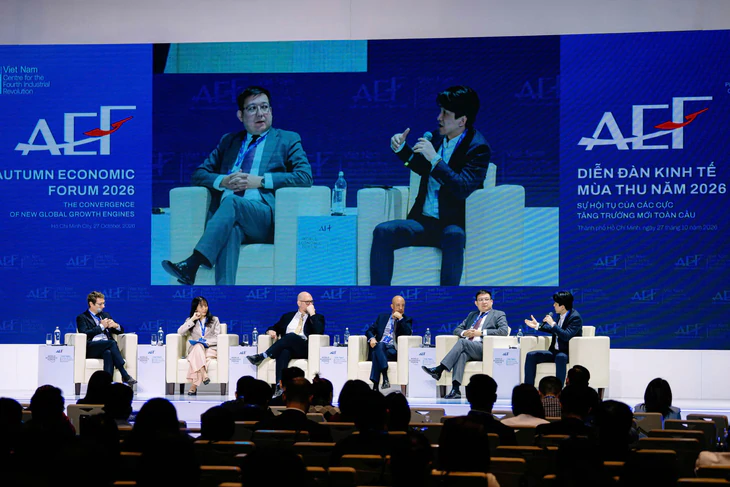
The morning opening and high-level plenary sessions brought together a formidable cohort of government representatives, international organizations, and municipal authorities. Delegations from the Philippines, the United Arab Emirates, the United Kingdom, the United Nations, and the European Union participated in foundational panels examining the changing dynamics of multilateral cooperation.
Subsequent afternoon panels pivoted toward tactical frameworks for the new era. Financial market restructuring, smart infrastructure development, artificial intelligence governance, and the establishment of new economic spaces dominated the discussions. Public finance executives and international multilateral lenders debated mechanisms to mobilize long-term capital for green infrastructure and technological modernization, converting high-level commitments into actionable regional projects.
Ho Chi Minh City Unveils 13 Billion USD in Strategic Investments
Immediately following the Prime Minister’s dialogue with WEF leadership, Ho Chi Minh City authorities announced a substantial pipeline of investment projects aimed at accelerating the region’s modernization. The city unveiled 12 strategic investment projects totaling approximately 13 billion USD, focusing on maritime logistics, core urban infrastructure, advanced manufacturing, and high-tech industries.
These projects are designed to attract foreign direct investment (FDI), strengthen public-private partnerships (PPPs), and position Ho Chi Minh City as a globally competitive logistics and financial hub. The unveiling serves to showcase the city’s priority sectors to international technology firms, infrastructure developers, and institutional investors.
In tandem with the project announcements, Ho Chi Minh City officially introduced the first 10 foundational members of the Vietnam International Financial Centre in Ho Chi Minh City (VIFC-HCMC). These inaugural members span critical sectors, including banking, asset management, urban real estate development, maritime services, green energy, and digital payment solutions. The formation of the VIFC-HCMC ecosystem is expected to deepen capital market integration, facilitating seamless access to international financing sources for domestic and regional infrastructure developments.
Strengthening Institutional Ties Through a Joint Declaration of Cooperation
Further cementing the partnership between the municipal government and the international organization, the People’s Committee of Ho Chi Minh City and the World Economic Forum prepared a joint declaration of cooperation. The framework aims to institutionalize bilateral collaboration, focusing on policy alignment, sustainable urban development, and the integration of HCMC’s innovation ecosystem into the WEF’s global network of Fourth Industrial Revolution centers.
The declaration marks a crucial milestone in bilateral relations, establishing a structured mechanism for ongoing dialogue between local policymakers and global industry leaders. Through this alliance, Ho Chi Minh City expects to leverage WEF’s vast network of academic, corporate, and governmental experts to refine its regulatory frameworks for digital assets, green transitions, and smart city governance.
Fact-Based Analysis of Economic Implications
The convergence of global leaders at the WEF Autumn Meeting 2026 in Ho Chi Minh City reflects Vietnam’s growing geopolitical and economic significance. By attracting top-tier global financial institutions and securing billions of dollars in infrastructure commitments, Vietnam is addressing its primary developmental bottleneck: capital mobilization for sustainable, high-tech infrastructure.
The strategic focus on the Vietnam International Financial Centre in Ho Chi Minh City addresses long-standing structural needs to retain domestic capital, attract offshore institutional funds, and provide sophisticated financial instruments for regional trade. Furthermore, the active participation of international regulatory bodies and multilateral organizations signifies confidence in Vietnam’s macroeconomic stability and legal reform trajectory.
As the summit concludes, the primary challenge for policymakers will lie in the swift implementation of the announced projects and regulatory harmonization with international standards. If executed effectively, the initiatives launched during the WEF Autumn Meeting 2026 could serve as a replicable blueprint for emerging economies seeking to transition from labor-intensive manufacturing to innovation-driven, sustainable growth models.