Ho Chi Minh City Seeks to Transform into a Global Technology Testing Ground through Strategic Partnership with UNDP

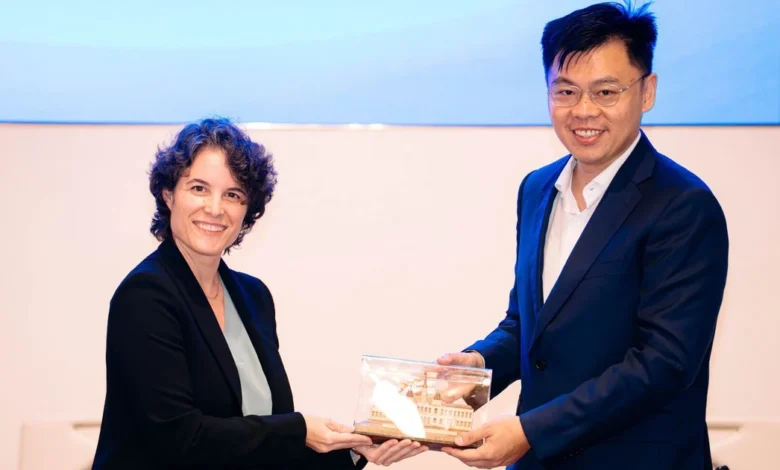
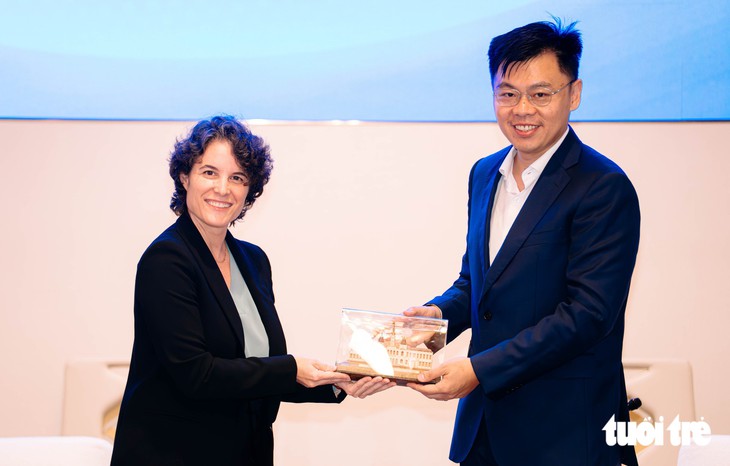
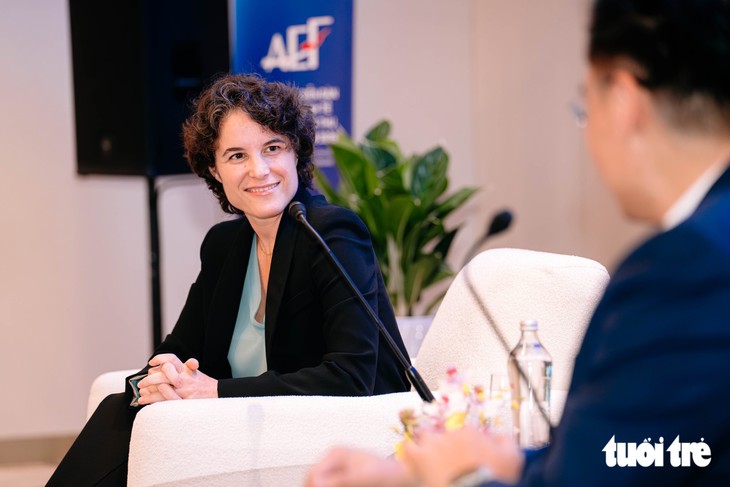
Ho Chi Minh City is accelerating its ambitions to redefine itself as a premier destination for technological experimentation and urban innovation. On the afternoon of October 27, 2026, Truong Minh Huy Vu, Vice Chairman of the Ho Chi Minh City People’s Committee, hosted a high-level working session with Francesca Nardini, Deputy Resident Representative of the United Nations Development Programme (UNDP) in Vietnam. The meeting took place on the sidelines of the highly anticipated Autumn Economic Forum 2026, serving as a critical platform to discuss avenues for deepening collaboration in smart urban development, sustainable industrial growth, and the integration of advanced living laboratory models within Vietnam’s economic powerhouse.
The strategic dialogue underscores the municipal government’s growing urgency to modernize its infrastructure, tackle persistent urban challenges, and future-proof its economy through international cooperation. By leveraging the UNDP’s extensive global network spanning 177 countries, Ho Chi Minh City aims to transition from traditional urban management practices to agile, data-driven, and highly participatory governance frameworks.
Current Innovation Landscape and Strategic Advantages
During the meeting, Vice Chairman Truong Minh Huy Vu provided a comprehensive overview of Ho Chi Minh City’s current innovation ecosystem. The metropolis currently hosts nearly 40 distinct centers, programs, and innovation foundations, which include technology incubators and startup acceleration initiatives. Among these, approximately 20 entities maintain active partnerships with domestic universities. However, municipal leaders acknowledged a critical gap: only three of these organizations possess robust, formal international connections.
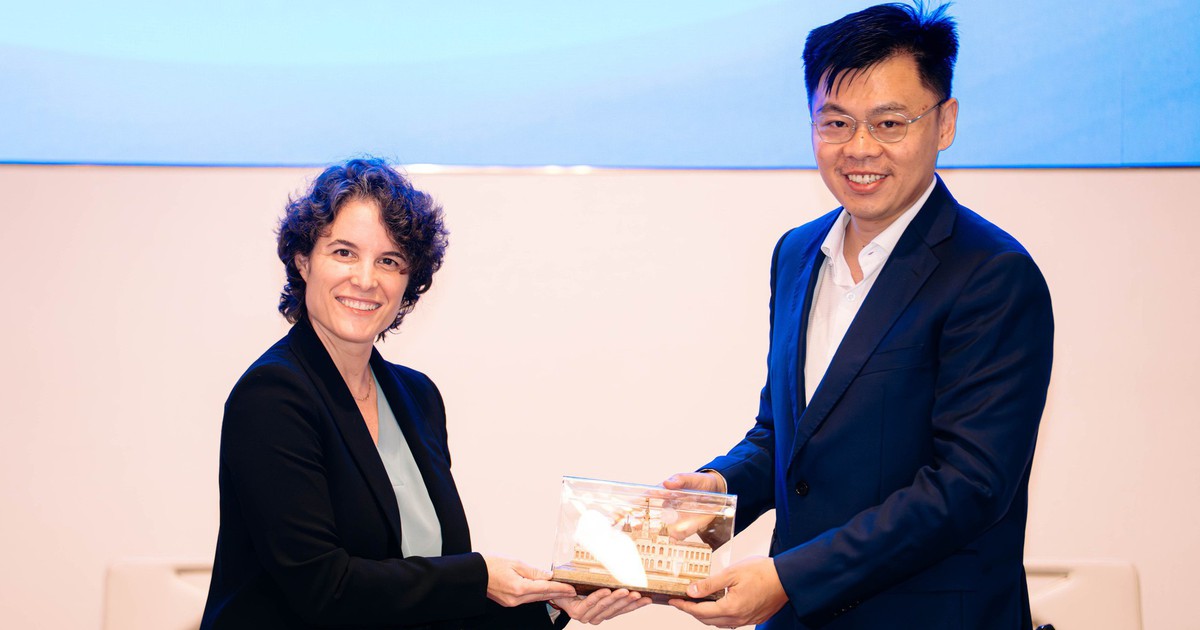
To bridge this connectivity deficit, City Hall has formally expressed its desire to integrate into the UNDP’s global network of innovation laboratories. This integration is viewed as a vital conduit for acquiring international expertise, facilitating direct engagement with world-class specialists, attracting top-tier talent, and tapping into specialized advisory programs.
Vice Chairman Vu emphasized that Ho Chi Minh City possesses two distinct structural advantages that position it ideally for the rapid deployment of specialized innovation models:
First, the city commands a massive industrial infrastructure base, featuring nearly 40,000 hectares of industrial parks following recent administrative boundary expansions and land-use readjustments. This expansive industrial footprint serves as an ideal testbed for pioneering research initiatives focused on net-zero carbon emissions, industrial automation, artificial intelligence integration, and advanced logistics frameworks.
Second, the urban environment itself—anchored by a dynamic population of approximately 14 million residents—acts as a massive living laboratory. This consumer and workforce density allows the city to trial disruptive technological solutions and regulatory frameworks across critical sectors such as digitalization, urban mobility, fintech, and municipal service delivery.
Tackling Urban Pain Points Through Inclusive Innovation
Urban innovation in Ho Chi Minh City is not merely viewed as an economic growth engine, but as an essential tool to improve the quality of life and accessibility for vulnerable populations, including individuals with disabilities and marginalized socioeconomic groups.
Highlighting a recent municipal initiative, Vice Chairman Vu pointed to the city’s rollout of free public bus services for residents implemented approximately three months prior to the meeting. While expanding public transit access is a critical step toward reducing urban congestion and carbon emissions, city leadership stressed that increased accessibility must be paired with continuous service quality improvements. Achieving this requires granular data collection regarding commuter mobility patterns, peak-demand corridors, and targeted support for underserved groups.
By embracing the "Living Lab" framework, Ho Chi Minh City intends to address complex, multi-layered urban bottlenecks—such as chronic traffic congestion, recurring urban flooding, and industrial carbon reduction—through targeted technology deployments and evidence-based policy adjustments.
The UNDP Perspective: Expanding the Living Lab Framework
Responding to the municipal leadership’s proposals, UNDP Deputy Resident Representative Francesca Nardini affirmed the organization’s readiness to evaluate mechanisms for incorporating Ho Chi Minh City into its global network of innovation labs. Nardini emphasized that the Living Lab model acts as a vital bridge connecting academic researchers, university departments, and industrial testing facilities to co-create and stress-test novel solutions, thereby complementing the city’s existing innovation ecosystem.
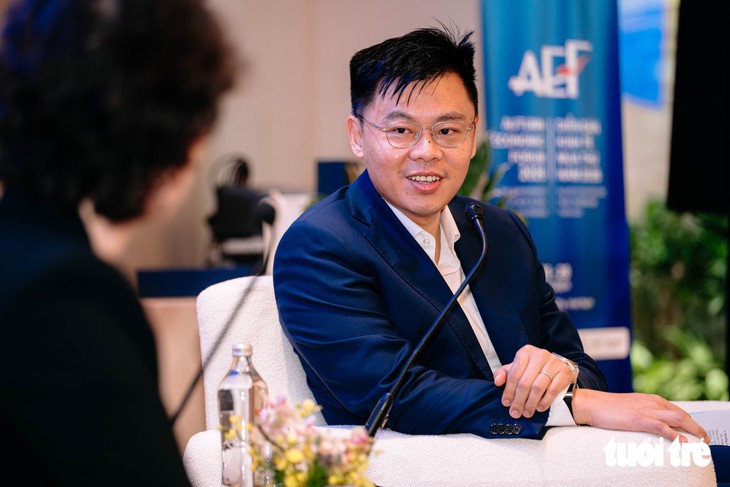
Nardini noted that the UNDP’s presence in 177 countries uniquely positions the organization to assist Ho Chi Minh City in sourcing global best practices and tailoring customized policy solutions for localized challenges, including traffic congestion, environmental degradation, and industrial decarbonization.
The core objective, according to Nardini, extends beyond merely importing foreign models. Instead, the framework focuses on testing solutions under real-world local conditions to identify unanticipated externalities, dynamically adjust regulatory frameworks, and establish empirical foundations for policymakers. If a tested solution proves scalable and effective, it can be systematically expanded through targeted policy advice and gradual institutionalization into formal municipal law.
Furthermore, Nardini highlighted the potential for a mutually beneficial, two-way partnership. Alongside absorbing international insights, Ho Chi Minh City can leverage global platforms—such as the United Nations Climate Change Conferences (COP) and the United Nations General Assembly—to share its own homegrown innovations, success stories, and practical lessons with the international community.
Broader Economic Implications and Path Forward
The strategic alignment between Ho Chi Minh City and the UNDP arrives at a pivotal moment for Vietnam’s economic trajectory. As the nation targets high-income status and accelerated digital transformation, major urban centers face mounting pressure to balance rapid economic expansion with ecological sustainability and social equity.
Transforming a mega-city of 14 million people into a functional technology testing ground requires navigating complex regulatory landscapes, data privacy considerations, and substantial capital investments. However, the formal engagement at the Autumn Economic Forum 2026 signals a decisive shift toward proactive, collaborative urban governance.
As both parties move toward formalizing implementation frameworks in the coming months, the partnership is expected to serve as a blueprint for other rapidly developing metropolitan areas across Southeast Asia. By fusing municipal administrative resolve with the global developmental expertise of the United Nations, Ho Chi Minh City is laying the structural groundwork to become a resilient, future-ready hub for sustainable urban innovation.