Hanoi proposes over 22,200 billion VND investment to redesign and renovate the Hoan Kiem Lake area and its surroundings

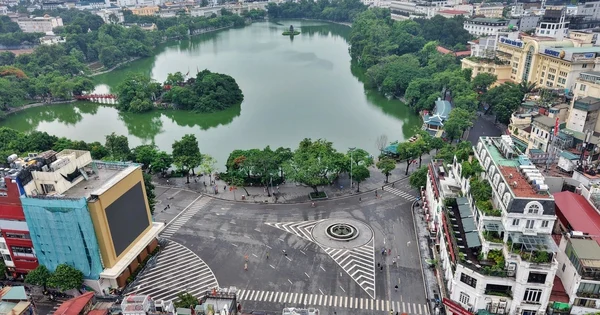
The Hanoi People’s Committee has officially submitted a comprehensive proposal to the Municipal People’s Council, seeking approval for a landmark urban redevelopment project centered on the iconic Hoan Kiem Lake and its adjacent districts. With an estimated total investment of 22,229 billion VND, this ambitious initiative aims to fundamentally restructure the capital’s historic core, integrating modern subterranean infrastructure with a revitalized cultural landscape. The project, designed to span several years, represents one of the most significant urban planning efforts in the city’s recent history, aimed at preserving architectural heritage while meeting the demands of a modern, international metropolis.
The Scope and Strategic Vision
The proposed project is not merely a cosmetic upgrade but a structural transformation of the city’s heart. Spanning the districts of Hoan Kiem and Cua Nam, the plan is categorized into three distinct sub-projects designed to synchronize heritage conservation with commercial utility. The strategic vision is to create a seamless, pedestrian-friendly space that connects Hoan Kiem Lake with the broader cultural axis, including the August Revolution Square, the Hanoi Opera House, and the National Museum of History.
By expanding public spaces and reorganizing traffic flows, the city intends to alleviate the chronic congestion that plagues the historic district while simultaneously creating new subterranean service areas. This integration of “above-ground” heritage preservation and “below-ground” commercial development is a hallmark of modern sustainable urbanism, aiming to unlock the economic potential of the area while maintaining the historical integrity of the Old Quarter’s periphery.
Chronology and Implementation Strategy
The project is set to be executed through a Public-Private Partnership (PPP) model, utilizing the Build-Transfer (BT) mechanism. According to the proposal, the full completion of the project is slated for 2029. The timeline is broken down into three major phases:
- Phase 1: Site Clearance and Planning: This initial phase involves the comprehensive clearing of the site, covering a total planning area of approximately 66.82 hectares, with 30.82 hectares earmarked for active development. This segment, valued at 9,924 billion VND, will be funded directly by the city’s budget under the management of the Hoan Kiem District People’s Committee.
- Phase 2: Underground Infrastructure: This phase focuses on the construction of a four-story underground commercial center beneath the eastern and northern parks of the lake. With a total floor area exceeding 82,600 square meters, the facility is projected to cost 4,611 billion VND. It is intended to function as a major commercial hub, with rental income from the underground space projected to contribute roughly 1,604 billion VND toward the funding of subsequent project phases.
- Phase 3: Landscape Renovation and Administrative Upgrades: The final phase, valued at 7,694 billion VND, covers the physical renovation of the Hoan Kiem area’s landscape and the construction of new administrative headquarters, including the new Hanoi People’s Committee building and the refurbishment of the People’s Council headquarters.
Supporting Data and Financial Mechanisms
The financial architecture of the project is complex, reflecting the scale of the undertaking. The city has proposed a payment structure that relies on a mix of state budget funds, lease revenue from the underground commercial space, and the transfer of specific land plots to the project investors.
Specifically, the city has identified six key land plots for this purpose, totaling approximately 7.31 hectares with an estimated value of 4,878 billion VND. These sites include prime locations such as the Trang Tien area (0.77 ha), the Dien Bien Phu side plots (0.52 ha), the land at 1-3 Tang Bat Ho (2.29 ha), 5 Le Thanh Tong (0.34 ha), 15 Hai Ba Trung (0.09 ha), and a significant 3.30-hectare plot in Dong Anh commune. The government has emphasized that the utilization of these plots will be subject to strict auction regulations or direct negotiation with the chosen investor, ensuring transparency and market-aligned valuation.
Official Oversight and Accountability
In a proactive move to address potential concerns regarding the massive capital expenditure, the Hanoi People’s Committee has requested that the State Audit Office of Vietnam be involved from the very beginning of the project implementation. This move is designed to ensure that the total investment cost and all associated expenses are scrutinized at every stage. By integrating external audits into the project’s lifecycle, the city aims to prevent cost overruns and ensure that the deployment of public resources remains both efficient and compliant with national regulations.
Broader Impact and Urban Implications
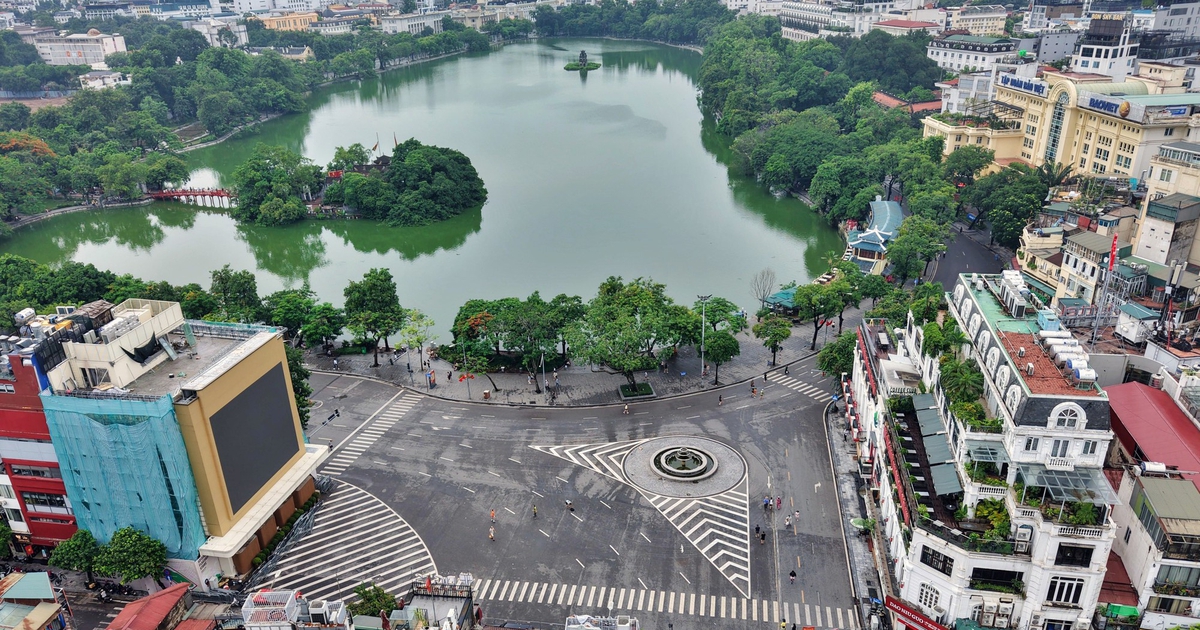
The implications of this redevelopment are far-reaching. Hoan Kiem Lake is not merely a geographical feature; it is the spiritual and cultural heart of Hanoi. Any intervention in this area attracts significant public scrutiny and requires a delicate balance between modernization and preservation.
From an urban planning perspective, the introduction of four levels of underground space could drastically change the visitor experience. By moving commercial services and parking beneath the surface, the city hopes to free up surface-level space for pedestrians, green zones, and cultural events. This follows a global trend of "reclaiming" historic city centers from vehicular dominance.
However, the project also poses challenges. The construction process, particularly in a high-density, heritage-sensitive area, will require meticulous engineering to avoid compromising the structural integrity of nearby colonial-era buildings and the lake’s natural basin. Environmental impact assessments will be critical to ensure that the deep excavation required for the four-story basement does not affect the water table or the ecological health of the lake.
Economic and Cultural Synthesis
The proposal represents a bold step toward re-envisioning the capital’s role in the 21st century. By formalizing the administrative center’s relocation and renovation, the government is signaling a commitment to administrative efficiency. Simultaneously, the focus on the "cultural axis" suggests that the city intends to leverage its historical assets to drive tourism and high-end services.
Market analysts observe that the use of land-based payments (the "land-for-infrastructure" model) is a common strategy in Vietnam to bridge the gap between ambitious development goals and budgetary constraints. While effective, it places a heavy premium on the valuation of the land plots involved. The transparency of the upcoming land auctions or transfers will be a key indicator of the project’s overall governance standards.
As the proposal moves to the City People’s Council for debate and eventual voting, stakeholders are calling for extensive public consultation. While the aesthetic and functional benefits of a revitalized city center are clear, the long-term success of the project will hinge on the quality of execution, the preservation of the "soul" of Hoan Kiem, and the rigorous oversight of the massive public-private investments involved.
For a city that has seen decades of rapid, sometimes chaotic growth, this project acts as a potential blueprint for a more orderly, heritage-conscious urban development. Whether it succeeds in becoming a world-class model for urban renovation remains to be seen, but the intent to integrate modern functionality with historical reverence marks a pivotal moment for the capital of Vietnam.