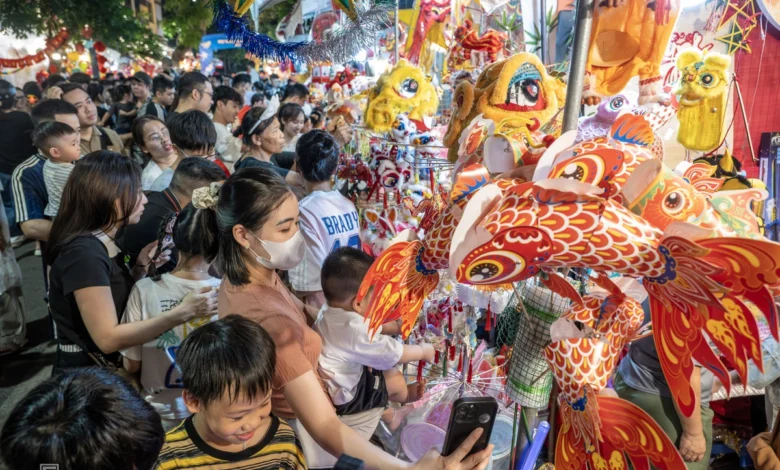
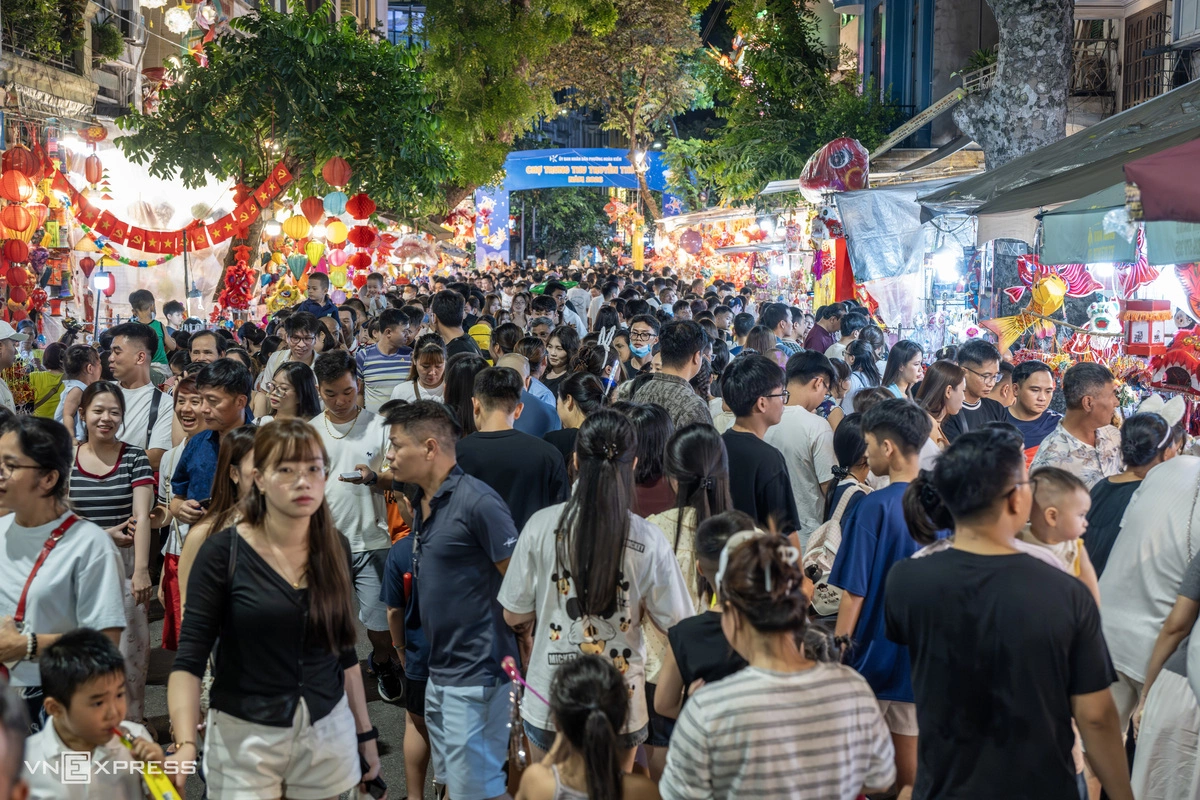
Hanoi, September 21, 2026 — As the Mid-Autumn Festival approaches, the historic Hang Ma Street in Hanoi’s Old Quarter has transformed into a vibrant epicenter of cultural celebration. By the evening of Sunday, September 20, the narrow, 400-meter-long thoroughfare was packed with thousands of residents and tourists, creating a dense sea of people that stretched from the late afternoon well into the early hours of Monday. This annual phenomenon highlights the enduring significance of the festival, which remains one of the most important cultural touchstones in Vietnamese society.
A Cultural Anchor in the Old Quarter
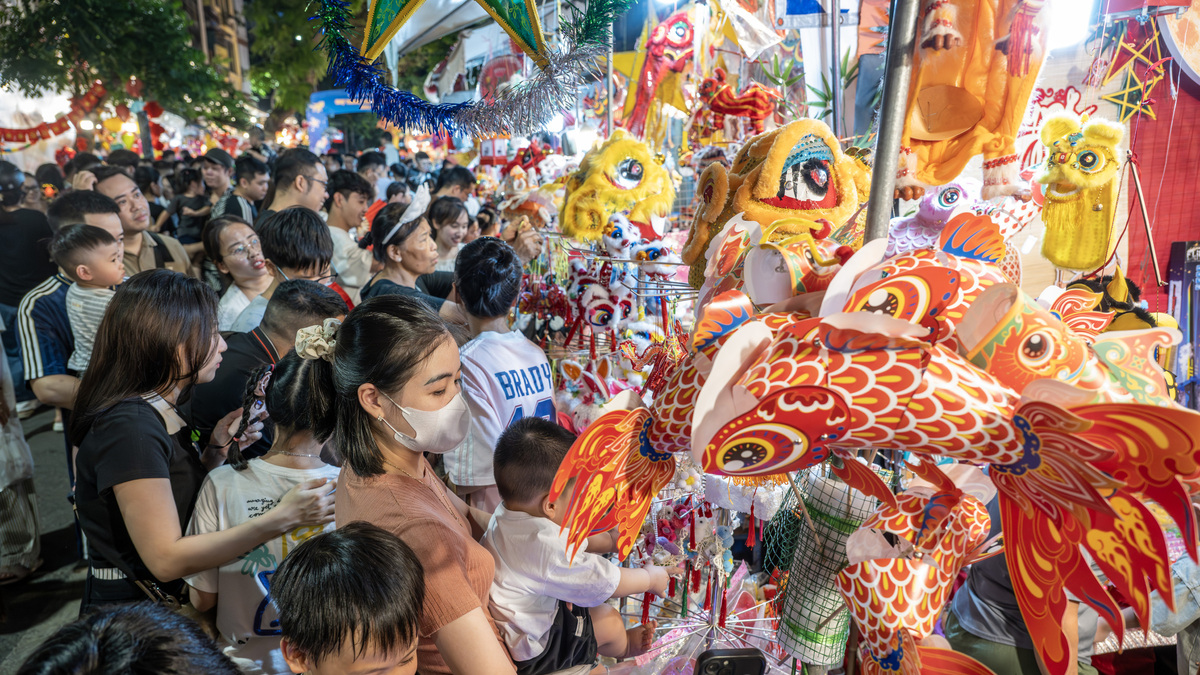
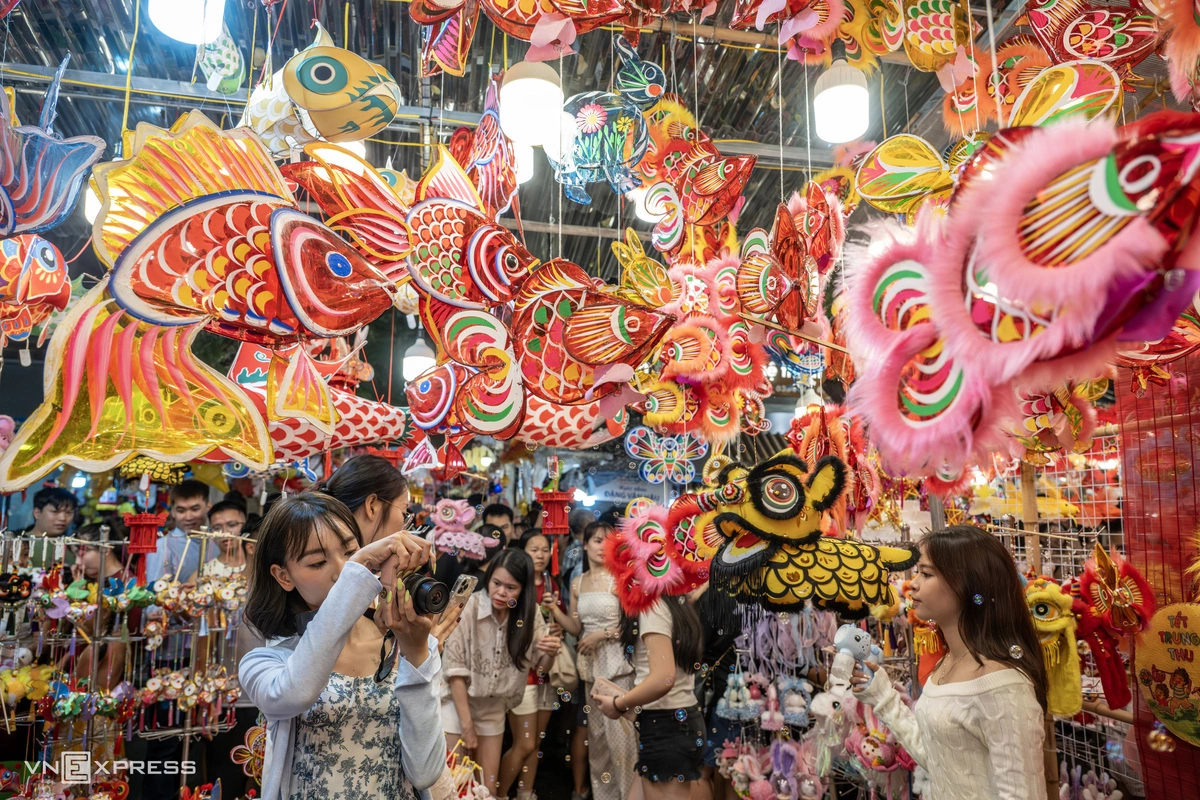
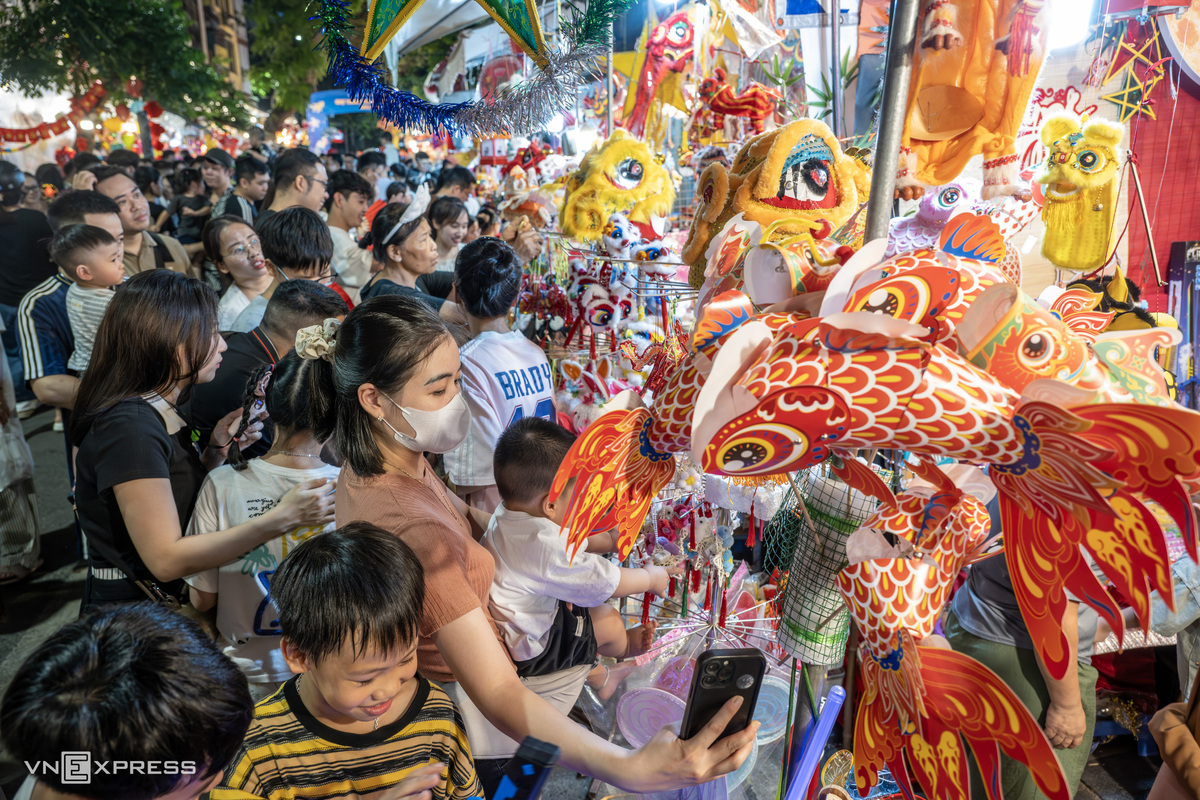
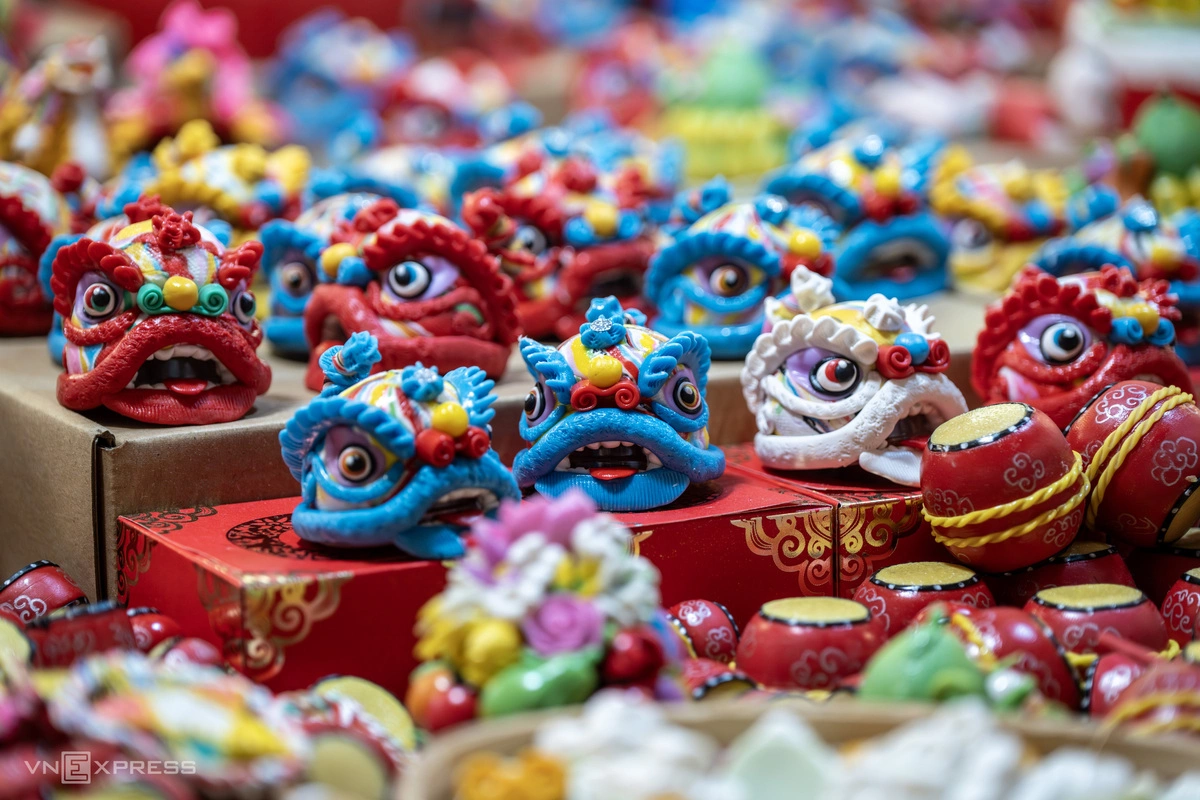
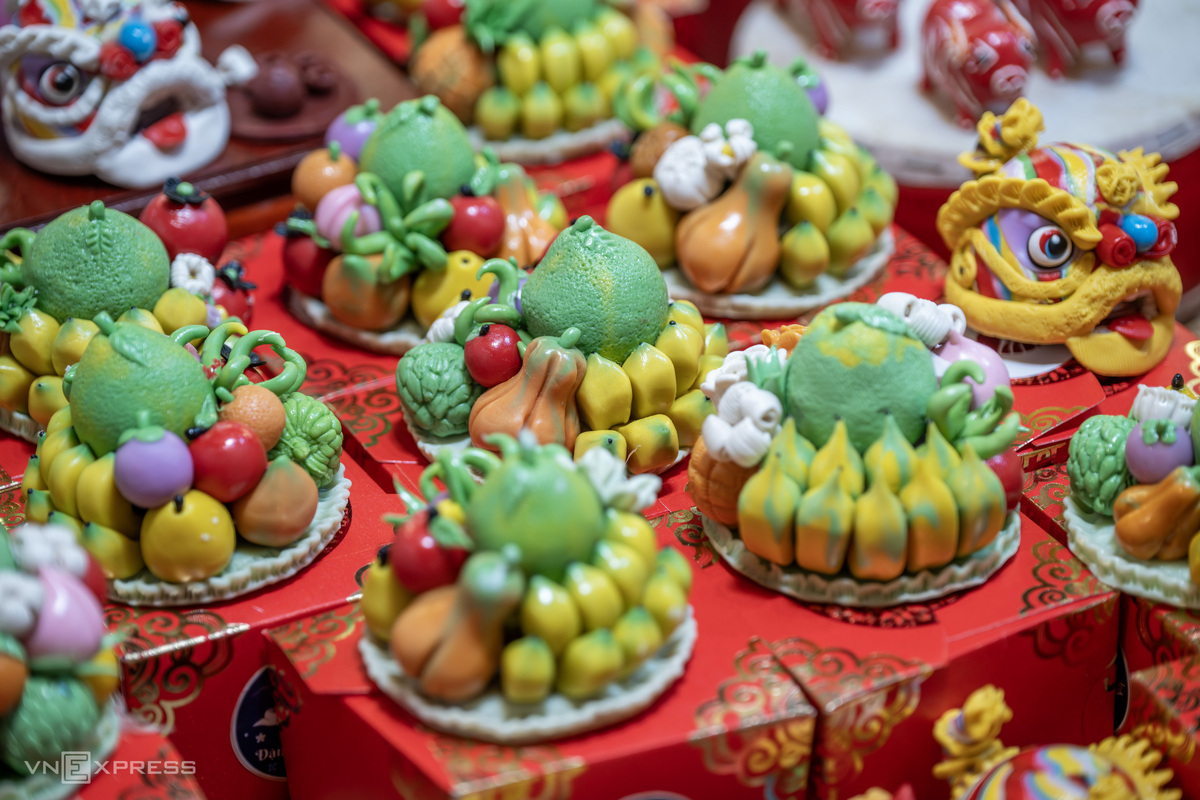
Hang Ma Street, traditionally known for its production and sale of ritual paper offerings and festive decorations, has evolved into the city’s primary hub for Mid-Autumn merchandise. As the lunar calendar approaches the 15th day of the eighth month, the street undergoes a metamorphosis. Shopfronts are adorned with an array of traditional items, including hand-painted masks, colorful paper lanterns, star-shaped lamps, and the iconic "to he" (dough figurines).
This year, the influx of visitors has been particularly pronounced. Observers and local authorities noted that foot traffic began to swell significantly on Friday evening, reaching a peak on Sunday night. The atmosphere is a sensory overload of vibrant colors, the rhythmic sounds of children’s music, and the collective energy of families navigating the historic 8-meter-wide street.
Historical Context and Evolution
The Mid-Autumn Festival, or "Tet Trung Thu," traces its roots back to ancient agricultural traditions, serving as a time for families to give thanks for the harvest and enjoy the full moon. While the festival has modernized, the ritual of purchasing traditional toys remains a deeply embedded practice for Hanoians.
In the early 2000s, the market was dominated by mass-produced plastic toys. However, over the last decade, there has been a notable resurgence in demand for heritage crafts. Artisans like Nguyen Van Huu, a well-known maker of "to he," have seen an uptick in interest. These traditional crafts are no longer viewed merely as children’s playthings but as symbols of cultural preservation. The price point for these items varies, with simple masks and small lanterns ranging from 30,000 to 70,000 VND, while more intricate, artisan-crafted dough figurines can fetch several hundred thousand dong.
Supporting Data and Observations
The surge in visitors to the Old Quarter is not merely a social trend but a logistical challenge for municipal authorities. With the street’s limited capacity, the density of pedestrians often exceeds safety thresholds, forcing parents to carry their children on their shoulders to ensure their safety and provide them with a better view of the vibrant displays.
Data from the Hoan Kiem District management board suggests that visitor numbers in the Old Quarter during the weekend preceding the festival have increased by approximately 15% compared to the same period in 2025. This rise is attributed to a combination of favorable autumn weather and a growing post-pandemic interest in local cultural experiences. Many attendees, like Hoang Duong and Thuy Linh, who traveled over 30 kilometers from Dan Phuong district, emphasized that the experience is about capturing memories. The aesthetic appeal of the lantern-lit streets serves as a perfect backdrop for the younger generation to document their experiences on social media, further fueling the crowds.
Management and Security Challenges
The Hoan Kiem District authorities have implemented strict traffic management protocols to mitigate the risks associated with such large gatherings. Motorized vehicles are prohibited from entering the core of the Old Quarter during these peak hours to create a pedestrian-only zone. Despite these efforts, the sheer volume of humanity makes navigation difficult.
"We are balancing the need for cultural expression with public safety," a local official remarked. "The police presence has been bolstered, and emergency response teams are positioned at key intersections to handle any medical or crowd-control issues that may arise."
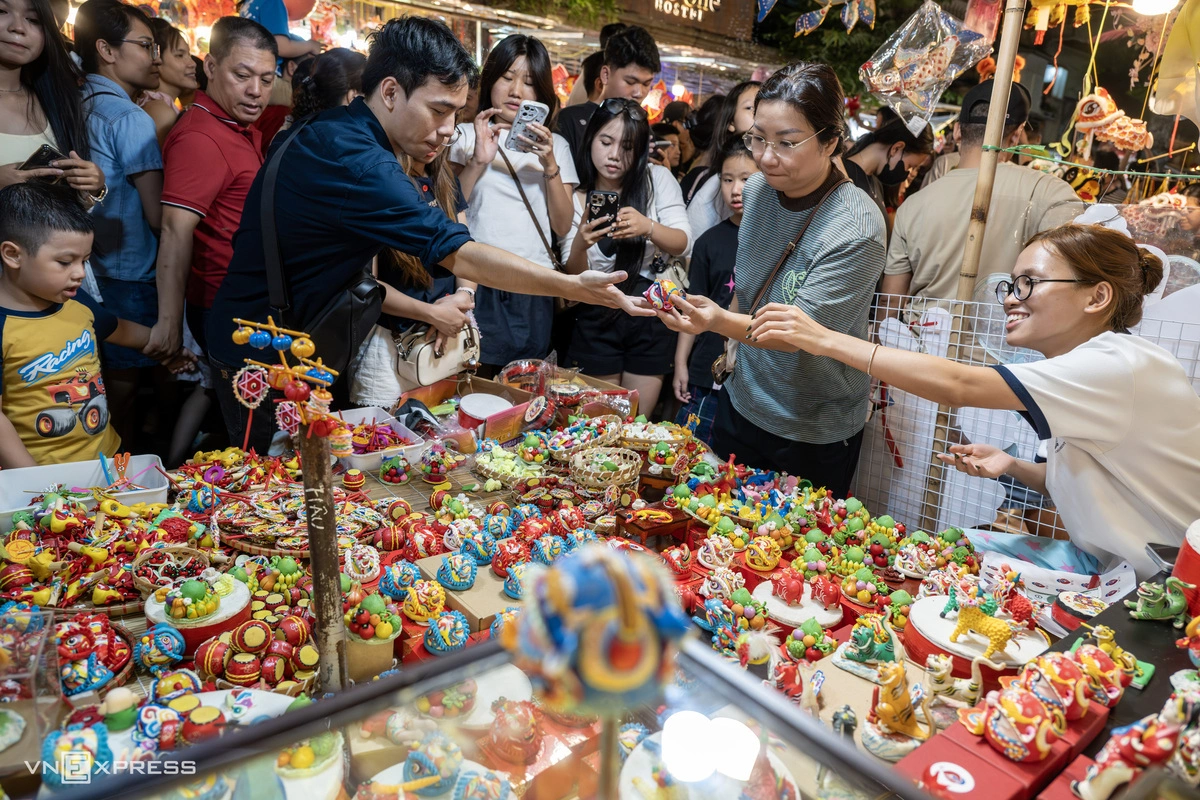
The management of the street is a delicate balance. On one hand, the street provides a vital economic boost for local merchants who rely on the short 10-day window before the festival to secure a significant portion of their annual revenue. On the other hand, the extreme density poses potential fire hazards and logistical nightmares for residents living in the narrow tube houses along the street.
Implications for Tourism and Economy
The success of the Mid-Autumn preparations on Hang Ma Street serves as a bellwether for the broader tourism health of Hanoi. The city’s ability to maintain these "living museums" of culture is a key driver for domestic tourism. Experts in urban planning suggest that the concentration of visitors in the Old Quarter highlights the need for better distribution of cultural events across the city.
"While Hang Ma is the heart of the festival, the pressure it faces annually is unsustainable," noted Dr. Le Minh, a cultural analyst based in Hanoi. "The trend shows that people are craving authentic, traditional experiences. If the city can replicate this atmosphere in other historical districts, it would not only relieve the pressure on the Old Quarter but also provide a more comfortable experience for the public."
Looking Ahead
As the clock ticks closer to the full moon, the activity on Hang Ma Street is expected to remain at a fever pitch. For the merchants, this is the final push of the season. For the families, it is a race to collect the best lanterns and masks before the festival concludes.
The enduring popularity of this event underscores a crucial reality: in an era of rapid digital transformation, the tactile, community-based traditions of the Mid-Autumn Festival remain indispensable to the identity of Hanoi. Whether through the craftsmanship of a bamboo-frame lantern or the shared experience of walking through the illuminated streets, the festival continues to bind the community together, ensuring that the legacy of the Old Quarter remains vibrant for generations to come.
As of late Sunday night, no major incidents had been reported, and the festive spirit remained high, with thousands of families continuing to enjoy the historic charm of one of Vietnam’s most iconic celebrations.