Samsung Galaxy Ring User Reactions Highlight Growing Debate Over Smart Ring Ergonomics, Pricing, and Ecosystem Compatibility

The modern wearable technology market has experienced a significant paradigm shift over the past several years, moving away from bulky wrist-bound smartwatches toward minimalist, continuous health-tracking form factors. Among these innovations, the smart ring has emerged as a preferred device category for consumers seeking a seamless, unobtrusive monitoring experience. Devices like the Samsung Galaxy Ring have captured public interest by promising advanced biometric tracking tucked inside a lightweight titanium band. However, as these products land in the hands of early adopters, user feedback has illuminated a complex landscape of consumer expectations, marketing friction, and hardware limitations that manufacturers must address to ensure long-term market viability.
The debate surrounding the Galaxy Ring extends far beyond basic device functionality, touching upon user interface consistency, ecosystem lock-in, pricing strategies, and long-term hardware durability. Analyzing the discourse among technology enthusiasts and early consumers provides critical insight into the current state of the smart ring industry, revealing a delicate balance between ergonomic innovation and practical consumer utility.
Ergonomic Evolution and the Appeal of Minimalist Wearables
For years, fitness enthusiasts and health-conscious consumers relied primarily on smartwatches and dedicated fitness bands to monitor heart rate, sleep patterns, daily step counts, and advanced physiological metrics such as blood oxygen saturation and skin temperature. While these wrist-worn devices offer comprehensive data collection and immediate visual feedback via touchscreens, they present distinct ergonomic challenges. Many users find traditional smartwatches uncomfortable to wear during sleep due to their bulk, weight, and screen placement, which can lead to accidental activation or physical irritation during rest.
The introduction of smart rings addressed this critical pain point. By eliminating the screen and housing delicate sensors inside a compact, circular band, manufacturers created a wearable that users can comfortably keep on their fingers twenty-four hours a day. The Samsung Galaxy Ring, constructed from lightweight titanium, was specifically designed to appeal to individuals who prioritize comfort without sacrificing data accuracy. According to consumer feedback, the ring successfully delivers on its promise of an unobtrusive fit, making overnight sleep tracking significantly more comfortable than traditional alternatives.
Yet, this minimalist approach creates a unique set of challenges. Without a display, users are entirely dependent on companion smartphone applications to interpret their health data, configure settings, and receive notifications. This reliance makes the software interface and cross-platform compatibility vital components of the user experience.
Marketing Missteps and Visual Discrepancies
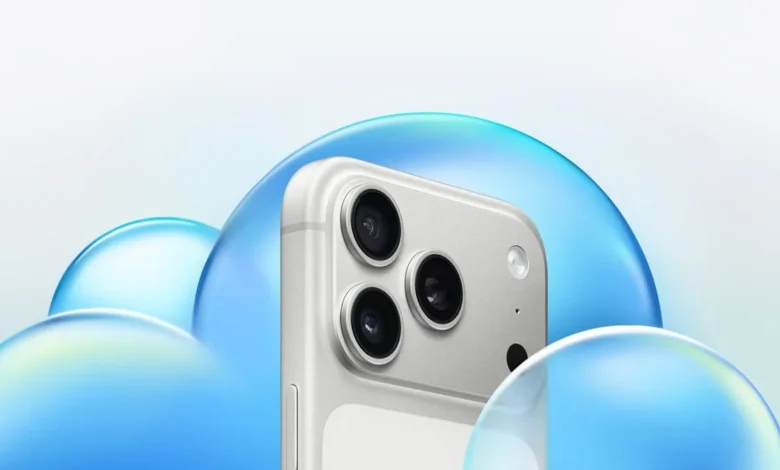
A recurring point of contention among community reviewers and tech commentators involves the marketing and presentation of the Galaxy Ring, particularly regarding visual collateral. In digital spaces where first impressions dictate consumer engagement, thumbnail images and promotional banners play an outsized role in shaping expectations. A notable wave of criticism recently emerged when promotional materials and video thumbnails for articles discussing the Samsung Galaxy Ring prominently featured Apple devices, such as the iPhone.
This apparent mismatch sparked widespread confusion and frustration among readers and industry observers. Social media and forum discussions quickly filled with pointed inquiries questioning the editorial decision-making behind pairing a flagship Samsung ecosystem product with competing Apple hardware. Commentators debated whether the visual choice was a careless oversight by content creators and editorial staff or a calculated attempt to leverage search engine optimization and cross-brand name recognition to drive web traffic.
In the fast-paced digital publishing industry, the pressure to maximize click-through rates often leads to unconventional pairing strategies. However, in the context of tightly integrated consumer technology ecosystems—where hardware synergy is a primary selling point—displaying a Samsung wearable alongside an iPhone can alienate brand-loyal consumers and generate unnecessary friction. For prospective buyers researching how the Galaxy Ring integrates with their existing devices, such visual inconsistencies undermine the credibility of the reporting and highlight the ongoing challenge of maintaining editorial clarity in modern tech journalism.
Ecosystem Integration and Hardware Frustrations
Beyond promotional imagery, consumer discourse has highlighted deeper concerns regarding hardware longevity, software restrictions, and high retail pricing. Smart rings represent a unique engineering triumph, packing accelerometers, optical heart rate sensors, and miniature batteries into a casing mere millimeters thick. However, this extreme miniaturization introduces significant engineering hurdles, particularly regarding battery endurance and device repairability.
Early adopters of first-generation smart rings have reported mounting frustration over rapid battery degradation. Because lithium-ion batteries naturally lose capacity over time through repeated charge cycles, small wearable devices with restricted internal volume face a truncated operational lifespan. Several consumers who purchased early iterations of smart rings noted that after a couple of years of regular use, battery performance plummeted to the point where the device struggled to last a full twenty-four hours on a single charge. Given that continuous monitoring is the core value proposition of a smart ring, a failing battery effectively renders the device obsolete.
Compounding these hardware concerns is the persistent issue of pricing. Industry analysts note that smart rings currently command a premium price tag that often rivals or exceeds traditional smartwatches, despite offering fewer physical components, no display, and a shorter expected lifespan due to unreplaceable batteries. Consumers frequently express hesitation, arguing that while the form factor is appealing, the current cost barrier is difficult to justify for a device that may require replacement after a relatively short period.
Furthermore, platform exclusivity remains a contentious issue. While some smart rings offer broad compatibility, major manufacturers often tie their health-tracking ecosystems tightly to their own proprietary smartphone applications and operating systems. This creates a fragmented marketplace where consumers are discouraged from mixing and matching brands, reinforcing ecosystem lock-in and intensifying the scrutiny placed on cross-brand marketing errors.
Industry Implications and the Future of Smart Rings
The ongoing discussions surrounding the Galaxy Ring and the broader smart ring market signal a transitional phase for wearable technology. As consumer expectations mature, manufacturers can no longer rely solely on the novelty of a new form factor to drive sales. Buyers are demanding tangible value, long-term durability, transparent pricing, and seamless software integration.
For hardware developers, the feedback loop provided by early adopters offers a clear roadmap for future iterations. Addressing battery degradation through advanced power-management algorithms, exploring modular or repairable internal designs, and refining pricing structures will be critical steps in moving smart rings from a niche luxury gadget to a mainstream health-monitoring staple. Simultaneously, media outlets and content creators face renewed pressure to ensure their editorial presentation aligns accurately with the technical realities of the products they cover, avoiding confusing visual pairings that detract from objective analysis.
Ultimately, the Samsung Galaxy Ring represents both the promise and the growing pains of next-generation wearables. By successfully delivering a comfortable, unobtrusive tracking experience, it has validated the demand for minimalist health technology. However, if the industry hopes to sustain long-term growth and consumer trust, it must reconcile the friction between premium pricing, hardware longevity, and ecosystem accessibility.