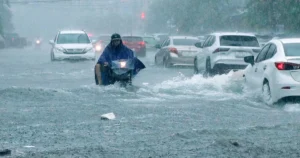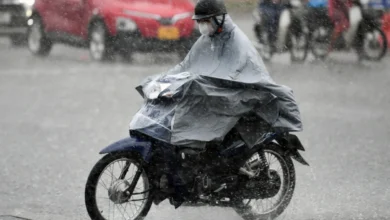
The city of Vinh, Nghe An province, is currently grappling with the aftermath of an unprecedented deluge that occurred on September 19, leaving thousands of vehicles submerged and overwhelming local automotive service centers. As the floodwaters recede, the scale of the mechanical and electrical destruction has become apparent, creating a logistical crisis for vehicle owners and repair shops alike. The record-breaking rainfall, which reached 399 mm in just eight hours, has turned neighborhood garages into hubs of round-the-clock emergency operations, as the city attempts to recover from what climatologists are describing as a historic weather event.
The Anatomy of a Record-Breaking Deluge
The rainfall, which began in the early morning hours of September 19, saw the highest intensity between 10:00 AM and 11:00 AM, with 145 mm of precipitation falling in a single hour. This surge exceeded the previous monthly record for September, which had stood since 1985. By midday, multiple major thoroughfares, including the Le Nin boulevard and the Vinh Phom area, were under 30 to 60 centimeters of water, effectively trapping commuters and residents.
The drainage infrastructure, while typically capable of managing seasonal monsoon rain, was simply overwhelmed by the sheer volume of water. As vehicles became stranded in the middle of flooded intersections, many drivers were forced to abandon their cars, leaving them vulnerable to water ingress that would ultimately compromise critical engine components, interior upholstery, and sophisticated electronic control units.
Emergency Response and Garage Overload
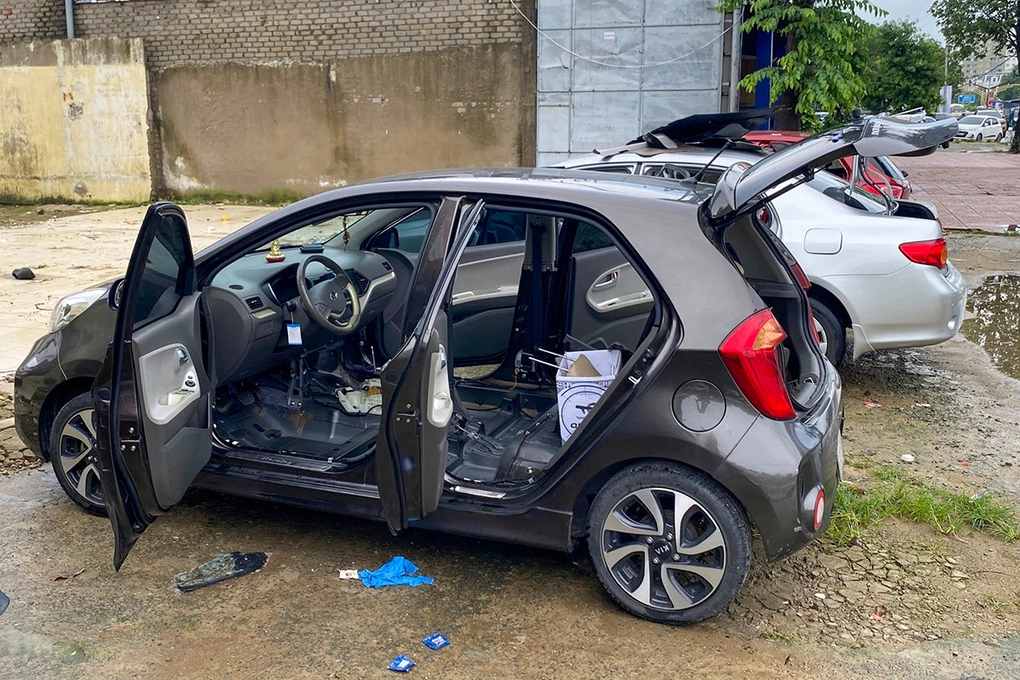
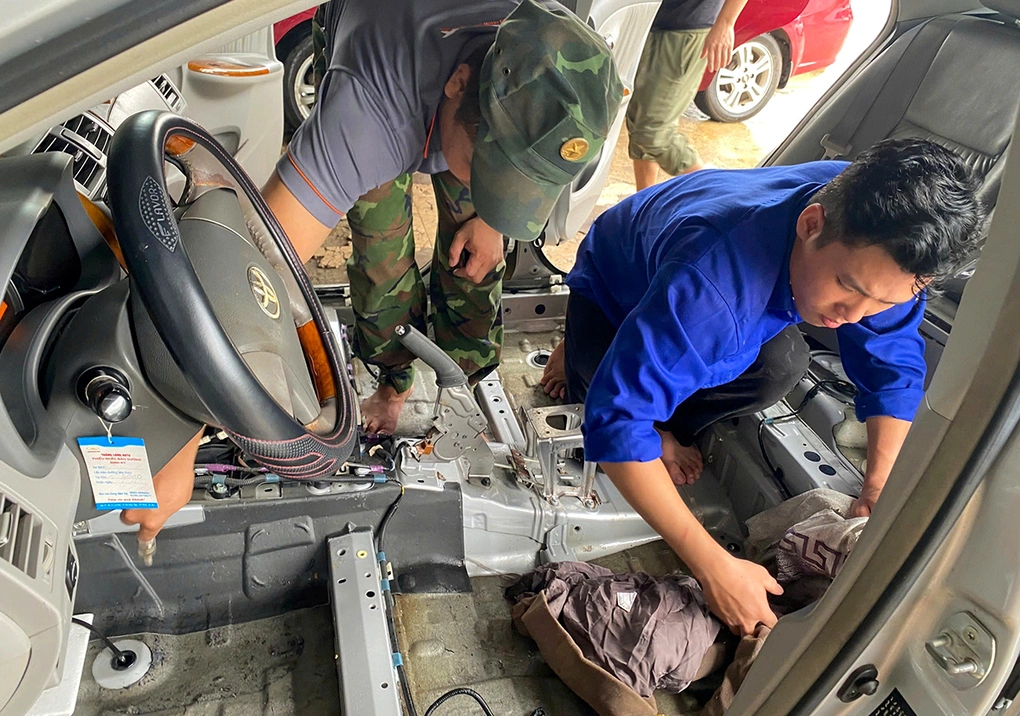
By the morning of September 20, the scene at major automotive workshops in Vinh was one of frantic, organized chaos. At Thang Long Auto, located on Le Nin boulevard, the facility was completely filled with 5-to-7-seater vehicles that had been recovered by towing services over the previous 24 hours. The internal workshops were transformed into assembly lines of recovery, with technicians systematically removing seats and carpets, which were then stacked in piles to be steam-cleaned and dried.
Chu Van Tuan, a garage owner overseeing the recovery efforts, noted that his team had received 17 vehicles in just two days. "For cars that have been deeply submerged, we have to perform a total teardown," Tuan explained. "We start with the interior, but the real concern is the engine block, the wiring harness, and the ECU (Electronic Control Unit). Depending on how much water reached the engine, we are looking at anything from a simple cleaning to a complete overhaul."
The situation is mirrored across the city. On the 32-meter road in Vinh Phom, another major repair facility was seen with a line of nearly 50 cars waiting for intake. The facility had to activate its entire staff, including two dedicated rescue trucks that operated without pause to retrieve vehicles from various flooded districts throughout the night.
Technical Challenges and Economic Implications
The technical challenge posed by modern vehicles in flood scenarios is significantly higher than in previous decades. As automotive engineering moves toward electrification and advanced sensor arrays, the susceptibility to water damage has increased.
"Unlike traditional internal combustion engines, modern vehicles are packed with sensitive electronics," a spokesperson for a specialized electrical repair shop stated. "We are dealing with high-voltage battery systems, radar sensors, cameras, and multiple control modules. Many of these components are located in the lower chassis, making them the first to fail upon contact with water. Because these parts are highly integrated, repairing them is both complex and time-consuming."
The financial burden on vehicle owners is expected to be substantial. Basic cleaning and drying for a car with minor water exposure may range between 2 to 5 million VND. However, if the engine or critical electronic systems require replacement, repair costs can easily soar to between 150 and 200 million VND. For many, this represents a catastrophic financial loss, particularly for those whose insurance policies do not cover "act of God" weather events or who lack comprehensive flood coverage.
Impact on Two-Wheeled Transport
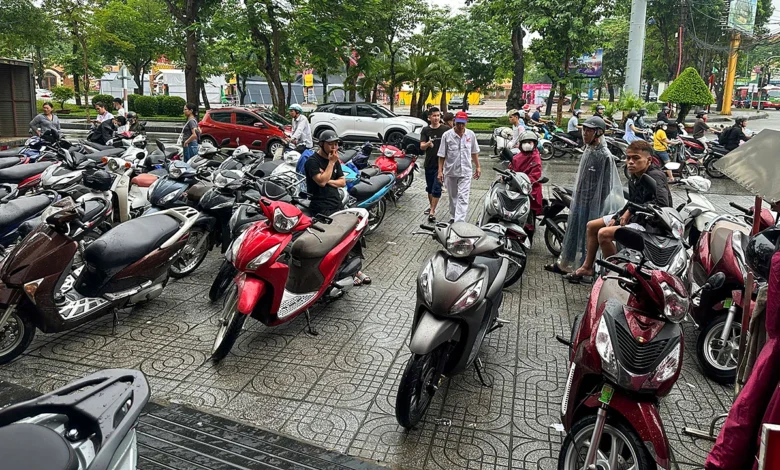
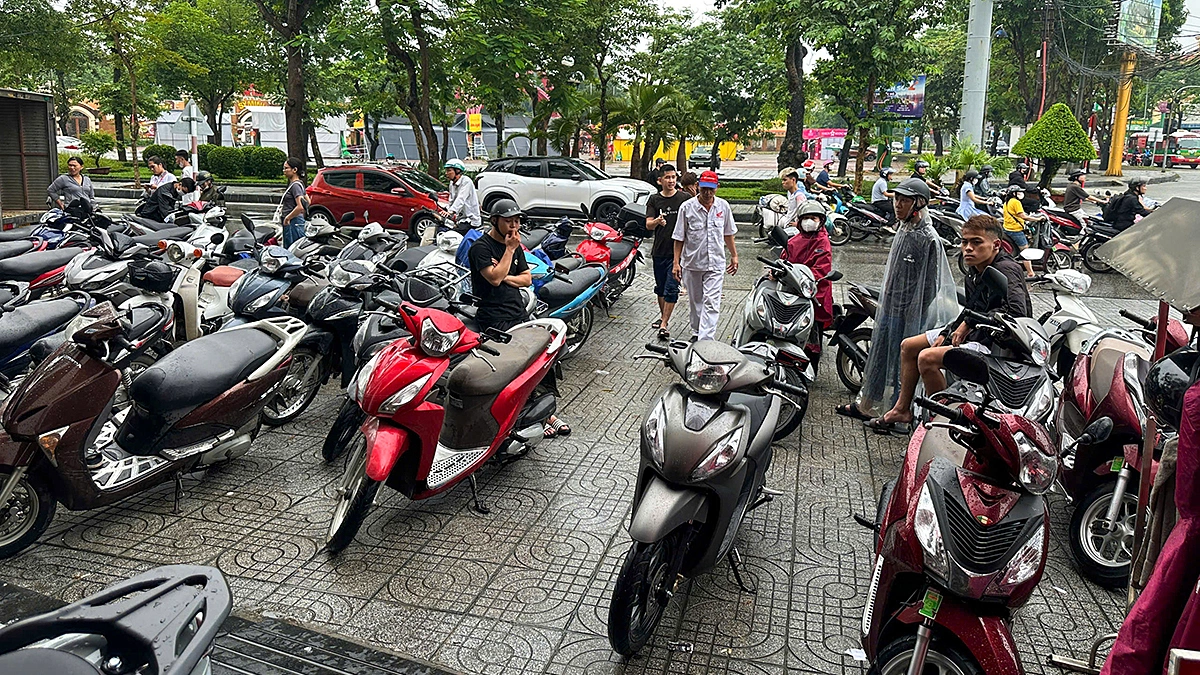
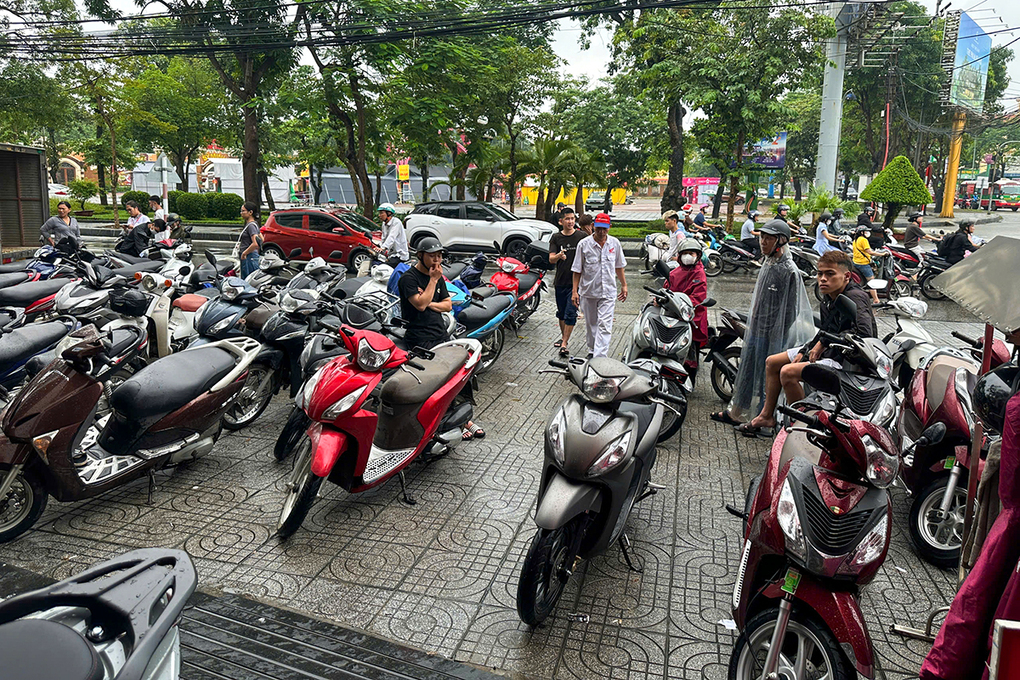
The crisis is not limited to passenger automobiles. Motorbikes, the primary mode of transportation for a vast majority of the population in Vinh, have also been severely affected. Along Le Mao Street in the Thanh Vinh ward, repair shops were seen with rows of motorcycles lined up, many still caked in the mud and silt deposited by the floodwaters.
Technicians are working from dawn until well into the night to address the influx. A standard motorbike that has been submerged requires at least one to two hours of professional attention, including engine flushing, spark plug inspection, air filter replacement, and thorough drying of the electrical systems. The cost for these services typically ranges from 300,000 to 1 million VND, though more severe damage can double or triple that figure.
Lessons in Disaster Management and Vehicle Care
Local mechanics have issued urgent warnings to the public regarding the handling of vehicles post-flood. The most critical piece of advice: do not attempt to start the engine.
"When water enters the combustion chamber, it can cause a phenomenon known as hydraulic lock, where the liquid prevents the piston from completing its stroke," explained a senior technician. "This can lead to bent connecting rods, a cracked engine block, and total engine failure. Furthermore, attempting to power on an electrical system that has been submerged can cause short circuits that fry every electronic component in the car."
For modern vehicles, the risks are compounded by the presence of wiring harnesses that use moisture-sensitive connectors. If these are not dried professionally and immediately, they begin to oxidize, which can lead to intermittent electrical faults that may not appear for weeks or months after the initial event.
Broader Context and Future Resilience
The September 19 event in Vinh serves as a sobering reminder of the increasing frequency of extreme weather events in Southeast Asia. Urban planners are now facing renewed pressure to evaluate the city’s flood mitigation strategies. The fact that the 2026 rainfall surpassed a record set 41 years ago suggests that the current infrastructure may no longer be adequate for the changing climate patterns.
For the residents of Vinh, the recovery process will be a long one. As the city clears the debris and the repair shops slowly work through the backlog of damaged vehicles, the focus is shifting toward how to better protect critical personal assets. Insurance companies in the region are bracing for a surge in claims, while municipal authorities are beginning to discuss long-term upgrades to the drainage systems to ensure that future storms do not result in such widespread destruction.
In the immediate term, the priority remains the systematic rehabilitation of the thousands of vehicles that form the backbone of the city’s mobility. As workshops continue to operate at maximum capacity, the resilience of the community is being tested, with citizens and businesses working in tandem to return to a state of normalcy in the wake of one of the most intense natural disasters in the city’s recent history.