Indonesian Coach Prioritizes Process Over Immediate Results for ASEAN Cup 2026 Campaign

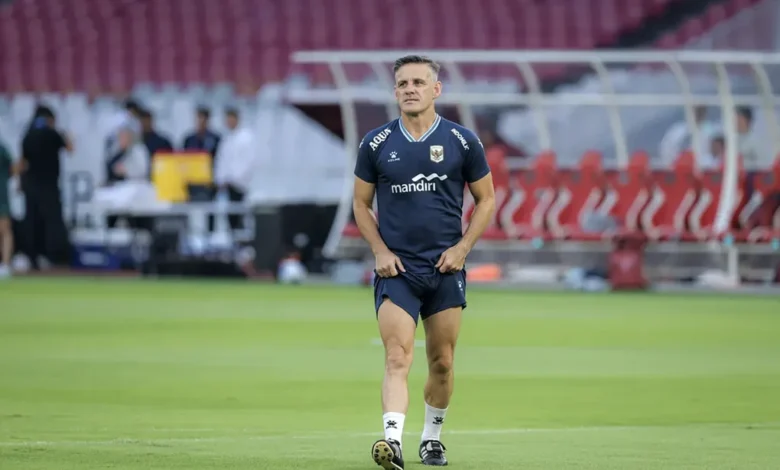
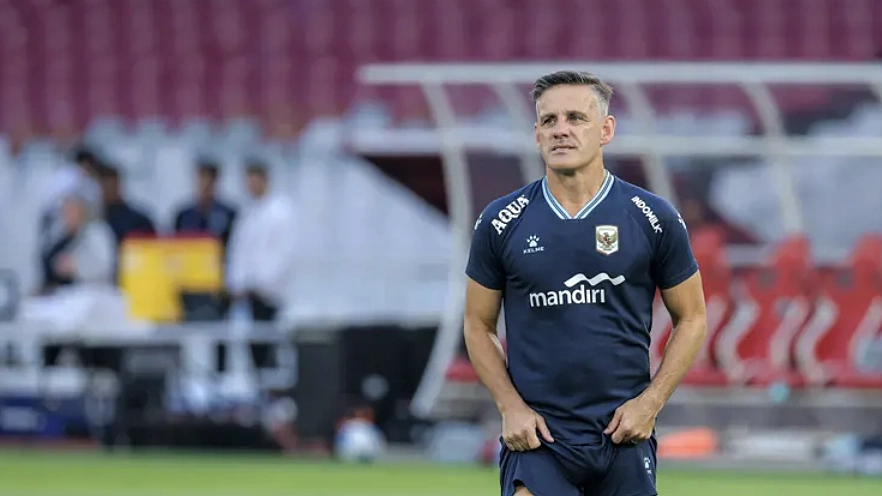
Indonesia’s national football team, under the guidance of English head coach John Herdman, is embarking on its ASEAN Cup 2026 campaign with a clear philosophy centered on incremental improvement and a long-term developmental process rather than solely fixating on the ultimate tournament outcome. This strategic approach, articulated by Herdman, aims to foster a resilient and tactically sophisticated squad capable of sustained success, a significant shift in focus for a nation perennially hungry for its first regional title. The team is currently intensifying its preparations in Bali, a critical phase designed to fine-tune tactical identity and enhance player cohesion ahead of the prestigious regional championship.
The Road to ASEAN Cup 2026: A Focus on Foundation
Indonesia’s journey towards the ASEAN Cup 2026 officially commenced with a rigorous training camp in Bali, a picturesque setting chosen to minimize distractions and maximize team focus. The initial weeks of preparation culminated in a commanding 3-0 victory over local Liga 1 club Bali United in a friendly match held on July 21. Coach Herdman lauded this performance as "outstanding," emphasizing its value in providing crucial match practice for all squad members. He highlighted the tangible progress made by the team after two weeks of concentrated training, noting significant advancements in tactical understanding and collective play. "We are beginning to see clear signs of our tactical identity taking shape," Herdman stated in an interview with the Football Association of Indonesia (PSSI) website. "The team still has five more days to prepare and improve further before the ASEAN Cup truly begins."
Beyond the technical and tactical aspects, Herdman also expressed satisfaction with the positive rapport and camaraderie developing among the players. This strong interpersonal dynamic is viewed as a vital component for team success, fostering a supportive environment crucial for executing complex strategies under pressure. However, he remained steadfast in his counsel to the players: maintain unwavering focus on the process of daily improvement, rather than becoming preoccupied with the final outcome of the tournament. "My primary role is to continually encourage the players to progress every single day," Herdman elaborated. "This team possesses the potential to win the title, but we must not rush to think about the final result. If we focus on continuous improvement, the rewards will naturally follow in due course. The players are adapting well to our system and growing in confidence."
Herdman’s Vision: A New Era for Indonesian Football
John Herdman, a highly respected figure in international football known for his transformative work with the Canadian national teams, brings a wealth of experience and a distinct coaching philosophy to Indonesian football. Born in Consett, England, Herdman gained prominence by leading the Canadian Women’s National Team to back-to-back Olympic bronze medals in 2012 and 2016, before taking the helm of the Canadian Men’s National Team in 2018. Under his leadership, Canada qualified for the FIFA World Cup in 2022, marking their first appearance in 36 years. His track record demonstrates a capability to build competitive teams through meticulous planning, strategic player development, and instilling a strong winning culture.
Herdman’s "process-oriented" philosophy for Indonesia is not merely a motivational slogan; it is a strategic blueprint designed to address fundamental challenges within the nation’s football landscape. Indonesia, despite its passionate fanbase and vast talent pool, has historically struggled to convert potential into consistent international success. The country has reached the ASEAN Cup final six times but has never managed to lift the trophy, a statistic that underscores a recurring mental barrier and a need for systemic improvement. Herdman’s emphasis on daily progress, tactical discipline, and mental fortitude aims to dismantle these historical limitations. By focusing on mastering individual roles, perfecting team movements, and building resilience game by game, the objective is to create a team that performs consistently at a high level, thereby making championship success a natural consequence of their collective growth rather than a singular, overwhelming target. This long-term vision aligns with the broader goals of the PSSI to elevate Indonesian football’s standing on the global stage, improve its FIFA ranking, and secure regular qualifications for major continental tournaments like the AFC Asian Cup, and eventually, the FIFA World Cup.
Squad Dynamics: Blending Naturalized Talent with Homegrown Stars
The Indonesian squad for the ASEAN Cup 2026 is a compelling mix of naturalized players and promising homegrown talents, a testament to PSSI’s aggressive naturalization program. This program, initiated to bolster the national team with players of Indonesian heritage playing in competitive leagues abroad, has introduced a new dimension of quality and experience. While a preliminary list of 50 players was initially considered, the final 23-man squad is expected to feature key naturalized figures who have significantly enhanced the team’s capabilities. These include forward Ragnar Oratmangoen, central midfielders Thom Haye and Ivar Jenner, and defenders Jordi Amat, Shayne Pattynama, and Sandy Walsh. These players, many of whom ply their trade in European leagues, bring a higher level of tactical acumen, physical conditioning, and big-match experience that is invaluable for the national team.
Thom Haye, a Dutch-Indonesian midfielder, openly voiced his ambition for the ASEAN Cup 2026 title, expressing a fervent desire to help Indonesia break its long-standing jinx of six final losses in the tournament. His statement reflects the high expectations surrounding the team, yet he also echoed Coach Herdman’s pragmatic view, emphasizing the importance of focusing on each individual match. This blend of ambition and disciplined focus is crucial for navigating the pressures of a major tournament. Complementing these naturalized stars is a vibrant crop of young talents, many of whom gained valuable experience in the recent U23 Asian Cup 2024. Players like Marselino Ferdinan, Rizky Ridho, and Witan Sulaeman represent the future of Indonesian football, bringing youthful energy, technical skill, and an eagerness to prove themselves on the regional stage. The challenge for Herdman and his coaching staff lies in seamlessly integrating these diverse talents and fostering a cohesive unit that can perform at its peak.
Tournament Format and Indonesia’s Group A Challenge
The ASEAN Cup 2026, scheduled from July 24 to August 26, will see 10 national teams vie for regional supremacy. The tournament features a revised format where teams are divided into two groups of five. Within each group, teams will compete in a single round-robin format, playing four matches – two at home and two away – against different opponents. The top two teams from each group will then advance to the semi-finals, which, along with the final, will be played in a home-and-away knockout format.
Indonesia has been drawn into Group A, facing Cambodia, Timor Leste, defending champions Vietnam, and Singapore. Their schedule for the group stage is as follows:
- July 24: Rest Day (Indonesia will observe other matches in Group A)
- July 27: vs. Cambodia (Home)
- July 31: vs. Timor Leste (Away)
- August 3: vs. Vietnam (Home)
- August 7: vs. Singapore (Away)
The schedule has been assessed as strategically advantageous by Indonesian sports media, including the prominent newspaper Bola. The initial rest day on July 24 allows the coaching staff a crucial opportunity to observe and analyze the strengths and weaknesses of their four group opponents before their first match. Playing two of their four group matches at home, including the highly anticipated clash against Vietnam, provides Indonesia with the significant boost of home crowd support, a well-known advantage in Southeast Asian football. The away fixtures against Timor Leste and Singapore, while presenting logistical challenges, are manageable tests for the squad’s adaptability.
Regional Landscape and Historical Context
The ASEAN Cup holds immense prestige in Southeast Asian football, evolving from its earlier iteration as the AFF Championship. Vietnam enters the tournament as the defending champions, having secured the title three times. However, the most successful nation in the tournament’s history remains Thailand, with a remarkable seven titles, followed by Singapore with four, and Malaysia with one. Indonesia’s consistent presence in the finals without a championship win makes their quest for the 2026 title particularly poignant. This historical context amplifies the significance of Herdman’s process-driven approach, aiming to instill a new mentality that can finally break the cycle of near-misses.
The group stage draw presents Indonesia with diverse challenges. Vietnam, under their new leadership, will be formidable opponents, known for their tactical discipline and strong defensive organization. Singapore often presents a physical challenge, while Cambodia and Timor Leste, though traditionally considered underdogs, are capable of upsets, especially in front of their home crowds. Navigating these varied opponents requires not only skill but also mental toughness and adaptability, qualities Herdman is determined to cultivate within his squad.
Broader Implications and Fan Expectations
John Herdman’s appointment and his strategic emphasis on long-term development signify a pivotal moment for Indonesian football. It reflects a conscious effort by the PSSI to move beyond short-term fixes and invest in a sustainable framework for national team success. This vision extends beyond the ASEAN Cup, aiming to improve Indonesia’s FIFA ranking, strengthen its youth development pathways, and foster a more professional domestic league (Liga 1). The hope is that a consistently performing national team will inspire a new generation of footballers and further professionalize the sport across the archipelago.
However, the passionate Indonesian football fanbase is known for its high expectations and fervent desire for immediate success. Balancing this inherent thirst for trophies with Herdman’s measured, process-oriented approach will be a delicate act. Communication and visible signs of progress will be crucial in maintaining fan support throughout the tournament and beyond. If Herdman can successfully implement his philosophy and demonstrate tangible improvements, even if the ultimate trophy eludes them initially, it could lay the groundwork for a truly transformative era for Indonesian football, one where consistent competitiveness becomes the norm rather than the exception. The ASEAN Cup 2026 thus serves not just as a regional championship, but as a crucial barometer for the efficacy of Herdman’s new direction and the potential dawn of a new, more sustainable chapter in Indonesian football history.