The European Union has successfully reached a pivotal political consensus to unblock a long-stalled military aid package for Ukraine, totaling approximately 6.6 billion euros (roughly 7.5 billion USD). The decision, finalized during a meeting of the EU’s Political and Security Committee in Brussels on September 25, signals a significant shift in the bloc’s collective defense strategy. This infusion of capital, channeled through the European Peace Facility (EPF), is intended to provide critical financial relief to Kyiv, enabling the reimbursement of costs incurred by member states that have supplied weaponry and military equipment to the front lines.
For over three years, the EPF has served as a cornerstone of European military support for Ukraine. However, the mechanism had been paralyzed since May 2023 due to a persistent veto exercised by Hungary. The resolution of this diplomatic impasse marks a potential turning point in the internal cohesion of the European Union regarding its commitment to Ukraine’s defense, especially as the nation faces a looming fiscal shortfall estimated at 27 billion USD.
A Chronology of the Diplomatic Impasse
The delay in funding was rooted in a deepening rift between Budapest and Kyiv. In May 2023, the Hungarian government, led by Prime Minister Viktor Orban, officially blocked the disbursement of funds from the EPF. The primary catalyst for this move was Ukraine’s decision to include OTP Bank—Hungary’s largest commercial lender—on a list of "international sponsors of war." Kyiv had accused the financial institution of maintaining ties with the Russian military, a claim that Budapest vehemently rejected.
Throughout 2024, despite intense diplomatic pressure from NATO allies and other EU members, Hungary maintained its veto. The situation began to thaw following political shifts within Hungary earlier this year, specifically after Prime Minister Orban faced significant challenges in the national parliamentary elections in April, which saw the emergence of Peter Magyar as a formidable political figure and subsequently, the new Prime Minister. With the change in leadership and a shift in domestic political momentum, the EU was able to resume high-level negotiations to unlock the frozen funds.
Structural Breakdown of the Aid Package
The 6.6 billion euro package is designed to be multi-faceted, addressing both immediate equipment replenishment and long-term defense capacity building. According to Kaja Kallas, the EU High Representative for Foreign Affairs and Security Policy, the funding is categorized into three distinct tranches:
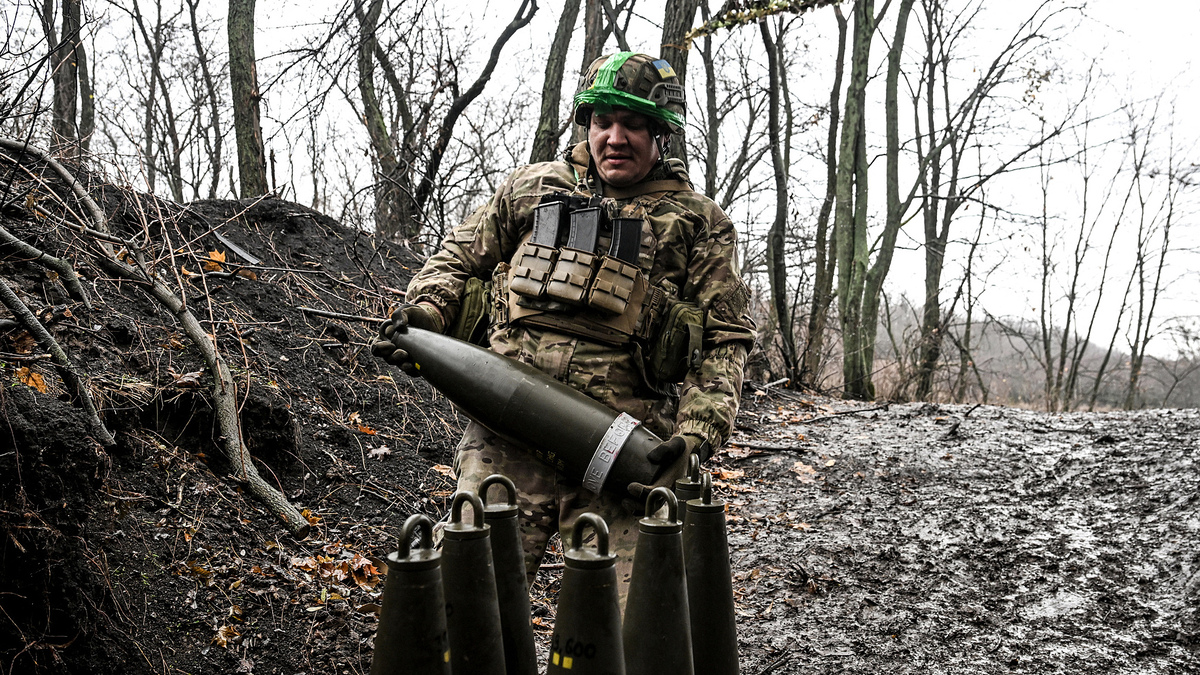
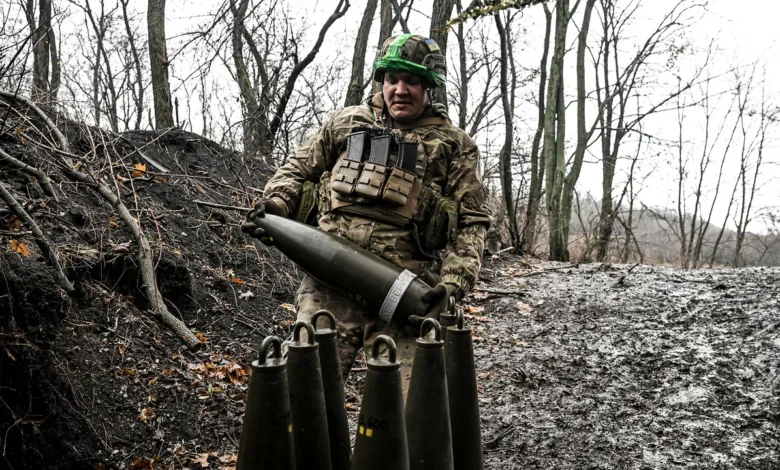
- Direct Reimbursements (4.7 billion euros): This portion is dedicated to compensating EU member states that have already transferred military assets, ammunition, and sophisticated weaponry to the Ukrainian Armed Forces. This is intended to encourage member states to continue drawing down their own stocks without facing severe budgetary depletion.
- Joint Procurement (1 billion euros): This allocation is earmarked for the joint acquisition of military equipment. By leveraging the collective purchasing power of the EU, the bloc aims to secure better pricing and delivery timelines for essential defense hardware.
- Military Training (900 million euros): This segment will fund the ongoing training programs for Ukrainian personnel, focusing on the operation of modern Western military systems and tactical coordination.
High Representative Kallas noted that several member states have also expressed willingness to direct their portion of the reimbursed funds back to Ukraine, though she did not disclose specific countries. The mechanism is now effectively "unlocked," pending the finalization of secondary legislative procedures.
The Fiscal Reality: A 27 Billion USD Shortfall
The release of these funds comes at a critical juncture for the Ukrainian government. Kyiv is currently grappling with a severe budgetary deficit in its defense sector, estimated at approximately 27 billion USD. This shortfall has threatened the continuity of military operations and the ability to maintain the logistics chains required for a prolonged conflict.
President Volodymyr Zelensky has repeatedly warned that the fiscal gap must be bridged by October or November if Ukraine is to remain solvent in its procurement obligations. Of particular concern is the payment for unmanned aerial vehicle (UAV) systems, which are vital for intelligence and precision strikes. These systems are slated for delivery in the first three months of 2027, and failure to meet payment schedules could result in the cancellation or significant delay of these critical assets.
The European Commission and the International Monetary Fund (IMF) are currently engaged in intensive talks with the Ukrainian finance ministry to identify structural solutions to address this funding gap. The unblocking of the EPF funds serves as a necessary, though perhaps not exhaustive, bridge to keep the military supply chain operational.
Strategic Implications for the European Union
The decision to move forward with the EPF funding reflects a broader recalibration of European security policy. For years, the EU has struggled to reconcile the varying security priorities of its member states, particularly those geographically closer to Russia compared to those in Western Europe. The prolonged veto by Hungary highlighted the vulnerability of EU decision-making processes, which require unanimity on matters of foreign and security policy.
Analysts suggest that the eventual bypass of the Hungarian veto—facilitated by the change in the Hungarian government—sets a precedent for future assistance. It demonstrates that while the "unanimity rule" remains a hurdle, it is not an insurmountable barrier when the political will of the majority is sufficiently aligned.
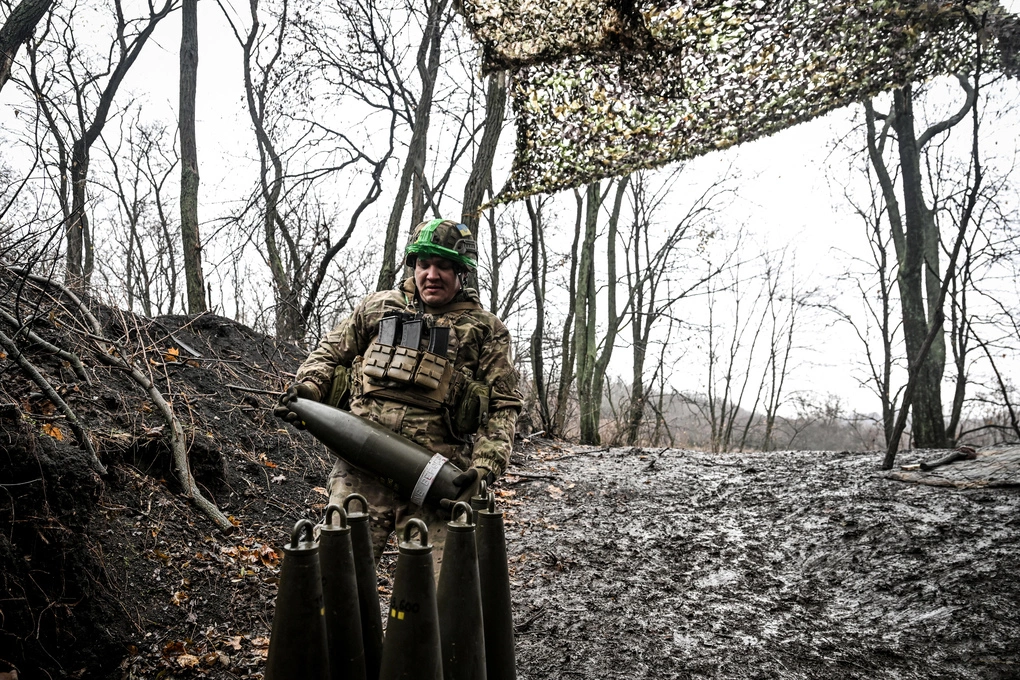
Furthermore, the focus on "joint procurement" in this package indicates a shift toward a more integrated European defense industrial base. Rather than relying solely on individual member state contributions, the EU is moving toward a more centralized model of military support. This not only increases efficiency but also provides a more sustainable framework for long-term military assistance, reducing the likelihood of future budgetary "bottlenecks."
Looking Ahead
While the unlocking of 6.6 billion euros is a major win for the European Commission and the Ukrainian defense effort, the challenges remain substantial. The ongoing war of attrition requires consistent, massive, and predictable funding. The success of this latest initiative will likely be measured by the speed with which the money reaches the relevant defense accounts and the subsequent impact on the battlefield.
As winter approaches and the intensity of the conflict remains high, the logistical and financial support provided by the EU will be under constant pressure. The cooperation between Brussels and Kyiv, now bolstered by this latest financial breakthrough, will be tested by the realities of a shifting geopolitical landscape, including the evolving domestic politics of member states and the broader global economic climate.
For now, the consensus reached in Brussels on September 25 provides a vital lifeline to Ukraine, ensuring that its defense forces can continue to receive the support necessary to maintain their operational capacity in the face of sustained aggression. As Kaja Kallas aptly summarized, the resolution is a "positive signal" not only for Ukraine’s immediate defense needs but also for the institutional resilience of the European Union itself.