MC Thao Van and the Quiet Resilience of Single Motherhood in the Vietnamese Entertainment Industry

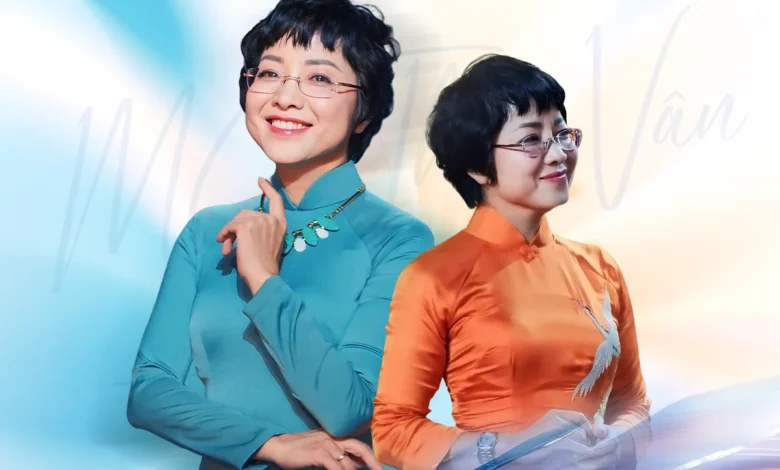
The modern Vietnamese entertainment landscape is frequently characterized by glitz, rapid fame, and fleeting public attention. However, beneath the surface of televised glamour exists a quieter, more enduring reality defined by profound personal sacrifice and quiet strength. Among those who have navigated the turbulent intersection of public scrutiny and private hardship are prominent female artists such as Thao Van, Ngoc Lan, Bich Hang, Hoai An, and Huong Giang. These women share a defining thread in their life journeys: stepping through private spaces of solitude, raising children as single mothers, and moving forward with unwavering optimism. As part of a special editorial series profiling resilient female artists who have sustained their careers across decades, the story of MC Thao Van stands out as a testament to grace, emotional maturity, and professional dedication.
Background Context and the Realities of Single Motherhood in Showbiz
For nearly two decades, public perception of female celebrities in Vietnam has evolved significantly. While audiences once expected public figures to maintain idealized, flawless personal lives, contemporary viewers increasingly value authenticity and vulnerability. However, navigating a high-profile career while simultaneously shouldering the responsibilities of single parenthood places immense psychological pressure on public figures.
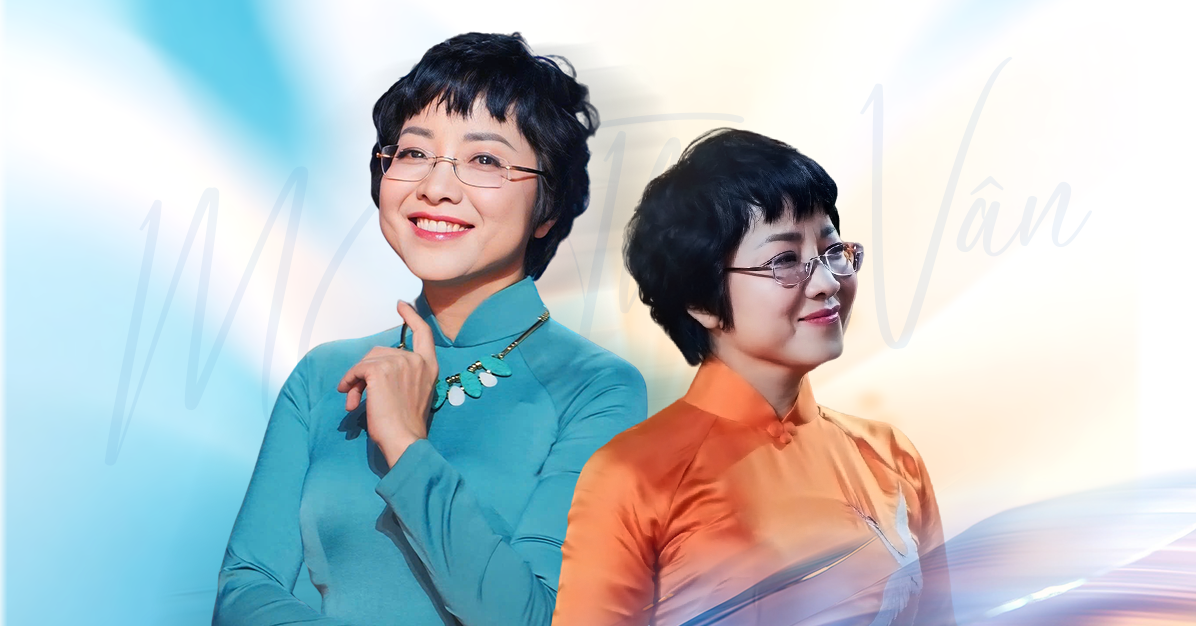
MC Thao Van, widely recognized for her beloved roles hosting major national programs such as Meeting at the End of the Week (Gap nhau cuoi tuan) and Meeting at the End of the Year (Gap nhau cuoi nam), has long captured the public’s affection not merely for her quick wit and articulate stage presence, but for her dignified handling of personal adversity. Following her high-profile separation from Meritorious Artist Cong Ly, Thao Van chose a path characterized by composure rather than public dispute. Over the course of nearly seventeen years as a single mother raising her son, Gia Bao, she has consistently modeled resilience, proving that personal setbacks do not preclude professional longevity or personal peace.
Chronology of a Civil Separation and Emotional Recovery
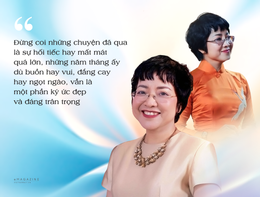
The dissolution of a high-profile marriage under the constant glare of media attention typically breeds hostility or prolonged public friction. Yet, Thao Van and her former husband cultivated a rare model of post-divorce civility that frequently draws praise from both peers and fans. Reflecting on this dynamic, Thao Van emphasizes that maintaining a peaceful relationship requires abandoning self-imposed emotional traps and refusing to nurture lingering resentment.
According to Thao Van, the core of her coping mechanism involves absolute emotional honesty. Rather than masking vulnerability or attempting to project an artificial state of constant happiness, she permits herself to experience sadness, frustration, and grief. When interpersonal conflicts arise, the primary casualty is invariably one’s own peace of mind. By acknowledging past mistakes and accepting the finality of their separation, both parties established a foundation of mutual respect. This approach was driven largely by a shared commitment to shielding their son from the collateral damage of domestic dissolution. In her view, adults possess the emotional capacity to process life changes, whereas children should never be forced to bear the burden of parental incompatibility.
Navigating the Dual Roles of Public Figure and Dedicated Mother
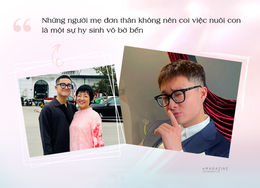
Balancing the demands of a rigorous television broadcasting career with the emotional requirements of solo parenting presents continuous logistical and psychological challenges. Thao Van notes that while public perception often paints single mothers as tragic figures defined entirely by sacrifice, she views her journey through a lens of profound pride and fulfillment.
Rather than framing child-rearing as a form of martyrdom—a mindset that can inadvertently induce guilt and psychological pressure in growing children—she approaches motherhood as a conscious, joyful choice. Children, she observes, do not choose to enter the world, and they bear no obligation to compensate for the personal or professional sacrifices of their parents. Throughout Gia Bao’s upbringing, Thao Van consistently avoided leveraging her sacrifices as emotional leverage, fostering instead an environment of mutual respect and open communication.
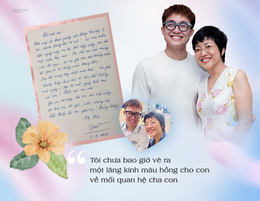
This philosophy extended directly to how she managed her son’s relationship with his father. Despite the challenges of managing her own emotional landscape behind closed doors, Thao Van actively facilitated opportunities for father-son bonding. She steadfastly refused to dictate or manipulate her son’s perceptions, allowing Gia Bao to observe, evaluate, and develop his own relationship with his father organically. This hands-off, highly respectful approach minimized emotional friction and ensured that the child’s emotional well-being remained insulated from adult grievances.
Broader Impact and Implications for Female Empowerment
The public discourse surrounding female artists who manage single motherhood while maintaining successful careers highlights a broader cultural shift within Vietnam’s entertainment sector. Figures like Thao Van, alongside contemporary peers navigating similar paths, challenge outdated cultural narratives that equate marital dissolution with personal failure.
Sociological analyses of family dynamics in urban Vietnam indicate a rising rate of single-parent households over the past decade, driven by shifting socioeconomic conditions, greater financial independence among women, and evolving legal frameworks governing marriage and divorce. Within this context, high-profile figures who manage public transitions with dignity serve as influential role models. By demonstrating that professional competence and emotional intelligence can coexist with personal vulnerability, these artists help destigmatize single parenthood and redefine modern family structures.
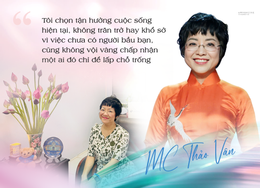
Furthermore, Thao Van’s reflections on aging, romance, and personal autonomy offer valuable perspective on the psychological realities faced by women over fifty in the public eye. Eschewing the societal pressure to hastily enter new relationships merely to project completeness, she embraces a philosophy of "tuy duyen"—allowing life to unfold naturally without manufactured urgency. Her openness regarding the natural evolution of companionship, coupled with her acceptance of solitude as a peaceful state rather than a void, resonates deeply with an audience increasingly supportive of individual agency.
Conclusion and Future Outlook
As Gia Bao transitions into adulthood, establishing his own career path and personal independence, Thao Van faces yet another significant transition: preparing emotionally for the inevitable chapter where her son steps fully beyond the immediate sphere of her daily protection. Rather than viewing this evolution with anxiety or a sense of loss, she approaches it with the same pragmatic optimism that has guided her career for decades.
The legacy of Thao Van and her contemporaries extends far beyond their televised achievements or cultural accolades. Through their steadfast commitment to their art, their families, and their own emotional well-being, they offer an enduring blueprint for resilience. By choosing transparency over pretense and grace over grievance, these women have not only secured a permanent place in the hearts of the Vietnamese public but have also charted a dignified, independent course through the complexities of modern life.