US President Donald Trump has officially rejected a formal proposal submitted by Iran to reopen the vital Strait of Hormuz, a critical global maritime choke point for international crude oil shipments. The rejection comes on the heels of statements made by Tehran indicating that the strategic waterway could resume normal maritime operations within seven days, provided that Washington complies with a specific set of preconditions outlined by the Iranian government.
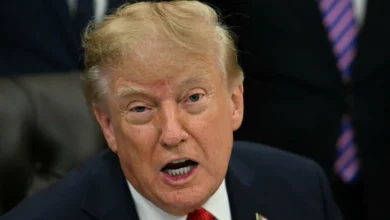
The diplomatic friction escalated on September 26, when President Trump addressed reporters outside the White House prior to his departure for Tennessee. Dismissing the Iranian overture outright, the U.S. leader characterized the proposal as a desperate maneuver by an adversary facing severe economic distress. According to reports from major news agencies, Trump asserted that Tehran is eager to strike a deal because its economy is suffering immensely under the weight of ongoing international sanctions and naval blockades, while the United States maintains a position of absolute economic and strategic strength.
Background of the Strait of Hormuz Crisis
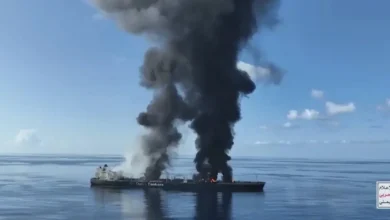
The closure of the Strait of Hormuz represents one of the most volatile geopolitical flashpoints in recent years, directly impacting global energy markets and international shipping lanes. The maritime corridor, through which a substantial portion of the world’s petroleum passes daily, was effectively sealed following a series of military escalations in late February, when U.S. and Israeli forces launched targeted strikes against Iranian military and infrastructure installations.
In response to the initial military engagement, Tehran moved to block the strait, establishing strict enforcement protocols that required all commercial vessels to request formal authorization before transiting the channel. Furthermore, Iran began reviewing potential service fee mechanisms for international shipping, threatening to target any vessel that failed to comply with its newly imposed maritime regulations.
To counter Tehran’s assertion of control, the United States and its allies established a robust naval presence, enforcing a comprehensive maritime blockade designed to intercept commercial vessels traveling to and from Iranian ports. This military standoff has effectively choked off Iran’s primary revenue stream, starving the state of vital oil export income and precipitating severe domestic economic challenges.
The Iranian Proposal and Diplomatic Channels
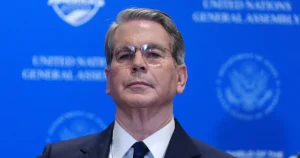
The proposal to reopen the waterway was brought to light by Iranian Foreign Minister Abbas Araghchi during diplomatic engagements at the United Nations. Operating through Qatari intermediaries, Tehran transmitted a detailed memorandum outlining the exact conditions under which commercial navigation through the Strait of Hormuz could be fully restored within a swift seven-day timeframe.
According to diplomatic disclosures, the conditions stipulated in the recent Iranian plan mirror many of the core elements previously negotiated in a tentative framework agreement signed by Tehran and Washington last June. The core demands of the Iranian proposal include:
- The immediate cessation of hostile military actions and strategic campaigns across the Middle East, with specific references to conflict zones such as Lebanon, over a rolling seven-day period.
- The unfreezing of approximately $12 billion in Iranian financial assets currently held in foreign accounts.
- The complete removal of international sanctions and punitive penalties targeting Iranian crude oil exports.
- The immediate termination of the U.S.-led naval blockade and enforcement operations against Iranian shipping lanes.
Strategic Calculations and Political Context
Leaks originating from diplomatic circles and reported by major financial publications suggest that President Trump remains deeply skeptical regarding Tehran’s willingness or ability to fully satisfy American security demands. Intelligence assessments and internal discussions within the administration indicate that further non-kinetic or strategic military campaigns against Iranian assets remain under serious consideration, particularly in the aftermath of the upcoming U.S. midterm congressional elections scheduled for November.
The administration’s hardline stance underscores a broader strategy of maximum pressure. Washington maintains that any permanent reopening of the Strait of Hormuz must be unconditional and aligned with comprehensive regional security frameworks, rather than serving as temporary relief for an isolated regime. By rebuffing Tehran’s conditional timeline, the White House has signaled that economic and military pressure will not be eased in exchange for a temporary suspension of maritime disruptions.
Global Economic Implications and Market Reactions
The continued closure of the Strait of Hormuz has sent shockwaves through international energy markets, forcing oil tankers to seek alternative, longer routes or remain docked, thereby inflating shipping insurance premiums and driving up global petroleum prices. Energy analysts note that the prolonged standoff poses a persistent risk to global economic stability, as any disruption in this vital artery directly threatens industrialized economies reliant on Middle Eastern energy supplies.
Shipping conglomerates and international maritime organizations have expressed deep concern over the hardening positions of both Washington and Tehran. While diplomatic channels facilitated by regional mediators like Qatar remain open, the rejection of the latest roadmap highlights the immense diplomatic hurdles standing in the way of a durable resolution. As the standoff persists, the international community watches anxiously, aware that the security of global trade hangs in the balance amid an unyielding geopolitical tug-of-war.
Related posts: