TPHCM Court Rules in Favor of Developer in Long-Standing Dispute Over 236 Basement Car Parking Lots at Apartment Complex G

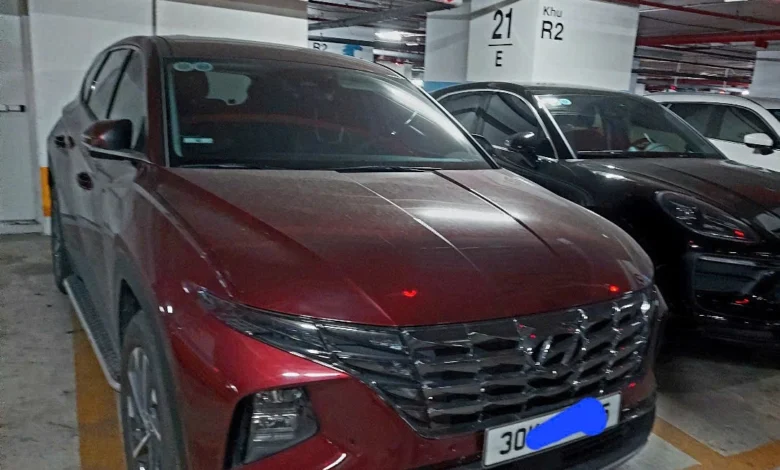
The legal battle spanning over a decade regarding the ownership and operational rights of 236 automobile parking spaces in the basement of Apartment Complex G in Ho Chi Minh City has reached a definitive conclusion. The Ho Chi Minh City People’s Court has issued a final appellate ruling upholding the investor’s legal ownership of the contested parking bays, while ordering the residential building’s management board to cease obstruction and pay billions of dong in compensation. This high-stakes dispute underscores recurring property rights conflicts within urban high-rise developments across Vietnam, touching upon delicate intersections between private commercial investments and communal residential management.
Background and Origin of the Conflict at Apartment Complex G
Apartment Complex G, located in Ho Chi Minh City, was initiated by Investor P. with construction commencing in 2004 and the development formally delivered into operation by 2007. According to the master plan approved by competent state authorities, the basement structure of the apartment complex was officially designed to accommodate a total of 258 automobile parking spaces. However, during the final execution phase, the investor physically arranged 252 parking slots within the basement footprint.
Out of these 252 slots, 16 units were successfully sold to individual apartment buyers as part of early commercial transactions. The remaining 236 parking spaces became the core bone of contention. Investor P. consistently maintained that these 236 bays constituted part of its private ownership property, asserting that they were operated independently and that their construction costs had never been factored into or cross-subsidized by the commercial sales prices of the residential apartments. Furthermore, the developer noted that several buyers who previously acquired similar parking spaces had received official administrative recognition and property ownership certificates from competent state agencies.
Chronology of Escalation: From Silent Encroachment Claims to Courtrooms
The friction between the developer and the residential community escalated significantly starting in 2013. According to reports from Investor P., numerous parking spaces within the disputed zone were progressively utilized by local residents without formal registration, lease agreements, or authorized permissions.
Seeking to resolve the mounting logistical confusion, the enterprise repeatedly approached the building’s management board, requesting administrative cooperation, identification of actual vehicle users, and access to conduct a comprehensive audit of the basement facility. However, these repeated overtures were reportedly met with a lack of cooperation, effectively blocking the developer from asserting its operational rights or inspecting its capital assets.
By August 2023, frustrated by prolonged blockage and revenue loss, Investor P. calculated that the unauthorized use and restricted access resulted in a monthly economic loss of approximately 44.22 million VND. Cumulatively, the developer calculated total financial damages reaching 5.57 billion VND up to that point.
Conversely, the Management Board of Apartment Complex G firmly rejected the developer’s assertions. The management board argued that the current legal status of the board itself had only been officially recognized by local municipal authorities in June 2022, whereas the developer claimed the underlying dispute and obstruction began as early as 2013. The resident representatives maintained that the basement area had historically been treated and utilized by residents as a common shared utility space. They challenged the developer to produce legally binding execution blueprints and financial proofs confirming that the 236 automobile slots genuinely fell under private ownership rather than communal areas.
Regarding the financial claims, the management board questioned the legal validity of the 5.57 billion VND compensation demand, raising concerns regarding statutory limitation periods given that the dispute allegedly originated a decade prior to formal legal action. Representatives from building operations units summoned during the proceedings further testified that they neither managed, collected fees, nor exercised control over the 236 parking spaces, nor did they actively obstruct the developer’s personnel.
Judicial Review: First-Instance Verdict and Appellate Decision
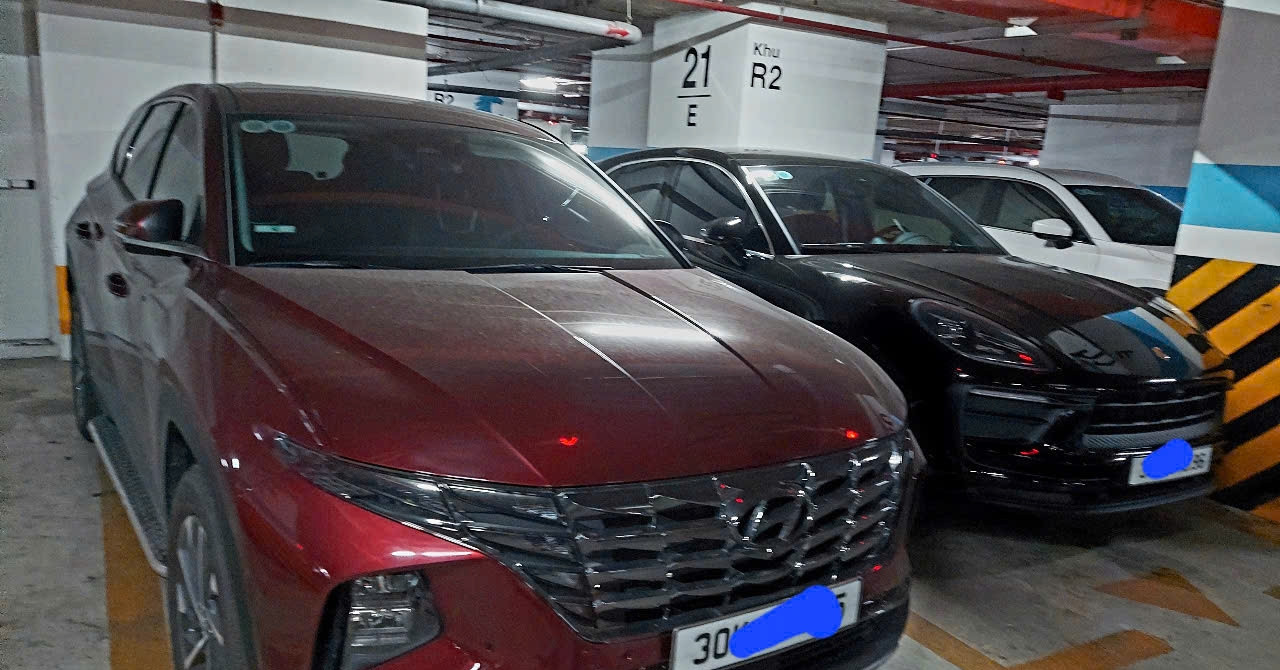
Seeking legal redress, Investor P. filed a civil lawsuit, which was reviewed at first instance by the People’s Court of District 7 (subsequently reorganized as District Court Area 6 – Ho Chi Minh City) in 2023. The first-instance court partially accepted the plaintiff’s claims, legally recognizing Investor P.’s lawful ownership rights over the 236 automobile parking lots, encompassing a total floor area of 3,243 square meters. The initial verdict mandated that the management board immediately halt actions obstructing the exercise of these ownership rights and ordered financial compensation amounting to 2.6 billion VND, calculated across the period from December 2018 to December 2023.
Dissatisfied with the outcome, the Procuracy of District 7 (subsequently District Procuracy Area 7 – Ho Chi Minh City) lodged a formal protest against the ruling, while the management board of Apartment Complex G filed a comprehensive appeal challenging the entirety of the first-instance judgment.
During the subsequent appellate proceedings at the Ho Chi Minh City People’s Court, the appellate panel meticulously evaluated the documentary evidence and legal precedents presented by both factions. A pivotal legal anchor cited by the appellate court was Precedent No. 51/2021/AL. Under this judicial guidance, basement floor areas within high-rise apartment projects can be recognized as the private property of the investor provided that the investor successfully demonstrates that the construction costs for these specific areas were not allocated into the commercial sales prices of residential apartments.
Bolstering its position, Investor P. introduced an independent financial audit report from 2022. The audit conclusively verified that the capital construction expenditures associated with the disputed parking slots were kept distinct and were never integrated into the pricing models of the apartments or commercial shophouses within the complex. Consequently, the unsold parking spaces remained the rightful private property of Investor P.
Addressing the counter-arguments regarding the statute of limitations and the quantum of damages, the appellate court noted that from 2013 onward, Investor P. had consistently made formal demands for access, inspection, and commercial exploitation of the spaces, only to face continuous barriers erected by the building management. Because the management board functioned as the actual physical custodian controlling basement access, their prolonged obstruction directly inflicted actionable financial harm upon the business enterprise.
Although the developer initially calculated monthly losses at 44.22 million VND, the appellate bench maintained the reasoned calibration established during the first-instance trial, which directed the management board to pay 2.6 billion VND in damages covering the verified period of active obstruction.
Ultimately, the Ho Chi Minh City People’s Court dismissed the appeal lodged by the management board, upholding the foundational tenets of the first-instance judgment under Appellate Judgment No. 615/2024/DS-PT dated July 4, 2024. The court formally re-affirmed Investor P.’s legal title to the 236 basement automobile bays, prohibited the management board from interfering with the execution of these property rights, and enforced the financial compensation package.
Broader Implications for Real Estate Management in Vietnam
This landmark judicial resolution sheds light on systemic friction points prevalent within Vietnam’s rapidly expanding vertical housing sector. The unclear demarcation between common property and private investor assets in multi-owned buildings—particularly basements, technical floors, and parking infrastructure—has historically catalyzed volatile confrontations between apartment buyers and real estate developers.
Legal experts note that disputes of this nature highlight the critical importance of transparent initial contract drafting, meticulous architectural accounting, and comprehensive disclosure during the primary sales phase. When developers fail to clearly delineate utility ownership in sales agreements or neglect to secure transparent registry documentation early in a building’s lifecycle, protracted litigation frequently ensues once property values escalate and parking scarcity intensifies in major metropolitan centers like Ho Chi Minh City.
Furthermore, the application of judicial precedents such as Precedent No. 51/2021/AL provides a standardized legal framework for courts to resolve complex property disputes. By establishing that independent financial audits can substantiate private ownership of commercialized basement infrastructure, the judiciary has signaled a strict adherence to documentary evidence and cost-allocation transparency.
For apartment management boards across the country, the ruling serves as a cautionary precedent regarding unauthorized restriction of access and the legal liabilities associated with physical obstruction of disputed properties. As urban density continues to drive up the economic value of parking assets, stakeholders in residential developments are increasingly compelled to navigate property disputes through institutionalized legal channels rather than unilateral operational blockades, ensuring greater predictability and adherence to the rule of law within Vietnam’s real estate market.