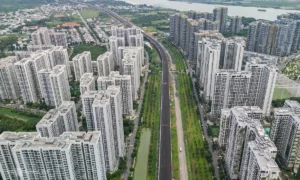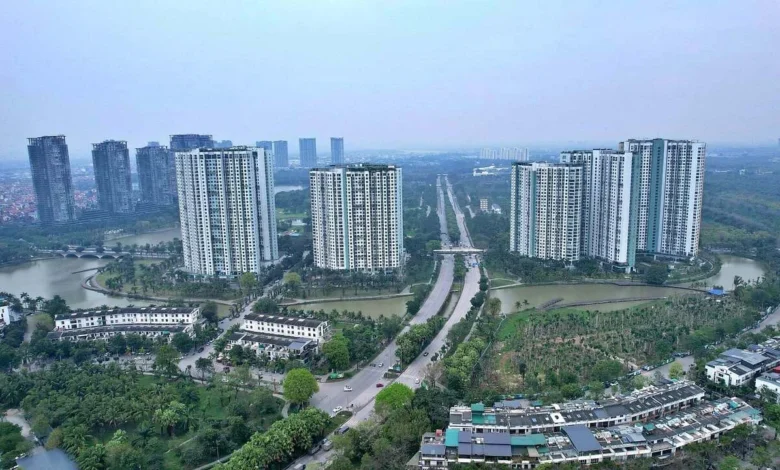
Hung Yen province has officially unveiled an ambitious roadmap to transform its urban landscape by 2030, targeting the completion of over 300,000 new commercial housing units. This strategic development plan, formally approved by the Hung Yen Provincial People’s Committee on September 7, aims to address the rapidly evolving housing needs of a region undergoing significant industrialization. The initiative is set to catalyze the development of more than 48 million square meters of floor space, reflecting the province’s commitment to sustained economic growth and social stability.
A Strategic Vision for Urban Expansion
The approved plan outlines a comprehensive demand for 64.6 million square meters of new housing floor space by the end of the decade. Currently, commercial housing accounts for 74% of this requirement. However, existing supply pipelines—encompassing ongoing projects, current land banks, and newly initiated developments—are projected to meet only 33% of this total demand. This significant gap between supply and demand underscores the urgency of the province’s newly announced housing policy.
Hung Yen, which has historically served as a critical satellite to the capital city of Hanoi, is witnessing an influx of industrial investment. As international and domestic manufacturers establish operations in the province’s various industrial parks and clusters, the demand for high-quality housing for the workforce has surged. The provincial government recognizes that the lack of adequate housing could hinder future economic development, making the acceleration of residential projects a top priority for the 2026–2030 period.
Chronology and Development Roadmap
The roadmap for the next five years is part of a broader, multi-phased strategy that builds upon the foundations laid during the 2021–2025 period. During the previous cycle, the province successfully completed approximately 5.7 million square meters of floor space, primarily concentrated in areas such as Van Giang, Van Lam, My Hao, and the city of Hung Yen.
The upcoming phase is significantly more aggressive. The province has set a goal to deliver 310,000 commercial housing units within the next four years, a target nearly nine times higher than the output achieved in the preceding five-year cycle. To realize this, the provincial government intends to approve 328 new investment projects, which will supplement the 130 projects currently carried over from the previous planning period.
Key development hotspots have been identified in the communes of Me So, Viet Tien, Hoan Long, and Sen Nam. Among the most prominent projects is the Van Giang Urban Area, spanning approximately 450 hectares across Me So and Thang Loi communes. Other major developments include the 230-hectare Eastern Viet Tien Urban Area, the 180-hectare project spanning Van Giang and Hoan Long, and a 100-hectare residential and tourism complex in the northern part of Hung Yen City.
Economic and Infrastructure Foundations
The total estimated funding required to fulfill this massive development plan is approximately 752.8 trillion VND. A significant portion of this capital will be sourced from non-budgetary channels, involving private sector investment, corporate financing, and individual homeowner contributions. This public-private approach is intended to streamline site clearance, technical infrastructure development, and the construction of individual residential units.
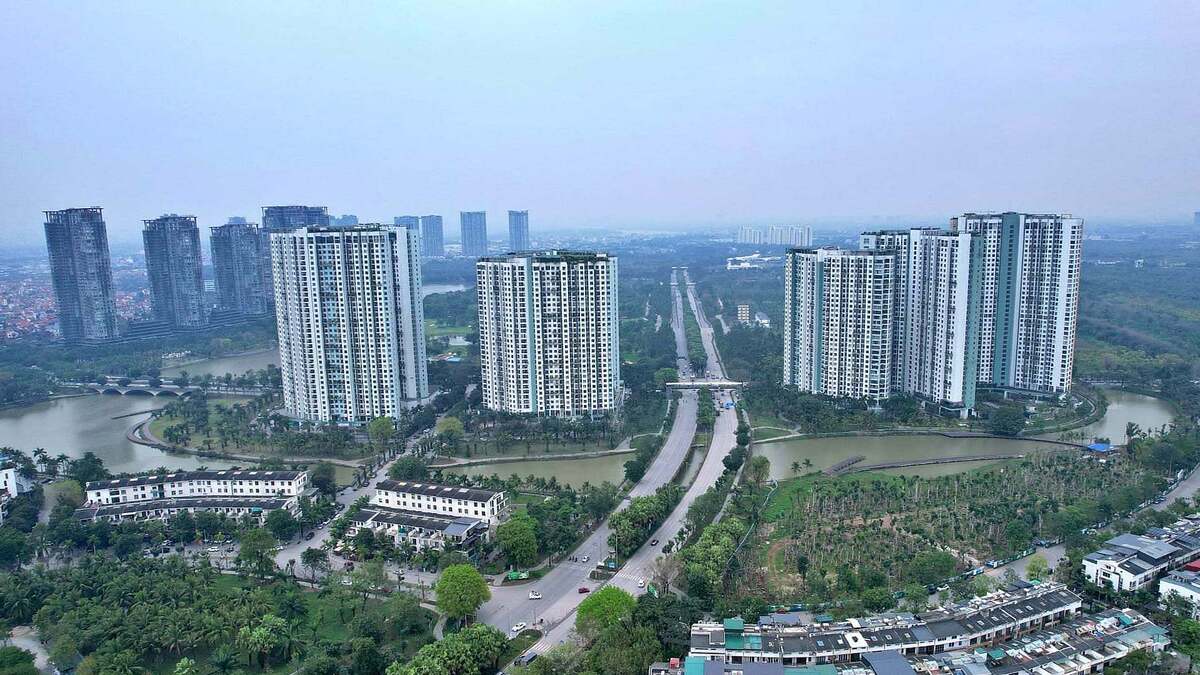
The provincial Department of Construction has emphasized that while the investment capital is substantial, the focus must remain on balanced growth. Currently, the market exhibits a clear preference for low-rise developments and land plots, which account for 76% of the current supply (over 15,400 units). In contrast, high-density apartment complexes, which are essential for housing the growing industrial workforce, remain in relatively short supply.
Market Analysis and Official Perspective
The Department of Construction has noted that the market is currently showing signs of recovery and expansion, but it remains structurally unbalanced. The current supply predominantly serves middle-to-high income segments, often neglecting the pressing needs of low-income workers and laborers. This "mismatch" is a central point of concern for provincial authorities.
"The current housing supply is skewed toward high-end segments and investment-grade properties in favored locations," a spokesperson for the Department of Construction observed. "There is a clear, urgent need to prioritize social housing, worker accommodation, and affordable housing options that align with the actual purchasing power of the local workforce. This is critical for ensuring land-use efficiency and enhancing the overall efficacy of infrastructure investment in the coming period."
Official reports indicate that while the market currently satisfies the requirements of the middle-to-high-income demographic, the "bottom of the pyramid"—comprised of factory workers and low-income families—continues to face a chronic shortage of affordable living spaces. Without intervention, this could lead to labor retention issues and social inequality, potentially dampening the long-term attractiveness of the province to industrial investors.
Strategic Implications and Future Directions
The provincial administration is now tasked with implementing a more rigorous regulatory framework to guide this expansion. Moving forward, the Department of Construction has proposed several key measures:
- Market Transparency: Developing a more robust real estate market information system to prevent speculative bubbles and ensure data-driven policy decisions.
- Regulatory Oversight: Exercising stricter control over the approval of new land subdivisions and the sale of land plots, which have historically been favored by investors over functional residential development.
- Social Housing Prioritization: Mandating that developers include a higher percentage of social housing and worker-oriented residential units in all large-scale projects.
- Integrated Planning: Ensuring that new residential developments are strictly integrated with public infrastructure, including schools, hospitals, and transportation networks, to foster sustainable urban communities rather than isolated housing blocks.
The implications of this 2030 plan extend far beyond mere construction statistics. For Hung Yen, this is a pivotal moment to transition from a secondary manufacturing hub into a highly developed, livable urban province. By aligning the interests of private developers with the essential needs of the workforce, the province hopes to create a resilient, long-term real estate market that supports both economic productivity and quality of life for its residents.
As the province moves into the 2026–2030 implementation phase, the success of these initiatives will depend heavily on the coordination between local authorities and private stakeholders. If managed effectively, the influx of over 300,000 new units could fundamentally reshape the economic geography of the Red River Delta, positioning Hung Yen as a model for balanced urban development in Vietnam.