The recent seizure of a sophisticated Dive-LD uncrewed underwater vehicle (UUV) by Iran’s Islamic Revolutionary Guard Corps (IRGC) near the strategic Strait of Hormuz has ignited a new round of geopolitical friction in the Middle East. As both the United States and Iran exchange statements regarding the incident, the event sheds light on the growing, often clandestine, role of autonomous underwater systems in one of the world’s most critical maritime chokepoints.
The Incident and Initial Claims
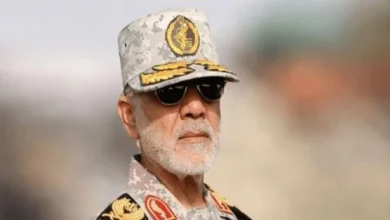
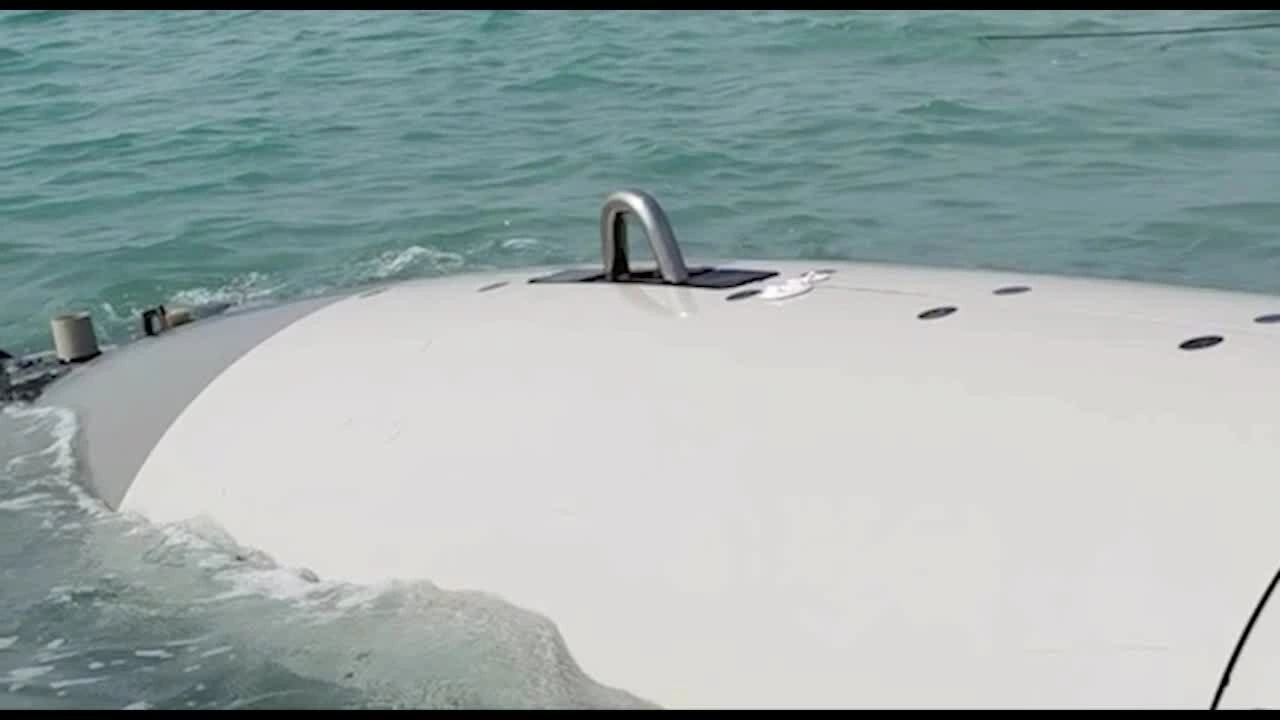
On September 8, the IRGC publicly announced that its naval forces had intercepted and captured a U.S.-operated Dive-LD UUV. According to Iranian state media, the vessel was recovered in a nearly intact state, allowing it to be presented as a trophy of sorts. The IRGC characterized the captured unit as one of the most advanced autonomous underwater platforms deployed by the United States in the Persian Gulf region, claiming that its presence was a violation of Iranian territorial sovereignty.
The U.S. Central Command (CENTCOM), which oversees military operations in the Middle East, acknowledged the incident shortly thereafter. Commander Tim Hawkins, a spokesperson for CENTCOM, confirmed that a U.S. Navy-operated UUV had encountered "unplanned technical difficulties" while conducting routine survey operations in the vicinity of the Strait of Hormuz. While CENTCOM declined to explicitly confirm whether the vessel mentioned by the IRGC was the same one lost during operations, the timeline and the nature of the platform align with the details provided by Iranian authorities.
Technical Profile of the Dive-LD
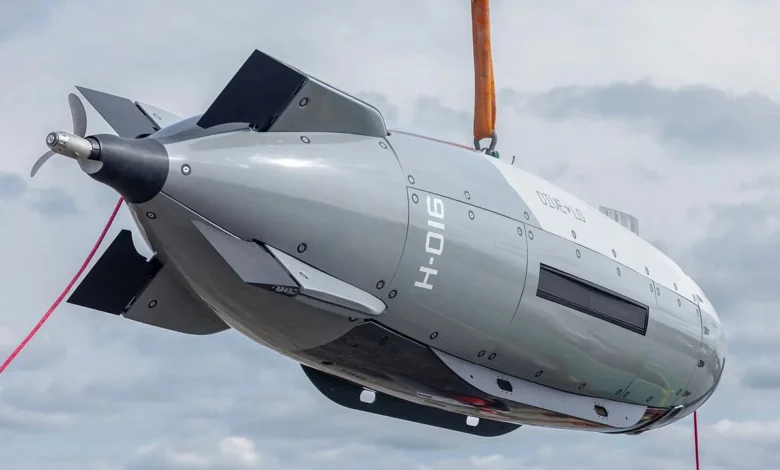
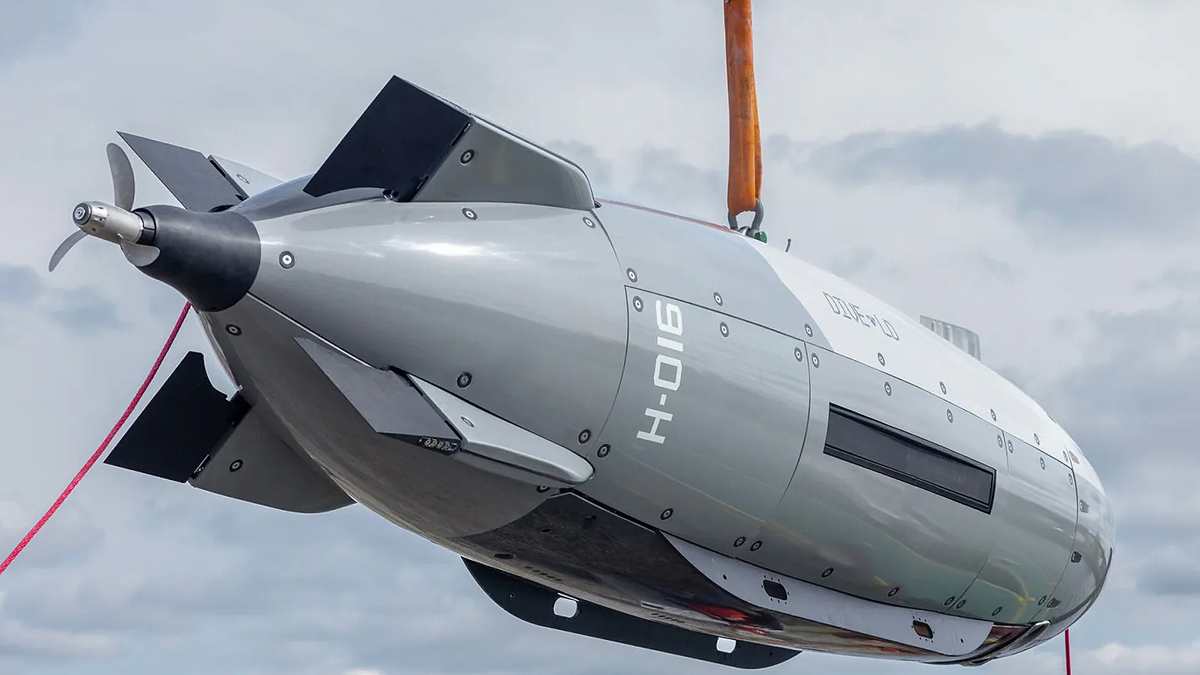
The Dive-LD, manufactured by Anduril Industries, is a cutting-edge autonomous system that represents a shift in how modern navies approach sub-surface intelligence and surveillance. Measuring 5.8 meters in length with a diameter of 1.2 meters, the vehicle weighs approximately three tons. Its most distinctive feature is its modular construction, utilizing 3D-printing technology that allows for rapid customization and cost-effective maintenance—a departure from traditional, expensive, and fragile military hardware.
The vehicle is engineered for long-endurance missions, capable of operating autonomously for up to 10 consecutive days and diving to depths of 6,000 meters. This capability makes it an ideal platform for persistent surveillance, mapping, and intelligence collection in challenging maritime environments. Unlike older generation UUVs that required frequent tethering or recovery, the Dive-LD is designed to be "attritable," meaning it is built to operate in high-risk zones where the potential for loss is factored into the operational calculus.
Chronology and Operational Context
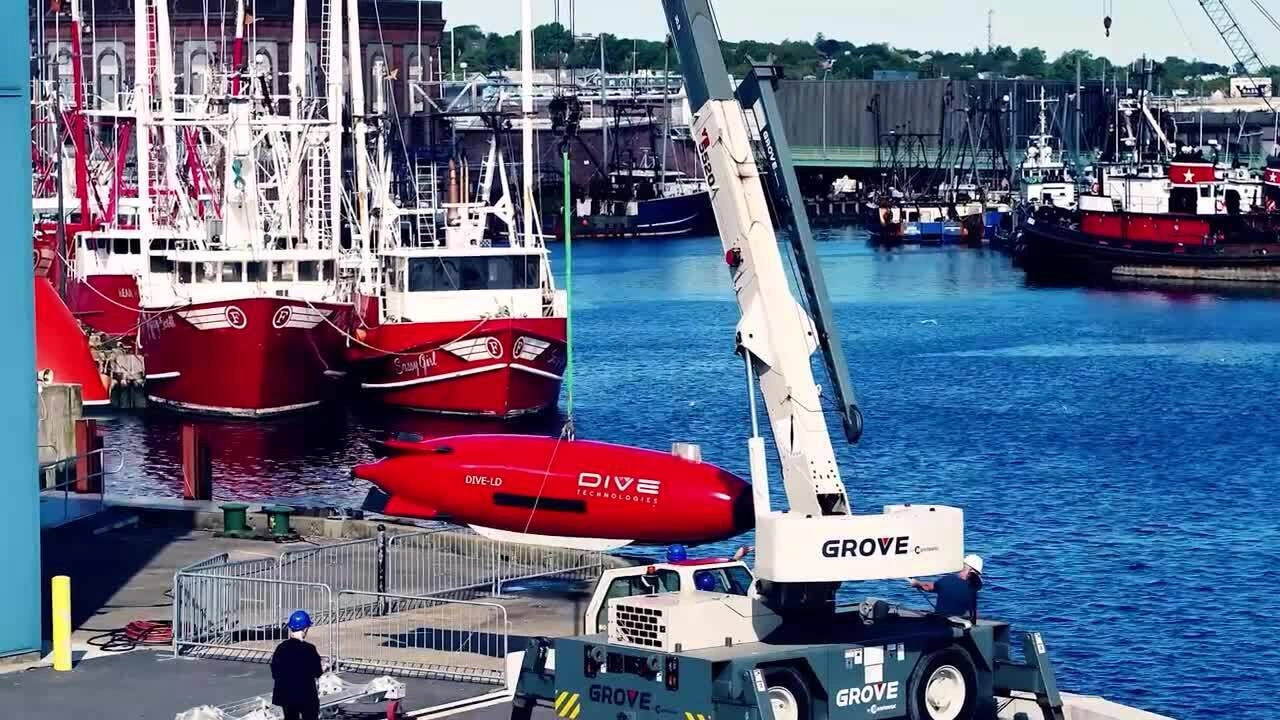
The integration of the Dive-LD into U.S. maritime strategy has been rapid. Initially developed by Dive Technologies (which was acquired by Anduril in 2022), the first unit was delivered to the U.S. Navy’s Unmanned Undersea Vehicle Group 1 (UUVGRU-1) in April 2025. Since then, the platform has been deployed to the Middle East to support CENTCOM’s mission of maintaining freedom of navigation.
Historically, the waters around the Strait of Hormuz have been a flashpoint for U.S.-Iran tensions. Over the past decade, the region has seen numerous incidents involving the harassment of commercial tankers, the seizure of vessels, and the deployment of naval mines. The Dive-LD was primarily tasked with "Intelligence Preparation of the Operational Environment" (IPOE). By conducting high-resolution sonar mapping of the seabed, these vehicles help ensure that large naval vessels and commercial shipping can navigate safely through narrow channels without risking contact with legacy mines or underwater obstacles.
Official Responses and Strategic Implications
Anduril Industries, while initially reserved, later acknowledged that one of their units had been lost while operating in the Middle East. In a statement, the company emphasized the importance of the Dive-LD in mitigating risks to human sailors. "Dive-LD allows personnel to avoid the most hazardous areas when operating underwater," a spokesperson for the company stated. "It has provided significant value with thousands of hours of operation during long-duration campaigns in the region."
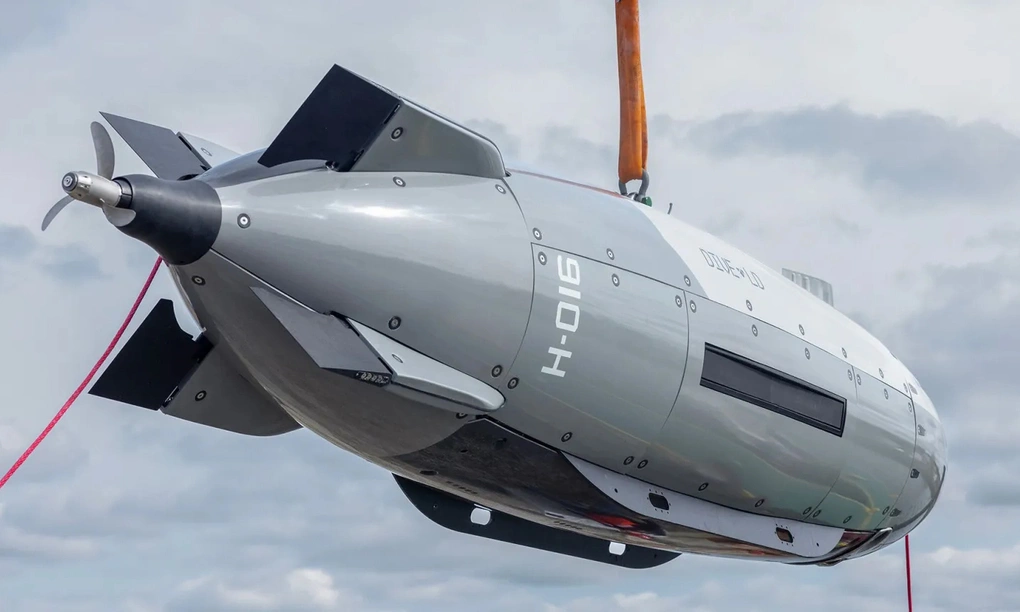
The loss of the unit presents a potential intelligence windfall for Iranian technical experts. Even if the platform does not carry active, classified sensor data, the physical examination of its hardware—specifically its modular design and 3D-printed components—could reveal significant insights into U.S. autonomous manufacturing standards. Joseph Trevithick, a prominent analyst with The War Zone, noted that while the design is not necessarily "new" in a conceptual sense, the recovery of an intact unit by a foreign power is a notable setback. "The fact that this vehicle was not destroyed prior to or during the capture indicates that U.S. forces completely lost contact with the unit, preventing any remote scuttling or data-wiping procedures," Trevithick observed.
Broader Strategic Context: The Future of Maritime Warfare
The incident highlights the intensifying "shadow war" fought beneath the waves. As nations increasingly rely on unmanned systems to project power without risking personnel, the capture of such assets becomes a high-stakes intelligence game. The Dive-LD is considered a foundational piece of a larger puzzle for the U.S. Navy, serving as a stepping stone for more advanced programs like the "Ghost Shark," a larger, more capable UUV currently in development.
For Iran, the seizure serves as a domestic propaganda victory, allowing the IRGC to project an image of technical prowess and vigilance against perceived Western encroachment. For the United States, the event serves as a stark reminder of the vulnerabilities inherent in autonomous operations within hostile or contested waters.
Analysts suggest that the U.S. will likely accelerate its development of "hardened" autonomous systems that include more robust self-destruction mechanisms or encrypted data protocols to prevent technological leakage. Furthermore, the incident will likely lead to a shift in how these assets are deployed, potentially limiting their proximity to Iranian-controlled waters unless supported by a more robust security umbrella.
Conclusion
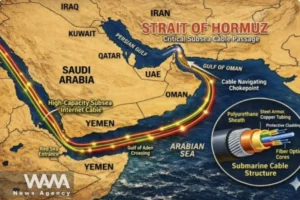
The capture of the Dive-LD is more than a mere loss of hardware; it is a signal of the changing nature of maritime conflict. As the Strait of Hormuz remains a critical artery for global energy supplies, the deployment of advanced UUVs will continue to be a necessity for the U.S. Navy. However, this incident confirms that the advantage of low-cost, expendable technology comes with the unavoidable risk of adversary recovery. As both sides refine their strategies, the seabed of the Persian Gulf is destined to become a primary theater for technological competition, where the winner will be determined not just by traditional naval might, but by the sophistication of their autonomous systems and their ability to protect the secrets housed within them.
Moving forward, the Pentagon will need to reconcile the operational benefits of "attritable" systems with the long-term security implications of losing such technology to adversaries. The incident in September 2026 will undoubtedly influence the procurement and operational doctrine for unmanned systems for years to come, marking a pivotal moment in the ongoing, quiet, and complex contest for control over the ocean floor.