The Vietnamese government has officially unveiled a comprehensive master plan for the development of Information and Communication (ICT) infrastructure, marking a historic shift in the nation’s digital strategy. By integrating traditional postal systems with cutting-edge logistics and digital frameworks, this blueprint aims to position Vietnam as a competitive player in the global digital economy. This initiative is not merely an upgrade of existing services; it is a fundamental reconfiguration of the nation’s physical and digital connectivity to support the broader goal of national digital transformation.
A Strategic Milestone for National Development
For the first time in its history, Vietnam has established a cohesive master plan for its ICT infrastructure that spans through 2030, with a visionary outlook toward 2050. This plan is designed to harmonize development across provinces, ensuring that rural and urban areas are linked by a unified, resilient, and high-capacity network.
The rationale behind this initiative is rooted in the recognition that ICT infrastructure is the bedrock of the "Digital Nation." As Vietnam transitions toward a digital government, digital economy, and digital society, the existing infrastructure—particularly in the postal sector—has faced significant bottlenecks. While the country boasted over 21,600 service points by 2020, these entities often operated in silos, focusing on individual business goals rather than acting as a synchronized, national logistics backbone. The new master plan seeks to eliminate these inefficiencies by fostering inter-industry cooperation, particularly between postal services, e-commerce, and the broader logistics industry.
Addressing Structural Challenges and Legacy Constraints
Historically, the postal sector in Vietnam has struggled with fragmentation. Large operators, such as Vietnam Post, maintained extensive networks, but these were frequently disconnected from the broader logistics ecosystem. Furthermore, the lack of standardized digital interfaces prevented smaller players from integrating into the national supply chain.
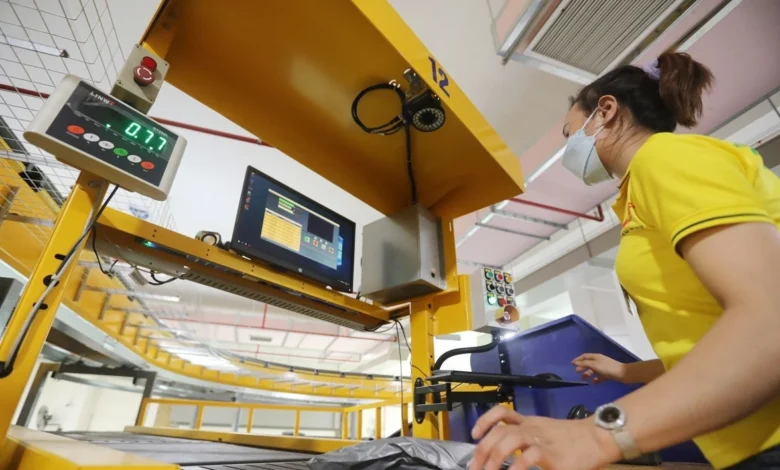
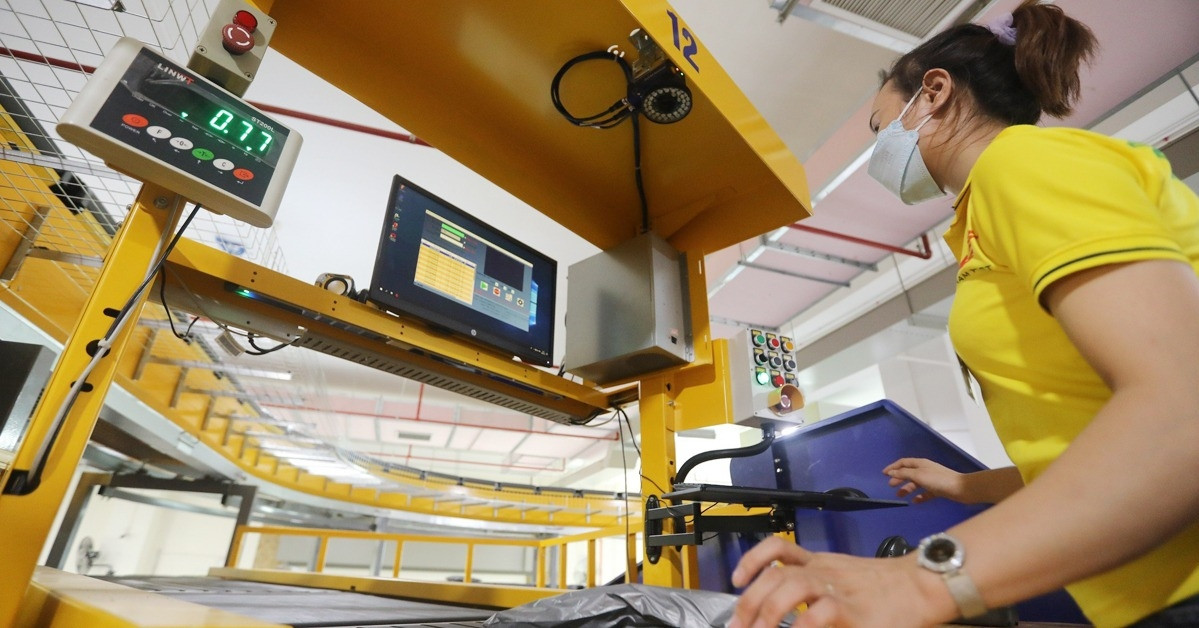
The current plan addresses these challenges by mandating the modernization of postal infrastructure. The goal is to move beyond simple letter and parcel delivery, transforming post offices into essential hubs for e-commerce and logistics services. By 2030, the government aims to establish between three and five regional postal centers, equipped with state-of-the-art sorting, automated handling, and IoT (Internet of Things) devices. These facilities will serve as the engine for a new era of "intelligent logistics," significantly reducing the time and cost associated with domestic and international trade.
The Role of Postal Infrastructure in the Digital Ecosystem
Within the master plan, the postal sector is identified as one of the five primary components of the national ICT infrastructure. It is envisioned as the physical counterpart to the digital flow of information. While digital networks transmit data, the postal and logistics network facilitates the physical flow of goods, both of which are critical for a fully functional digital economy.
The Ministry of Information and Communications (MIC) has emphasized that this plan is not just about technology—it is about accessibility. A core objective is ensuring that every citizen, regardless of their location, has access to reliable, high-quality, and affordable postal services. This social mandate is critical for promoting inclusive economic growth, allowing small-scale producers in remote provinces to connect with national and international markets.
Chronology and Implementation Roadmap
The road to this master plan began several years ago, as the government identified the limitations of legacy infrastructure during the rapid expansion of Vietnam’s e-commerce sector. Following intense consultations with industry stakeholders, including Vietnam Post and Viettel Post, the final framework was approved in early 2024.
- 2020: Baseline assessment of postal infrastructure reveals high service density but poor interoperability and low digital integration.
- 2021-2023: Drafting phase, involving collaboration between the Institute of Information and Communications Strategy and major industry players to define technical standards and investment priorities.
- February 2024: Official unveiling of the ICT infrastructure master plan by the Ministry of Information and Communications.
- 2025 Target: Achieve a processing capacity of 93,000 tons of mail per day, with inter-provincial delivery times reduced to a maximum of five days and intra-provincial delivery within two days.
- 2030 Target: Full operational capacity of regional and local postal centers, with standardized digital logistics protocols implemented nationwide.
Official Statements and Industry Response
During the official announcement on February 23, 2024, Deputy Minister of Information and Communications Phan Tam issued a clear directive to industry leaders. He emphasized the necessity of pooling resources to invest in high-tech infrastructure that can compete globally.
"The focus must be on shared infrastructure to reduce logistics costs and increase national competitiveness," the Deputy Minister stated. "Postal enterprises are not just carriers; they are the architects of the physical-to-digital bridge."
Representatives from the Institute of Information and Communications Strategy confirmed that the planning process involved rigorous data analysis and benchmarking against international standards. The resulting plan is highly "feasible" because it was developed in lockstep with the very enterprises tasked with implementing it. By ensuring that major players like Vietnam Post and Viettel Post are aligned with the government’s vision, the Ministry aims to avoid the pitfalls of top-down mandates that lack operational practicality.

Broader Economic Implications
The implications of this plan are far-reaching. By streamlining the logistics and postal sector, Vietnam expects to lower the "logistics tax" on its GDP—a significant factor in the total cost of goods. Currently, logistics costs in Vietnam are among the highest in the region, partly due to the lack of a standardized, integrated network.
Furthermore, the integration of IoT and automated sorting technologies will drive a "Make in Vietnam" digital ecosystem. By mandating that these infrastructure projects utilize domestic technological solutions wherever possible, the government is incentivizing local tech companies to innovate in areas like robotics, warehouse automation, and route optimization.
Future-Proofing the Supply Chain
Perhaps the most significant aspect of the new plan is its resilience. The COVID-19 pandemic exposed the fragility of global and local supply chains. The new master plan incorporates "contingency design" to ensure that even during emergencies, the national supply chain remains operational. This involves diversifying the logistics network so that if one hub is compromised, others can take over, preventing the catastrophic "bottleneck" scenarios seen in previous years.
As the plan moves into its implementation phase, the focus will shift to monitoring and evaluation. The Ministry of Information and Communications plans to conduct periodic reviews to ensure that infrastructure development keeps pace with the rapidly evolving digital landscape. This iterative approach is crucial in an era where technological disruption can render five-year plans obsolete within months.

Conclusion
The master plan for ICT infrastructure represents a turning point for Vietnam. By treating postal services, digital connectivity, and logistics as a single, unified pillar of national development, the country is laying the foundation for a modern, digital-first economy. While the technical and logistical hurdles are substantial, the commitment from both the government and the private sector suggests a high probability of success. If executed as planned, this initiative will not only improve the daily lives of citizens through faster and more reliable services but will also provide the structural backbone necessary for Vietnam to transition into a high-income, digitally advanced nation by the mid-21st century.
The journey toward this goal is complex, but with a clear roadmap, strong inter-agency coordination, and a focus on inclusive digital growth, Vietnam is well-positioned to turn its vision into a reality. The success of this master plan will likely serve as a model for other developing nations seeking to bridge the gap between traditional infrastructure and the demands of the digital era.
Related posts: