The Complex Relationship Between Coffee Consumption and Gallbladder Health: Benefits, Risks, and Preventive Strategies


The morning ritual of brewing a fresh cup of coffee offers far more than a simple psychological boost and temporary relief from morning grogginess. For millions of people worldwide, this beloved caffeinated beverage serves as an active catalyst for the digestive system, triggering a series of physiological responses that extend deep into the abdominal cavity. Among the organs most directly influenced by this daily habit is the gallbladder, a small, pear-shaped pouch tucked neatly beneath the liver. While conventional dietary wisdom has long debated the merits and drawbacks of caffeine, recent medical findings and large-scale epidemiological observations have shed new light on how regular coffee consumption interacts with biliary health. Specifically, researchers have identified a fascinating dual nature to this relationship: while habitual coffee intake is frequently associated with a reduced risk of developing symptomatic gallstones, it can simultaneously trigger acute distress and severe abdominal pain in individuals who already harbor these hardened mineral deposits.
To fully understand the profound impact that coffee has on the biliary system, one must first examine the fundamental anatomy and physiological functions of the gallbladder. Positioned immediately below the liver on the right side of the upper abdomen, the gallbladder functions primarily as a storage reservoir for bile—a yellowish-brown fluid produced continuously by the liver that plays an indispensable role in the digestion and absorption of dietary fats. When an individual consumes a meal containing fats, the central nervous system and the gastrointestinal tract coordinate a complex neuroendocrine response. The digestive process prompts the body to release a specific peptide hormone known as cholecystokinin (CCK) into the bloodstream. Upon reaching the target organs, CCK stimulates the smooth muscle walls of the gallbladder to contract vigorously, squeezing stored bile through the cystic duct and into the duodenum, or upper small intestine, where it emulsifies fats for efficient enzymatic breakdown.
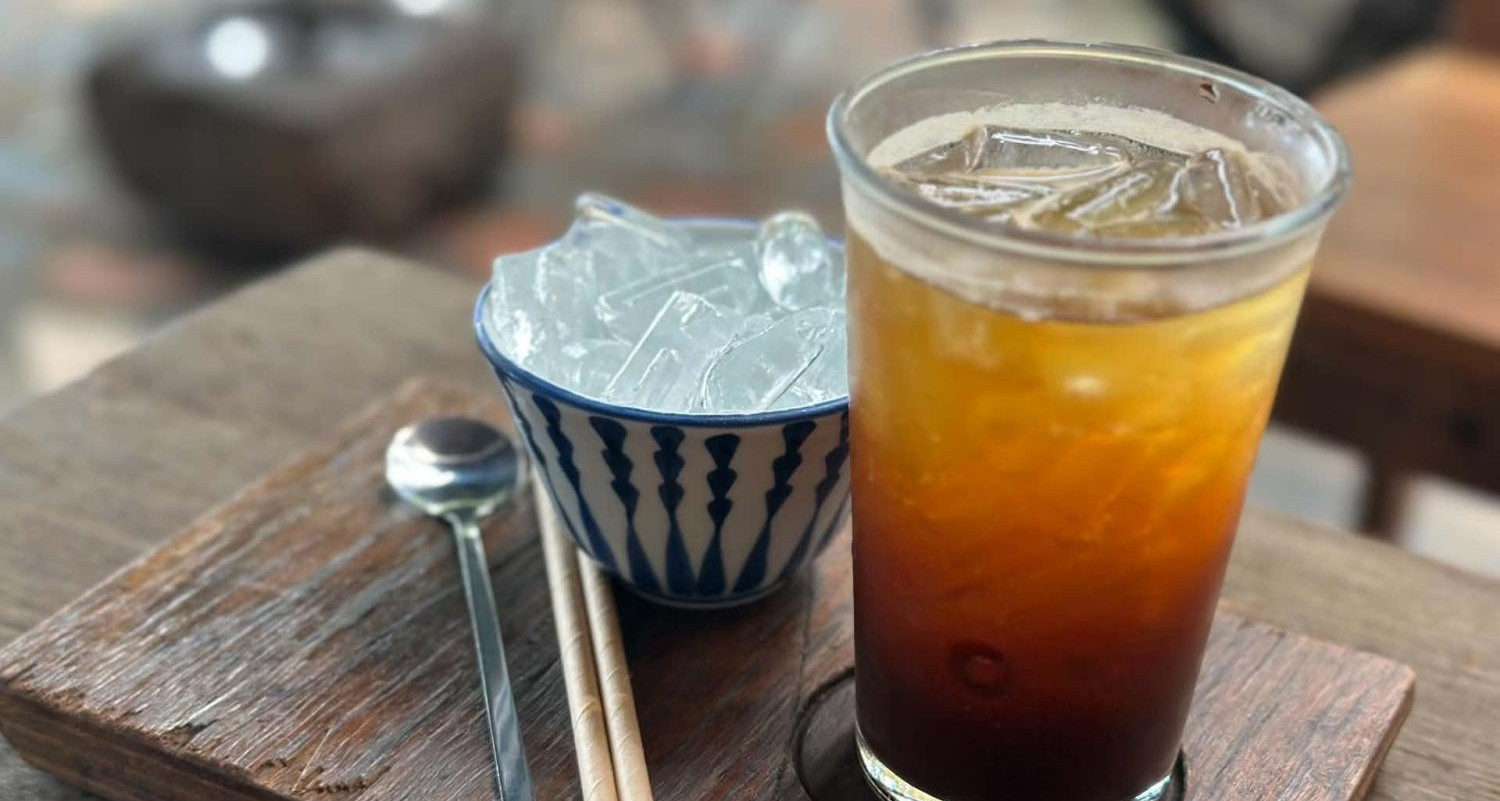
In recent years, gastroenterologists and clinical researchers have begun to investigate how exogenous stimulants, particularly the chemical compounds found in coffee, modulate this delicate contraction cycle. According to insights shared by prominent American gastroenterologist Dr. Jay Luthar, habitual coffee consumption acts as a potent stimulant for the biliary tract, encouraging the gallbladder to contract and empty its contents effectively rather than allowing stagnant bile to accumulate over extended periods. Interestingly, controlled clinical trials examining decaffeinated coffee have demonstrated a strikingly similar physiological effect on gallbladder motility. This crucial discovery strongly indicates that while caffeine possesses inherent stimulatory properties, a broader array of bioactive compounds, polyphenols, and antioxidants naturally occurring in coffee beans likely play an equally vital role in regulating biliary function and promoting regular evacuation.
Epidemiological Evidence and the Reduced Risk of Gallstone Formation
The protective association between regular coffee consumption and the incidence of gallstone disease is supported by a growing body of robust observational research. Over the past several decades, large-scale prospective cohort studies involving hundreds of thousands of participants have consistently tracked dietary habits alongside gastrointestinal health outcomes. The data compiled from these extensive populations reveal a statistically significant inverse relationship: individuals who consume coffee on a regular, daily basis exhibit a markedly lower risk of developing symptomatic gallstones compared to those who abstain entirely or consume the beverage only rarely.
Medical scientists attribute this risk reduction to multiple interconnected mechanisms. Beyond merely stimulating mechanical contractions that prevent biliary stasis—the sluggish flow or stagnation of bile that frequently serves as the primary precursor to crystal precipitation—coffee appears to influence the biochemical composition of the bile itself. Researchers hypothesize that regular intake may increase the overall volume of hepatic bile secretion, improve the overall dynamic tone and contractility of the gallbladder wall, and favorably alter the metabolism and solubility of biliary acids. By preventing the supersaturation of cholesterol within the fluid, coffee discourages the nucleation and subsequent growth of solid mineral masses, effectively shielding the organ from lithogenesis, the medical term for stone formation.
Despite these encouraging findings, medical professionals emphasize that coffee should not be viewed as a standalone therapeutic cure or a guaranteed preventative shield against biliary disorders. Dietary habits do not operate in a vacuum; instead, they interact continuously with a complex matrix of genetic predispositions, overall metabolic health, physical activity levels, and total dietary fat composition. Consequently, while the statistical correlation between habitual coffee intake and lower gallstone prevalence remains robust, public health officials continue to advocate for a comprehensive approach to gastrointestinal wellness that encompasses overall nutritional balance and adequate hydration rather than reliance on a single beverage.
The Counter-Perspective: Acute Pain and Complications in Existing Patients
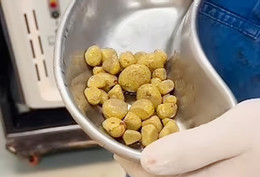
While the preventive benefits of coffee are well-documented for healthy populations, the clinical picture changes dramatically for individuals who have already developed gallstones. The very physiological mechanism that provides protection to healthy gallbladders—namely, the stimulation of vigorous, rhythmic muscle contractions—can transform into a source of excruciating physical agony for patients with pre-existing cholelithiasis.

When the gallbladder contracts in response to the bioactive compounds and hormones triggered by coffee consumption, solid mineral stones residing within the lumen or neck of the organ are subjected to sudden mechanical pressure. If a gallstone is forced outward during a contraction, it can easily become lodged, trapped, or wedged inside the narrow cystic duct or the common bile duct. This sudden obstruction precipitates a classic clinical presentation known as biliary colic—an intense, sharp, cramping pain localized predominantly in the upper right quadrant of the abdomen, frequently radiating toward the right shoulder or back. The pain can be severe enough to mimic a cardiac event or acute pancreatitis, necessitating immediate medical evaluation.
Although direct, controlled clinical proof establishing coffee as the absolute primary root cause of acute gallbladder attacks remains somewhat limited in formal literature, anecdotal and clinical observations from gastroenterology clinics are clear. Patients with a confirmed medical diagnosis of gallstones who report experiencing recurrent, sharp abdominal pain shortly after their morning brew are strongly advised by physicians to reconsider their dietary intake. In such cases, reducing or entirely eliminating coffee consumption is often recommended as a primary conservative measure to prevent unprovoked biliary spasms, while patients consult with their healthcare providers to explore definitive medical or surgical interventions, such as a laparoscopic cholecystectomy.
Broader Lifestyle Strategies and Complementary Dietary Practices for Biliary Health
Maintaining optimal gallbladder function and minimizing the lifetime risk of developing painful biliary disorders requires a multifaceted strategy that extends far beyond the morning coffee mug. Gastroenterologists, registered dietitians, and nutritional scientists recommend incorporating several evidence-based lifestyle modifications to support hepatic and biliary wellness:
- Prioritizing Adequate Hydration: Water remains the fundamental solvent required for optimal digestion and systemic metabolic function. Adequate daily water intake ensures that digestive secretions maintain an ideal viscosity, directly counteracting the tendency toward overly concentrated or sludgy bile. Furthermore, replacing sugary, carbonated beverages with plain water removes a major dietary risk factor historically linked to an increased incidence of gallstone disease.
- Integrating Green Tea: Observational data suggest that regular consumption of green tea is associated with a lower prevalence of various digestive tract abnormalities, including specific forms of biliary cancer. Rich in powerful antioxidants such as catechins alongside moderate levels of caffeine, green tea offers a gentle metabolic stimulant effect, though ongoing research continues to evaluate its precise localized impacts on the gallbladder.
- Maximizing Dietary Fiber Intake: A robust intake of soluble and insoluble dietary fiber—sourced abundantly from fresh fruits, cruciferous vegetables, whole grains, and legumes—plays a critical role in optimizing overall gastrointestinal transit time, stabilizing serum cholesterol levels, and supporting healthy metabolic profiles, all of which indirectly protect biliary health.
- Moderating Refined Carbohydrates and Added Sugars: Diets heavy in processed sugars and refined starches frequently disrupt lipid metabolism and promote systemic inflammation, elevating the physiological risk factors associated with gallstone formation. Transitioning toward complex, unrefined carbohydrate sources helps stabilize metabolic markers.
- Incorporating Healthy Fats: Completely eliminating fats from the diet is counterproductive, as the gallbladder requires regular dietary fat stimuli to contract and empty properly. Introducing sources of healthy, unsaturated fats—such as extra virgin olive oil, avocados, nuts, and cold-water fish—ensures regular, gentle emptying of the biliary reservoir without overtaxing the organ.
- Minimizing Saturated and Trans Fats: Conversely, heavy reliance on deep-fried foods, heavy bakery desserts, and excessive saturated fats can induce erratic, hyper-responsive contractions or promote unfavorable cholesterol saturation profiles within the bile, elevating the risk of acute discomfort and stone development.
Clinical Implications, Public Health Context, and Future Research Directions
As lifestyle-related metabolic disorders continue to rise globally, the medical community places increasing emphasis on preventative gastroenterology. Conditions such as cholelithiasis and associated biliary tract disorders contribute significantly to healthcare expenditures and patient morbidity. Understanding how everyday beverages like coffee interact with complex internal organs provides valuable insight into personalized nutrition and preventative medicine.
The evolving consensus among hepatologists and dietitians highlights the importance of individualization. While population-level studies offer broad statistical insights—confirming that coffee drinkers generally enjoy a lower statistical risk of initial gallstone development—clinical practice demands a personalized assessment. A healthy individual with no history of biliary disease can comfortably enjoy moderate coffee consumption as part of a balanced diet that leverages its mild stimulatory and protective metabolic properties. Conversely, a patient with known cholelithiasis must navigate their dietary choices with caution, listening closely to their body’s signals and working in tandem with medical specialists to avoid triggering acute complications.
Future research initiatives aim to isolate specific polyphenolic fractions within coffee beans to map out their exact molecular pathways regarding hepatic bile acid synthesis and smooth muscle modulation. Until these detailed pharmacological mappings are fully completed, the medical guidance remains grounded in moderation, mindfulness, and a balanced lifestyle that honors the intricate physiological balance of the human digestive system.
Related posts: