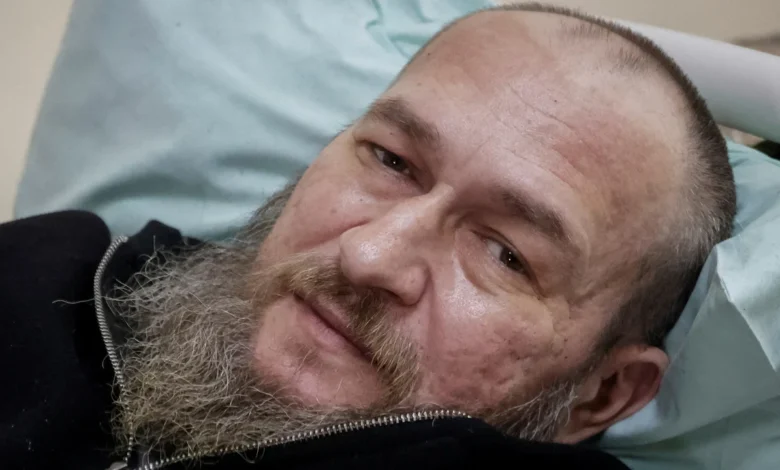
In a harrowing development that underscores the brutal reality of modern trench warfare, Kostiantyn Vlasenko, a 49-year-old Ukrainian soldier, has emerged as a symbol of human resilience after surviving ten months trapped behind enemy lines. His ordeal, which culminated in a desperate act of self-amputation and a daring, unprecedented rescue operation by unmanned aerial vehicle (UAV), highlights the evolving role of drone technology in the ongoing Russia-Ukraine conflict.
The Anatomy of a Death Trap
Vlasenko, a member of the 30th Mechanized Brigade, was deployed to a forward position near the city of Kupyansk in May 2025. Along with a comrade identified by the call sign "Basky," Vlasenko was tasked with holding a critical, albeit exposed, defensive sector. The environment in this region, particularly near the Kupyansk front, has been characterized by constant, low-altitude surveillance and the relentless deployment of FPV (First-Person View) drones.
For months, the two soldiers lived in a cramped, waterlogged bunker. Their existence became a grueling cycle of survival: avoiding detection by day, scavenging for supplies under the cover of darkness, and perpetually listening for the high-pitched whine of incoming ordnance. By the autumn of 2025, the tactical situation had deteriorated significantly. During a rotation attempt, their reinforcement squad was decimated by a concentrated Russian drone strike, effectively severing Vlasenko and Basky from the rest of their unit.
Chronology of an Ordeal
The descent into isolation began in earnest in February 2026. Following the flooding of their original bunker, the duo was forced to relocate to a dilapidated school building. It was there that their situation turned dire. While attempting to retrieve supplies, a Russian reconnaissance UAV spotted them, leading to a precision strike. Basky was killed instantly, and Vlasenko sustained severe injuries to both legs, rendering him immobile.
Left alone in the ruins, Vlasenko crawled into a small crawlspace beneath a metal heating stove. For months, his world shrank to the confines of this small, dark hideout. During this period, Russian forces reportedly attempted to induce him to surrender, promising safe passage through prisoner-of-war exchange channels. Vlasenko, fearing the unknown fate of a captive and refusing to surrender his agency, chose to remain in the "death zone."
By mid-2026, the infection in his right leg—compounded by the lack of medical supplies and the damp, unsanitary conditions—reached a critical state. Faced with the choice of agonizing death or a horrific alternative, Vlasenko made the decision to perform a self-amputation. Using a brick as a base and a blade, he successfully removed his necrotic limb, an act that prevented the further spread of gangrene and potentially saved his life.
The Unprecedented Rescue Mission
As Vlasenko’s condition worsened, command staff from the 30th Mechanized Brigade, in coordination with the 92nd Assault Brigade, began formulating a high-risk, experimental rescue strategy. Standard evacuation methods—using ground vehicles or armored personnel carriers—had been rendered impossible due to the overwhelming density of Russian surveillance drones and anti-tank defenses. Previous attempts to send in ground teams had resulted in the destruction of vehicles by FPV drones.
The military command turned to a specialized piece of equipment: a heavy-lift "cargo" UAV, designed by the domestic firm Gurzuf Defence. The drone, a multi-rotor system with six vertical propellers and a distinctive black frame, is capable of carrying a payload of up to 90 kilograms over a distance of 25 kilometers.
On October 4, 2026, the mission was initiated. Vlasenko had been previously supplied with a harness and a smartphone loaded with instructional videos. When the drone descended to the ruins, he secured himself to the device’s external attachment point. The UAV lifted him to an altitude of 70 meters, hovering above the reach of traditional ground threats. To ensure his safe passage, three smaller decoy drones were deployed to distract Russian air defense units, while artillery support from the 92nd Assault Brigade provided suppressive fire on suspected enemy drone operator positions.
The flight, which lasted 15 minutes, successfully transported Vlasenko to a secure location behind the front lines, where he was immediately transferred to medical personnel.
Data, Context, and Implications
The use of heavy-lift drones for casualty evacuation (CASEVAC) represents a significant shift in combat casualty care. Historically, extraction required human-piloted vehicles or soldiers on foot, both of which are high-risk operations in modern high-intensity conflict.
Data from the front indicates that the "drone-first" approach is becoming increasingly necessary. With the proliferation of surveillance drones, the "golden hour"—the period during which medical intervention is most likely to prevent death—is often impossible to meet with traditional methods. The 30th Mechanized Brigade’s success suggests that heavy-lift UAVs could be scaled to support logistics and medical support in contested areas where human presence is too hazardous.
However, the technology remains in its infancy. The risk of interception by Russian electronic warfare (EW) systems remains high. The mission’s success was contingent upon a sophisticated synchronization of decoy drones, artillery cover, and precise flight path mapping, all of which require a level of operational coordination that is difficult to sustain in fluid combat environments.
Official Statements and Human Resilience
While the Ukrainian military has officially confirmed the rescue, they have remained tight-lipped regarding the specific location and the exact date of the operation to protect ongoing tactical intelligence. The 92nd Assault Brigade stated that this was likely the first instance of a wounded soldier being evacuated via a heavy-lift cargo drone under active combat conditions globally.

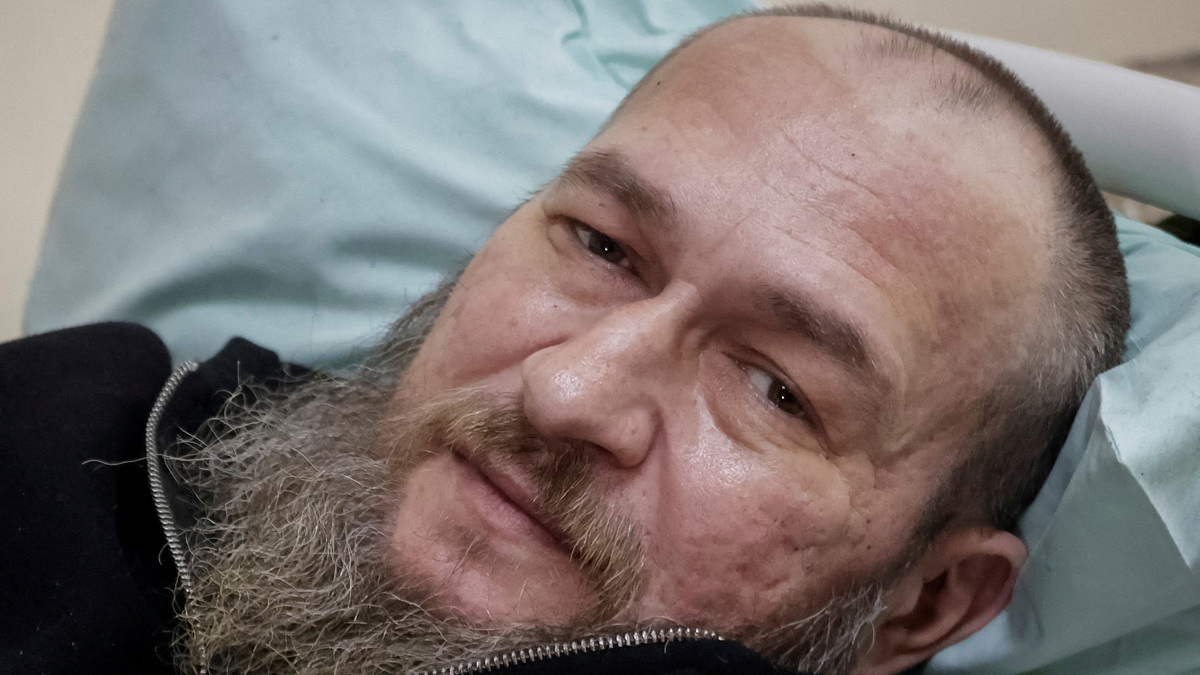
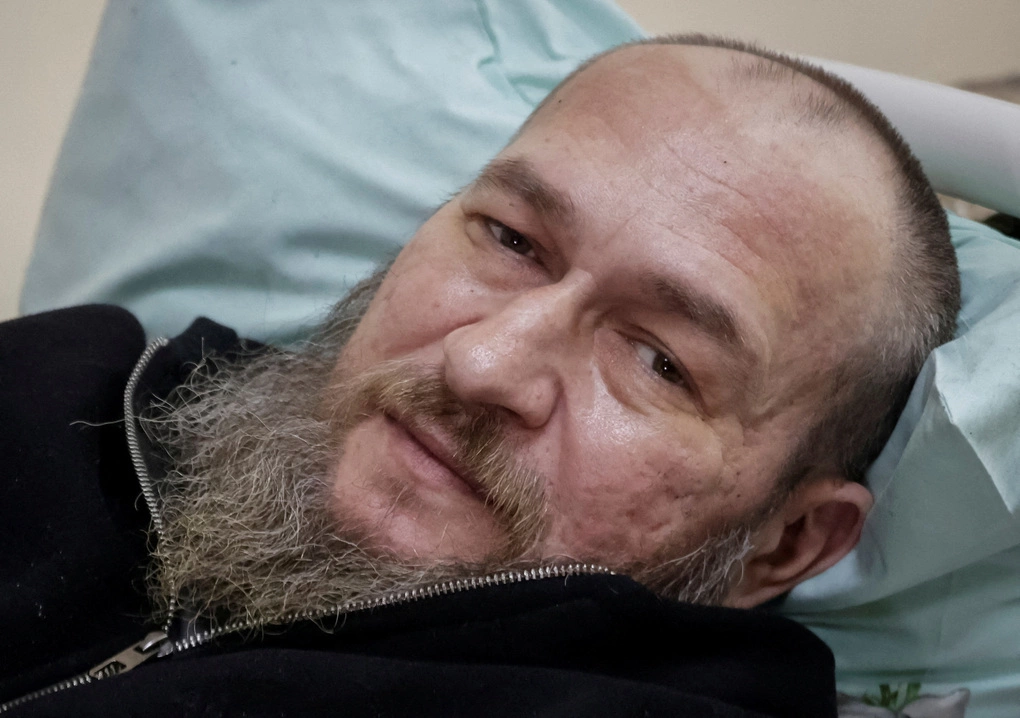
For Vlasenko, the trauma of his ten-month isolation remains profound. Speaking from a hospital in Kharkiv, he displayed the stoicism of a veteran who has stared into the void. "I was not afraid of falling into the forest," Vlasenko noted during his recovery. "But I was terrified of falling into the water, because I never learned to swim."
His survival is being hailed by military analysts as a testament to the ingenuity of the Ukrainian forces, who have been forced to innovate under extreme duress. The incident serves as a stark reminder of the human cost of the war and the changing nature of the battlefield, where machines are increasingly bridging the gap between life and death. As the conflict continues, the integration of such drone technologies into standard medical protocols may redefine how armies handle casualty recovery in contested zones, potentially saving hundreds of lives in the future.
Related posts: