The People’s Committee of Thuan An Ward, located in Hue City, has officially announced the permanent closure of all local cemeteries and burial grounds to new interments, effective October 31, 2026. This administrative directive marks a pivotal shift in the urban development strategy of the coastal region, aiming to reclaim significant portions of land currently occupied by burial plots for infrastructure modernization and tourism-related economic growth.
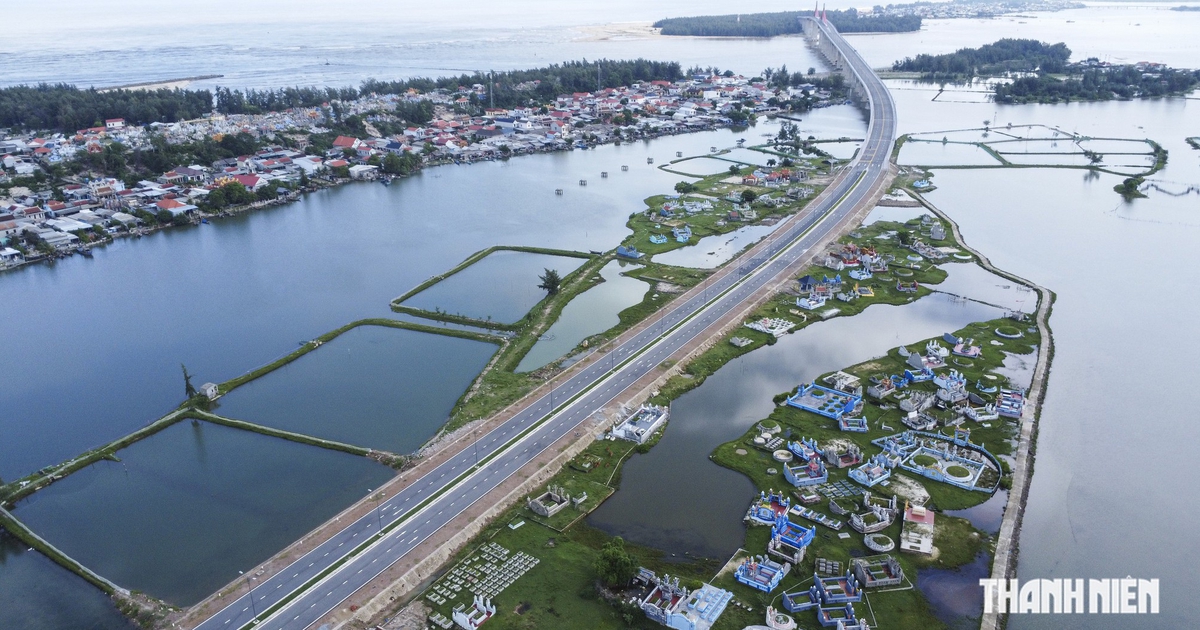
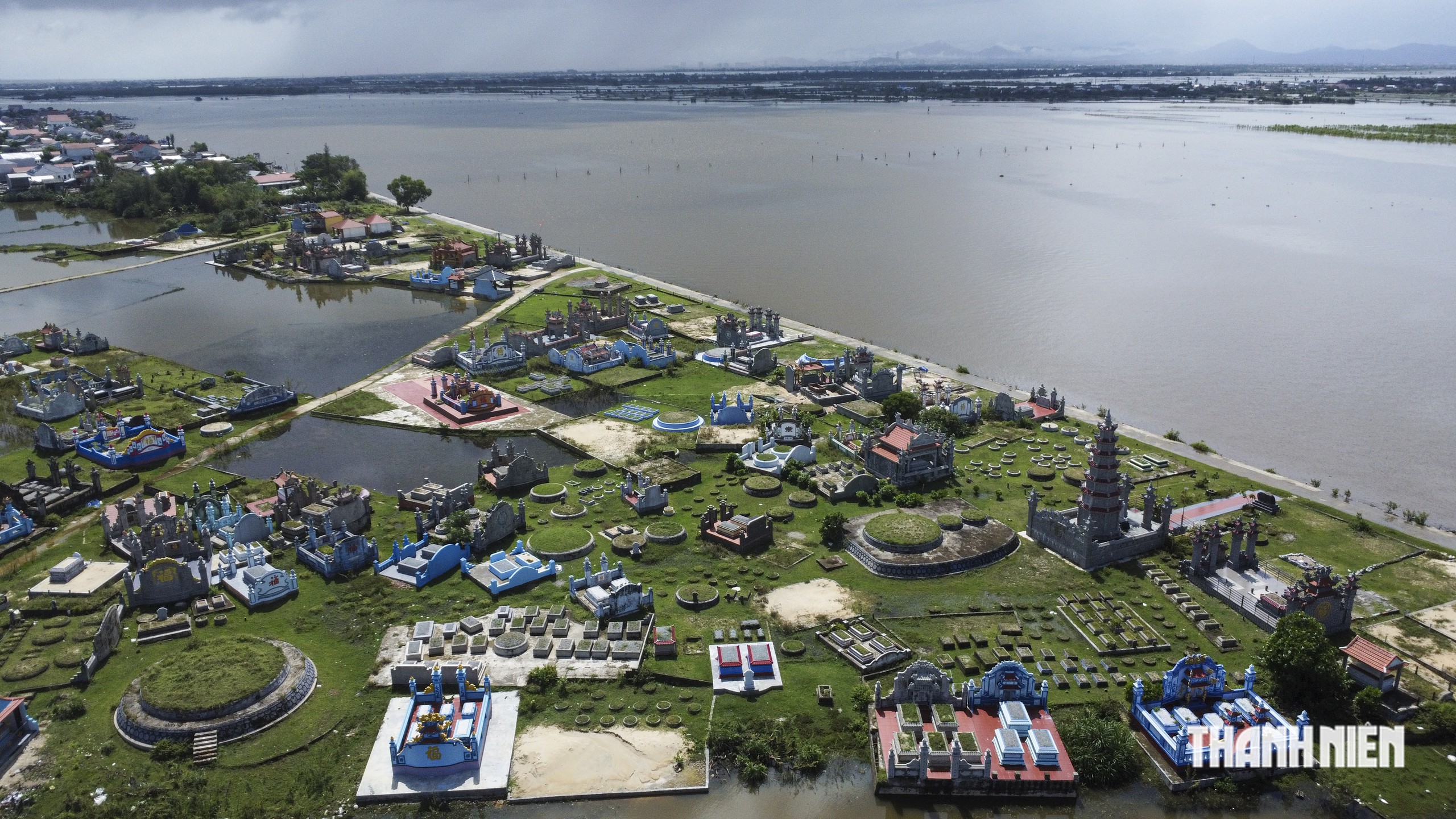
The decision follows years of deliberation regarding the inefficient use of land in one of Hue’s most rapidly developing sectors. With over 151 hectares currently designated as burial grounds—accounting for more than 50 percent of the ward’s total land area—the local government is prioritizing the transition toward urban renewal. This policy shift is intended to clear the way for public amenities, residential expansion, and large-scale coastal infrastructure projects that have been stalled by the prevalence of traditional grave sites.
A Chronic Urban Challenge
The prevalence of grave sites in Thuan An is not merely a land-use issue but a deep-seated cultural and historical phenomenon. In many parts of Thua Thien Hue province, traditional burial customs have long taken precedence in land allocation. However, as Hue City accelerates its transition into a modern, heritage-driven, and tourist-oriented municipality, the presence of sprawling, unorganized, or low-density burial grounds has become a significant bottleneck for civil engineering and urban planning.

The 151 hectares of land now locked away in burial sites represent a critical resource that has been effectively removed from the local economy. Much of this land is located in prime coastal zones, including areas adjacent to the Thuan An sea-crossing bridge—a critical piece of infrastructure that facilitates regional connectivity. The juxtaposition of high-value, modern transit infrastructure and dense, ancient burial grounds has created a visual and functional dissonance that city planners have struggled to reconcile for decades.
Chronology of Regulatory Shift
The path to the current closure was not sudden. Local authorities have spent the past several years implementing a phased reduction in new burials.
- 2020–2022: The initial push for site clearance began with smaller, high-density residential areas where grave sites were directly encroaching on existing household plots.
- 2023–2024: The municipal government initiated the relocation of approximately 1,850 graves in the An Hai and Hai Thanh residential areas. This was driven by the necessity to clear land for a 14.5-hectare cultural and technical infrastructure project valued at over 117 billion VND.
- 2025: Strategic planning for the coastal tourism belt accelerated, highlighting the necessity to move burial grounds away from the main thoroughfares.
- October 31, 2026: The official "closed-door" policy was enacted, prohibiting all new burials and the construction of new monuments or family vaults across the ward’s 19 recognized burial zones.
Supporting Data and Spatial Impact
The scale of the situation in Thuan An is unprecedented in the context of Vietnamese urban planning. The ward contains 19 distinct burial zones, hosting a total of more than 23,430 individual grave sites. To put this in perspective, these sites occupy a landmass larger than some entire administrative districts in other provinces.
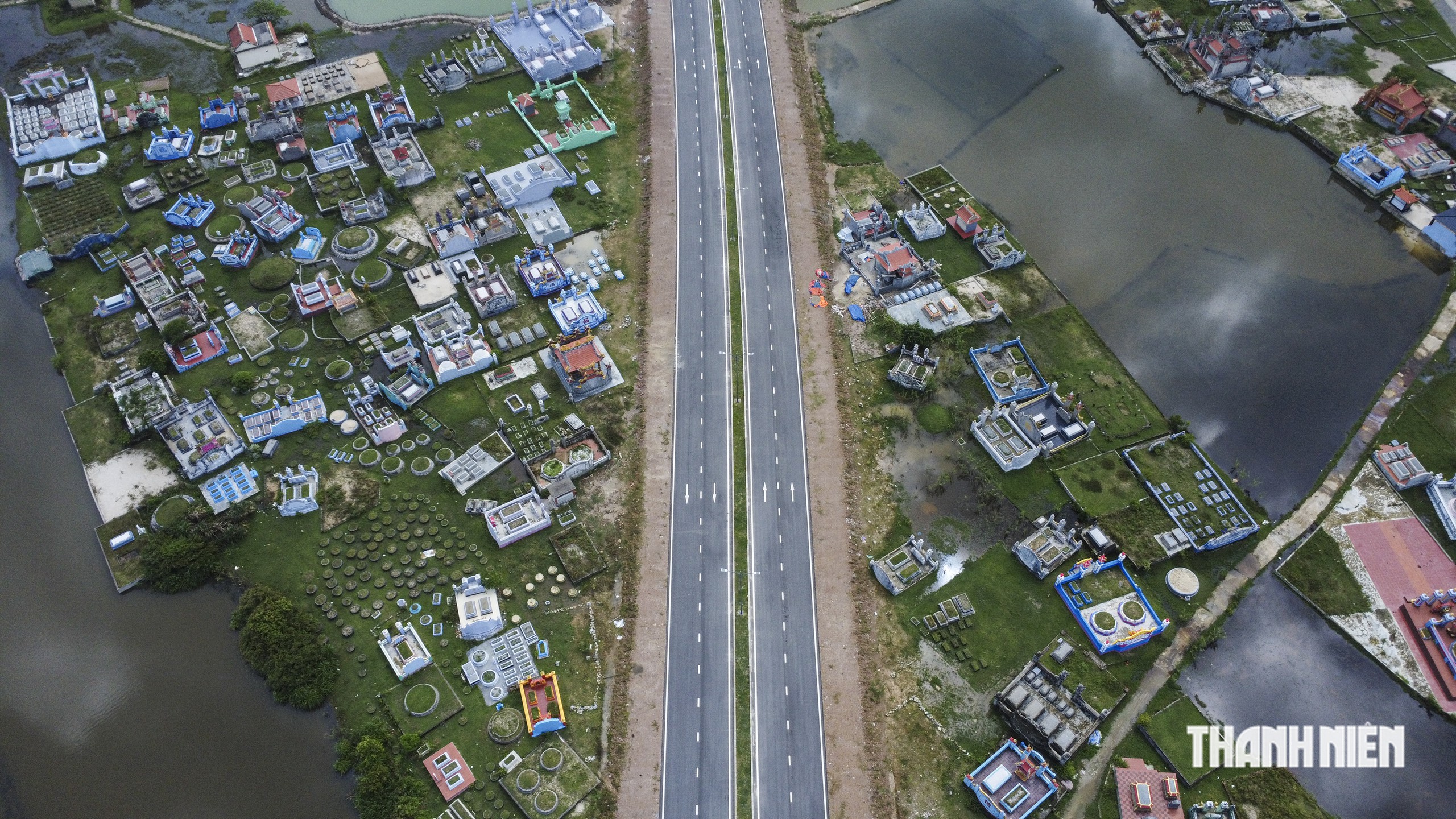
The geographic distribution of these graves is equally problematic. In many neighborhoods, such as the Thai Duong Ha area, graves are intermingled with residential properties, sometimes sitting only meters away from the front doors of homes. This spatial overlap has historically complicated the expansion of water supply lines, sewage systems, and electrical grids, as utility corridors are frequently forced to detour around family tomb structures that are protected by tradition and family lineage.
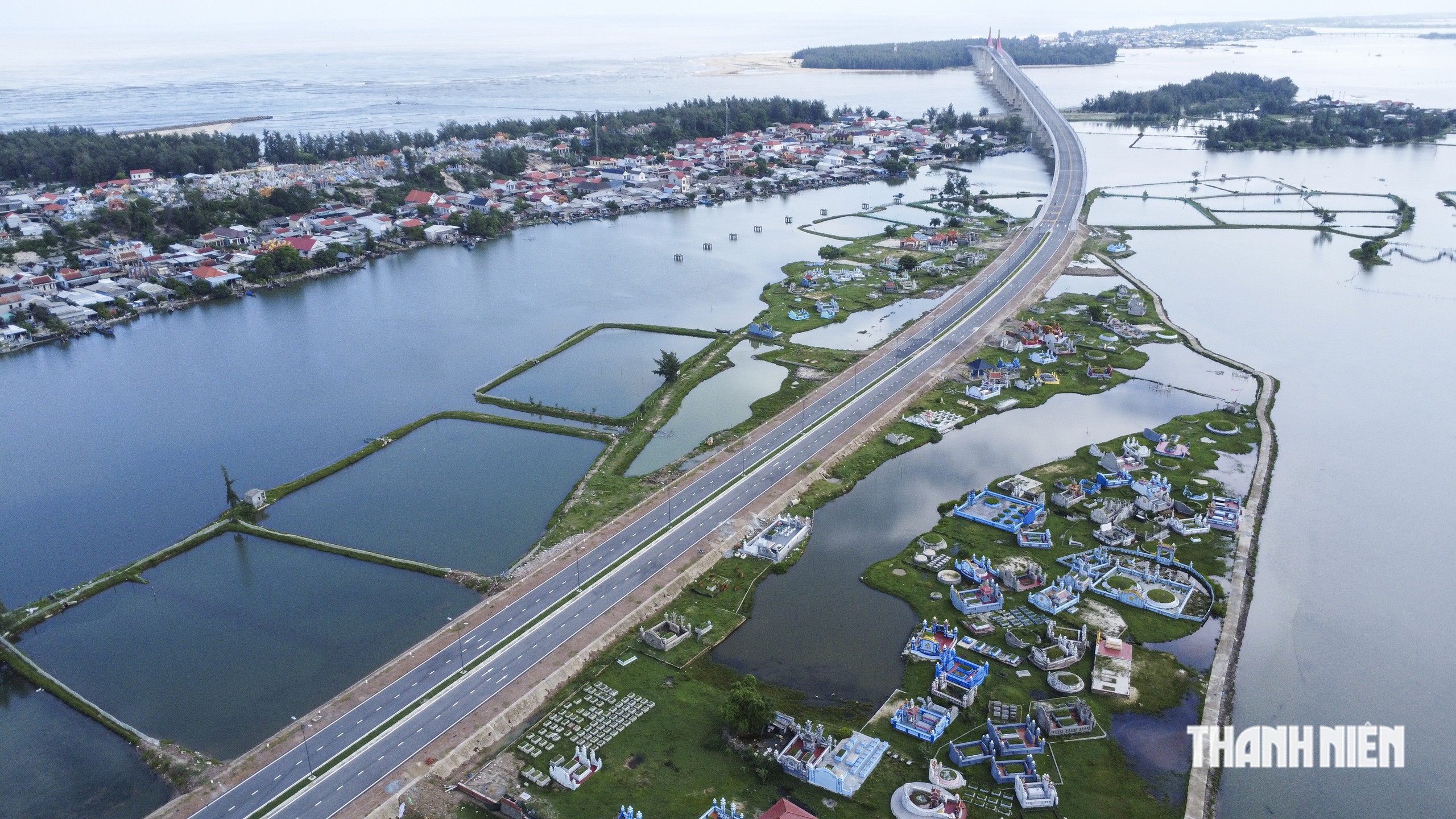
In the Thai Duong Ha area alone, a single northern cemetery spanning nearly 12 hectares houses over 1,900 graves. The recent completion of the coastal road, which cuts directly through this cemetery, has necessitated a massive relocation effort. The total investment for the surrounding infrastructure—including the coastal road and the sea-crossing bridge—exceeds 2.4 trillion VND. The presence of these graves has often led to increased compensation costs and logistical delays during the land acquisition phases of these public works projects.
Official Stance and Administrative Rationale
The People’s Committee of Thuan An Ward has been clear in its communication to the public: the move is an essential step toward long-term sustainability. Officials have cited the need to comply with the master plan for Hue City’s urban expansion, which prioritizes green spaces, tourism infrastructure, and systematic urban housing.
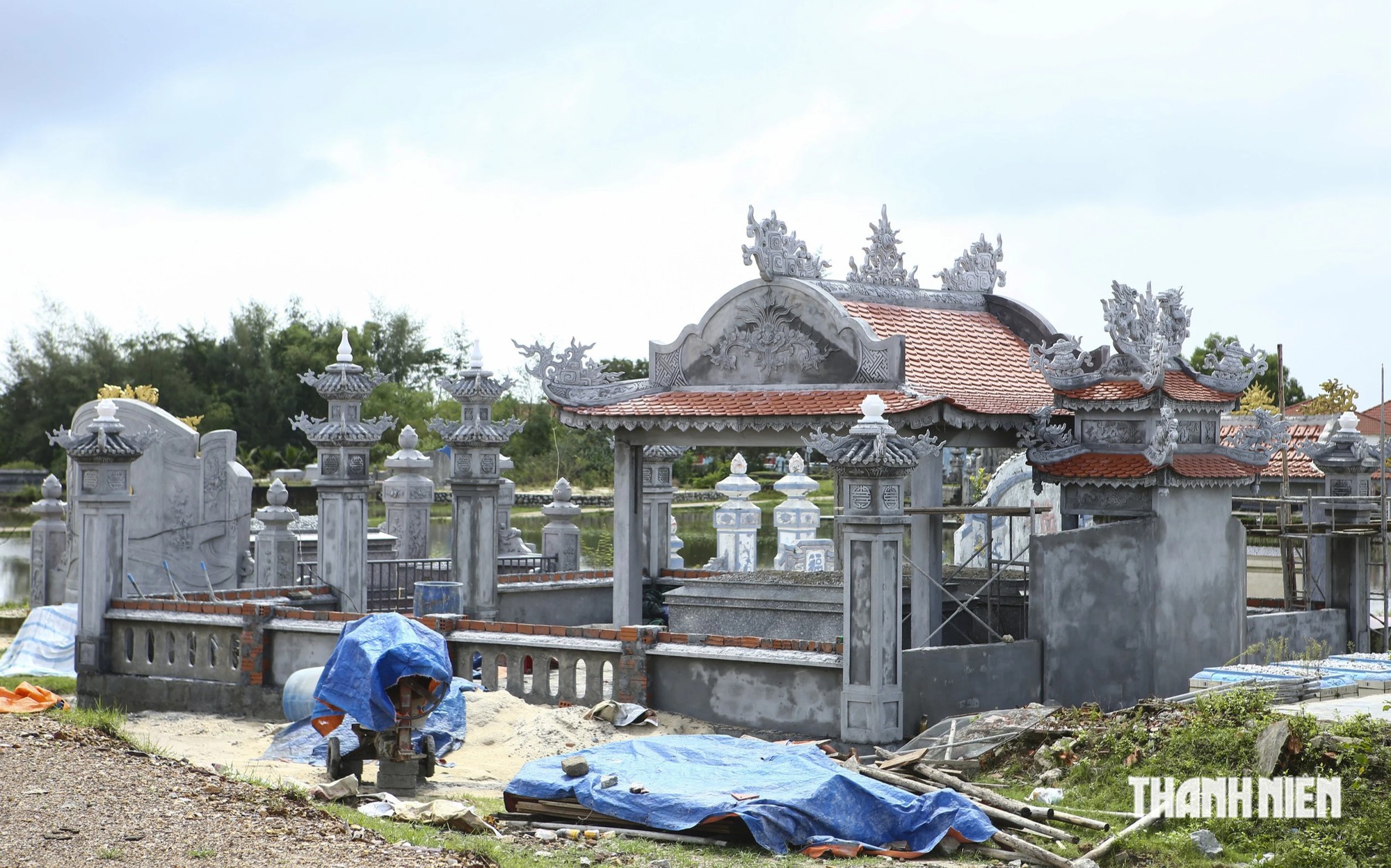
According to municipal guidelines, the government is not simply abandoning the burial issue. Instead, they are directing residents toward regional, centralized cemeteries located in adjacent communes. This centralization policy is intended to prevent the proliferation of small, scattered grave sites that hinder development. For families who already own plots, the local government has indicated that no new construction or expansion of existing family monuments will be permitted, effectively capping the growth of these cemeteries at their current size.
Socio-Economic Implications
The policy has profound implications for the local population. For many families in Thuan An, the presence of ancestral graves is tied to deep-rooted spiritual and cultural identity. The transition from local, convenient burial sites to centralized, municipal cemeteries requires a shift in cultural practice.

However, the economic argument for the change is compelling. By reclaiming land, the ward is opening up opportunities for the development of high-end tourism resorts, public parks, and improved transportation networks. The "golden land" currently occupied by graves is expected to see a significant appreciation in value once these sites are cleared and landscaped.
Furthermore, from an environmental perspective, the closure of these sites allows for better groundwater management and soil sanitation, particularly in a coastal region vulnerable to erosion and climate change. Centralized cemeteries are designed with better drainage and environmental controls, reducing the potential for contamination in the surrounding residential areas.

Future Outlook and Challenges
As of late 2026, the transition is in its nascent stages. The primary challenge facing the authorities is the management of the remaining 23,430 graves. While the "no new burials" policy is a clear mandate, the eventual relocation of these existing sites will remain a long-term, politically sensitive, and financially demanding task.
The government’s strategy relies heavily on the success of the new centralized cemetery in Phu Xuan commune. If this facility can provide the necessary capacity and maintain the dignity required by local customs, public compliance is expected to rise. Conversely, if the relocation process is perceived as rushed or insensitive to cultural needs, it could spark resistance.
In the broader context of Hue’s evolution, the Thuan An decision is a litmus test for the city’s modernization efforts. It demonstrates that the city is willing to address the legacy of the past to secure a functional future. By moving toward a model where burial space is separated from living and commercial space, Thuan An is aligning itself with international standards for urban planning and environmental hygiene.
The next five years will be critical in monitoring how the reclaimed land is integrated into the city’s footprint. If successful, the transformation of Thuan An from a cemetery-dense ward into a coastal hub could serve as a blueprint for other regions in Vietnam grappling with the tension between honoring the dead and providing for the living. As the city moves forward, the focus will likely shift from the administrative closure of sites to the physical reclamation and repurposing of the land, marking a new chapter for the coastal ward.