Singer Michael Lang unveils new musical tribute to farmers while reflecting on the mentorship of Ngoc Son

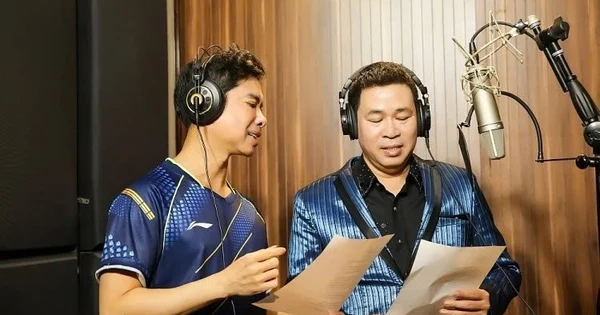
Vietnamese singer Michael Lang has officially released his latest musical project, a song titled Thuan Buom Xuoi Gio (Smooth Sailing). The release marks a significant milestone in his career, serving as both a creative endeavor and a poignant tribute to the agricultural workers of Vietnam. Beyond the melody, the project highlights the enduring influence of legendary Vietnamese singer Ngoc Son, whose philosophical approach to artistry has profoundly shaped Lang’s professional ethos.
The song, which Lang describes as a heartfelt confession of hope and resilience, follows months of meticulous development. In a recent press statement, the artist revealed that he spent half a year crafting the composition, drawing inspiration from the daily struggles and aspirations of farmers across the country.
The Artistic Philosophy of Ngoc Son
At the core of Michael Lang’s creative process lies a set of principles instilled in him by his mentor, the acclaimed artist Ngoc Son. In the Vietnamese entertainment industry, where trends shift rapidly, Ngoc Son is often cited for his insistence on the "human element" of performance.
"Doing art requires more than just a good voice," Lang explained, recalling his mentor’s guidance. "More importantly, an artist must possess genuine emotion, a sense of responsibility toward their work, and a deep-seated affection for the audience. A song only truly touches the listener’s heart if the performer has invested their own soul into it."
This mentorship has become a cornerstone of Lang’s career. By prioritizing emotional authenticity over commercial shortcuts, Lang aligns himself with a traditional school of Vietnamese performance that emphasizes the connection between the artist’s inner state and the message of the composition.
Contextualizing the Agricultural Inspiration
The thematic focus of Thuan Buom Xuoi Gio is rooted in the precarious nature of agriculture. Michael Lang noted that farming in Vietnam remains highly susceptible to the vagaries of climate change, natural disasters, and fluctuating market prices.
"Agriculture relies heavily on weather, nature, and market pricing," Lang observed. "Before every harvest, regardless of the region, farmers often harbor silent prayers for favorable conditions. While they cannot control the climate or the global market, they possess the fundamental right to hope."
This perspective provides the emotional backdrop for the song. The composition is intended to serve as a spiritual anchor for rural communities, offering a sense of solidarity and encouragement to those who work the land. Lang’s music serves as a medium through which the anxieties of the farming sector are acknowledged, and a message of endurance is disseminated.
Chronology of Production and Release
The development of Thuan Buom Xuoi Gio was a deliberate, iterative process spanning six months.
- Initial Concept (Early 2026): Lang began documenting the stories of farmers, focusing on the cyclical nature of planting and harvesting, as well as the economic stresses faced by rural households.
- Composition Phase (Spring–Summer 2026): The artist spent months refining the melody and lyrics to ensure they resonated with both the technical standards of professional music and the raw, unpolished nature of rural life.
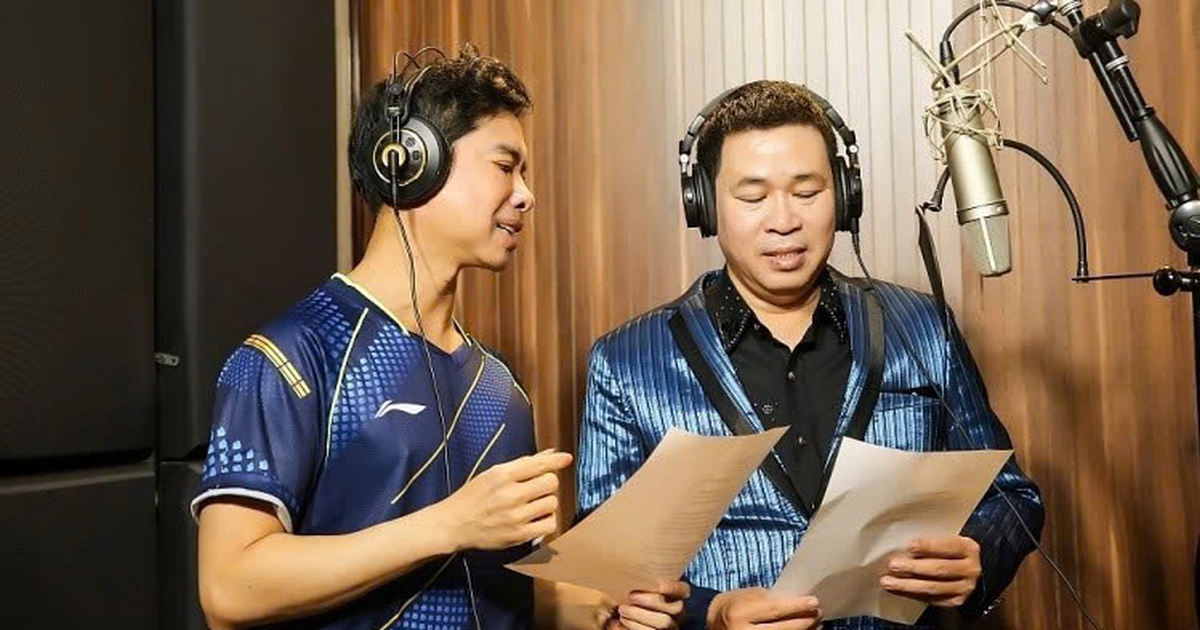
- Production and Studio Sessions (Late Summer 2026): Emphasis was placed on arrangements that evoke the traditional soundscapes of the countryside while maintaining a modern, accessible quality.
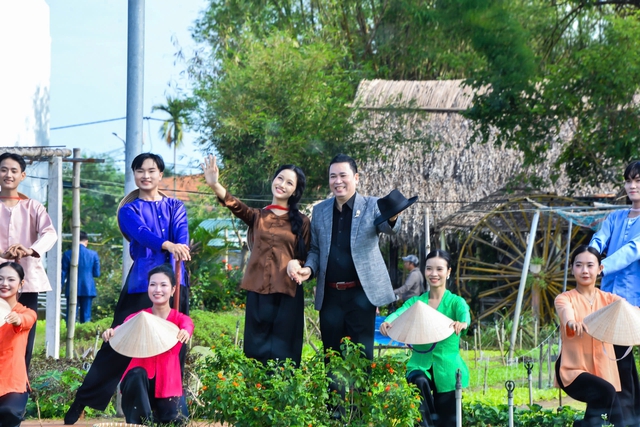
- Official Launch (October 2026): The project was released to the public, accompanied by visuals that emphasize the dignity of labor.
Industry Implications and Cultural Significance
The release of this track comes at a time when the Vietnamese music industry is increasingly debating the role of "content with substance." While viral trends often dominate streaming platforms, artists like Michael Lang are finding an audience by pivoting toward socially conscious music.
The song’s success, or lack thereof, will likely serve as a barometer for the current public appetite for rural-themed artistic works. Statistically, the agricultural sector remains the backbone of the Vietnamese economy, employing a significant portion of the workforce. By centering his music on this demographic, Lang is not merely creating entertainment; he is engaging in a form of cultural advocacy.
Analysts in the Vietnamese music sector suggest that "niche" themes, when executed with high production value and genuine empathy, often achieve longevity that surpasses typical pop hits. Because Lang’s work taps into a universal sentiment—the struggle against forces beyond one’s control—it has the potential to resonate with a broad cross-section of the population, not just those directly involved in farming.
The Role of Mentorship in Modern Performance
The relationship between Ngoc Son and Michael Lang serves as a case study in the importance of traditional mentorship in the digital age. In an era where viral fame can be achieved overnight, the insistence on "technical excellence coupled with moral responsibility" represents a slower, more disciplined approach to fame.
For Lang, the responsibility goes beyond the recording studio. He views each song as a "prayer for peace" for the people he depicts. This sense of duty is directly attributed to the lessons learned under Ngoc Son’s tutelage. By adhering to these standards, Lang hopes to build a legacy that is defined not by the number of views a video receives, but by the tangible impact his words have on the spirit of his listeners.
Broader Impact and Future Outlook
As Michael Lang continues to promote Thuan Buom Xuoi Gio, his focus remains on the "positive energy" he wishes to project. He believes that music acts as a catalyst for resilience, providing a psychological buffer against the "deep, profound changes" that have recently impacted agricultural output.
In future projects, Lang has indicated that he intends to continue exploring themes of national identity and the lived experiences of ordinary citizens. His commitment to this path reflects a growing trend among mid-career artists in Southeast Asia who are moving away from imported pop aesthetics in favor of indigenous storytelling.
By grounding his work in the realities of the farmers, Lang has positioned himself as an artist who bridges the gap between urban entertainment and the realities of rural life. Whether this translates into a lasting shift in his career trajectory remains to be seen, but the intent behind the project is clear: to offer a voice to those who are often overlooked in the high-speed race for commercial success.
Conclusion: A Legacy of Integrity
The collaboration of ideas between Ngoc Son and Michael Lang highlights a critical aspect of professional development in the performing arts: the necessity of a guiding moral framework. As Lang moves forward with his career, the principles of emotional honesty and social responsibility will likely remain the defining characteristics of his work.
In the final assessment, Thuan Buom Xuoi Gio is more than just a commercial release; it is a testament to the power of music to act as a source of comfort. By combining his personal experiences, the technical advice of his mentor, and a deep respect for the agricultural community, Michael Lang has created a work that challenges the industry to prioritize substance alongside style. As the project reaches a wider audience, its success will likely serve as a reminder that the most enduring art is often that which is most deeply rooted in the human condition.
Related posts: