Liu Xiao Ling Tong Recreates the Iconic Monkey King at 67, Marking 40 Years of Journey to the West

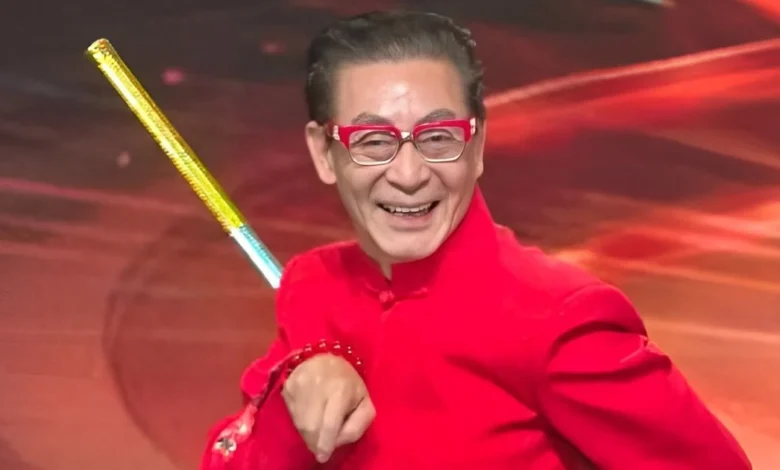
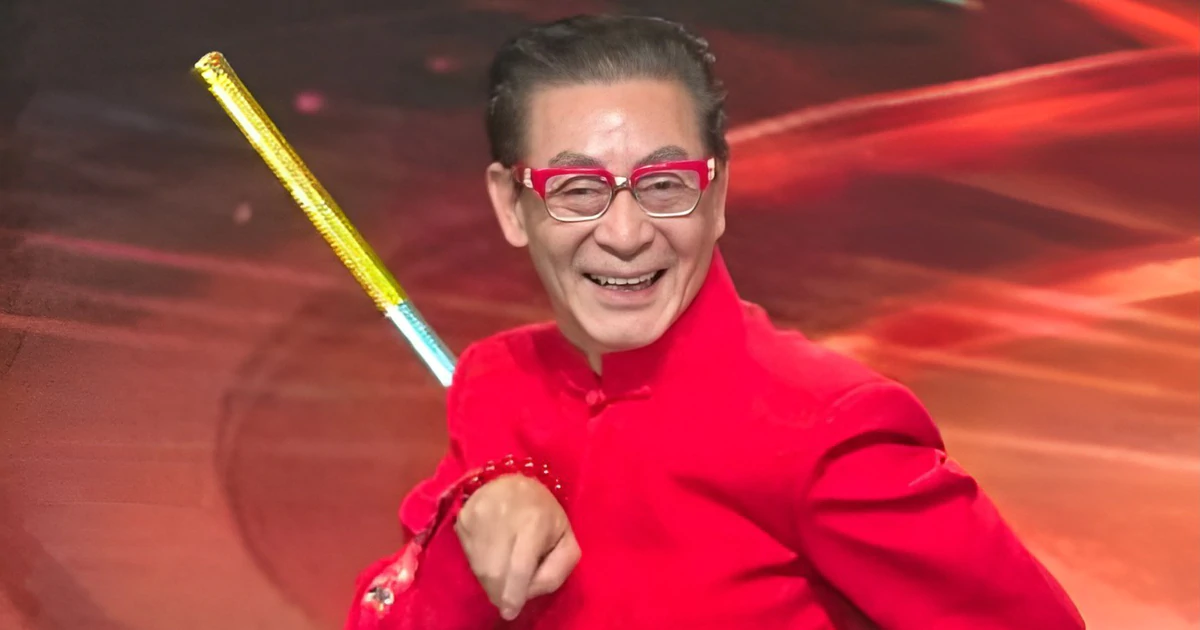
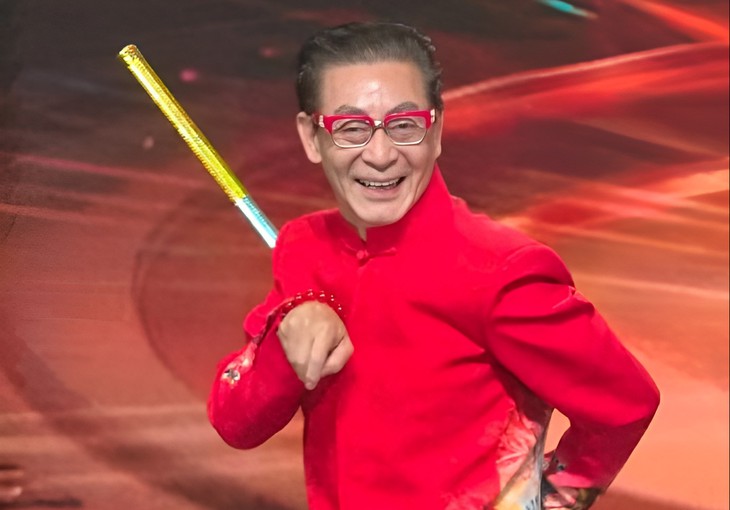
On October 31, the renowned Chinese actor Liu Xiao Ling Tong captivated audiences and media outlets alike during his appearance at the prestigious Weibo V Influence Summit, held in Hengdian, China. Embracing the character that defined his professional career and captured the imagination of generations, the 67-year-old performer stepped onto the stage in full costume to wield the legendary Ruyi Jingu Bang (the Golden Cudgel). His surprise performance offered a poignant wave of nostalgia, marking four decades since the monumental broadcast of the 1986 television adaptation of Journey to the West.
The veteran actor’s appearance electrified the venue. As he assumed his signature stance and delivered the timeless declaration, "Old Sun is here!", audience members responded with overwhelming enthusiasm, enthusiastically chanting "Brother Monkey." Despite the passing of decades, Liu exhibited the same agile footwork, sharp focus, and mastery of traditional martial arts staff manipulation that made his portrayal of Sun Wukong, the Monkey King, an immortal cultural touchstone.
A Legacy Carved in Stone and Memory
The year 2026 signifies a major cultural milestone, commemorating 40 years since the 1986 television version of Journey to the West first aired on national television. Produced by China Central Television (CCTV) and directed by Yang Jie, the series remains one of the most frequently rebroadcast and beloved programs in television history. For Liu, whose legal name is Zhang Jinlai, born in 1959, the character of Sun Wukong has been more than a role; it has been a lifelong vocation.
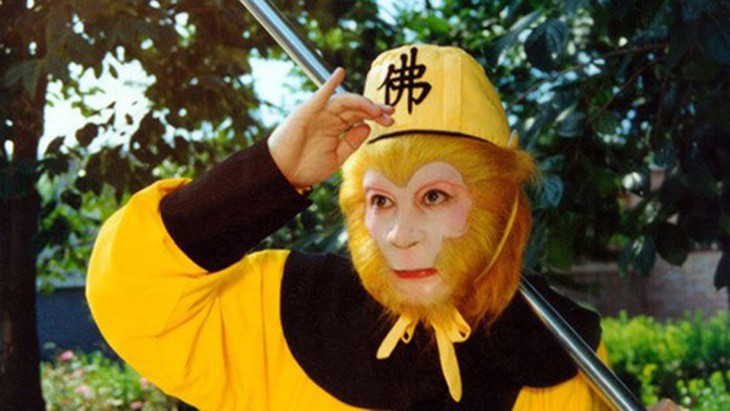
Coming from a distinguished lineage of Shaohoufa (the Zhang family’s traditional art of monkey performance spanning four generations), Liu inherited a profound theatrical tradition. His portrayal in the 1986 series not only catapulted him to international fame but also earned him critical acclaim, including the Best Leading Actor award at the 6th Golden Eagle Awards in China. At the recent Weibo V Influence Summit, his enduring contributions to television were further honored when he received a special achievement award recognizing his profound impact on serial drama performance.
Over the last forty years, the generational perception of Liu has evolved gracefully alongside his audience. Fans who once addressed him as "Brother Monkey" in their youth later transitioned to "Uncle Monkey," and now fondly refer to him as "Grandpa Monkey." Reflecting on this journey, Liu has frequently noted that his life has become inextricably linked with the immortal primate he brought to life on the screen.
Technological Innovation Meets Classical Tradition
Beyond Liu’s live performance, the summit highlighted the evolving intersection of classical Chinese literature and cutting-edge media technology. A major focal point of the event was the screening of a short promotional video utilizing Artificial Intelligence Generated Content (AIGC), produced by the creative teams behind the upcoming series Sequel to Journey to the West.
The production, a collaborative effort between Hunan Broadcasting System and Mango TV, premiered to high expectations. The AIGC-driven project successfully resurrected the classic visual aesthetic of the 1986 series while introducing new iterations of familiar characters, such as Junior Sun and Little Fatty Monkey. By digitally weaving original archival footage from the 1986 masterwork with modern visual effects, the studio bridged a generational gap, invoking powerful memories of the pilgrimage undertaken by Tang Seng and his disciples.
According to data released by Hunan Broadcasting System, the Sequel to Journey to the West initiative has already garnered significant attention, accumulating over 600 million views on Mango TV. At the summit, the production was awarded dual honors for breakthrough television programming and creative innovation, signaling a successful modernization of traditional storytelling frameworks.
The Cultural Impact and Evolution of Journey to the West
Journey to the West, attributed to Wu Cheng’en and written during the Ming dynasty, stands as one of the Four Great Classical Novels of Chinese literature. Over the centuries, the tale of the Buddhist pilgrim Xuanzang (Tang Seng) and his supernatural protectors—Sun Wukong, Zhu Bajie, and Sha Wujing—has been adapted into countless theatrical productions, cinematic features, and video games.
However, the 1986 television adaptation featuring Liu Xiao Ling Tong remains the definitive standard for visual storytelling in the Sinosphere. Produced under immense technical constraints with a single camera and a modest budget over several years, the production team traveled extensively across China to authentic locations to capture the mythological landscapes. Liu’s meticulous study of real macaques, combined with his family’s theatrical lineage, imbued Sun Wukong with a psychological depth and physical authenticity that modern CGI-heavy adaptations frequently struggle to replicate.
Industry analysts note that Liu’s recent public appearances reflect a broader cultural trend in China: the celebration of legacy artists whose contributions shaped the formative years of modern Chinese broadcasting. As studios increasingly experiment with artificial intelligence and high-budget reboots—such as CCTV’s recent announcements regarding high-investment remakes—the presence of original cast members provides a vital anchor of authenticity for older audiences while introducing foundational cultural assets to younger demographics.
Conclusion
The reception of Liu Xiao Ling Tong at the Weibo V Influence Summit demonstrates that the cultural resonance of the 1986 Journey to the West remains undiminished. By stepping back into the shoes of the Monkey King at age 67, Liu reaffirmed the timeless appeal of perseverance, loyalty, and artistic dedication. As the entertainment industry embraces new technologies like AIGC to continue the epic narrative of the pilgrimage to the West, the foundational performance delivered by Liu four decades ago continues to serve as the benchmark against which all subsequent adaptations are measured.