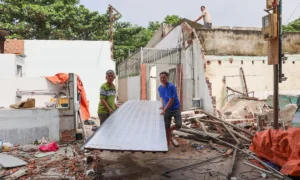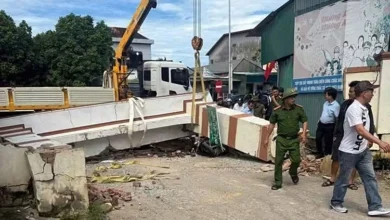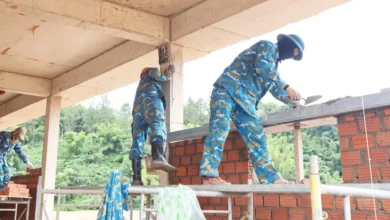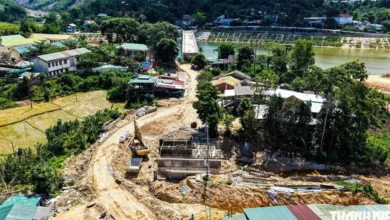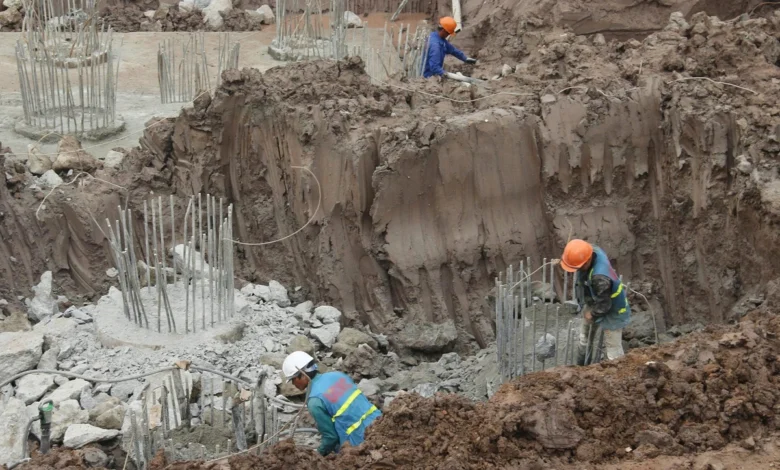
The Vietnamese construction sector is currently experiencing a profound labor crisis as infrastructure projects accelerate toward the end of the fiscal year. Major contracting firms, including the Urban Infrastructure Development Investment Corporation (UDIC) and Trung Chinh Construction, are struggling to bridge a widening gap between the high demand for skilled technical personnel and a dwindling pool of available, qualified candidates. This talent shortage, which has become significantly more pronounced compared to the same period in 2025, is forcing companies to move beyond traditional recruitment methods, shifting toward direct mentorship, educational partnerships, and enhanced welfare packages to attract and retain the next generation of industry professionals.
A Growing Disconnect: The Market Reality
As the year draws to a close, the pace of construction on national infrastructure projects has intensified. This surge in activity has triggered a fierce competition for human capital among top-tier contractors. The demand is not merely for manual labor, but specifically for high-level technical roles: site commanders, field engineers, electrical specialists, safety inspectors, and quantity surveyors.
According to Mr. Nguyen Xuan Thang, Head of Administration at UDIC, the current hiring landscape is vastly different from previous years. "Previously, we could afford to be selective, filtering through stacks of resumes from standard university graduates with one to three years of experience," Thang noted. "Today, that approach is obsolete. We are now forced to open doors to fresh graduates or those still completing their studies, providing the necessary hands-on training ourselves to ensure they can meet project requirements."
Data-Driven Recruitment Challenges
Industry data suggests that the labor market is currently meeting only about 40% to 60% of the actual demand for technical roles. This shortfall has led to a significant escalation in recruitment costs. Entry-level salaries for technical positions, which previously hovered around 15 million VND per month, have increased by 10% to 20% in just the last ten months.
Mr. Tran Lam, Head of Human Resources at Trung Chinh Construction, highlighted the severity of the situation, noting that his firm alone requires 300 skilled workers—specializing in bridge and road construction, mechanical engineering, and civil works—alongside another 300 general laborers for high-priority projects. "Our recruitment demand this year has effectively doubled compared to 2025," Lam said. "Despite significantly higher investment in HR and advertising, we are still seeing a consistent failure to fill vacancies at the required pace."
Structural Shifts in the Labor Force
The difficulty in recruitment is attributed to a convergence of several factors. First, the simultaneous launch of multiple massive national projects across Vietnam has created a "bidding war" for talent, driving up costs while depleting the available pool of experienced engineers. Second, the nature of construction work—which is often outdoors, subject to volatile weather, and requires frequent relocation—has become increasingly unappealing to younger generations.
Many young workers are opting for more stable, sedentary roles in industrial manufacturing or the service sector, which offer the comfort of working close to home. Furthermore, the traditional source of skilled foremen—a generation of workers from the northern and north-central regions—is reaching retirement age. This specific demographic, which historically provided the "boots-on-the-ground" expertise to manage and mentor younger laborers, is disappearing, leaving a vacuum in field-level leadership.
Strategies for Retention and Development
To combat these challenges, firms are overhauling their employee value propositions. Beyond salary increases, leading contractors are now offering comprehensive welfare packages that include free, climate-controlled on-site housing, laundry services, and three high-quality meals per day.
Some companies have gone a step further by implementing "retention-focused" benefits. These include:
- Education Sponsorships: Providing financial assistance for the children of employees to study civil engineering at the university level.
- Professional Development: Offering subsidies for advanced technical certifications and language training.
- On-site Amenities: Constructing recreational facilities to improve the quality of life for workers who spend months away from their families.
- Referral Bonuses: Offering incentives ranging from 500,000 to 2 million VND for existing employees who successfully refer a candidate who passes the probation period.
The Role of Educational Partnerships
Recognizing that the market cannot produce enough ready-to-work professionals, firms are increasingly taking an active role in the educational pipeline. Corporations like Deo Ca Group have begun aggressively engaging with vocational schools and universities to secure talent early.
By the end of October, during recent job fairs in Hanoi, recruitment teams focused on identifying students from their second year of study, offering them internships and long-term career paths. Mr. Nguyen Van Quyet, a recruitment specialist, explained the necessity of this long-term strategy: "New graduates are strong on theory but lack industrial etiquette and practical technical skills. By integrating them into our workforce early and providing a one-month intensive ‘on-the-job’ mentorship, we can mold them into the specialists we need by the time they graduate."

Future Implications for Infrastructure Development
The shortage of skilled labor poses a long-term risk to the ambitious infrastructure timelines set by the government for 2030. If the construction sector fails to modernize its recruitment pipeline and improve the attractiveness of these careers, projects such as the Huu Nghi-Chi Lang expressway, the Dong Dang-Tra Linh route, and the Vinh-Thanh Thuy project face the threat of delays and increased costs due to technical bottlenecks.
Industry analysts suggest that the "supply-demand mismatch" will likely persist until there is a fundamental change in how construction trades are perceived in the vocational education system. While companies are successfully "nurturing" their own talent, this is a stop-gap measure rather than a systemic solution.
Conclusion: A New Era for Construction HR
The current labor environment in Vietnam’s construction sector marks a pivotal transition. The era of passive recruitment is over. Firms that survive and thrive in this decade will be those that view their workforce not as a disposable resource, but as a long-term investment. By blending competitive financial incentives with robust, institutionalized training programs and deeper ties to academia, contractors are attempting to stabilize a volatile market. However, without a broader national effort to revitalize interest in civil engineering and vocational trades, the sector will continue to operate under extreme pressure to deliver on the nation’s developmental goals. As the country pushes toward its 2030 vision, the ability to retain skilled hands on the ground will be just as important as the design of the roads and bridges themselves.
Related posts: