The thyroid gland, a butterfly-shaped endocrine organ located in the base of the neck, serves as the body’s metabolic engine. By secreting essential hormones—primarily thyroxine (T4) and triiodothyronine (T3)—the thyroid regulates critical physiological processes, including heart rate, body temperature, energy expenditure, and cellular protein synthesis. When this delicate system faces nutritional deficiencies or metabolic stressors, the consequences can be systemic, manifesting as hypothyroidism, hyperthyroidism, goiters, or autoimmune conditions such as Hashimoto’s thyroiditis. Achieving optimal thyroid function requires a strategic approach to nutrition, focusing on specific micronutrients that act as co-factors in hormone production.
The Nutritional Pillars of Thyroid Health
Maintaining a stable endocrine balance is not merely about caloric intake but about the precise delivery of iodine, selenium, zinc, and iron. Clinical evidence suggests that the modern diet, often saturated with ultra-processed foods and artificial additives, significantly increases the risk of thyroid dysfunction by displacing nutrient-dense whole foods.
Iodine: The Fundamental Building Block
Iodine remains the most critical substrate for thyroid hormone synthesis. The thyroid traps circulating iodide from the blood to build T4 and T3. A persistent deficiency, according to data from the World Health Organization (WHO), remains a leading cause of preventable intellectual disability and endemic goiter worldwide.
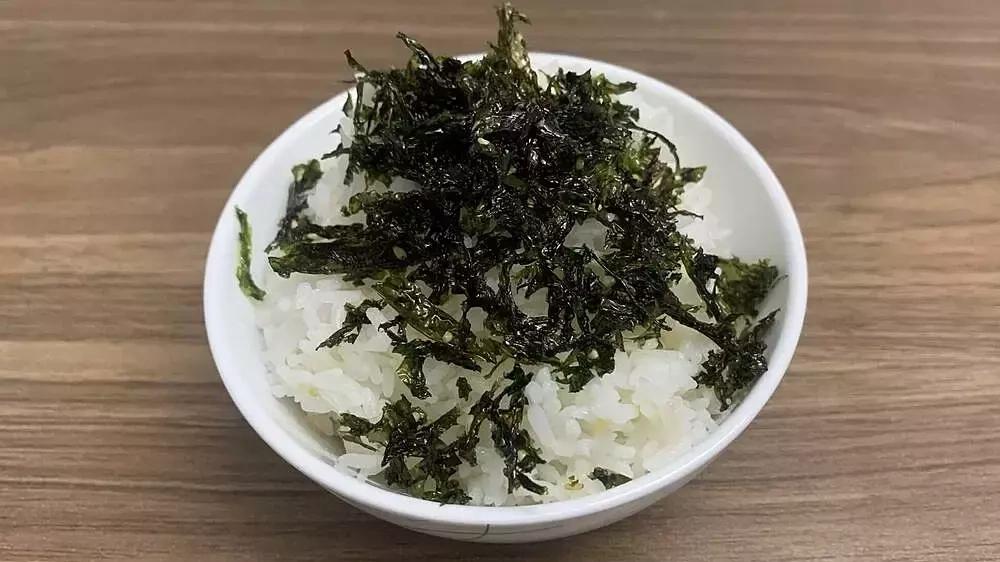
In the early 20th century, the implementation of mandatory salt iodization programs in many developed nations successfully curtailed the prevalence of severe iodine deficiency disorders. However, modern dietary shifts toward low-sodium diets and the consumption of non-iodized sea salt have led to a resurgence of mild-to-moderate deficiency in some populations. Experts recommend an average daily intake of 150 micrograms for healthy adults. While crucial, moderation is vital; excessive iodine supplementation can trigger thyroid-stimulating hormone (TSH) spikes, potentially causing drug-induced hyperthyroidism or exacerbating existing autoimmune thyroiditis. Primary dietary sources include iodized salt, seaweed, dairy products, and eggs.
Selenium: The Metabolic Catalyst
Selenium plays a specialized role as a component of selenoproteins, which are essential for the conversion of T4 into the more active T3 hormone. Without adequate selenium, the body struggles to utilize thyroid hormones effectively, regardless of how much T4 is present. Furthermore, selenium acts as an antioxidant, shielding the thyroid from oxidative damage caused by chronic stress or inflammation.
Studies published in the Journal of Clinical Endocrinology & Metabolism suggest that selenium supplementation can lower thyroid peroxidase (TPO) antibody levels in patients with Hashimoto’s disease. Natural sources include Brazil nuts (which contain exceptionally high levels), yellowfin tuna, shrimp, poultry, and grass-fed beef. For the average individual, a diverse diet usually fulfills the daily requirement, making supplementation unnecessary unless prescribed by a physician.
Zinc and Iron: The Regulatory Co-factors
Zinc and iron are indispensable for the enzymatic processes that drive thyroid hormone production and receptor sensitivity. Deficiency in either mineral often presents as unexplained fatigue, cognitive "brain fog," and a slowed metabolism.
Zinc deficiency is frequently observed in individuals following restrictive plant-based diets that lack proper mineral-rich legumes or nuts. Iron deficiency, often secondary to anemia, complicates thyroid function by interfering with the delivery of oxygen to the thyroid tissue, thereby impairing its efficiency. Nutritional protocols suggest that iron absorption is significantly enhanced when paired with Vitamin C. Consuming iron-rich foods like lean red meats, liver, and dark leafy greens alongside citrus fruits, bell peppers, or strawberries can optimize bioavailability.
Chronology of Thyroid Research and Public Health Policy
The understanding of the thyroid-nutrition axis has evolved significantly over the last century:
- 1920s: Discovery of the link between soil iodine levels, goiter incidence, and cognitive development led to the first large-scale salt iodization projects.
- 1970s-1980s: Research into selenium’s role as an antioxidant began to emerge, highlighting its necessity for T4-to-T3 conversion.
- 2000s: Increased focus on the impact of ultra-processed foods on metabolic health, with longitudinal studies linking high-sugar and high-fat diets to systemic inflammation that impairs endocrine signaling.
- Present Day: Current clinical guidelines emphasize a "food-first" approach, cautioning against the risks of "thyroid-boosting" supplements that lack regulation and may contain unsafe iodine concentrations.
The Role of Protein in Metabolic Homeostasis
Protein provides the essential amino acids required for the synthesis of hormone transport proteins. Without sufficient protein, the body cannot effectively circulate thyroid hormones to the peripheral tissues. Nutritional guidelines for the general population suggest a baseline intake of 0.8 grams of protein per kilogram of body weight per day. However, for those with metabolic disorders, this may need adjustment to maintain lean muscle mass, which is a primary determinant of the resting metabolic rate. Sources such as legumes, wild-caught fish, and lean poultry provide clean, high-quality amino acids without the inflammatory burden associated with highly processed meats.
Impact of Ultra-Processed Foods and Chronic Inflammation
The "Western diet"—characterized by high intakes of refined sugars, trans fats, and sodium—is increasingly scrutinized for its role in secondary thyroid impairment. Ultra-processed foods often lack the trace minerals required for thyroid function and promote systemic inflammation, which can induce "non-thyroidal illness syndrome" (NTIS). In this state, the body reduces the conversion of T4 to T3 as a protective mechanism against severe stress, leading to hypothyroid-like symptoms such as weight gain, cold intolerance, and depression.
Medical experts from institutions like the Mayo Clinic and the Cleveland Clinic advise a return to whole-food, plant-forward diets. Reducing the intake of sugary beverages, commercial baked goods, and deep-fried items is essential to minimizing the inflammatory load on the endocrine system.
Clinical Implications and Future Outlook
The clinical consensus is shifting toward a personalized nutritional approach. While universal iodization remains a success story of public health, the future of thyroid management lies in identifying sub-clinical deficiencies in selenium, zinc, and iron.
Broader implications suggest that as global food systems continue to prioritize convenience over density, the prevalence of metabolic and thyroid-related issues may rise. Policy changes focusing on food quality and the reduction of endocrine-disrupting additives are becoming as important as the historical focus on iodine fortification.
For the average patient, the best path to thyroid health involves a balanced, whole-food diet, regular physical activity to support metabolic health, and proactive screening via blood tests if symptoms such as fatigue or unexplained weight changes persist. By viewing the thyroid not in isolation, but as a system integrated with the entirety of the body’s nutritional status, individuals can better maintain the delicate hormonal balance required for sustained health and energy.