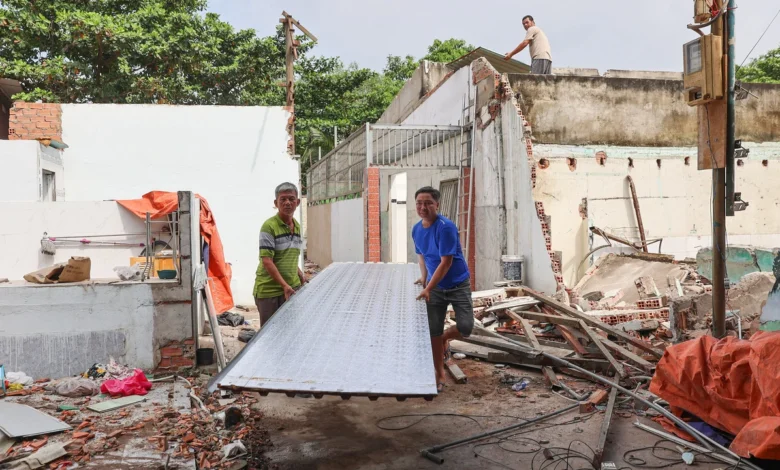
The landscape surrounding the An Phu intersection in Ho Chi Minh City is undergoing a critical transformation as the final residential households on Luong Dinh Cua Street relocate to make way for the city’s most significant infrastructure project. As of early November 2026, the local authorities have successfully secured the vast majority of the land required for the expansion, marking a decisive step toward resolving a decade-long bottleneck that has hindered traffic flow and economic connectivity in the eastern gateway of the metropolis.
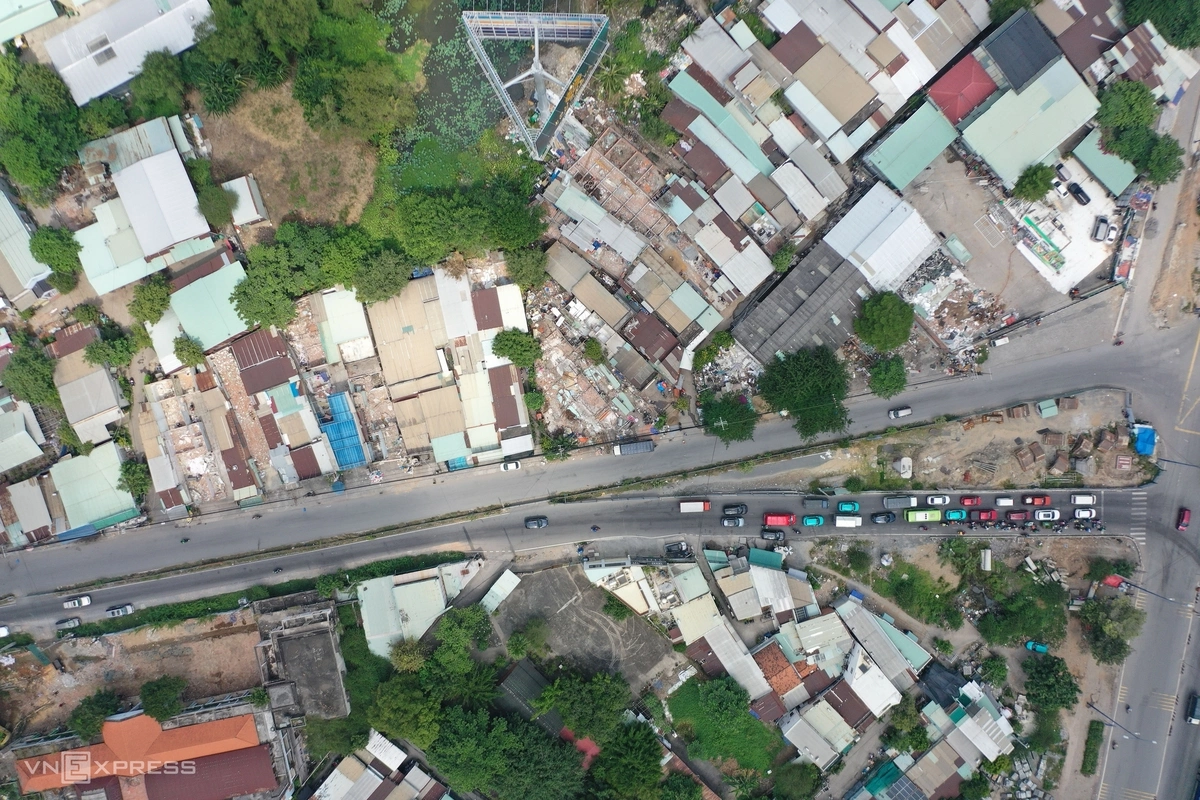
The Strategic Importance of the An Phu Intersection
The An Phu intersection project, which broke ground in 2022 with a total investment of over 3.4 trillion VND, is designed as a three-level multi-modal transit hub. It serves as the primary connection point between the Ho Chi Minh City – Long Thanh – Dau Giay Expressway, Mai Chi Tho Avenue, and the inner-city arteries of Thu Duc City.

For years, the area has been notorious for severe traffic congestion, particularly during peak hours, as heavy freight vehicles heading to the Cat Lai Port converge with commuter traffic. The project aims to integrate underpasses and multiple flyovers to separate different traffic streams, effectively alleviating the chronic gridlock that has plagued the region for over a decade. The completion of this project is widely viewed by urban planners as a prerequisite for the full operational efficiency of the expressway network and the broader development of the eastern urban zone.
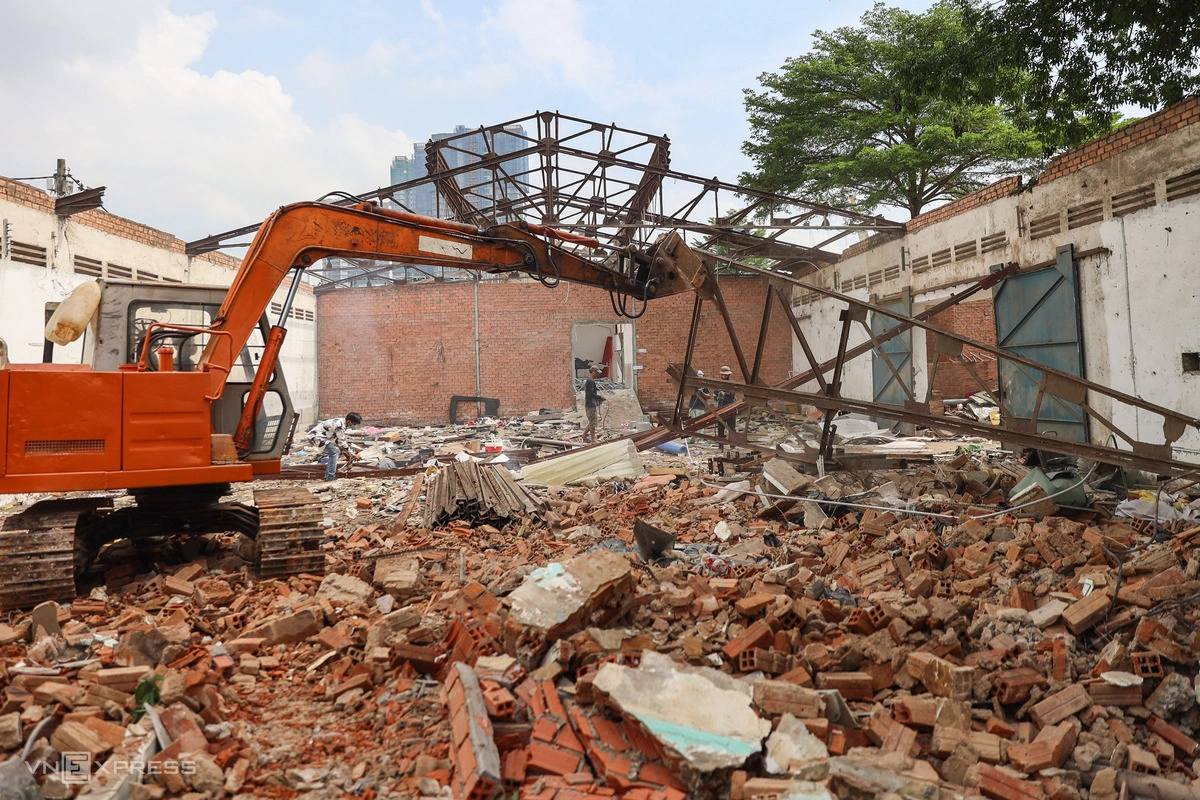
Chronology of the Land Acquisition Effort
The expansion of Luong Dinh Cua Street has been a protracted endeavor, dating back to its initiation in 2015. Initially budgeted at approximately 826 billion VND, the road expansion faced significant delays primarily due to land clearance challenges. The section between Nguyen Hoang and Mai Chi Tho streets became a major point of contention, effectively turning the route into a "bottleneck" where the road narrowed significantly compared to the already completed segments.
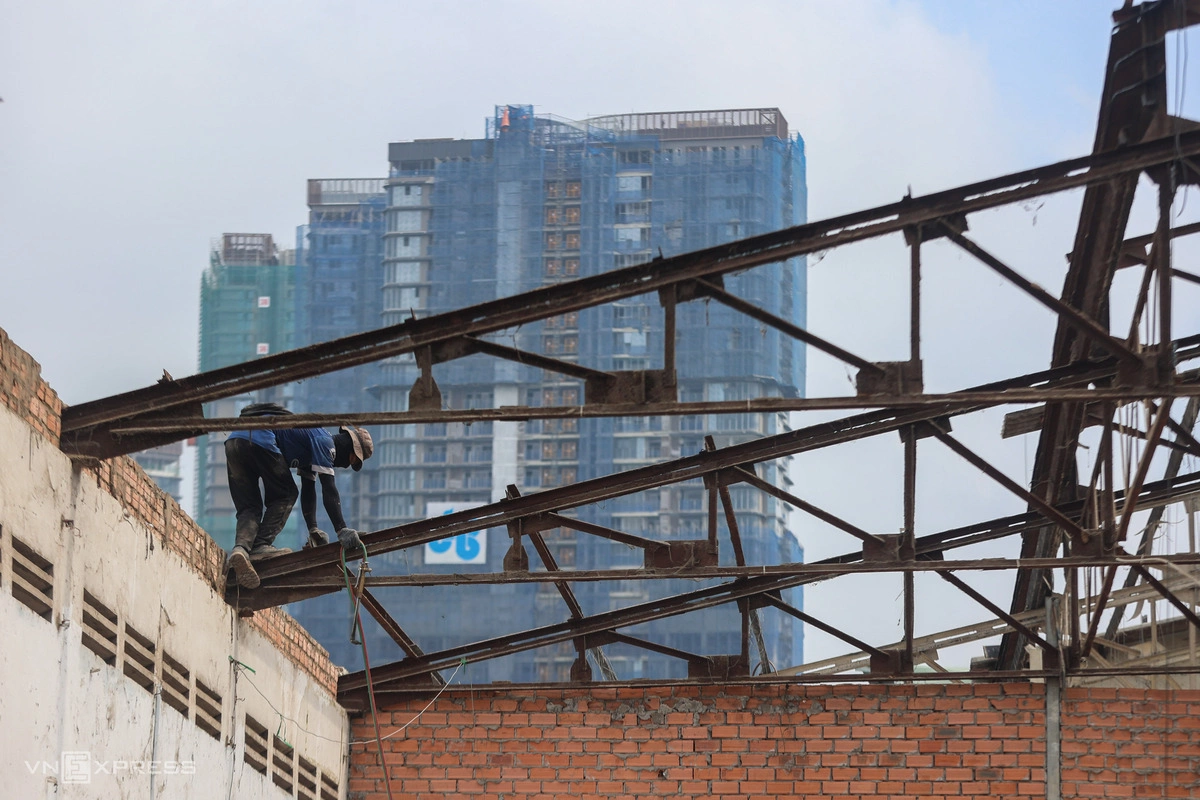
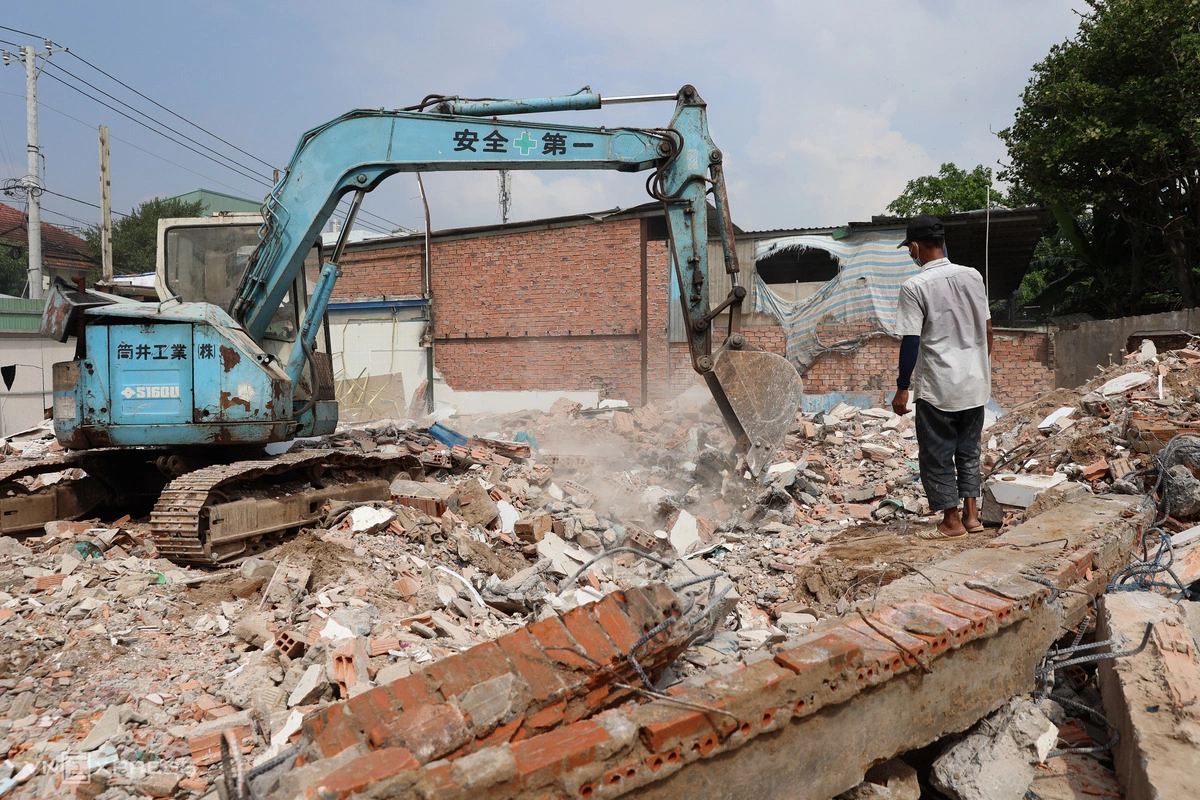
By the end of October 2026, the management board of the Binh Trung Road construction project reported that 54 out of the 67 affected households had signed compensation agreements and handed over their land. This mass clearance, covering nearly 13,000 square meters, represents the final hurdle in the land acquisition phase. The remaining households are now in the final stages of the relocation process, with machinery actively dismantling structures to ensure the site is cleared for the contractors to commence bridge construction.

Economic Impact and Compensation Framework
The compensation strategy for the 67 affected households and organizations has been one of the most complex aspects of the project, with total expenditures exceeding 1.8 trillion VND. The valuation of the land was meticulously determined based on its specific classification—ranging from residential plots to agricultural land and canal-side zones.
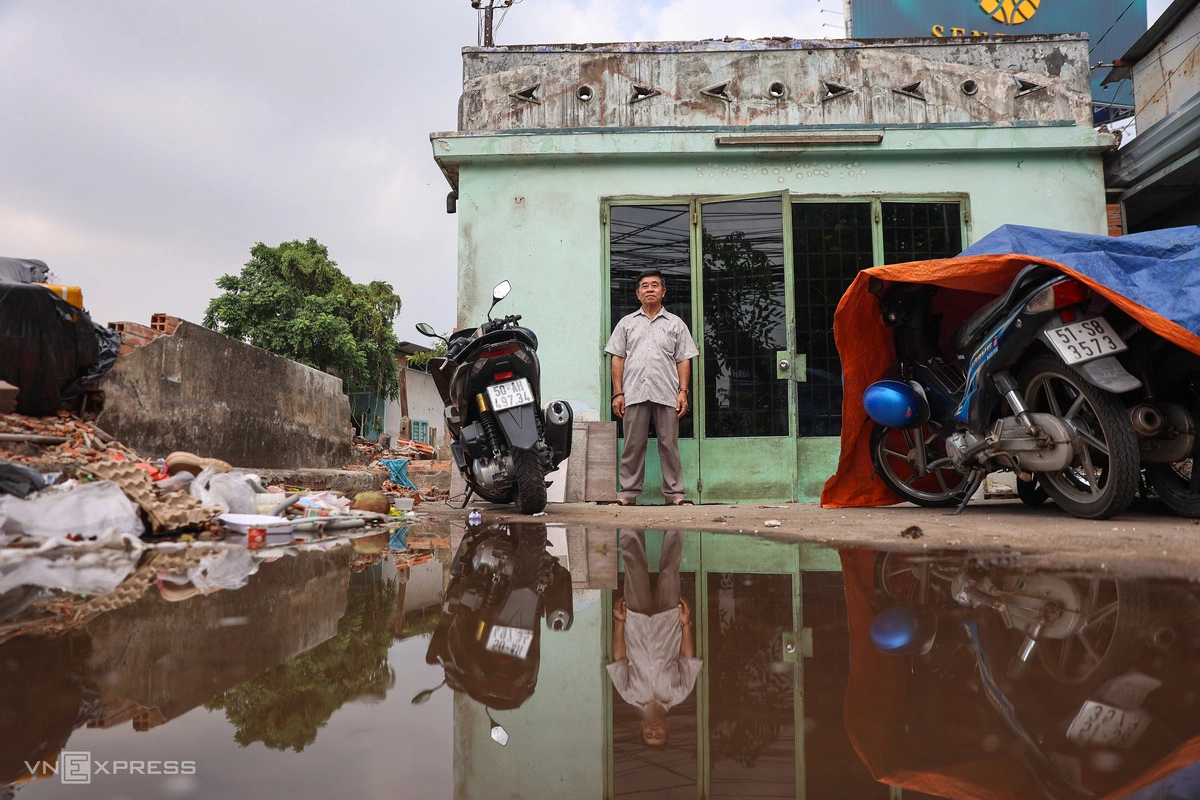
The highest compensation rates were applied to land parcels facing the frontages of Luong Dinh Cua and Mai Chi Tho streets, reaching over 170 million VND per square meter. Residents, such as 72-year-old Nguyen Van Thoai, who has lived in the area for over half a century, have expressed a mix of nostalgia and relief. Mr. Thoai noted that while leaving a family home of 200 square meters is difficult, the chronic flooding and traffic congestion in the area have made the project a necessary evolution for the city. Families are receiving both financial compensation and assistance in resettlement, ensuring that the transition is managed with legal and social oversight.
Technical Challenges and Construction Progress
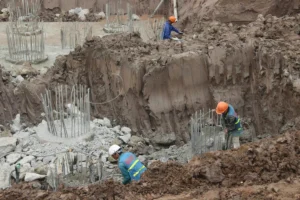
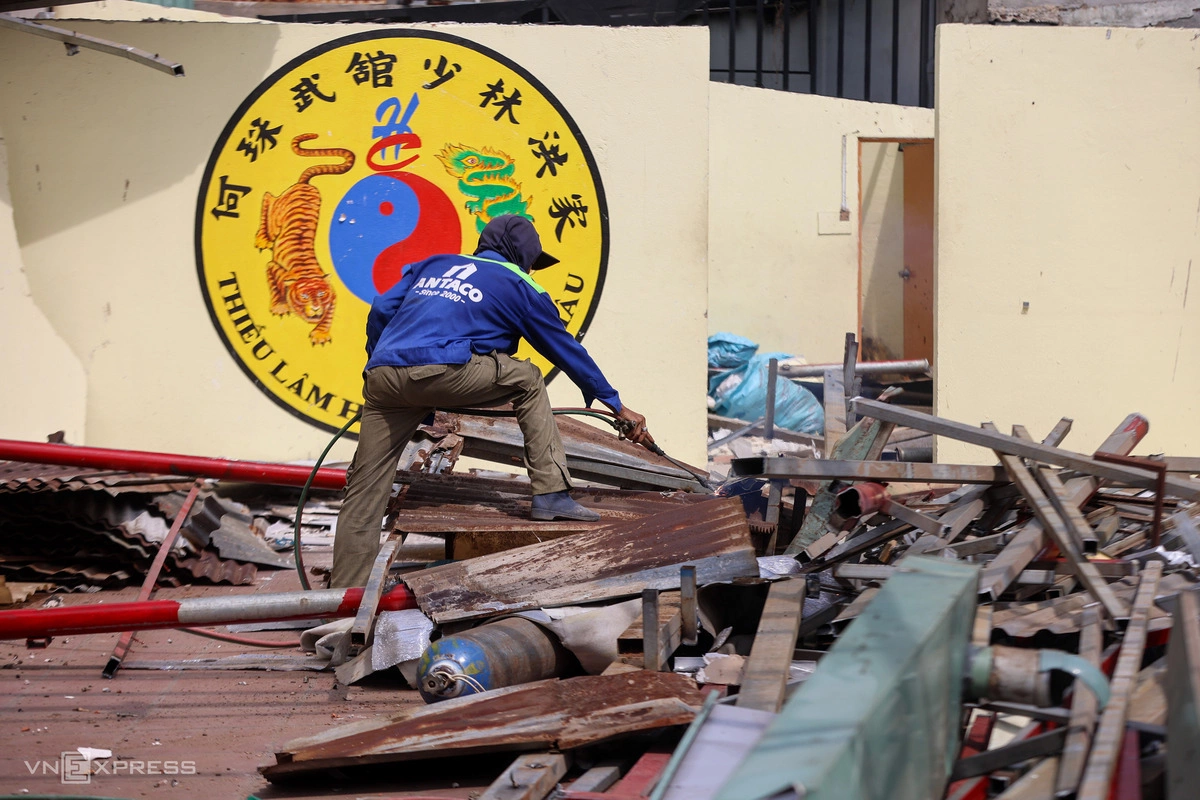
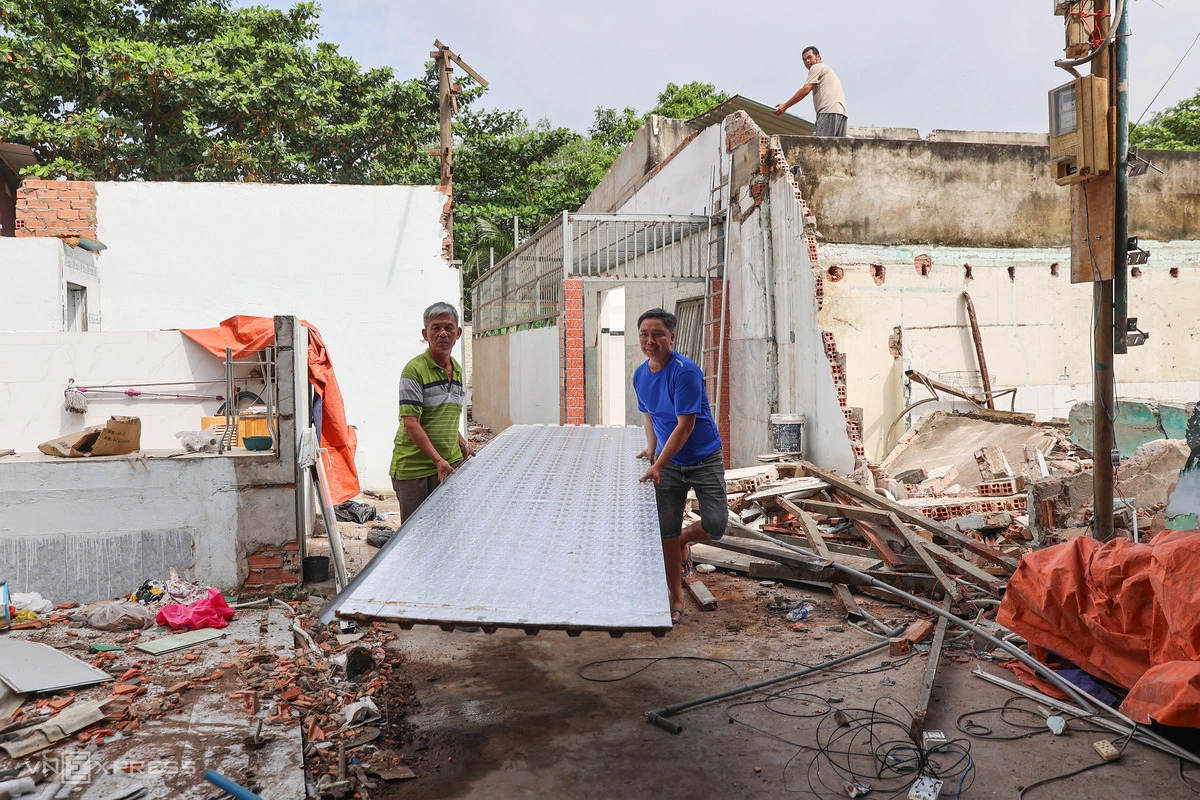
The physical removal of these structures is a delicate operation. Construction crews are currently focused on dismantling roofs, steel frameworks, and masonry, working in tandem with the relocated residents to clear debris rapidly. For many homeowners, the demolition phase takes only a few days once the legal documentation is finalized and keys are surrendered.
The integration of these newly cleared plots into the construction site will allow for the rapid expansion of the approach bridges connecting Luong Dinh Cua Street to the expressway. The project management board has indicated that once the remaining land is fully under their control, contractors will be able to accelerate the construction of the remaining segments, with a target completion date set for the second quarter of 2027.
Implications for Urban Development
The completion of the An Phu intersection is set to have profound implications for Ho Chi Minh City’s logistics and transport infrastructure. By providing a seamless connection between the city’s primary highway and its dense urban districts, the project is expected to:

- Reduce Logistics Costs: Faster transit times for goods vehicles heading to and from Cat Lai Port will reduce fuel consumption and wear and tear on vehicles.
- Improve Commuter Quality of Life: Residents in the Thu Duc area will experience reduced transit times to the city center, mitigating the daily stress of peak-hour congestion.
- Boost Real Estate and Commercial Value: The improved connectivity is expected to stimulate further investment in commercial and residential developments along the upgraded corridors of Luong Dinh Cua and Mai Chi Tho.
However, the project also serves as a case study in the challenges of urban renewal in a high-density environment. The decade-long delay in the Luong Dinh Cua expansion highlights the importance of transparent communication and equitable compensation in maintaining public support for large-scale infrastructure projects. As the city continues to expand, the lessons learned from the An Phu site—specifically regarding the balance between private property rights and the public interest—will likely inform future land acquisition policies.

Looking Ahead: The 2027 Milestone
With the removal of the final "bottlenecks" on Luong Dinh Cua, the project enters its final, most intensive phase of construction. The upcoming months will see the visible transformation of the site from a congested residential-commercial mix into a modern, multi-tiered transit facility.
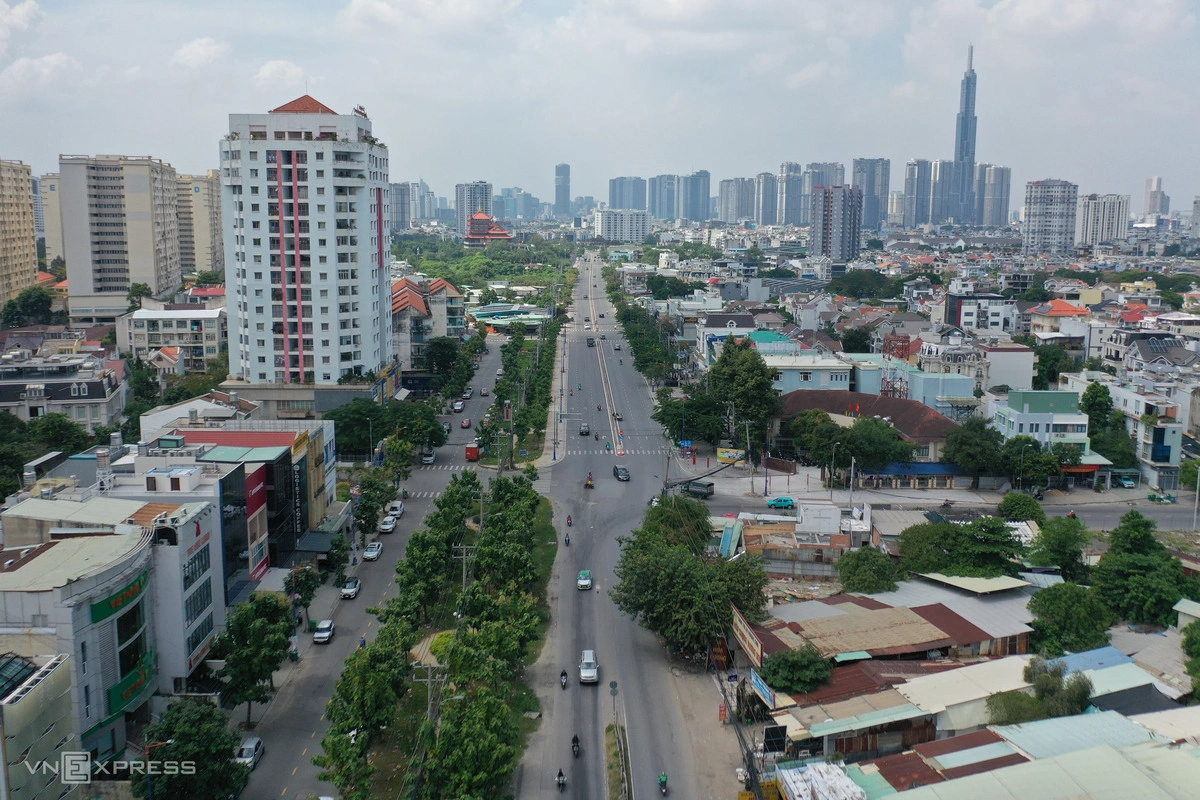
Local authorities and the project management board remain committed to the Q2 2027 deadline. This timeline is critical, as it aligns with the broader infrastructure development plans for the city, including the anticipated growth in cargo volume and population density in the eastern sectors. As the last remnants of the old residential structures vanish, the focus of the city shifts from the difficulties of the past decade to the promise of a more connected, efficient urban future. The successful conclusion of this land clearance phase is not merely an administrative success; it is a vital milestone in the ongoing efforts to modernize Ho Chi Minh City’s transport backbone.