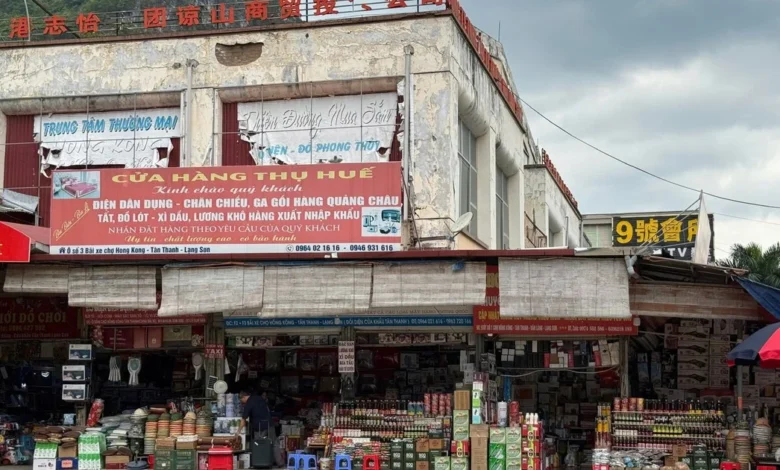
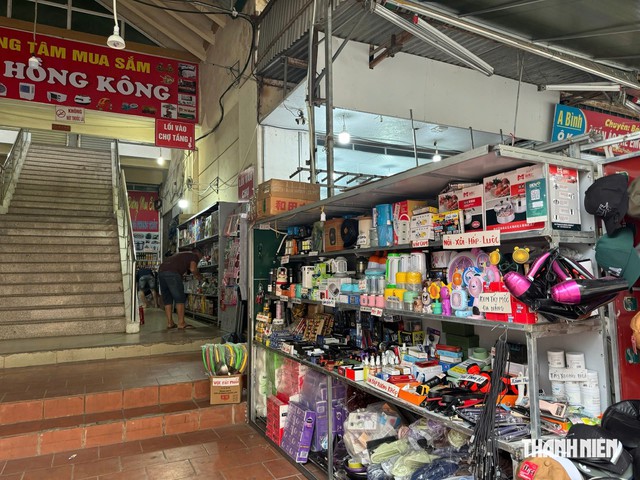
The Border Gate Economic Zone of Lang Son, particularly the Tan Thanh-Po Chai area, has historically been a critical artery for trade and tourism between Vietnam and China. For decades, the Tan Thanh market was synonymous with cross-border commerce, attracting a steady stream of traders and tourists seeking an array of goods from both sides of the border. However, recent years have seen a dramatic shift, leaving many stalls shuttered and the once-thriving thoroughfares eerily quiet.
The Echoes of a Bygone Era: Tan Thanh’s Golden Age
In its prime, the Tan Thanh market was a spectacle of commercial dynamism. Mornings at the Tan Thanh border gate itself remain busy, with long queues of cargo trucks and people navigating customs procedures for cross-border trade. This activity, however, now stands in stark contrast to the scene within the market, which was once affectionately dubbed the "shopping paradise" of the border region.
Long-time vendors vividly recall the market’s heyday. Back then, from early morning, the market alleys would be packed with customers, making it challenging for vendors to even find time for lunch. Tour buses would line up, bringing throngs of visitors from Hanoi, Hai Phong, Quang Ninh, Bac Giang, and other northern provinces, all eager to explore the diverse offerings. Goods, ranging from clothing and handbags to household items, would arrive and be snapped up almost immediately. "There were days when we couldn’t even stop for lunch," shared Ms. Nguyen Thi Thu, a veteran vendor at the market. "Goods would just arrive, and customers were already waiting. A small stall would need several people – one to arrange goods, one to calculate, one to pack."
During this flourishing period, a prime market stall was considered a significant asset, a highly coveted piece of real estate. Demand for these spots was so high that prospective tenants often had to wait for openings or pay exorbitant rents. Many families, drawn by the promise of prosperity, moved from other regions to Tan Thanh, rented stalls, and established their lives around the market’s rhythm, dedicating years, if not decades, to cross-border trade. The entire ecosystem of the border gate region revolved around this bustling activity, with restaurants, guesthouses, parking lots, and cargo transportation services all operating at full throttle, fueled by the relentless flow of customers and goods.
The Impact of Global Shifts: Pandemic and Digitalization
The vibrant energy of Tan Thanh began to wane with the advent of global disruptions, most notably the COVID-19 pandemic. Years of restricted border crossings and stringent health protocols significantly curtailed the movement of people and goods, severing the lifeline of many border economies. The market, heavily reliant on direct physical interaction and cross-border tourism, was particularly vulnerable.
The pandemic-induced slowdown was exacerbated by another powerful force: the rapid rise of e-commerce. As consumers worldwide shifted their purchasing habits online, the convenience, variety, and competitive pricing offered by digital platforms began to challenge traditional brick-and-mortar retail. Products that once necessitated a trip to Tan Thanh could now be easily found on various e-commerce platforms with just a few taps on a smartphone, delivered directly to one’s doorstep. This fundamental change in consumer behavior presented an unprecedented challenge to the traditional market model, making it difficult for vendors to compete.
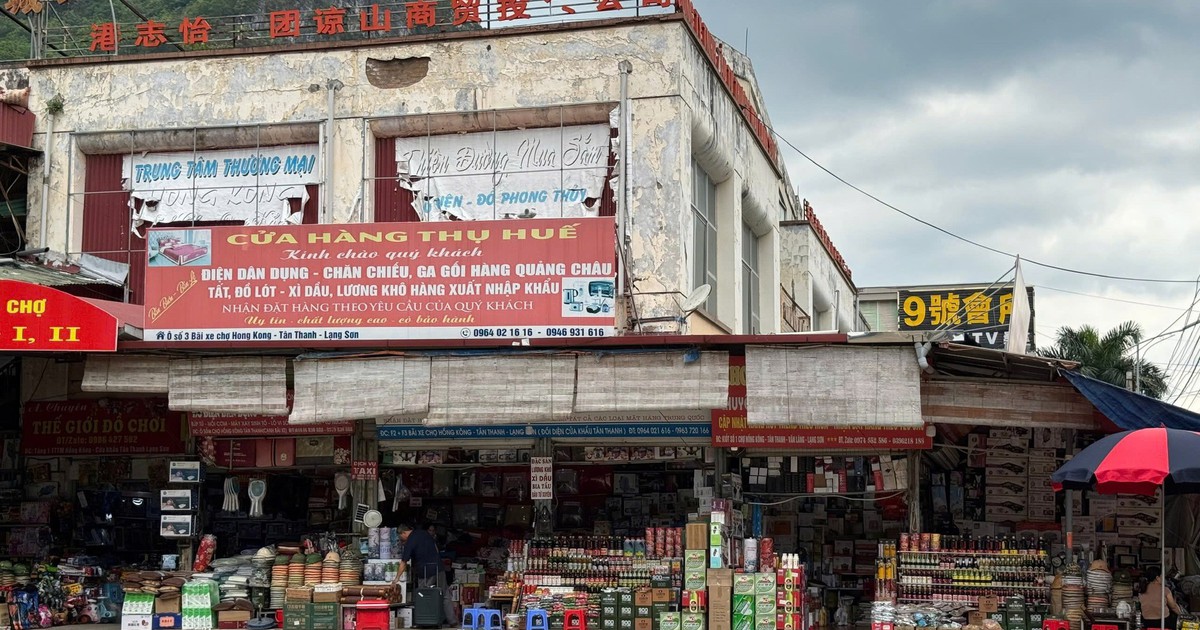
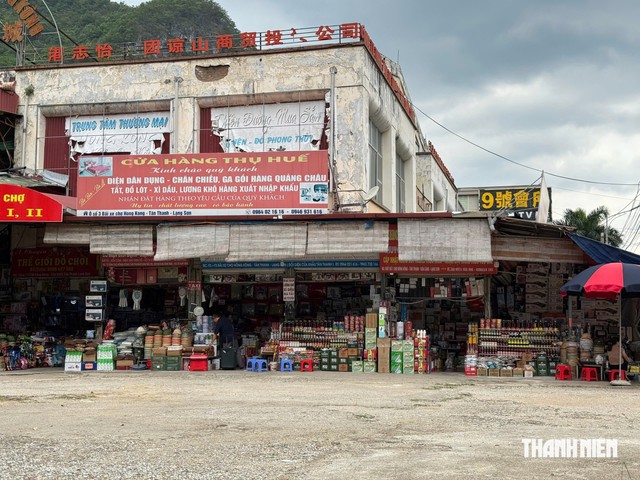
Consequently, the market saw a drastic reduction in foot traffic. Many stalls, once teeming with merchandise, were forced to close their doors. Some vendors only partially opened their shutters, displaying a sparse selection of goods. The once-constant chorus of invitations and greetings from sellers became sporadic, only breaking the silence when a rare group of visitors paused to inquire about prices. "Now, there are days when we don’t even bother to open," Ms. Thu lamented, reflecting the profound shift from frantic activity to quiet despair.
Vendors on the Brink: Stories of Resilience and Adaptation
The decline of Tan Thanh has forced its remaining vendors into a difficult position, prompting a mix of resilience and despair. While some have left the market entirely to seek new livelihoods, others are desperately trying to adapt to the changing landscape. Some have embraced online sales, setting up virtual storefronts or conducting live streams directly from their physical stalls, hoping to reach a broader customer base beyond the immediate border region. Others have repurposed their stalls, transforming them into mere storage spaces for goods, waiting for an elusive turnaround.
For these resilient few, the market is more than just a place of business; it is a way of life, a repository of memories, and a testament to years of dedication. Despite the dwindling customer numbers, they continue to open their doors each morning, driven by a deep-seated hope and the knowledge that the market represents a significant portion of their lives and their community’s history. Their struggle highlights the broader social impact of economic transformation, where individuals must navigate profound changes to their traditional livelihoods.
A Vision for the Future: Lang Son’s Revitalization Plan
Recognizing the critical need to revive this vital border economic zone, the provincial authorities of Lang Son have initiated an ambitious plan for transformation. In early June 2026, the Lang Son Provincial People’s Committee approved a comprehensive master plan and architectural design for the Tan Thanh-Po Chai Commercial and Tourism Cooperation Zone. This strategic initiative aims to inject new life into the region, moving beyond its traditional market model.
Mr. Nguyen Quoc Toan, Director of the Management Board of the Dong Dang – Lang Son Border Gate Economic Zone, outlined the plan’s vision. The project encompasses approximately 70.67 hectares and is structured into four key functional sub-zones:
- Commercial – Border Market Zone: To modernize and enhance trade infrastructure.
- Service – Tourism Zone: To develop diverse tourism products and services.
- Culture – Ethnic Exchange Zone: To preserve and promote local cultural heritage and foster cross-cultural interactions.
- Renovation and Urban Embellishment Zone: To upgrade existing urban infrastructure and create distinctive streetscapes.
The overarching goal is to transform Tan Thanh into a modern, green, clean, and civilized border center. The plan aims to attract a stable flow of visitors, develop unique tourism products, and create approximately 1,000 jobs for local residents. The estimated total investment for several key projects within this initiative is approximately 1,450 billion VND (roughly 60 million USD). Funding is projected to come from a diverse range of sources, including the state budget, socialized capital, Vietnamese-Chinese enterprises, private investors, and various public-private partnership models.
Key Pillars of Transformation: A Phased Approach
The revitalization effort is structured into three distinct phases:
-
Phase 1 (2026 – 2028): Foundation Building
- This initial phase will focus on completing the detailed planning, land acquisition, and preparation.
- Crucially, it involves the construction of the foundational infrastructure system, including roads, utilities, and essential public services, to support the subsequent development.
-
Phase 2 (2029 – 2031): Core Development and Operation
- During this period, key functional zones, particularly the commercial and service hubs, are expected to receive significant investment.
- The aim is to bring these core areas into operation, gradually re-establishing economic activity and attracting businesses and visitors.
-
Phase 3 (By 2035): Full Modernization and Smart Border Gate Model
- The final phase targets the complete realization of the vision, transforming Tan Thanh into a fully integrated "smart border gate" model. This implies leveraging technology for streamlined customs, logistics, and visitor experiences, ensuring efficiency and modernity across all operations.
Challenges and Opportunities on the Road Ahead
While the revitalization plan offers a beacon of hope, its implementation is not without challenges. The traditional market’s decline underscores the need for a radical shift in strategy, moving beyond simply selling goods to offering comprehensive experiences. The new Tan Thanh will need to differentiate itself not only from the convenience of e-commerce but also from other border markets. This requires innovative approaches to product curation, customer service, and the integration of cultural and tourism elements.
The current situation, where people and goods still transit through the border gate but bypass the market, highlights a disconnect. Modernized customs processes and dedicated transport routes, while efficient for logistics, have inadvertently reduced the interaction between cross-border travelers and local market vendors. The new plan must actively seek to re-integrate these flows, creating incentives for visitors to linger, explore, and engage with the local economy. This could involve developing attractive rest areas, diverse dining options, and unique experiential offerings that go beyond mere shopping.
Broader Regional Significance
The success of the Tan Thanh-Po Chai Cooperation Zone is crucial not only for Lang Son province but also for the broader Vietnam-China trade corridor. Lang Son, strategically located, serves as a gateway for significant bilateral trade. A revitalized Tan Thanh could serve as a model for other border economic zones in adapting to modern trade dynamics and diversifying their economic base. It could strengthen Vietnam’s position as a key trading partner for China, facilitating smoother logistics and fostering greater economic integration.
Ultimately, the transformation of Tan Thanh represents a critical juncture for border trade in Vietnam. "Once completed, the Tan Thanh-Po Chai cooperation zone is expected to create new momentum for Lang Son’s border economy, expand livelihood opportunities for local people, and elevate Tan Thanh’s role in the Vietnam-China trade corridor," stated Mr. Toan. The journey from a traditional shopping paradise to a modern, smart, and diversified economic hub will be complex, but the vision outlines a path forward, blending the rich history of cross-border commerce with the demands of the 21st century.
Related posts: