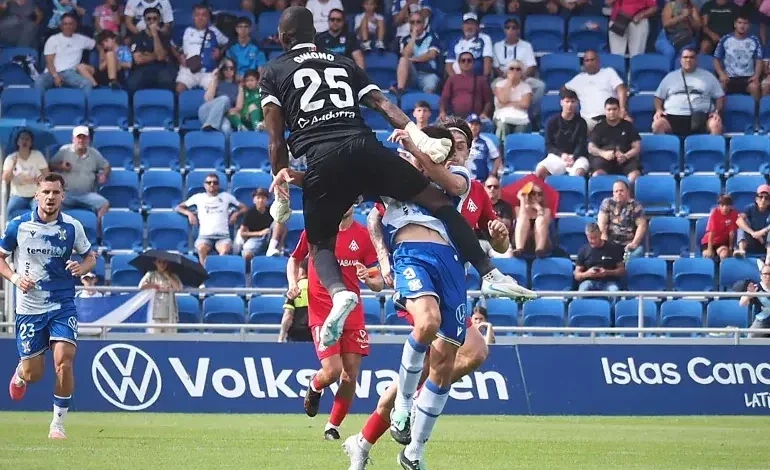
Spanish authorities have launched a formal judicial inquiry into the tragic death of professional footballer Jesus de Miguel, who passed away following a collision with Andorra goalkeeper Jesus Owono. The investigation, which is being handled by the High Court of the Canary Islands, seeks to determine whether the circumstances surrounding the fatal incident constitute criminal negligence or involuntary manslaughter.
The incident, which occurred during a Segunda División match on November 2, 2026, at the Heliodoro Rodríguez López stadium, has sent shockwaves through the Spanish sporting community. De Miguel, a 30-year-old forward, suffered a sudden cardiac arrest shortly after a high-impact collision with Owono during the dying minutes of the match. Despite emergency medical intervention on the pitch and subsequent efforts by medical staff in the ambulance, he was pronounced dead the following morning.
Chronology of the Fatal Incident
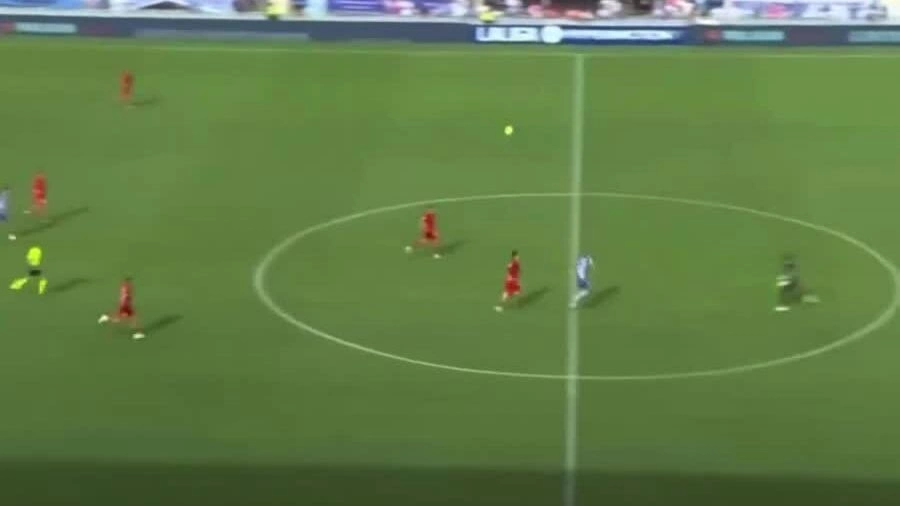
The sequence of events leading to the tragedy began in the 97th minute of the match between Tenerife and Andorra. With the scoreline hanging in the balance, a long ball was played into the path of De Miguel, who was breaking through the center of the pitch. Jesus Owono, acting in his capacity as the Andorra goalkeeper, rushed out of his penalty area to intercept the attack.
Video evidence and match reports indicate that Owono committed to the challenge with significant force. As the two players collided, Owono’s knee made direct, high-velocity contact with De Miguel’s chest. The impact caused immediate physical distress to the forward, who collapsed onto the turf. Match referee Manuel Angel Perez Hernandez immediately stopped play and signaled for urgent medical assistance.
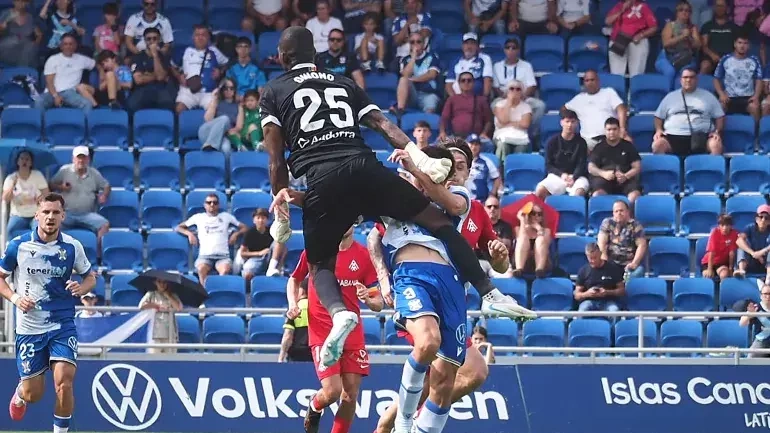
The match report noted that De Miguel briefly lost consciousness on the field. Although he appeared to show faint signs of life as he was stabilized by medical professionals and transported to the hospital, his condition deteriorated rapidly. By 8:00 AM the following morning, officials confirmed that the player had succumbed to his injuries.
The Judicial and Sporting Inquiry
The legal nature of this case is complex, as it sits at the intersection of sporting discipline and criminal law. Under Spanish jurisdiction, deaths occurring without a clear natural cause are categorized as "judicial deaths," necessitating a formal investigation to rule out foul play, negligence, or accidental death.
According to reports from the Spanish newspaper El Pais, the police have established a file regarding the potential charge of "involuntary manslaughter" against Owono. This development has triggered two distinct streams of inquiry: one governed by the Royal Spanish Football Federation (RFEF) and the other by the Spanish judicial system.
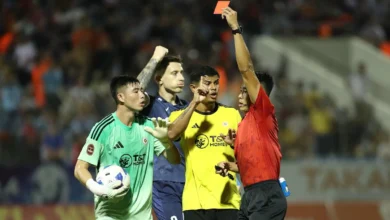
From a sporting perspective, the Disciplinary Committee of the RFEF is reviewing the official match report. Referee Perez Hernandez documented that Owono was sent off for a "violent challenge with feet raised high," which resulted in the collision. Under Article 102 of the Disciplinary Code, Owono faces a potential suspension of up to 12 matches. The committee’s final decision, expected by November 4, will be based on the referee’s notes and supplementary video analysis.
Legal Implications and Precedent
The criminal investigation is far more unprecedented. Spanish legal experts note that there is very little precedent for prosecuting a professional athlete for a collision that occurred during a standard competitive match.
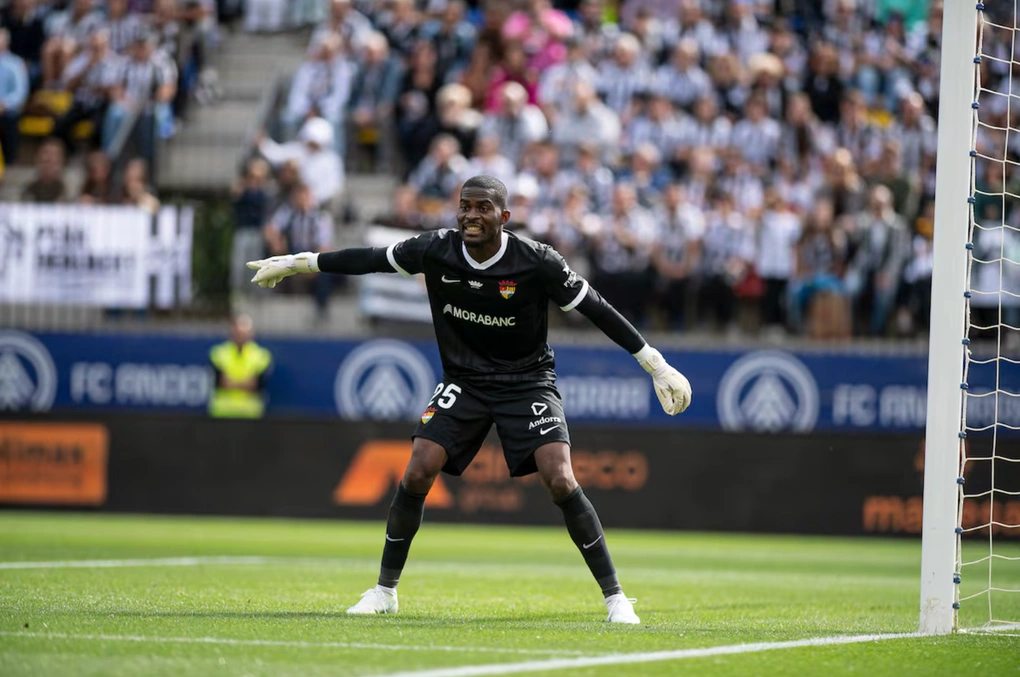
Blanca Alguacil, a criminal law specialist at the Alguacil Rojo Abogados firm in Madrid, explained to Marca that the threshold for criminal liability in sports is extremely high. "In criminal law, we cannot simply infer the existence of a crime based on the severity of the outcome," Alguacil stated. "The authorities must prove that the athlete acted with gross negligence or willful disregard for the safety of others. Until that is established, all legal conclusions are premature."
The investigation is focused on whether Owono breached the duty of care expected of a professional athlete. Spanish Penal Code Article 142 differentiates between involuntary manslaughter due to "serious negligence" and "less serious negligence." The former can carry prison sentences of one to four years, while the latter, which is currently the focus of the police inquiry, carries a monetary penalty based on a daily fine scale for a period of three to 18 months.
Contextualizing the Duty of Care in Sport
For a conviction to be sustained, the prosecution must demonstrate that Owono’s actions were reckless and outside the scope of what is considered normal, albeit aggressive, play in football. The court will need to weigh several factors:
- Technical Deviation: Did the goalkeeper’s movement deviate significantly from accepted goalkeeping techniques?
- Intent and Awareness: Was there a clear intent to harm, or was the collision a byproduct of an attempt to win the ball?
- Causality: Is there a direct and undeniable link between the specific physical impact of the challenge and the subsequent cardiac event that led to De Miguel’s death?
The medical examiner’s report, which will likely be submitted in the coming weeks, will be the most critical piece of evidence. It will clarify if the collision caused a structural trauma that triggered the cardiac arrest, or if there were underlying, undiagnosed health issues that were exacerbated by the physical impact.
Responses and Impact
The atmosphere surrounding both clubs has been one of profound grief. Reports from the local Andorra newspaper, Diari d’Andorra, indicate that Owono has been deeply affected by the incident. Sources close to the team reported that the goalkeeper was inconsolable in the dressing room following the match and has remained in a state of psychological distress since learning of De Miguel’s passing.
Tenerife, the club for which De Miguel played, has yet to issue a statement regarding the ongoing judicial process, focusing instead on honoring the memory of their player. The broader football community in Spain has expressed solidarity, with several clubs observing moments of silence during recent fixtures.
The case of Jesus de Miguel raises significant questions regarding player safety and the liability of athletes in contact sports. While the sport inherently involves physical risks, the legal system’s intervention signals a potential shift in how "on-field conduct" is viewed when it results in fatal outcomes.
Future Outlook
As the investigation progresses, the focus will remain on the intersection of the RFEF disciplinary rulings and the High Court’s findings. If the court finds evidence of criminal negligence, it could set a landmark legal precedent in Spanish sports law, potentially leading to stricter guidelines regarding physical challenges and player accountability.
However, legal experts caution that the burden of proof is substantial. The primary objective for investigators remains the collection of objective evidence—including forensic data, expert testimonies on tactical football maneuvers, and comprehensive medical reviews—to ensure that justice is served while maintaining the integrity of professional sports.
For now, the sporting world waits as the authorities in the Canary Islands continue their work. The loss of Jesus de Miguel is not only a tragedy for his family and teammates but a defining moment for the sport in Spain, as the country grapples with how to reconcile the competitive intensity of professional football with the fundamental right to safety and the necessity of accountability.
Related posts: