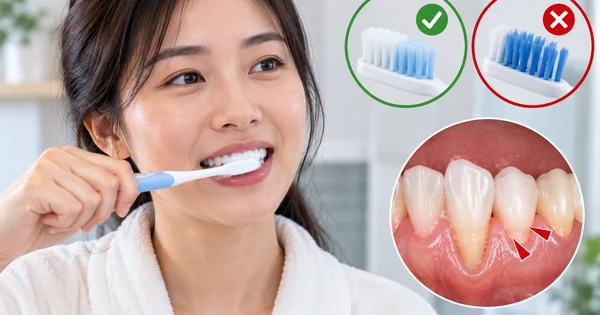
Daily oral hygiene is the cornerstone of preventative medicine, yet recent clinical research suggests that millions of individuals may be inadvertently compromising their dental health through improper brushing techniques. According to a 2025 assessment published in the journal Healthcare, even the most diligent brushers can cause irreversible structural damage to tooth enamel and soft tissue if they rely on flawed methods. While the intent is to remove plaque and prevent decay, the physical act of brushing is a delicate balance of pressure, timing, and technique. Failure to adhere to professional dental standards can lead to gingival recession, increased sensitivity, and the erosion of the protective outer layer of the teeth.
The Evolution of Dental Hygiene Standards
The history of toothbrushes dates back thousands of years, but the modern electric and manual iterations we use today are products of 20th-century engineering. Throughout the last few decades, the dental community has transitioned from a "harder is better" approach—which favored stiff bristles and aggressive scrubbing—to a more nuanced understanding of biological preservation.
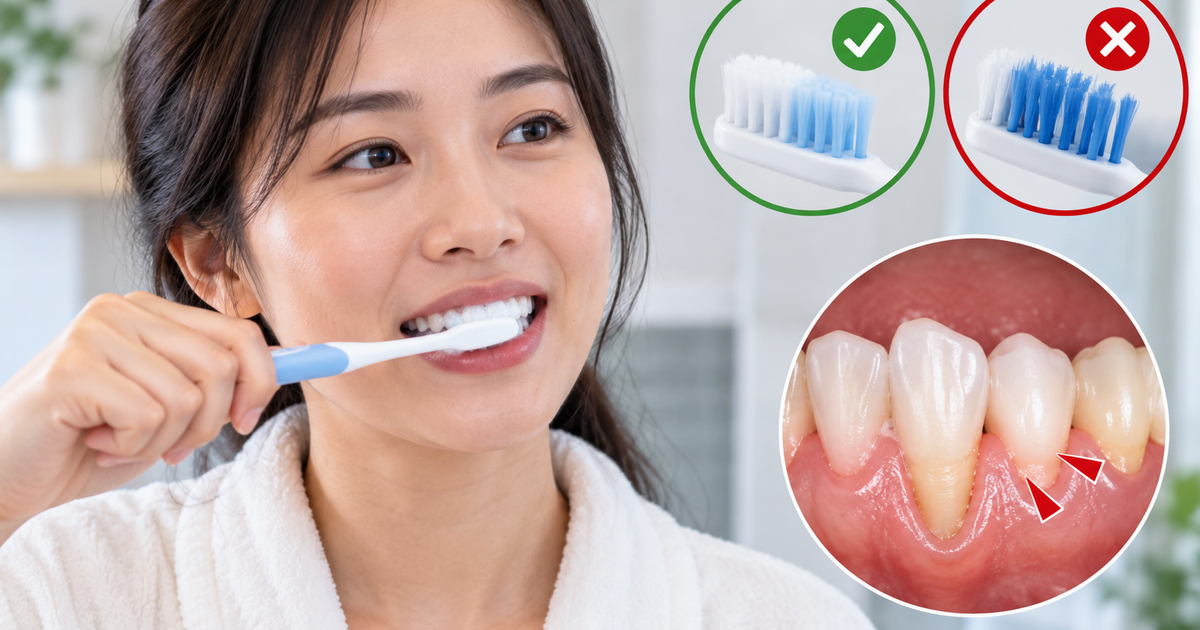
Data from the American Dental Association (ADA) indicates that aggressive brushing, often referred to as "toothbrush abrasion," is a leading cause of non-carious cervical lesions (NCCLs). These are the small, wedge-shaped notches that appear at the gum line. Once the enamel is worn away and the underlying dentin is exposed, the tooth becomes hypersensitive to temperature changes and more susceptible to cavities. This shift in professional consensus emphasizes that the goal is not to "scour" the tooth surface but to disrupt the bacterial biofilm known as plaque.
Analyzing the Six Critical Errors
According to expert insights provided by practitioners such as Dr. Arthur Glosman and Dr. Jessica August, the following six errors are the most frequent culprits behind compromised oral health.
1. Excessive Brushing Pressure
The most common mistake is applying too much force. Many people equate vigorous scrubbing with superior cleaning, but the human enamel is susceptible to mechanical wear. Dr. Glosman notes that when bristles are splayed or flattened within just a few weeks of use, it is a definitive sign that the user is applying too much pressure. Over time, this mechanical trauma causes the gums to pull away from the tooth, exposing the sensitive roots.
2. Excessive Use of Fluoride Toothpaste
There is a prevailing misconception that using a generous "mound" of toothpaste leads to a cleaner mouth. In reality, modern dental formulations are highly concentrated. Using too much toothpaste creates an overabundance of foam, which triggers the gag reflex and causes people to spit prematurely. This reduces the contact time between the fluoride—the primary agent for remineralizing enamel—and the tooth surface. A pea-sized amount is the established recommendation for adults to ensure efficacy without waste.
3. Brushing Immediately After Consuming Acidic Substances
A significant timing error involves brushing immediately after eating or drinking acidic items, such as coffee, citrus fruits, or soda. Acid temporarily softens the enamel, putting it in a vulnerable, demineralized state. Brushing during this window acts like sandpaper on the softened surface. Dental professionals recommend waiting 30 to 60 minutes after acidic consumption to allow the saliva to neutralize the pH balance and naturally remineralize the enamel. In the interim, rinsing with water is a safe and effective way to clear debris.
4. Insufficient Duration
The International Journal of Dental Hygiene has frequently published findings showing that the average person brushes for less than 90 seconds. The gold standard set by the global dental community remains a full two minutes. Short-changing this time means that the chemical and physical processes required to break down plaque and allow fluoride to bind to the teeth are interrupted.
5. Neglecting Posterior Teeth
The molars located at the back of the mouth are the most difficult to reach and, consequently, the most frequently neglected. These teeth possess complex grooves and fissures where food particles and bacteria thrive. Because they are out of sight, they are often excluded from a thorough cleaning regimen. Dentists suggest a "quadrant system"—mentally dividing the mouth into four sections and dedicating 30 seconds to each—to ensure that the back surfaces receive the same level of care as the front incisors.
6. Ignoring the Gingival Margin
The junction where the tooth meets the gum, known as the gingival margin, is where the most dangerous plaque accumulates. If this area is not cleaned, it acts as a reservoir for bacteria that cause gingivitis and periodontal disease. The correct technique involves angling the brush at a 45-degree angle toward the gum line and using gentle, circular or vibrating motions. Horizontal "sawing" motions are discouraged as they are the primary driver of gum recession and enamel abrasion.
Clinical Implications and Long-term Health
The implications of these habits extend beyond simple tooth sensitivity. Persistent improper brushing creates a feedback loop: a patient feels sensitivity, assumes they need to "clean better," and brushes even harder, thereby worsening the underlying condition.
The relationship between oral health and systemic health is well-documented. Chronic inflammation in the gums, often exacerbated by poor brushing habits, has been linked to various systemic conditions, including cardiovascular disease and diabetes. By correcting these six fundamental errors, patients can significantly reduce their risk of requiring expensive restorative procedures like fillings, root canals, or gum grafting.
Expert Recommendations for Daily Routine
To optimize oral hygiene, experts recommend a standardized approach:
- Equipment: Use a soft-bristled brush, which is equally effective at plaque removal as a hard brush but significantly gentler on soft tissue.
- Technique: Utilize an electric toothbrush with a pressure sensor if possible, as these devices are engineered to alert the user when too much force is applied.
- Patience: Follow the two-minute rule, using a timer or an app to ensure consistency.
- Consistency: Maintain a routine of brushing twice daily and flossing at least once, regardless of the time of day, provided the timing respects the "post-acidic" waiting period.
Summary of Professional Guidance
The consensus among dental organizations, including the American Dental Association and the National Institutes of Health, remains clear: oral hygiene is not a test of strength. It is a precision task that requires patience and correct technique. As the 2025 Healthcare study highlights, the transition from aggressive, impulsive brushing to a controlled, methodical approach is the single most effective way to preserve the structural integrity of the teeth and the health of the gingival tissue. By paying attention to these six common pitfalls, individuals can maintain their natural dentition for a lifetime, preventing the cascade of complications that arise from minor but persistent hygiene errors.